Category: Equipments

  • F-22 Vs. F-16: A Detailed Aerial Duel

    F-22 Vs. F-16: A Detailed Aerial Duel

    F-22 Vs. F-16: In the ever-evolving realm of aerial warfare, two iconic fighter jets stand out as symbols of technological prowess and combat excellence—the F-22 Raptor and the F-16 Fighting Falcon. These formidable aircraft, developed by the United States, have played crucial roles in shaping modern air dominance and have become the stuff of aviation legends.

    In this blog post, we embark on a journey into the world of fighter aircraft, exploring the key characteristics, capabilities, and unique features that distinguish the F-22 Raptor and the F-16 Fighting Falcon. As we delve into the nuances of their design, missions, and performance, we’ll uncover what makes these jets stand out in their own right and how they contribute to the diverse tapestry of military aviation.

    F-22 Raptor vs F-16 Fighting Falcon: A Detailed Aerial Duel

    In the dynamic landscape of military aviation, the F-22 Raptor and the F-16 Fighting Falcon emerge as titans, each with its unique set of capabilities and design philosophies. As we dissect their specifications, roles, and combat attributes, we unravel the distinct characteristics that set these two fighter jets apart.

    Design and Origins:

    F-22 Raptor:

    • Stealth Dominance: The F-22 boasts a radar-evading design, employing advanced stealth technology to minimize its radar cross-section and enhance survivability in contested environments.
    • Fifth-Generation Wonder: As a fifth-generation fighter, the F-22 integrates cutting-edge avionics, sensor fusion, and unmatched maneuverability, making it a formidable adversary in both air-to-air and air-to-ground missions.

    F-16 Fighting Falcon:

    • Agile Maverick: The F-16, known as the “Viper,” embraces a design emphasizing agility and versatility. It relies on its speed, maneuverability, and a single-engine configuration to excel in dogfights and ground attack missions.
    • Multirole Excellence: Originally conceived as a lightweight day fighter, the F-16 has evolved into a multirole platform, adept at executing a diverse range of missions, from air superiority to close air support.

    Avionics and Sensor Systems:

    F-22 Raptor:

    • Sensor Fusion: The F-22 integrates radar, electronic warfare systems, and sensor fusion capabilities, enabling the pilot to receive a comprehensive and real-time battlefield picture.
    • AN/APG-77 Radar: Featuring an advanced AESA (Active Electronically Scanned Array) radar, the F-22 can simultaneously track and engage multiple targets with remarkable accuracy.

    F-16 Fighting Falcon:

    • Versatile Radar: Depending on the variant, the F-16 may be equipped with different radars, such as the AN/APG-68 or AN/APG-80, providing solid air-to-air and air-to-ground capabilities.
    • Targeting Pods: Modern F-16s often incorporate targeting pods like the LITENING or Sniper, enhancing precision strike capabilities.

    Performance and Speed:

    F-22 Raptor:

    • Supercruise: The F-22 can sustain supersonic speeds without the need for afterburners, giving it a strategic edge in terms of fuel efficiency and extended mission range.
    • High Altitude Dominance: Exceptional high-altitude performance allows the F-22 to operate with an advantage in aerial engagements.

    F-16 Fighting Falcon:

    • Speed Demon: With a top speed exceeding Mach 2, the F-16 is renowned for its impressive acceleration and speed, attributes that contribute to its effectiveness in both interception and ground attack roles.

    Role in Air Operations:

    F-22 Raptor:

    • Air Superiority: The primary mission of the F-22 is to establish and maintain air superiority. It excels in countering enemy aircraft, ensuring control of the airspace.
    • Limited Ground Attack: While capable of ground attack, the F-22 is primarily designed for air-to-air combat and lacks the extensive ground attack capabilities of the F-16.

    F-16 Fighting Falcon:

    • Multirole Versatility: The F-16’s adaptability allows it to undertake a multitude of roles, including air-to-air combat, ground attack, and suppression of enemy air defenses (SEAD).
    • Cost-Effective Solution: The F-16’s lower acquisition and operational costs contribute to its widespread use among various air forces globally.

    Future Prospects:

    F-22 Raptor:

    • Limited Production: The F-22 production line has been closed, and the existing fleet is limited. The focus has shifted towards the development of the next-generation air dominance platform.

    F-16 Fighting Falcon:

    • Continued Evolution: Various nations continue to upgrade and modernize their F-16 fleets, ensuring its relevance well into the future. The F-16V variant, equipped with modern avionics, is an example of this ongoing evolution.

    F-22 vs. F-16 Data Table

    Below is a simplified data table comparing key specifications of the F-22 Raptor and the F-16 Fighting Falcon. Please note that specific values can vary between different variants of each aircraft.

    Category F-22 Raptor F-16 Fighting Falcon
    Role Air Superiority Multirole
    First Flight 1997 1974
    Top Speed Mach 2.25 (estimated) Mach 2.0
    Range Approx. 1,600 nautical miles Approx. 2,000 nautical miles
    Service Ceiling Above 65,000 feet Above 50,000 feet
    Engines Two F119-PW-100 turbofans One F110-GE-129 or F100-PW-229
    Thrust Approximately 35,000 lbs each Approximately 29,000 lbs (F110) or 28,000 lbs (F100)
    Maximum Takeoff Weight Approximately 83,500 lbs Approximately 42,300 lbs
    Length 62 feet 1 inch 49 feet 5 inches
    Wingspan 44 feet 6 inches 32 feet 8 inches
    Height 16 feet 8 inches 16 feet 0 inches
    Crew One One
    Stealth Technology Yes No (relies on tactics and electronic warfare)
    Radar AN/APG-77 AESA Various (e.g., AN/APG-68, AN/APG-80)
    Combat Radius (Air Superiority) Not publicly disclosed Approximately 340 nautical miles
    Cost (per unit) Approx. $150 million (as of the last production) Approx. $50-70 million (varies by variant)

    This table provides a snapshot of key characteristics, but it’s important to note that the effectiveness of each aircraft depends on various factors, including the mission requirements and the specific operational context.

    FAQs About F 22 Raptor F16 Fighting Falcon

    1. What is the primary role of the F-22 Raptor and the F-16 Fighting Falcon?

    • F-22 Raptor: The primary role of the F-22 is air superiority. It is designed to establish and maintain control of the airspace by countering enemy aircraft.
    • F-16 Fighting Falcon: The F-16 is a multirole fighter, meaning it can perform various roles, including air-to-air combat, ground attack, and suppression of enemy air defenses (SEAD).

    2. How do the stealth capabilities of the F-22 compare to the F-16?

    • F-22 Raptor: The F-22 is equipped with advanced stealth technology, making it highly difficult for enemy radar to detect. Its design minimizes radar cross-section, enhancing survivability in contested environments.
    • F-16 Fighting Falcon: The F-16 does not have inherent stealth features. Its survivability relies on factors such as speed, maneuverability, and electronic warfare systems.

    3. Which aircraft is faster, the F-22 or the F-16?

    • F-22 Raptor: The F-22 is known for its high-speed capabilities. It can sustain supersonic speeds without the need for afterburners, giving it a significant advantage.
    • F-16 Fighting Falcon: The F-16 is also fast, with a top speed exceeding Mach 2. However, the F-22’s ability to sustain supersonic speeds without afterburners gives it an edge in certain scenarios.

    4. How do the roles of these aircraft influence their design?

    • F-22 Raptor: The F-22 is specifically designed for air superiority. Its design emphasizes stealth, advanced avionics, and maneuverability for air-to-air combat.
    • F-16 Fighting Falcon: The F-16’s design is more versatile to accommodate its multirole nature. It is designed for agility and speed, allowing it to excel in a variety of missions, including air-to-ground attacks.

    5. Can the F-16 carry more diverse weapons compared to the F-22?

    • F-22 Raptor: While the F-22 has a primary focus on air-to-air combat, it is also capable of carrying precision air-to-ground weapons. However, its air-to-ground capabilities are more limited compared to the F-16.
    • F-16 Fighting Falcon: The F-16 is known for its versatility in carrying a wide range of weapons. It can deploy air-to-air missiles, precision-guided bombs, and other munitions, making it suitable for various mission types.

    6. What is the future outlook for these aircraft?

    • F-22 Raptor: The F-22 production line has been closed, and the focus has shifted toward the development of next-generation air dominance platforms.
    • F-16 Fighting Falcon: The F-16 continues to be upgraded and modernized by various nations. Newer variants, such as the F-16V, equipped with advanced avionics, ensure its relevance in modern air forces.
  • MiG 21 vs Tejas: India’s Fighter Jet Evolution

    MiG 21 vs Tejas: India’s Fighter Jet Evolution

    MiG 21 vs Tejas: The story of the Indian Air Force is incomplete without the MiG-21 and the HAL Tejas. While one symbolizes India’s dependence on foreign technology during the Cold War era, the other reflects the nation’s progress toward self-reliance in defense manufacturing. Comparing the MiG-21 with the Tejas is not just about aircraft specifications—it’s about contrasting two generations of India’s air power.

    In this blog, we will delve deeper into the specifications, combat histories, and the ongoing debates surrounding the MiG-21 and Tejas. Stay tuned as we unravel the tale of these aerial warriors and explore the intricate dance of past and future in the skies.

    In News

    The prolonged existence of the aging MiG fleet within the Indian Air Force has been a persistent concern spanning several decades. This issue has ignited discussions regarding the safety of these fighter jets, coupled with inquiries into the reasons behind their continued operation despite being associated with tragic incidents that claimed the lives of numerous Air Force pilots.

    To address these challenges and modernize its air defenses, the Indian Air Force has formulated plans to retire the aging MiG fleet, which includes the MiG-21, MiG-23, and MiG-27. In a strategic move, the Air Force intends to replace these aging aircraft by procuring 100 new Light Combat Aircraft (LCA) Tejas Mark-1A fighter jets from Hindustan Aeronautics Limited (HAL). This ambitious initiative signifies a significant step towards rejuvenating and bolstering the country’s air capabilities.

    The MiG-21: Cold War Relic or Timeless Warrior?

    The Mikoyan-Gurevich MiG-21, a product of the Soviet Union’s aerospace ingenuity, stands as a living testament to the tumultuous era of the Cold War. Nicknamed the “Fishbed,” this supersonic interceptor played a pivotal role in countless conflicts and aerial skirmishes, earning a reputation for its agility and speed. With its delta wing design and sleek aerodynamics, the MiG-21 became a symbol of Soviet air power during the latter half of the 20th century.

    Tejas: India’s Leap into the Future

    In stark contrast to the MiG-21’s Cold War roots, the Tejas, meaning “Radiant” in Sanskrit, represents India’s foray into modern, indigenous fighter aircraft development. Conceived and developed by the Aeronautical Development Agency (ADA) and manufactured by Hindustan Aeronautics Limited (HAL), the Tejas is a result of years of research, innovation, and a commitment to reducing dependency on foreign military hardware.

    Clash of Design Philosophies

    As these two aircraft prepare to share the same airspace, their differences in design philosophies become glaringly apparent. The MiG-21, with its tried-and-tested Soviet engineering, boasts a simplicity that emphasizes raw performance. On the other hand, the Tejas showcases a more intricate design, incorporating composite materials, fly-by-wire technology, and modern avionics. The clash between these design philosophies underscores the evolution of aerial combat technology over the decades.

    Operational Realities: MiG-21’s Legacy vs Tejas’ Ascent

    Examining the operational histories of these aircraft sheds light on the shifting dynamics of air forces around the world. The MiG-21, having served in over sixty countries, played a crucial role in numerous conflicts, from the Vietnam War to the Indo-Pakistani wars. Meanwhile, the Tejas, in its nascent years, has already begun to assert its capabilities as the backbone of the Indian Air Force, marking a shift towards self-reliance and technological advancement.

    MiG 21 vs Tejas Detailed Comparison

    The MiG-21, a veteran of Cold War skies, faces off against the Tejas, a symbol of India’s commitment to indigenous technological prowess. Let’s delve into a detailed comparison of these two iconic aircraft.

    Design and Aerodynamics:

    MiG-21:

    • The MiG-21, designed in the 1950s, features a delta wing design for high-speed performance and agility.
    • Known for its simplicity, the MiG-21 relies on aerodynamic efficiency and a powerful engine for maneuverability.
    • The aircraft has a distinctive nose-up attitude on the ground due to its delta wing configuration.

    Tejas:

    • The Tejas, a more recent design, incorporates a delta wing with leading-edge extensions for improved control and stability.
    • Its design includes composite materials, contributing to reduced radar cross-section and increased stealth capabilities.
    • The Tejas features a modern fly-by-wire control system, enhancing its agility and responsiveness.

    Avionics and Technology:

    MiG-21:

    • The MiG-21, a product of its era, features basic avionics with limited electronic warfare and radar capabilities.
    • Its radar systems are comparatively rudimentary, reflecting the technology available during its development.

    Tejas:

    • The Tejas is equipped with state-of-the-art avionics, including an advanced multi-mode radar, electronic warfare suite, and modern communication systems.
    • A glass cockpit with a hands-on throttle and stick (HOTAS) system enhances pilot situational awareness and control.

    Speed and Performance:

    MiG-21:

    • Renowned for its impressive speed, the MiG-21 can attain speeds exceeding Mach 2.
    • Its high thrust-to-weight ratio contributes to its exceptional climb rate and interception capabilities.

    Tejas:

    • While the Tejas may not match the MiG-21 in absolute top speed, it compensates with advanced avionics, agility, and maneuverability.
    • The Tejas is designed for both air-to-air and air-to-ground missions, showcasing versatility in its performance.

    Armament and Mission Capabilities:

    MiG-21:

    • Traditionally configured for air-to-air combat, the MiG-21 has been equipped with a variety of missiles, cannons, and bombs.
    • Its role has evolved over the years, adapting to changing military requirements.

    Tejas:

    • The Tejas is designed as a multi-role fighter, capable of carrying a diverse range of weapons, including beyond-visual-range missiles, precision-guided munitions, and air-to-surface missiles.
    • Its mission capabilities encompass air superiority, ground attack, and reconnaissance.

    Operational History:

    MiG-21:

    • The MiG-21 has an extensive operational history, having served in numerous conflicts worldwide.
    • While it earned a reputation for its agility and speed, it also faced challenges, particularly in the context of evolving aerial warfare technologies.

    Tejas:

    • The Tejas is in the early stages of its operational history but has already demonstrated its capabilities in various training exercises.
    • Its induction into the Indian Air Force marks a significant step towards reducing dependency on foreign-made fighter aircraft.

    MiG 21 vs Tejas Data Table

    Here’s a simplified data table comparing some key specifications of the MiG-21 and Tejas:

    Parameter MiG-21 Tejas
    Origin Soviet Union India
    First Flight 1955 2001
    Role Interceptor, Fighter-Bomber Multirole Fighter
    Wingspan 7.15 m (23 ft 5 in) 8.2 m (26 ft 11 in)
    Length 14.7 m (48 ft 3 in) 13.2 m (43 ft 4 in)
    Height 4.1 m (13 ft 7 in) 4.4 m (14 ft 9 in)
    Maximum Speed Mach 2.1 Mach 1.8
    Range 1,215 km (755 mi) 3,000 km (1,864 mi)
    Service Ceiling 17,000 m (55,775 ft) 16,500 m (54,130 ft)
    Engine Tumansky R-25 General Electric F404-GE-IN20
    Thrust 40.21 kN (9,040 lbf) 53.22 kN (11,982 lbf)
    Crew 1 1
    Avionics Basic Advanced Multi-Mode Radar, HOTAS
    Weapons Missiles, Bombs, Cannons Beyond-Visual-Range Missiles, Precision-Guided Munitions
    First Operational Year 1959 2016 (Initial Operational Clearance)

    Please note that the specifications provided are general figures and might vary based on specific variants and upgrades.

    The MiG-21, once the pride of the Indian Air Force, served as a reliable workhorse for decades despite its limitations. It represents an era when India relied heavily on imports to secure its skies. On the other hand, the HAL Tejas marks a new chapter—light, agile, and equipped with modern avionics, it reflects India’s capability to design and build advanced fighter jets indigenously.

    Conclusion:

    As the MiG-21 and Tejas share the same airspace, it’s not merely a battle of two aircraft but a clash of eras and philosophies. The MiG-21, with its storied past, faces a modern contender in the Tejas, representing the present and future of India’s aerospace industry. This detailed comparison serves as a prelude to unraveling the intricacies of these aerial warriors in the upcoming segments of our exploration. Stay tuned for a deeper dive into their specifications, combat histories, and the ongoing debates within the aviation community.

  • S-400 vs. HQ-9: A Comparative Analysis of Advanced Air Defense Systems

    S-400 vs. HQ-9: A Comparative Analysis of Advanced Air Defense Systems

    S-400 vs. HQ-9: The S-400 Triumf (Russia) and HQ-9 (China) are among the most advanced long-range surface-to-air missile (SAM) systems in the world, designed to counter a wide array of aerial threats, including aircraft, drones, cruise missiles, and ballistic missiles. Deployed by India and Pakistan, respectively, these systems are critical to regional air defense strategies, particularly in the context of South Asian security dynamics. Below is a detailed comparison of their technical specifications, capabilities, and operational effectiveness, drawing on available data and critical analysis.

    S-400 vs. HQ-9 Air Defense Systems

    Overview

    S-400 Triumf (Russia):

    • Developed by Almaz-Antey, the S-400 is an advanced evolution of the S-300 series, entering service in 2007. It is renowned for its long-range engagement, multi-target tracking, and versatility against diverse threats, including stealth aircraft and ballistic missiles. India acquired the S-400 in a $5.43 billion deal in 2018, with deliveries starting in 2021.
    • NATO designation: SA-21 Growler.

    HQ-9 (China):

    • Developed by China Precision Machinery Import-Export Corporation (CPMIEC), the HQ-9 is a long-range SAM system with roots in Russian S-300 technology, enhanced with American and Israeli influences. Pakistan inducted the HQ-9/P variant in October 2021 to bolster its air defense against Indian air assets.
    • NATO designation: CH-SA-9 (HQ-9); CH-SA-21 (HQ-9B).

    Technical Specifications

    Feature S-400 Triumf HQ-9 (and Variants)
    Range Up to 400 km (40N6 missile); 250 km (48N6E3); 120 km (9M96E2); 40 km (9M96E). 125 km (HQ-9/P); 200–260 km (HQ-9B); 25 km against cruise missiles.
    Altitude Up to 30 km (98,000 ft). Up to 27 km (HQ-9/P); 50 km (HQ-9B, claimed).
    Speed Mach 14 (missiles). Mach 4.2 (HQ-9/P); Mach 14 (HQ-9B, claimed).
    Target Tracking Tracks 100–300 targets simultaneously. Tracks up to 100 targets.
    Simultaneous Engagements Engages up to 36 targets. Engages 8–10 targets.
    Radar 91N6E (600 km detection range), 92N6E multi-functional radar (340 km), AESA suite. H-200 phased array (HQ-9/P); HT-233 (FD-2000); less advanced than AESA.
    Missile Types 40N6E (400 km), 48N6E3 (250 km), 9M96E2 (120 km), 9M96E (40 km). HQ-9/P (SARH), HQ-9B (dual SARH/passive IR seeker).
    Guidance Active/passive radar homing, resistant to jamming. Track-via-missile (TVM), semi-active radar homing, passive IR (HQ-9B).
    Weight Varies by missile (e.g., 1,800 kg for 48N6E3). ~2,000 kg (HQ-9).
    Mobility Highly mobile; 5-minute setup time. Mobile; rail/air transportable, but setup time less documented.
    Anti-Ballistic Capability Yes, counters short- and medium-range ballistic missiles. Limited; HQ-19 variant for ABM, not widely deployed.

    Detailed Comparison

    Range and Engagement Envelope

    • S-400: The S-400’s standout feature is its 400 km range with the 40N6 missile, enabling it to engage targets deep within enemy airspace (e.g., from Indian borders to Lahore or Islamabad). Its layered missile suite (40 km to 400 km) provides flexibility against diverse threats, from low-flying drones to high-altitude aircraft. The 600 km radar detection range allows early warning and extended situational awareness.
    • HQ-9: The HQ-9/P, used by Pakistan, has a 125 km range, while the HQ-9B extends to 260 km. This is significantly shorter than the S-400’s maximum range, limiting its ability to engage distant targets. The HQ-9’s 25 km range against cruise missiles is notable but less effective against high-speed threats like India’s BrahMos.
    • Edge: S-400, due to its superior range and layered missile options.

    Target Tracking and Engagement

    • S-400: Can track 100–300 targets and engage 36 simultaneously, making it ideal for countering saturation or multi-axis attacks. Its AESA radars (e.g., 91N6E, 92N6E) offer 360-degree coverage, resistance to jamming, and stealth detection capabilities.
    • HQ-9: Tracks up to 100 targets but engages only 8–10 at once, a critical limitation in high-intensity scenarios. Its H-200 phased array radar is less advanced than the S-400’s AESA suite, and its performance against stealth or supersonic threats (e.g., BrahMos) is questionable, as evidenced by its failure to intercept a stray BrahMos missile in 2022.
    • Edge: S-400, for its higher engagement capacity and superior radar technology.

    Radar and Guidance

    • S-400: Employs a multi-AESA radar suite, including the 91N6E (600 km detection) and 92N6E (340 km tracking), with advanced electronic countermeasures (ECM) resistance. Its active and passive guidance systems enhance accuracy against jamming and stealth targets.
    • HQ-9: Uses the H-200 phased array radar (HQ-9/P) or HT-233 (FD-2000 export variant), which is less sophisticated than AESA. The HQ-9B’s dual semi-active radar homing (SARH) and passive infrared seeker improve terminal guidance, but the system remains vulnerable to ECM and anti-radiation missiles.
    • Edge: S-400, due to its advanced AESA radars and ECM resistance.

    Mobility and Deployment

    • S-400: Highly mobile, with a 5-minute setup time, allowing rapid redeployment to evade detection. Its integration with other systems (e.g., S-300, Tor-M1) enhances networked defense. Deployed by India along borders, it covers key regions like Jammu and Kashmir.
    • HQ-9: Mobile and transportable by rail or air, but specific setup times are less documented. Pakistan deploys it around strategic sites like Karachi and Rawalpindi, with coverage extending to parts of Jammu and Kashmir.
    • Edge: S-400, for its proven rapid setup and broader integration.

    Anti-Ballistic Missile (ABM) Capability

    • S-400: Designed to counter short- and medium-range ballistic missiles, with proven effectiveness in tests and limited combat scenarios (e.g., Russia-Ukraine conflict).
    • HQ-9: Limited ABM capability; the HQ-19 variant is designed for this role but is not widely deployed. The HQ-9/P and HQ-9B focus primarily on air threats.
    • Edge: S-400, for its established ABM role.

    Combat Experience

    • S-400: Proven in the Russia-Ukraine war, with documented intercepts of aircraft, drones, and missiles. Its real-world performance validates its technical claims, though it has vulnerabilities to saturation attacks and anti-radiation missiles.
    • HQ-9: No confirmed combat experience. Its failure to intercept a BrahMos missile in 2022 and reported vulnerabilities during India’s “Operation Sindoor” in 2025 (per X posts) suggest operational limitations.
    • Edge: S-400, due to proven combat effectiveness.

    Vulnerabilities

    • S-400: Susceptible to anti-radiation missiles, electronic warfare, low-flying threats, and saturation attacks using drones or decoys. Its long-range radars can be targeted, and the 40N6 missile has limited operational data.
    • HQ-9: Vulnerable to ECM, anti-radiation missiles, and high-speed threats like BrahMos. Its shorter range and less advanced radars limit its ability to counter multi-axis or stealth attacks. X posts claim India neutralized an HQ-9 system in Lahore in 2025, though this is unverified.
    • Edge: S-400, as it is less vulnerable overall but not invincible.

    Operational Context: India vs. Pakistan

    • India’s S-400: Deployed along borders, the S-400 gives India a strategic advantage, enabling deep strikes into Pakistani airspace and countering assets like F-16s, JF-17s, and Babur cruise missiles. Its integration with indigenous systems (e.g., Akash, Barak-8) creates a layered defense, critical for a two-front scenario against Pakistan and China.
    • Pakistan’s HQ-9: The HQ-9/P and HQ-9BE bolster Pakistan’s defense against Indian air superiority, targeting aircraft like Rafale and Sukhoi-30 MKI. However, its limited range and engagement capacity restrict it to protecting key sites rather than projecting power. Pakistan’s reliance on Chinese technology and lack of a robust layered defense (compared to India’s) is a disadvantage.
    • Strategic Implications: The S-400’s longer range and superior radar allow India to dominate airspace, forcing Pakistan to adopt cautious tactics. The HQ-9’s shorter range and vulnerabilities to supersonic missiles like BrahMos limit its deterrence value.

    Critical Analysis

    The S-400 outclasses the HQ-9 in most technical and operational metrics, particularly in range, target engagement, radar sophistication, and combat experience. Its AESA radars, layered missile suite, and integration capabilities make it a force multiplier for India. However, claims of its invincibility are overstated; it remains vulnerable to advanced countermeasures, as seen in conflicts like Armenia-Azerbaijan, where air defenses were overwhelmed by drones and electronic warfare.

    The HQ-9, while a capable system, is constrained by its technological roots in the S-300 and less advanced radar systems. Its lack of combat testing and reported failures (e.g., BrahMos incident, alleged neutralization in 2025) raise doubts about its reliability in high-intensity conflicts. Pakistan’s deployment is defensive, focusing on protecting strategic assets rather than challenging India’s air dominance.

    X posts claiming the HQ-9’s destruction by India in 2025 are inconclusive without official confirmation, but they reflect a perception of the S-400’s superiority. Conversely, Chinese claims that the HQ-9B rivals the S-400 are not supported by available data, especially given the S-400’s combat-proven record.

    Conclusion

    The S-400 Triumf is superior to the HQ-9 in range, engagement capacity, radar technology, and operational effectiveness, giving India a significant edge over Pakistan in air defense. While the HQ-9 is a credible system for Pakistan’s defensive needs air defense needs, its limitations in range, radar sophistication, and combat experience make it less competitive against the S-400. However, both systems are vulnerable to modern countermeasures, and their effectiveness depends on integration, operator skill, and the broader tactical environment. In the India-Pakistan context, the S-400’s capabilities provide a strategic advantage, but overconfidence could lead to miscalculations, as no system is invincible.

  • India Neutralises Pak Missiles Aimed At 15 Cities, Destroys Air Defence System

    India Neutralises Pak Missiles Aimed At 15 Cities, Destroys Air Defence System

    In a decisive and high-stakes operation, the Indian armed forces successfully neutralized a major Pakistani missile and drone assault targeting military installations across 15 cities in northern and western India on Thursday night. The Indian Defence Ministry also confirmed that a Pakistani air defence system in Lahore was destroyed, marking a significant blow to Pakistan’s military capabilities.

    Dubbed “Operation Sindoor,” the Indian response showcased the country’s advanced air defence systems, including the Russian-made S-400 Triumf, which effectively intercepted and neutralized incoming threats. The targeted cities included Srinagar, Jammu, Pathankot, Amritsar, Ludhiana, Chandigarh, and Bhuj, among others. The Integrated Counter UAS Grid and Air Defence systems were instrumental in thwarting the attack, ensuring no damage to Indian military infrastructure.

    According to the Ministry of Defence, Pakistan’s attempt to escalate tensions followed India’s earlier precision strikes on May 7, which targeted nine terrorist facilities in Pakistan and Pakistan-occupied Jammu and Kashmir. These strikes were in retaliation for the April 22 terror attack in Pahalgam, which claimed 26 lives. Indian officials described Pakistan’s attempted strikes as a desperate bid to retaliate, which was swiftly and effectively countered.

    In a press briefing, Defence Minister Rajnath Singh stated, “India’s response was focused, measured, and non-escalatory, aimed at protecting our sovereignty and neutralizing threats. Our forces remain fully prepared to respond to any further misadventures.” The ministry also debunked false claims circulating on social media, including allegations of Pakistani strikes hitting Srinagar Airbase or an Indian Army Brigade Headquarters.

    Sources revealed that India’s operation targeted Pakistan’s Chinese-made HQ-9 missile defence system in Lahore, exposing vulnerabilities in Pakistan’s air defence network. The use of advanced electronic warfare techniques, including decoys and signal suppression, ensured Pakistan’s radar systems, such as the LY-80 and HQ-9/P, failed to detect incoming Indian strikes.

    The escalation has heightened tensions between the nuclear-armed neighbors, with Pakistan’s leadership vowing retaliation. Pakistan’s National Security Committee authorized “corresponding actions,” and its airspace has been closed to Indian airlines, with trade suspended. Indian Foreign Secretary Vikram Misri reiterated that India’s actions were aimed at dismantling terrorist infrastructure linked to groups like Lashkar-e-Taiba and Jaish-e-Muhammad, which India holds responsible for the Pahalgam attack.

    Global powers have urged restraint, with China’s foreign ministry stating it was “not familiar” with the conflict’s details. The United Nations has expressed concern over the rising tensions in Kashmir, a long-standing flashpoint between the two nations.

    As India activates its S-400 systems and strengthens its defence posture, the nation remains on high alert. Prime Minister Narendra Modi, in a high-level meeting, reaffirmed the armed forces’ “complete operational freedom” to safeguard national security. The Indian armed forces’ swift and precise response has been widely praised, with citizens expressing gratitude for their vigilance and bravery.

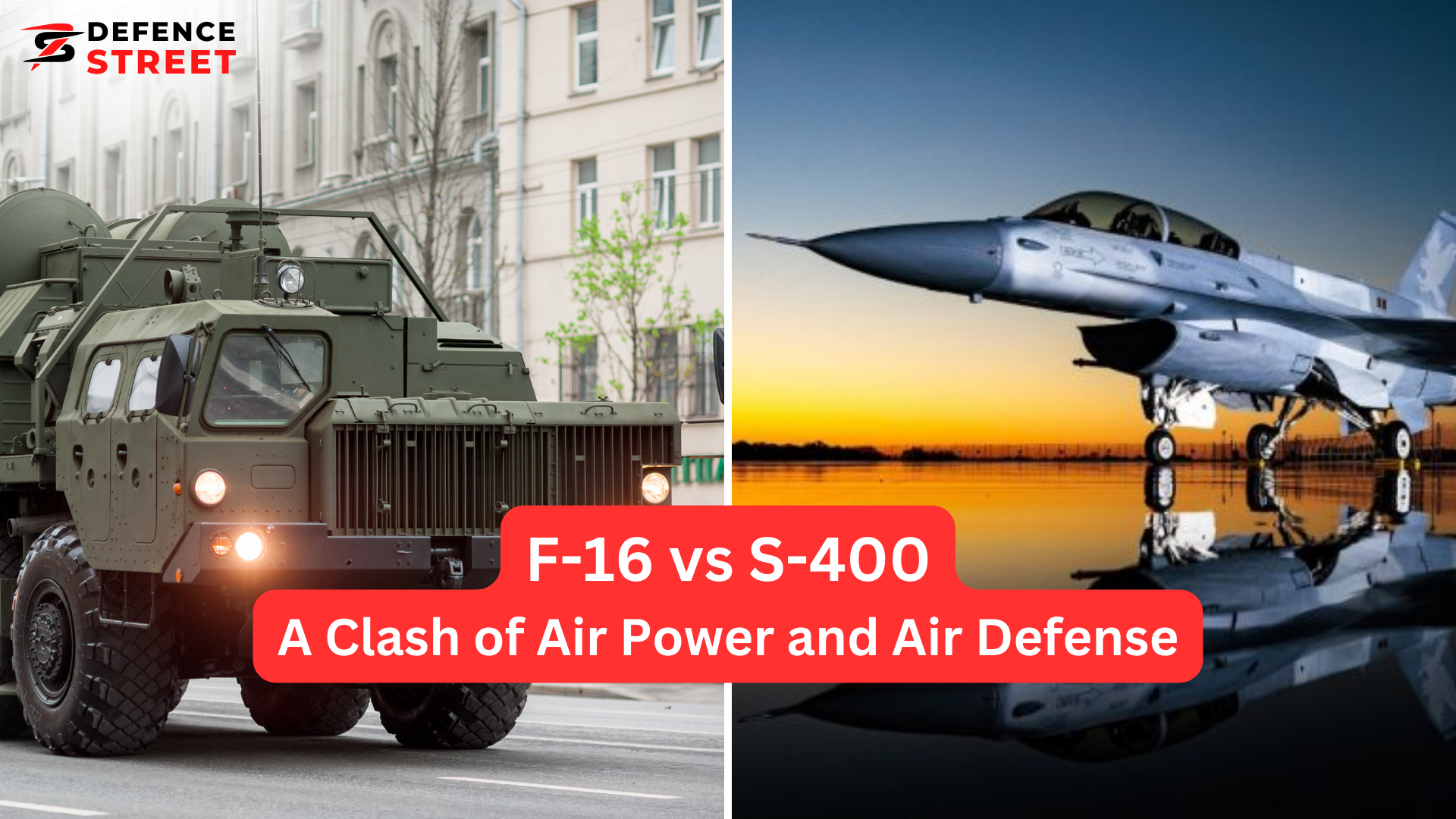
  • F-16 vs S-400 – A Clash of Air Power and Air Defense

    F-16 vs S-400 – A Clash of Air Power and Air Defense

    F-16 vs S-400: The F-16 Fighting Falcon and the S-400 Triumph represent two pinnacles of modern military technology, embodying air power and air defense, respectively. The F-16, renowned for its agility, advanced avionics, and multirole capabilities, dominates the skies with unmatched versatility. In contrast, the S-400, with its long-range precision and multi-target tracking, stands as a formidable shield against aerial threats. This clash of titans, where an agile predator meets a sophisticated guardian, offers a fascinating insight into the dynamics of modern warfare. In this comparative analysis, we explore the strengths, weaknesses, and tactical implications of these powerful systems.

    Western countries have pledged F-16s to Kyiv, and some have arrived in Ukraine, officials in Washington and Ukraine confirmed to The Associated Press. The fighter jets are expected to start flying sorties in Ukrainian skies soon and will be a much-needed boost to the country’s current fleet of Soviet-era jets that are laboring to counter Russia’s invasion. India is closely Watching this Military Battle between S-400 and F-16.

    F-16 vs S-400 Comparison

    Overview of the F-16 Fighting Falcon

    The F-16 Fighting Falcon is a multirole fighter jet developed by General Dynamics, now Lockheed Martin, for the United States Air Force. Since its introduction in 1978, the F-16 has become one of the most versatile and widely used fighter jets in the world. Key features of the F-16 include:

    • Speed and Agility: Capable of reaching speeds over Mach 2, the F-16 is known for its exceptional maneuverability, allowing it to perform a variety of combat roles including air-to-air combat, ground attack, and reconnaissance missions.
    • Advanced Avionics: Equipped with cutting-edge radar and electronic warfare systems, the F-16 can detect, track, and engage multiple targets simultaneously.
    • Armament: The F-16’s arsenal includes a 20mm M61 Vulcan cannon, a variety of air-to-air and air-to-ground missiles, and precision-guided bombs, making it a formidable opponent in both air and ground combat.

    Overview of the S-400 Triumph

    The S-400 Triumph, developed by Russia’s Almaz-Antey, is a next-generation surface-to-air missile system designed to provide comprehensive air defense against a range of aerial threats. First deployed in 2007, the S-400 has been adopted by several countries for its impressive capabilities:

    • Long-Range Precision: The S-400 can engage targets at distances of up to 400 km (248 miles) and altitudes of up to 30 km (98,425 ft), providing extensive coverage and protection.
    • Multi-Target Tracking: Utilizing advanced phased array radar, the S-400 can track and target multiple aircraft, missiles, and drones simultaneously.
    • Diverse Armament: The system can launch various missile types, including the 48N6E2, 40N6, and 9M96E2, tailored for different ranges and target profiles.

    F-16 vs S-400 Data Table

    Here is a detailed comparison table highlighting key data points for the F-16 Fighting Falcon and the S-400 Triumph:

    Feature F-16 Fighting Falcon S-400 Triumph
    Type Multirole Fighter Jet Surface-to-Air Missile Defense System
    Country of Origin United States Russia
    Manufacturer Lockheed Martin Almaz-Antey
    First Introduced 1978 2007
    Crew 1 N/A
    Role Air superiority, ground attack, reconnaissance Long-range air defense
    Speed Mach 2+ (2,414 km/h or 1,500 mph) N/A
    Range 4,220 km (2,620 miles) with drop tanks Up to 400 km (248 miles)
    Ceiling 15,240 m (50,000 ft) Targets up to 30 km (98,425 ft) altitude
    Armament – 20mm M61 Vulcan cannon – 48N6E2, 40N6, 9M96E2 missiles
    – Air-to-air and air-to-ground missiles – 72N6E, 92N6E radars
    – Bombs – Up to 72 missiles per system
    Avionics Advanced radar, electronic warfare systems Phased array radar, command and control systems
    Target Detection Range 370 km (229 miles) Up to 600 km (373 miles)
    Maximum Target Speed Mach 2+ Mach 14 (17,000 km/h or 10,563 mph)
    Operational Radius 550 km (340 miles) combat radius Effective against targets up to 400 km (248 miles)
    Deployment Time N/A 5-10 minutes
    Primary Users United States, Israel, Egypt, Turkey, and others Russia, China, India, Turkey, and others

    Strengths and Weaknesses

    F-16 Fighting Falcon:

    • Strengths: Exceptional speed and agility, versatile combat roles, advanced avionics, and a wide range of armament options.
    • Weaknesses: Requires significant logistical support, limited by range without refueling, and vulnerable to sophisticated air defense systems like the S-400.

    S-400 Triumph:

    • Strengths: Long-range engagement capability, ability to track and target multiple threats, diverse missile options, and rapid deployment.
    • Weaknesses: Expensive to deploy and maintain, dependent on advanced radar and command systems, and potentially vulnerable to electronic warfare tactics.

    Tactical Implications

    In a hypothetical engagement between the F-16 and the S-400, several factors would come into play. The F-16’s speed and maneuverability would be critical in evading and countering the S-400’s missiles. However, the S-400’s ability to detect, track, and engage multiple targets at long range would pose a significant challenge to the F-16. The outcome of such an encounter would depend heavily on the tactics employed, the environment, and the effectiveness of electronic warfare measures.

    Conclusion

    The F-16 Fighting Falcon and the S-400 Triumph represent two sides of modern warfare’s technological coin: air power and air defense. Each system boasts impressive capabilities and distinct advantages, making them formidable in their respective roles. Understanding their strengths, weaknesses, and tactical applications provides valuable insights into the evolving landscape of military strategy and technology.

  • M1 Abrams vs M60 Patton: A Comparative Detailed Analysis

    M1 Abrams vs M60 Patton: A Comparative Detailed Analysis

    M1 Abrams vs M60 Patton: The M1 Abrams and the M60 Patton are two iconic tanks that have played significant roles in the history of armored warfare. While the M1 Abrams represents the pinnacle of modern tank design, the M60 Patton stands as a testament to an earlier era of armored warfare. In this detailed comparison, we will explore the history, design, firepower, mobility, and protection of these two legendary tanks, shedding light on their strengths, weaknesses, and impact on the battlefield.

    M1 Abrams vs M60 Patton Specification 

    Specification M1 Abrams M60 Patton
    Name M1 Abrams M60 Patton
    Type Main battle tank Main battle tank
    Origin USA USA
    Produced 1980 1960–1987
    Unit cost $8.58 million (2012)
    Main armament 120 mm L/44 M256A1 smoothbore gun (42 rounds) 105 mm (4.1 in) M68 gun (M60/A1/A3)
    Engine Honeywell AGT1500C multi-fuel turbine engine AVDS-1790-2 V12, air-cooled Twin-turbo diesel engine
    Speed 67 km/h (42 mph) – M1A2 48 km/h (30 mph)
    Weight 62 tonnes (M1A2) 48 tonnes
    Crew 4 4
    Caliber M1 Abrams – 120mm M60 Patton – 105mm
    Dimensions
    Length 9.77 m 9.31 m
    Width 3.66 m 3.63 m
    Height 2.44 m 3.21 m

    M1 Abrams vs M60 Patton Detailed Comparison 

    History:

    The M60 Patton was developed in the early 1960s as a successor to the M48 Patton. It served as the primary battle tank for the United States Army and Marine Corps during the Cold War, seeing extensive service in Vietnam, the Arab-Israeli conflicts, and other conflicts around the world. The M60 was known for its reliability and firepower, armed with a 105mm main gun and a range of secondary weapons.

    In the 1980s, the M1 Abrams was introduced, marking a significant leap forward in tank design. It was developed in response to the Soviet Union’s new generation of tanks and featured advanced composite armor, a 120mm smoothbore gun, and a gas turbine engine. The M1 Abrams quickly became the main battle tank of the US military and has since undergone several upgrades to maintain its status as one of the most advanced tanks in the world.

    Design:

    The M60 Patton has a conventional design, with a cast homogeneous steel turret and a welded steel hull. It weighs around 52 tons and has a crew of four. The tank is powered by a Continental AVDS-1790-2 V12 air-cooled diesel engine, which gives it a top speed of around 30 mph (48 km/h) on roads.

    In contrast, the M1 Abrams features a more advanced design, with a chobham armor composite that provides superior protection against both kinetic energy penetrators and shaped charges. It weighs around 60 tons and has a crew of four. The tank is powered by a Honeywell AGT1500 gas turbine engine, which gives it a top speed of around 45 mph (72 km/h) on roads.

    Firepower:

    The M60 Patton is armed with a 105mm M68 rifled gun, which is capable of firing a variety of ammunition types, including APFSDS, HEAT, and HE. It also has a .50 caliber M2 machine gun and a 7.62mm M240 machine gun for anti-infantry and anti-aircraft defense.

    The M1 Abrams, on the other hand, is armed with a 120mm M256 smoothbore gun, which is more powerful and accurate than the M60’s gun. It also has a .50 caliber M2 machine gun and a 7.62mm M240 machine gun for secondary armament.

    Mobility:

    In terms of mobility, the M1 Abrams has a clear advantage over the M60 Patton. Its gas turbine engine gives it a higher top speed and better acceleration, allowing it to outmaneuver the M60 on the battlefield. The M1 Abrams also has a range of around 265 miles (426 km), compared to the M60’s range of around 300 miles (483 km).

    Protection:

    The M1 Abrams’ chobham armor composite provides superior protection against both kinetic energy penetrators and shaped charges compared to the M60’s steel armor. Additionally, the M1 Abrams has a number of other features, such as a nuclear, biological, and chemical (NBC) protection system, that further enhance its survivability on the battlefield.

    Upgrades and Variants:

    Both the M60 Patton and the M1 Abrams have undergone upgrades and variants over the years to improve their capabilities. The M60 was upgraded to the M60A1 and later to the M60A3, which featured improved fire control systems and other enhancements. However, these upgrades were not enough to keep the M60 competitive with more modern tanks.

    The M1 Abrams has undergone several upgrades since its introduction, including the M1A1 and M1A2 variants, which feature improved armor, firepower, and electronics. The latest variant, the M1A2 SEPv3, incorporates even more advanced technology, such as improved thermal sights and a new ammunition data link, further enhancing its combat capabilities.

    Export and Legacy:

    The M60 Patton has been widely exported to various countries around the world and is still in service with some nations today. Its reliability and simplicity make it a popular choice for countries with smaller defense budgets or less advanced military industries.

    The M1 Abrams, on the other hand, has been less widely exported due to its high cost and advanced technology. However, it has still been sold to several countries, including Australia, Egypt, and Saudi Arabia, among others. Its reputation as one of the most powerful and capable tanks in the world has made it a sought-after asset for many nations.

    Future Prospects:

    Looking ahead, the M1 Abrams is likely to remain a key component of the US military’s armored forces for the foreseeable future, with ongoing upgrades and improvements keeping it at the forefront of tank technology. The M60 Patton, while no longer in service with the US military, will likely continue to serve in various roles with allied and partner nations for years to come, thanks to its robust design and proven track record.

    Which one is Powerful?

    The M1 Abrams features a 120mm smoothbore gun, compared to the M60 Patton’s 105mm rifled gun, providing it with superior firepower and accuracy. Additionally, the M1 Abrams is powered by a gas turbine engine, giving it a higher top speed and better acceleration than the M60 Patton, which is powered by a diesel engine.

    Furthermore, the M1 Abrams boasts advanced composite armor, offering better protection against both kinetic energy penetrators and shaped charges compared to the M60 Patton’s steel armor. The M1 Abrams also has a range of additional features, such as a nuclear, biological, and chemical (NBC) protection system, further enhancing its survivability on the battlefield. Overall, the M1 Abrams’ advanced technology, firepower, mobility, and protection make it the more powerful and effective tank when compared to the M60 Patton.

    Conclusion:

    In conclusion, while both the M1 Abrams and the M60 Patton are iconic tanks that have played significant roles in the history of armored warfare, the M1 Abrams is clearly the superior tank in terms of design, firepower, mobility, and protection. Its advanced technology and capabilities make it one of the most formidable tanks in the world, ensuring its place as a key asset in the US military’s arsenal for years to come.

  • Top 5 Most Advanced Fighter Jets of 2024

    Top 5 Most Advanced Fighter Jets of 2024

    In the world of military aircraft, technology is constantly evolving. It can be hard to keep up with all the advancements in the industry, so we’ve put together a list of the top five most advanced fighter jets in 2024. Read on to learn more about these amazing pieces of machinery!

    The Most Advanced Fighter Jets of 2024

    1. The F-35 Lightning II

    The F-35 Lightning II is a single-seat, single-engine stealth multirole fighter jet developed by Lockheed Martin for the US military and its allies. This fifth-generation fighter jet is capable of air superiority, ground attack, electronic warfare, and intelligence gathering. The F-35 has advanced avionics and sensors, including an active electronically scanned array radar that provides 360 degree coverage. It also features a powerful afterburning turbofan engine that allows it to reach supersonic speeds while remaining stealthy.

    2. The Su-57 Felon

    The Su-57 Felon is Russia’s fifth-generation fighter jet developed by Sukhoi Aviation Corporation. This highly maneuverable aircraft has been designed to compete with the US’s F-22 and F-35 fighters. The Su-57 features two engines with thrust vectoring capabilities for increased agility and performance at both subsonic and supersonic speeds. It also has an advanced suite of avionics which includes an active electronically scanned array radar system and an integrated infrared search and track system.

    Read More: Sukhoi Su-57 Vs. Dassault Rafale : What Will Be The Outcome

    3. The Chengdu J20 Stealth Fighter Jet

    The Chengdu J20 Stealth Fighter Jet is China’s first fifth generation aircraft designed for air superiority missions. This twin engine fighter jet features a composite material fuselage that reduces its radar cross section significantly, making it virtually invisible on enemy radar systems. The J20 has an advanced avionics suite including an integrated passive/active electronically scanned array radar system that provides 360 degree coverage as well as an infrared search and track system which gives it superior situational awareness in combat situations.

    4. The Dassault Rafale

    The Dassault Rafale is France’s fourth generation multirole fighter jet developed by Dassault Aviation for both air superiority and ground attack missions. This highly maneuverable aircraft features two powerful afterburning turbojet engines which allow it to reach supersonic speeds while maintaining excellent stealth characteristics due to its low observable design features such as internal weapons carriage and serrated edges on its wings and tailplane surfaces. Additionally, the Rafale has an impressive sensor suite that includes a high power active electronically scanned array radar system as well as sophisticated electronic warfare systems which make it potent in both air to air combat as well as ground attack missions.

    5. The Eurofighter Typhoon

    The Eurofighter Typhoon is Europe’s fourth generation multirole fighter jet developed by Airbus Group for both air superiority and ground attack missions. This highly maneuverable aircraft features two powerful afterburning turbofan engines which allow it to reach supersonic speeds while remaining extremely stealthy due to its low observable design features such as internal weapons carriage, serrated edges on its wings and tailplane surfaces, special coatings on its exterior surfaces, etc . Additionally, the Typhoon has one of the most advanced sensor suites available today with a high power active electronically scanned array radar system being one of its most notable features giving it superior situational awareness in combat situations compared to other aircraft available today .

    Conclusion

    From America’s F-35 Lightning II to France’s Dassault Rafale , from China’s Chengdu J20 Stealth Fighter Jet to Russia’s Su – 57 Felon , from Europe’s Eurofighter Typhoon , there are no shortage of incredible pieces of machinery ready for service in 2024. Each one offers something unique , whether it be speed , agility or stealth , each makes up part of this list thanks not only their impressive performance but also their cutting edge technology . All these factors combine make them some of the most powerful fighters available today . With this list you have everything you need know about these amazing machines ! We hope you found this article informative !

  • The 10 Most Powerful Missiles in the World 2024

    The 10 Most Powerful Missiles in the World 2024

    The world of military technology is ever-evolving and the race to develop the most powerful weapons is a constant one. Among these weapons, missiles stand out as the ultimate combination of speed, precision, and destructive power.

    In this article, we’ll take a look at some of the most fearsome missiles currently in existence and explore what makes them so deadly. From small tactical weapons that can take out targets just a few hundred feet away to larger missiles that can travel thousands of miles, these projectiles are truly a force to be reckoned with.

    But which country is currently leading the pack in missile technology? We’ll take a look at that too, so buckle up and get ready to be amazed by the world’s most powerful missiles and the nations that wield them.

    LGM-30 Minuteman US

    It is an American intercontinental ballistic missile. As of 2018, the LGM-30G Minuteman III variant has been introduced into service in the United States. Let us tell you that its range is 13000 kilometres. It can carry three different nuclear killers which can target three different locations. It is the only land-based intercontinental ballistic missile in the US.

    UGM-133 Trident II

    The Lockheed Martin UGM-133 Trident II (D5) is an inertially guided, three-stage ballistic missile that is launched from a submarine. 14 nuclear-powered SSBN 726 Ohio Class submarines as well as British Vanguard-class submarines are equipped with Trident II missiles. The missile was first used in March 1990, and by 2007 the U.S. Navy had received all of its supply. It is built by Lockheed Martin Space Systems in Sunnyvale, California. It was first deployed in March 1990 and remains in service today. And its range is from 7500 to 12000 km.

    RS-28 Sarmat Satan 2

    A three-stage, liquid-fueled missile with an 18,000 km range and a launch weight of 208.1 metric tonnes is known as the Sarmat. It’s a collection of space launchers and intercontinental meterstick missiles created by the Soviet Union during the Cold War. One of the most hazardous missiles in the world, which can carry three warheads and was the first Soviet MIRV (multiple independently targetable reentry vehicle). Let us inform you that it has an 18,000-kilometer range. Additionally, it is claimed that these missiles are the most potent. The missile measures 3 meters in diameter and 35.3 metres in length.

    R36M2 Voivode

    A huge, two-stage, tandem, storable liquid-propellant inertial guided missile called the R-36m/SS-18 ICBM was created to take the position of the SS-9 ICBM. It was launched in Russia having an estimated range of 11000 km. The missile’s basic design is the same as the R-36, but it has been updated to include cutting-edge technology and more potent motors. For both the first and second stages of the R-36M, a gas-dynamic system pressurized the propellant tanks by opening specific ports. This eliminated the requirement for chemical tank pressurization techniques as well as the usage of pressurized gases from tanks.

    Agni-V

    It is an intercontinental ballistic missile developed by the Defence Research and Development Organization of India. Agni-V is a part of the Agni series of missiles. India’s Swadesh is a nuclear missile manufactured by DRDO. India’s most advanced missile and many new technologies have been included in it. Its range has been told by the Government of India to be 5000 kilometres. But many experts, especially Chinese experts, believe that the missile has a range of 8000 kilometres. Agni-V can travel more than 7,000 kilometres and be successfully tested on December 15 from Odisha. With a three-stage solid-fuelled engine, Agni V can strike targets with extremely high precision at distances of up to 5,000 kilometres.

    DF-41

    This missile is China’s deadliest intercontinental ballistic missile.The DF-41 missile is one of the world’s longest-range missiles, overtaking the US LGM-30 Minuteman, which is said to have an estimated range of more than 14,000 kilometres, so with this capability, it can target all areas of Europe, Russia, and the United States within 20 to 20. . It can carry about 10 independently targetable nuclear warheads that can strike anywhere on Earth Although the exact specifications are unknown, it is believed to have been implemented in 2016 or 2017.

    M51

    A submarine-launched ballistic missile called the M51 SLBM was developed by EADS Astrium Space Transportation and used by the French Navy. The engine has a three-stage solid propellant (APCP), with an operational range of more than 10000 kilometres. This missile was first tested in a Biscarrosse ( a missile test centre in France) in the year 2006. The M51’s range allows for direct pier shooting to most parts of China, Russia, or the United States.

    Tomahawk Cruise Missile

    The Tomahawk Land Assault Missile (TLAM) is a long-range, subsonic cruise missile that is launched from US Navy surface ships as well as US Navy and UK Royal Navy submarines for use in deep land attack warfare. Tomahawk cruise missiles use a variety of mission-specific guidance systems to fly over an evasive path at high subsonic speeds and extremely low altitudes. To avoid being picked up by radar, Tomahawk was built to fly at subsonic speed while maintaining a low altitude. To operate at such a low level, it makes use of specialized navigation systems.

    Jericho III

    The claimed Jericho III, according to the Washington-based Center for Strategic and International Studies, has a reach of 4,800-6, 500 km and a payload of 1,000-1, 300 kg. A nuclear warhead weighing 750 kg is mounted on Jericho III. The range of the Jericho III, with a one-tonne warhead, is reportedly approximately 11,500 kilometres (nearly 7,200 miles). However, it is likely capable of reaching any location on Earth with a lesser payload.

    JL-2

    This ballistic missile is launched from a submarine near China. At the same time, the name of this missile launched from the ground is DF-31 (DF-31). China can do a nuclear attack with its help. The range of the missile is from 7400 to 8000 km. This means that the missile can easily reach entire Europe, India, Russia and parts of America. Three or four attacks can be done with this missile at a time.

    Conclusion

    The development of missiles did not begin in earnest until after World War II. They are frequently referred to as guided missiles because almost all of them have some sort of guidance and control system. As ICBM technology advanced, missiles occupied a vital position in Cold War strategy.

  • Su-27 vs F-16 – Breaking Down the Battle in the Sky

    Su-27 vs F-16 – Breaking Down the Battle in the Sky

    Su-27 vs F-16: In the vast theater of aerial supremacy, two iconic fighter jets Sukhoi Su-27 & Martin F-16 have soared to prominence, each representing the pinnacle of their respective nations’ aeronautical prowess. The Sukhoi Su-27 “Flanker” and the Lockheed Martin F-16 Fighting Falcon stand as testaments to the engineering brilliance and strategic vision of Russia and the United States, respectively. As we embark on this journey into the realms of speed, agility, and firepower, let’s unravel the captivating narrative behind these aerial titans.

    The Russian Marvel: Sukhoi Su-27 “Flanker”

    Heralded as a symbol of Russian aeronautical excellence, the Su-27 emerged from the design halls of Sukhoi in the mid-1980s, answering the call for a versatile and formidable multirole fighter. With its distinctive twin-engine configuration, the Su-27 boasts a striking profile that mirrors its exceptional capabilities in the air. Its lineage can be traced to a pursuit of air superiority, and it has since evolved into a platform adept at air-to-ground missions and interception.

    From the cold expanses of the Soviet Union to the modern theaters of global conflict, the Su-27 has proven its mettle in the hands of skilled pilots, renowned for its remarkable agility, powerful radar systems, and a combat range that extends across vast distances. With a price tag that reflects its advanced capabilities, the Su-27 stands as a symbol of Russia’s commitment to maintaining aerial dominance.

    The American Icon: Lockheed Martin F-16 Fighting Falcon

    On the other side of the geopolitical spectrum, the Lockheed Martin F-16 Fighting Falcon, often dubbed the “Viper,” represents the epitome of American ingenuity in aerial warfare. Born in the late 1970s, the F-16 quickly became the backbone of the United States Air Force and found itself in the arsenals of numerous allied nations. Its single-engine design, combined with a sleek and agile frame, has made it a stalwart presence in the skies.

    As a true multirole fighter, the F-16’s versatility is reflected in its capability to excel in air-to-air combat, ground attack missions, and electronic warfare. The F-16’s legacy is etched in its adaptability, allowing it to evolve with technological advancements and remain a formidable force in the ever-changing landscape of aerial combat.

    Su-27 and F-16: A Comparative Odyssey

    In the forthcoming exploration, we will dissect the intricacies of these aerial behemoths—comparing their specifications, dissecting their design philosophies, and delving into their operational histories. From the thrust of their engines to the range of their missiles, the Su-27 and F-16 will go head-to-head in a virtual dogfight of attributes.

    As we ascend into the clouds of this comparative odyssey, fasten your seatbelts for an exhilarating journey through the skies, where the Su-27 and F-16 engage in a high-stakes duel for supremacy. The stage is set, the jets are fueled, and the only limit is the boundless expanse of the atmosphere. Welcome to the enthralling world of the Sukhoi Su-27 and Lockheed Martin F-16—a tale of two air giants.

    Su-27 vs F-16 Data Table

    Here’s a table comparing the Sukhoi Su-27 “Flanker” and the Lockheed Martin F-16 Fighting Falcon:

    Aspect Sukhoi Su-27 “Flanker” Lockheed Martin F-16 Fighting Falcon
    Country Russia United States
    Manufactured 1985 to Present 1978 to Present
    ICAO SU27
    Price $37 million $18 million
    Avionics Sukhoi Search and Track Radar / Fire Control, OEPS-27 IRST, OEPS-27 electro-optical targeting system Lockheed Martin Tactical Aircraft Systems
    Engine 2x Saturn/Lyulka AL-31F turbofans 1x Pratt & Whitney F100-PW-220
    Engine Type Turbofan
    Power 27,600 pound-force 29,160 pound-force
    Max Cruise Speed 1,546 knots (2,863 Km/h) 1,147 knots (2,124 Km/h)
    Approach Speed (Vref) 129 knots
    Travel Range 1,906 Nautical Miles (3,530 Kilometers) 2,280 Nautical Miles (4,223 Kilometers)
    Fuel Economy 0.62 nautical mile/gallon (0.303 kilometers/litre)
    Service Ceiling 62,000 feet 50,000 feet
    Rate of Climb 54,000 feet/minute (274.32 meters/second) 50,000 feet/minute (254.00 meters/second)
    Take Off Distance 450 meters (1,476.36 feet) 345 meters (1,131.88 feet)
    Landing Distance 620 meters (2,034.10 feet) 457 meters (1,499.33 feet)
    Max Take Off Weight 30,450 Kg (67,130 lbs) 19,187 Kg (42,300 lbs)
    Max Landing Weight 21,000 Kg (46,297 lbs)
    Max Payload 4,500 Kg (9,921 lbs) 7,167 Kg (15,800 lbs)
    Fuel Tank Capacity 3,080 gallons (11,659 litres) 845 gallons (3,199 litres)
    Wing Span/Rotor Diameter 14.7 meters (48.23 feet) 9.96 meters (32.68 feet)

    This table provides a side-by-side comparison of various specifications for the Sukhoi Su-27 and the Lockheed Martin F-16. Keep in mind that specific variants and upgrades may have different performance characteristics.

    Conclusion

    Both the Su-27 and F-16 are formidable fighters, and their effectiveness depends on factors such as mission requirements, pilot skill, and the specific variants involved. The Su-27’s larger size, twin-engine configuration, and exceptional agility give it certain advantages, while the F-16’s compact design, versatility, and widespread use contribute to its success on the global stage.

  • Modern Military Equipment Used By Estonian Defence Forces

    Modern Military Equipment Used By Estonian Defence Forces

    Military Equipment Used By EDF: In the ever-changing landscape of global security, the Estonian Defence Forces (EDF) emerge as a beacon of cutting-edge military prowess. Nestled in the Baltic region, Estonia stands resilient against evolving threats, thanks to its commitment to modernizing its armed forces. This blog offers a concise yet insightful overview of the state-of-the-art military equipment employed by the EDF, showcasing Estonia’s dedication to staying at the forefront of defense technology.

    From advanced infantry weaponry to sophisticated armored vehicles, aerial capabilities, and naval assets, the EDF leverages a diverse arsenal. As we delve into the specifics, we will unravel the strategic choices guiding Estonia’s military modernization. International partnerships and indigenous innovation play pivotal roles in shaping the nation’s defense capabilities, ensuring adaptability in the face of both conventional and asymmetrical challenges.

    List Of Equipment Of The Estonian Defence Forces

    Anti-tank weapons

    Carl Gustav: The Carl Gustav is a versatile and widely used recoilless rifle system designed for anti-tank warfare. Introduced in 1948, it has evolved into a multi-role weapon, capable of firing various ammunition types. Renowned for its effectiveness, portability, and adaptability, the Carl Gustav remains a key asset for military forces worldwide.

    Instalaza C90: The Instalaza C90 is a Spanish-made, man-portable, disposable anti-tank rocket launcher. Introduced in the 1980s, it’s designed for infantry use against armored vehicles. Compact and lightweight, the C90 is known for its simplicity and effectiveness. Its portability and ease of use make it a valuable asset for military and paramilitary forces.

    Javelin: The Javelin is a third-generation, man-portable, fire-and-forget infrared-guided missile system used for anti-tank warfare. Introduced by the United States in the late 1990s, it is a shoulder-fired weapon known for its precision and versatility. The Javelin has played a crucial role in modern military conflicts, providing effective anti-armor capabilities.

    Spike: Spike is a family of Israeli anti-tank guided missiles designed for infantry, vehicle, and helicopter use. Introduced in the 1990s, it offers variants with various ranges and target-tracking capabilities. Spike’s adaptability, fire-and-forget functionality, and advanced technology make it a prominent choice for many armed forces around the world.

    Air-defence equipment

    ZU-23-2: The ZU-23-2 is a Soviet-made, towed, twin-barreled anti-aircraft gun system introduced in the 1960s. It features dual 23mm autocannons and is widely used for air defense against low-flying aircraft, helicopters, and drones. Known for its simplicity, mobility, and firepower, the ZU-23-2 remains in service with numerous military forces globally.

    PPZR Piorun: 

    Mistral: The Mistral is a man-portable, infrared-guided surface-to-air missile system designed for air defense against aircraft, helicopters, and drones. Developed by the European company MBDA, Mistral is known for its portability, versatility, and effectiveness. It has been widely adopted by various military forces around the world since its introduction in the 1980s.

    IRIS-T SLM: The IRIS-T Surface Launched Module (SLM) is an air-defense system based on the IRIS-T air-to-air missile. Designed for ground-based operations, it provides anti-aircraft capabilities against a variety of threats. With infrared homing and high maneuverability, the IRIS-T SLM is adaptable for short to medium-range air defense and has been integrated into various military platforms.

    Anti-ship weapons

    Blue Spear: 

    Grenades

    m/56: The m/56 hand grenade is a Swedish fragmentation grenade designed in the 1950s. It features a distinctive lemon shape and a time delay fuse. The grenade has been used by various Swedish armed forces and law enforcement agencies. Its design prioritizes simplicity, reliability, and effectiveness in anti-personnel situations.

    DM61: 

    OffHGr 85: 

    SplHGr 85:

    Mortars

    M252: The M252 Mortar is a portable, smoothbore, high-angle-of-fire weapon used by the U.S. military and allied forces. It is designed for rapid deployment and provides indirect fire support. With a caliber of 81 mm, the M252 is versatile, allowing infantry units to engage targets at various ranges on the battlefield.

    m/41D: 

    Armoured vehicles

    Combat Vehicle 90: The Combat Vehicle 90 (CV90) is a family of tracked infantry fighting vehicles developed by Sweden’s BAE Systems Hägglunds. Renowned for its mobility and firepower, the CV90 serves various roles, including troop transport and fire support. Its modular design allows for different configurations, making it adaptable to evolving battlefield requirements.

    Patria Pasi: The Patria Pasi is a Finnish 6×6 armoured personnel carrier designed for military and peacekeeping missions. Known for its versatility and robustness, it accommodates up to 16 soldiers. With features like amphibious capability and modular armor, the Patria Pasi provides reliable mobility and protection, making it a staple in military forces.

    Otokar Arma 6×6: The Otokar Arma 6×6 is a Turkish wheeled armored vehicle developed by Otokar. Configurable for various roles, it serves as an infantry fighting vehicle, armored personnel carrier, or command vehicle. With a modular design, advanced protection systems, and adaptable firepower, the Arma 6×6 provides flexibility and effectiveness in diverse operational scenarios.

    Nurol Yörük NMS: 

    Artillery

    K9 Thunder: The K9 Thunder is a South Korean self-propelled howitzer. Manufactured by Samsung Techwin (now Hanwha Land Systems), it features a 155 mm/52-caliber gun and advanced fire control systems. Renowned for its mobility, firepower, and rapid deployment capabilities, the K9 Thunder enhances artillery capabilities for modern armed forces around the world.

    M142 HIMARS: The M142 High Mobility Artillery Rocket System (HIMARS) is a versatile rocket artillery system used by the U.S. military and allied forces. Mounted on a wheeled chassis, HIMARS can launch various missiles and rockets, providing precision fires at extended ranges. Its mobility and rapid response make it valuable for expeditionary missions.

    Ships

    Sandown-class: The Sandown-class is a minehunter vessel used by the Royal Navy and other navies. Designed for mine countermeasures, it features advanced sonar systems and remotely operated vehicles to detect and neutralize mines. With a non-magnetic hull, the Sandown-class minimizes its own susceptibility to magnetic-triggered mines, ensuring safer operations.

    Lindormen-class: 

    NAVY 18 WP class:

    Kindral Kurvits class: 

    PATROL 45 WP class: 

    Pikker class: 

    PATROL 24 class:

    Aircraft

    Aero L-39 Albatros: The Aero L-39 Albatros is a Czechoslovakian-built jet trainer and light attack aircraft. Renowned for its simplicity and agility, the L-39 has served in numerous air forces worldwide. With a sleek design and capable performance, it remains a popular choice for training and aerobatic displays, showcasing its enduring legacy in aviation.

    PZL M28 Skytruck: The PZL M28 Skytruck is a Polish twin-engine turboprop short takeoff and landing (STOL) aircraft. Designed for military and civilian use, it can carry passengers or cargo. Notable for its rugged design and versatility, the Skytruck is employed in various roles, including transport, reconnaissance, and maritime patrol.

    Robinson R44: The Robinson R44 is a popular four-seat light helicopter designed and manufactured by Robinson Helicopter Company. Known for its versatility and affordability, the R44 is widely used for various purposes, including training, tourism, and aerial work. It features a piston engine and a two-bladed rotor system, making it a common choice in the light helicopter category.

    Unmanned aerial vehicles

    Threod Systems Stream C: The Threod Systems Stream C is a small unmanned aerial vehicle (UAV) designed for surveillance and reconnaissance missions. With a lightweight and portable design, it provides real-time intelligence for military and civilian applications. The Stream C UAV is equipped with advanced sensors, offering a versatile solution for monitoring and information gathering.

    Threod Systems KX-4 LE Titan: 

    AeroVironment RQ-20 Puma: The AeroVironment RQ-20 Puma is a small hand-launched unmanned aerial vehicle (UAV) used for surveillance and reconnaissance. Designed for military and civilian applications, it provides real-time imagery and data. With a portable and versatile design, the RQ-20 Puma supports various missions, including monitoring and situational awareness.

    IAI Harpy: The IAI Harpy is an Israeli autonomous loitering munition system designed for suppressing enemy air defense systems. Deployed from ground-based platforms, it is capable of loitering over the battlefield, autonomously detecting and engaging radar signals. The Harpy is a valuable asset for neutralizing enemy radar installations and air defense capabilities.

    Radars

    VERA-E: The VERA-E is a mobile ground surveillance radar system developed by HENSOLDT. Used for border and perimeter surveillance, it features advanced electronic scanning technology for efficient monitoring. With a high detection range and accuracy, VERA-E enhances situational awareness, making it valuable for security and military applications, including critical infrastructure protection.

    Giraffe AMB: The Giraffe AMB is a versatile mobile radar system developed by Saab. Employed for air and missile defense, it utilizes advanced technology for early warning, target tracking, and threat assessment. The Giraffe AMB’s mobility and adaptability make it suitable for a range of military applications, enhancing situational awareness and response capabilities.

    AN/TPS-77: The AN/TPS-77 is a transportable, 3D long-range air surveillance radar system produced by Lockheed Martin. Operating in the L-band, it provides accurate and reliable tracking of aircraft at extended ranges. With high mobility and rapid deployment capabilities, the AN/TPS-77 supports military air defense and air traffic control applications.

    Ground Master 403: The Ground Master 403 is a long-range air defense radar system developed by Thales. Operating in the S-band, it offers advanced detection and tracking capabilities for a wide range of aerial threats. With high reliability and adaptability, the Ground Master 403 is employed in military and civil applications, enhancing airspace surveillance.

    GCA-2020: 

    AN/TSQ-288: 

    Thank You So Much for Visiting Defence Street.