Category: Indian Air Force

  • IAF Introduces A New Flag, Balancing Heritage And Modernity

    IAF Introduces A New Flag, Balancing Heritage And Modernity

    In a significant moment for the Indian Air Force (IAF), the Chief of Air Staff unveiled the revised IAF flag on Saturday, reflecting a historic occasion and embodying the evolving principles of the organization.

    The new IAF flag features the Air Force Crest positioned in the upper right corner towards the end of the flag. This emblem prominently displays the national emblem, the Ashoka lion, accompanied by the phrase “satyamev jayate” inscribed in Devanagari script just below it.

    Below the Ashoka lion, a majestic eagle from the Himalayas, with wings outstretched, symbolizes the IAF’s resolute nature. Encircling the eagle is a light blue ring with the inscription “Indian Air Force” in Devanagari. The IAF’s motto, “Nav Sparsh Diptam,” sourced from the Bhagavad Gita, translates to “Radiant Thou Touchest Heaven” or “Touching the sky with glory.”

    The evolution of the IAF ensign is notable. Initially, it featured the Union Jack in the upper left canton and the RIAF roundel (Red, White, and Blue) on the fly side. Post-Independence, the ensign underwent a transformation, replacing the Union Jack with the Indian tricolor and the RAF roundels with the IAF tri-color roundel in the lower right canton.

    The updated flag symbolizes the IAF’s unwavering commitment to safeguarding the nation’s airspace and upholding its proud legacy, all while embracing contemporary advancements.

  • Indian Air Force Day 2023: History, Significance And Theme Of This Day #ProudtoBeanIndian

    Indian Air Force Day 2023: History, Significance And Theme Of This Day #ProudtoBeanIndian

    Indian Air Force Day: On this day, IAF personnel are honoured for their dedication and professionalism.

    Indian Air Force Day 2023: On its 91st anniversary, the Indian Air Force is commemorating Air Force Day, with the highlight being the unveiling of its new ensign at the annual Air Force Day parade in Prayagraj on Sunday. This initiative aims to better align the symbol with the organization’s values, marking a significant update 72 years after a similar exercise. “October 8 will be etched as a momentous day in the history of the Indian Air Force. On this historic occasion, the Chief of Air Staff will reveal the new IAF ensign,” announced the IAF. The day is marked by elaborate celebrations, including a grand parade, held nationwide. It serves as an occasion to honor IAF personnel for their unwavering dedication and professionalism.

    History of this day

    The Indian Air Force, also known as Bharatiya Vayu Sena, was established in the country on October 8, 1932, during the era of the British Empire. The first operational squadron was formed on April 1, 1933, comprising six officers trained by the Royal Air Force (RAF) and 19 Havai Sepoys (air soldiers). The initial aircraft inventory included four Westland Wapiti IIA army co-operation biplanes stationed at Drigh Road, forming the “A” Flight nucleus of the planned No.1 (Army Co-operation) Squadron.

    In January 1950, following India’s transition into a Republic within the British Commonwealth, the Indian Air Force removed the “Royal” prefix from its name.

    Significance of this day

    The annual Air Force Day parade is a significant event held to commemorate the founding of the Indian Air Force (IAF). This parade serves as a platform to showcase the capabilities of the IAF and underscores its unwavering commitment to the defense of the nation.

    Theme of this day

    The theme chosen for this year’s Indian Air Force Day is ‘IAF – Airpower Beyond Boundaries.’ This theme underscores the force’s steadfast commitment to excellence, innovation, and its crucial role as the protector of the nation’s airspace.

    A spectacular air show is set to take place in the Sangam area today, featuring a variety of aircraft. Among them are the sophisticated and contemporary Chinook, Chetak, Jaguar, Apache, and Rafale, all poised to demonstrate their formidable capabilities.

    The traditional venue for the parade was the Hindon airbase near Delhi until 2021, after which the event was relocated outside the national capital. Last year, the parade took place in Chandigarh.

  • Shaliza Dhami: A woman officer will command Indian Air Force Day parade for the first time

    Shaliza Dhami: A woman officer will command Indian Air Force Day parade for the first time

    Today marks a historic moment as Group Captain Shaliza Dhami, a woman officer, takes command of the Indian Air Force Day parade for the first time.

    Group Captain Shaliza Dhami, a female officer, is set to command the Indian Air Force Day parade today, marking a significant milestone as she takes charge for the first time. The parade, honoring the 91st anniversary of the service, will be held at the air force station in Bamrauli, Prayagraj, as reported by HT.

    Earlier this year, Dhami, a helicopter pilot, achieved a historic milestone by becoming the first woman to command a frontline IAF combat unit in March. Presently, she serves as the leader of a missile squadron in the Western sector. Commissioned into the IAF in 2003, Dhami is also a qualified flying instructor with an impressive record of over 2,800 flight hours.

    On October 8, Wing Commander Ashish Moghe, the spokesperson for the Indian Air Force (IAF), announced that, for the first time, the parade would feature an all-women contingent, comprising the newly inducted Agniveer Vayu, who will march alongside their male counterparts. Additionally, the parade will showcase, for the first time, a flight of Garud commandos, as reported by HT.

    In an effort to promote gender equality, both the Indian Air Force (IAF) and the navy have granted permission for women officers to join special forces units, including the Garud commando force and Marine Commandos, provided they meet the specified selection criteria.

    During the upcoming event, Air Chief Marshal VR Chaudhari, the Chief of the Indian Air Force, will unveil the Air Force’s new ensign. The updated ensign will feature the IAF crest in the top right corner, replacing the previous design that had been in use for over seven decades.

    The IAF crest prominently displays the Ashoka lion at the top and the Himalayan eagle beneath it, encircled by a light blue ring with “Bhartiya Vayu Sena” written in Hindi. The motto “Nabh Sparsham Deeptam” (Touch the Sky with Glory) is inscribed in golden Devanagari script below the eagle.

    The upcoming Indian Air Force (IAF) Day flypast over Sangam in Prayagraj is significant as it marks the final appearance of the IAF’s MiG-21 fighter jets. The flypast is planned to include approximately 110 aircraft, featuring the latest addition to the IAF’s fleet, the C-295 transport plane.

    The aerial display will present a diverse array of aircraft, including Rafales, Sukhoi-30s, Mirage-2000s, MiG-29s, Jaguars, LCA Tejas, C-17s, C-130Js, IL-76s, AN-32s, Chinooks, Apaches, and Hawks, as reported by HT.

  • India-Canada Row: India Vs. Canada Military Power Comparison 2023

    India-Canada Row: India Vs. Canada Military Power Comparison 2023

    India Vs. Canada Military Power Comparison: In an increasingly interconnected and unpredictable world, the military capabilities of nations play a pivotal role in maintaining global stability and safeguarding their respective interests. India and Canada, although geographically distant and culturally diverse, are two nations that possess unique military strengths and strategic significance. Understanding the military power of these countries is not only crucial for their citizens but also for the international community as a whole.

    This blog aims to provide a comprehensive comparison of the military power of India and Canada. While Canada is known for its peacekeeping efforts and contributions to international security, India stands as one of the world’s largest military powers. Through a detailed analysis of various military aspects, we will delve into the capabilities, strengths, and challenges faced by both nations.

    From combat aircraft and armed forces personnel to defense budgets and global peace indices, we will explore key metrics that define a country’s military might. Additionally, we will examine each nation’s armed forces, weaponry, and military expenditures to gain a deeper insight into their military prowess.

    Moreover, we will shed light on recent developments and tensions between India and Canada that have brought their military capabilities into focus. These real-world events highlight the importance of understanding the military dynamics of these nations in today’s global landscape.

    India-Canada in News:

    In a recent development, tensions between India and Canada have intensified. This escalation was triggered when the Canadian Prime Minister made an accusation of Indian involvement in the assassination of a Khalistani leader, who had been labeled a terrorist by India. This incident took place in Surrey in June 2023.

    India promptly refuted these allegations and counterclaimed that Canada was providing shelter to Khalistani extremists, further exacerbating the strained relations between the two countries.

    What is the Khalistan Movement?

    The Khalistan movement is a campaign advocating for the establishment of an independent and sovereign Sikh state within the territory of present-day Punjab, encompassing both India and Pakistan.

    This demand has surfaced on numerous occasions, most notably during a violent insurgency in the 1970s and 1980s, which significantly disrupted the state of Punjab for more than a decade.

    While the movement was suppressed within India through military operations like Operation Blue Star in 1984 and Operations Black Thunder in 1986 and 1988, it still garners sympathy and support from certain segments of the Sikh population. This support is particularly prominent among the Sikh diaspora residing in countries such as Canada, the UK, and Australia.

    India Vs. Canada Military Power Comparison Data Table

    Here’s a table comparing various military and defense-related statistics between India and Canada:

    Aspect India Canada
    Population Approx. 1.45 billion Approx. 40 million
    Defense Budget (2023) Approx. $75 billion USD Approx. $37 billion USD
    Active Military Personnel Approx. 1.45 million Approx. 70,000
    Reserve Military Personnel Approx. 2.2 million Approx. 28,500
    Tanks Approx. 4,614 Approx. 82
    Aircraft Approx. 2,210 (including fighters and others) Approx. 200 (including fighters and others)
    Naval Vessels Approx. 295 (including major warships) Approx. 68 (including major warships)
    Nuclear Weapons Estimated nuclear warheads: 150-160 0

    India vs. Canada Defence Budget Comparison

    India’s Defence Budget:

    • Defence Budget (2023): Approx. $75 billion USD

    India, with its vast and diverse geopolitical landscape, faces a range of security challenges. As one of the world’s largest democracies, it has a significant responsibility to ensure the safety of its citizens and territorial integrity. India’s defense budget reflects these imperatives, consistently ranking among the top defense spenders globally.

    Canada’s Defense Budget:

    • Defense Budget (2023): Approx. $37 billion USD

    Canada, known for its peacekeeping efforts and commitment to international diplomacy, manages its defense budget with a focus on cooperative security and contributions to global peace. Its budgetary allocations aim to strike a balance between national security and international responsibilities.

    India vs. Canada Army Comparison

    comparing the armies of India and Canada reveals notable differences in terms of size, equipment, and roles.

    Indian Army:

    India boasts one of the largest standing armies globally, with approximately 1.4 million active personnel. Its size reflects the country’s vast territorial expanse and complex security challenges. The Indian Army is equipped with a diverse range of weaponry, including tanks, artillery, and infantry weapons. Additionally, India has made significant strides in modernizing its armed forces, with ongoing investments in indigenous weapon systems and foreign acquisitions. This modernization includes the development of new tanks, artillery systems, and infantry equipment. The Indian Army also maintains a substantial paramilitary and reserve force.

    Canadian Army:

    In contrast, the Canadian Army is relatively smaller, with around 68,000 active personnel. Canada’s military doctrine focuses on expeditionary operations, peacekeeping, and support for international missions. The army is well-equipped with modern infantry gear and armored vehicles but has a more limited inventory of heavy tanks and artillery compared to India. Canada’s military strategy emphasizes interoperability with NATO and allied forces, reflecting its role in collective security efforts.

    Both armies excel in specific areas due to their distinct operational contexts. India’s larger army provides the capability to address diverse threats across its vast territory, while Canada’s smaller force is designed for flexibility and international cooperation. Moreover, both nations maintain a commitment to professionalism and training.

    It’s crucial to note that military capabilities evolve over time, and geopolitical developments can shift priorities. For the most current and detailed information on the armies of India and Canada, it’s advisable to consult official government sources and defense analysis organizations.

    India and Canada Air Power Comparison

    Comparing the air power of India and Canada reveals distinct characteristics driven by their geopolitical contexts and strategic priorities.

    Indian Air Force (IAF): India’s air power, represented by the Indian Air Force (IAF), is one of the largest and most diverse in the world. With a vast fleet of aircraft, including fighter jets, transport planes, and helicopters, the IAF plays a pivotal role in defending India’s extensive borders and maintaining regional stability. The IAF operated a mix of domestically produced and imported fighter aircraft, with plans for modernization and expansion.

    Key components of the IAF include the Sukhoi Su-30MKI and Mirage 2000 fighters, as well as indigenous Tejas light combat aircraft. India has also invested in advanced air defense systems and is developing its fifth-generation fighter aircraft, the HAL AMCA. Additionally, India has an active transport and reconnaissance fleet, making it capable of power projection and humanitarian missions.

    Royal Canadian Air Force (RCAF): Canada’s air force, the Royal Canadian Air Force (RCAF), is smaller in comparison, focusing on a different set of priorities. The RCAF maintains a modern fleet of aircraft, including CF-18 Hornets, which are used for air defense, NORAD missions, and international deployments. Canada’s air power is primarily geared toward supporting its NATO and coalition commitments, including contributions to global peacekeeping efforts.

    Canada’s air force emphasizes interoperability with its allies, participating in joint exercises and operations. While it may not possess the scale of India’s air force, the RCAF’s capabilities are tailored to meet its international obligations effectively.

    India and Canada Naval Power Comparison

    Comparing the naval power of India and Canada reveals significant differences in terms of fleet size, capabilities, and strategic priorities, reflecting their unique geographical and geopolitical contexts.

    Indian Navy: India boasts one of the most formidable navies in the Indian Ocean region and beyond. The Indian Navy’s primary mission is to safeguard India’s extensive coastline, protect maritime interests, and project power in the Indian Ocean. The Indian Navy operated a diverse and modern fleet that included aircraft carriers, destroyers, frigates, submarines, and patrol vessels. Notably, India has two aircraft carriers, the INS Vikramaditya and the indigenous INS Vikrant (under construction), giving it significant power projection capabilities.

    India’s naval modernization efforts include the acquisition of advanced submarines, surface vessels, and naval aircraft, with a focus on enhancing its maritime surveillance, anti-submarine warfare, and anti-ship capabilities. India also places a strong emphasis on regional maritime cooperation and has been expanding its naval presence to counter piracy and support humanitarian missions in the Indian Ocean.

    Royal Canadian Navy: In contrast, Canada’s naval power is more modest in size but is well-suited to its strategic priorities. The Royal Canadian Navy (RCN) primarily focuses on protecting Canada’s vast coastlines, contributing to NATO missions, and supporting international peacekeeping efforts. As of my last update, the RCN operated a fleet of frigates, coastal defense vessels, and submarines. Canada’s naval strategy emphasizes its role in collective defense within the North Atlantic Treaty Organization (NATO) and cooperation with allied navies.

    Canada’s naval capabilities center on maritime surveillance, anti-submarine warfare, and mine countermeasures, reflecting its commitment to protecting its maritime interests and supporting global stability.

  • Top Indian Fighter Jets Used by the Indian Air Force (IAF)

    Top Indian Fighter Jets Used by the Indian Air Force (IAF)

    The Indian Air Force (IAF) boasts a formidable fleet of fighter jets, equipped with cutting-edge technology and capabilities. These aircraft play a crucial role in safeguarding Indian airspace and maintaining national security. From indigenous marvels to collaborations with global partners, the IAF’s fighter jet lineup is a testament to India’s commitment to military strength and technological advancement.

    In this blog post, we will explore some of the top Indian fighter jets utilized by the IAF. These aircraft have proven their mettle in combat, demonstrating exceptional performance, versatility, and mission capabilities. Join us as we delve into the world of Indian fighter jets and unravel the engineering prowess that enables the IAF to defend the nation’s skies.

    Why Fighter Jets is important for India

    Fighter jets are of immense importance for India due to various reasons. Firstly, they are vital for maintaining national security, protecting Indian airspace, and deterring potential adversaries. Fighter jets play a critical role in defending the country’s territorial integrity and sovereignty.

    Secondly, fighter jets provide India with the capability to establish air superiority, ensuring dominance in the skies during times of conflict. They can intercept and engage enemy aircraft, neutralize airborne threats, and protect critical infrastructure and military assets.

    Furthermore, fighter jets enhance India’s ability to respond rapidly to emerging threats and crisis situations. Their speed, agility, and versatility allow for quick deployment and effective response to changing dynamics.

    Fighter jets also contribute to India’s regional influence and diplomatic relationships. Possessing advanced fighter aircraft showcases India’s military strength and fosters collaboration with partner nations, promoting strategic partnerships and interoperability.

    Lastly, fighter jets serve as a symbol of technological advancement and national pride, bolstering public support and fostering a sense of unity and identity within the country.

    Top Indian Fighter Jets Used by IAF

    • Sukhoi Su-30MKI
    • Dassault Mirage 2000
    • MiG-29
    • HAL Tejas
    • Rafale

    Sukhoi Su-30MKI

    The Sukhoi Su-30MKI is a critical asset used by India, playing a significant role in the Indian Air Force’s (IAF) operational capabilities. As one of India’s primary fighter jets, the Su-30MKI provides several advantages. Its twin-engine design, advanced avionics, and long-range strike capabilities make it a formidable air superiority fighter.

    The Su-30MKI offers exceptional maneuverability, allowing for superior control during air-to-air engagements. Its ability to engage multiple targets simultaneously gives India a tactical advantage. The aircraft’s operational range and endurance enable it to conduct missions across vast distances, enhancing India’s reach and influence.

    Additionally, the Su-30MKI’s integration with advanced weapons systems and avionics further enhances its combat effectiveness. The fighter jet’s partnership between Russia’s Sukhoi Corporation and India’s Hindustan Aeronautics Limited (HAL) reflects the collaboration in developing and upgrading this aircraft to meet India’s specific requirements.

    Overall, the Su-30MKI’s capabilities bolster India’s air defense capabilities, provide strategic reach, and serve as a symbol of the country’s commitment to technological advancement in the field of military aviation.

    • Role: Multirole air superiority fighter
    • Engines: Twin Saturn AL-31FP turbofans
    • Maximum Speed: Mach 2 (2,120 km/h or 1,320 mph)
    • Combat Range: 3,000 km (1,860 miles)
    • Maximum Takeoff Weight: 38,800 kg (85,600 lbs)
    • Armament: A wide array of air-to-air and air-to-surface missiles, bombs, and rockets
    • Notable Features: Advanced avionics, long-range strike capabilities, and ability to engage multiple targets simultaneously

    Dassault Mirage 2000

    The Dassault Mirage 2000 is a pivotal fighter jet used by the Indian Air Force (IAF), contributing significantly to India’s defense capabilities. The Mirage 2000 serves as a versatile multirole fighter, demonstrating exceptional agility, all-weather operational capability, and advanced avionics.

    India’s Mirage 2000 fleet has undergone upgrades to the Mirage 2000-5 Mk 2 standard, further enhancing its combat effectiveness. The aircraft’s SNECMA M53-P2 afterburning turbofan engines provide impressive speed and maneuverability, allowing for high-performance air-to-air and air-to-ground missions.

    With its sophisticated radar systems and weapons integration, the Mirage 2000 can carry a range of air-to-air and air-to-ground missiles, laser-guided bombs, and rockets. It offers India the capability to engage in precise strikes on ground targets and engage enemy aircraft in air combat scenarios.

    The Mirage 2000’s operational range and endurance enable it to perform missions across various terrains, bolstering India’s defense preparedness. As a French-built fighter jet, the Mirage 2000 showcases the success of international collaborations and India’s commitment to maintaining a modern and effective air force.

    • Role: Multirole fighter
    • Engines: SNECMA M53-P2 afterburning turbofan
    • Maximum Speed: Mach 2.2 (2,336 km/h or 1,451 mph)
    • Combat Range: 1,550 km (963 miles)
    • Maximum Takeoff Weight: 17,000 kg (37,500 lbs)
    • Armament: Air-to-air and air-to-ground missiles, laser-guided bombs, and rockets
    • Notable Features: Agility, all-weather operational capability, and extensive upgrade programs

    MiG-29

    The MiG-29, a renowned fighter jet, plays a crucial role in the Indian Air Force (IAF), bolstering India’s defense capabilities. As an air superiority fighter, the MiG-29 has proven its worth in India’s aerial operations.

    Equipped with twin Klimov RD-33 afterburning turbofan engines, the MiG-29 delivers exceptional speed and maneuverability. Its maximum speed of Mach 2.25 allows for quick response and engagement in air-to-air combat scenarios. The aircraft’s high maneuverability and advanced avionics make it a formidable opponent in the skies.

    India’s MiG-29 fleet has undergone upgrades to the MiG-29UPG (Upgrade) standard, enhancing its combat effectiveness. With its air defense capabilities and integration of air-to-air and air-to-ground missiles, rockets, and bombs, the MiG-29 ensures India’s aerial dominance and protection of critical assets.

    The operational range and endurance of the MiG-29 enable it to perform missions over vast distances, augmenting India’s air defense capabilities. The aircraft’s successful partnership between Russia and India exemplifies collaboration in defense technology and showcases India’s commitment to maintaining a modern and capable air force.

    • Role: Air superiority fighter
    • Engines: Twin Klimov RD-33 afterburning turbofans
    • Maximum Speed: Mach 2.25 (2,400 km/h or 1,491 mph)
    • Combat Range: 1,430 km (888 miles)
    • Maximum Takeoff Weight: 18,500 kg (40,785 lbs)
    • Armament: Air-to-air and air-to-ground missiles, rockets, and bombs
    • Notable Features: High maneuverability, advanced avionics, and air defense capabilities

    HAL Tejas

    The HAL Tejas, a remarkable indigenous fighter jet, holds immense significance in the Indian Air Force’s (IAF) operations. As a lightweight multirole aircraft, the Tejas showcases India’s technological advancements and self-reliance in defense manufacturing.

    Powered by the General Electric F404-GE-IN20 turbofan engine, the Tejas possesses impressive speed and agility. Its maximum speed of Mach 1.8 enables it to perform air-to-air and air-to-ground missions effectively. The aircraft’s advanced avionics, composite materials, and fly-by-wire flight control system contribute to its exceptional performance.

    India’s Tejas program demonstrates the country’s commitment to indigenous defense capabilities. Continuous upgrades and enhancements ensure that the Tejas remains at the forefront of technological advancements. Its integration of air-to-air and air-to-ground missiles, bombs, and rockets further enhances its combat effectiveness.

    The Tejas’ operational range allows it to operate in various terrains, supporting India’s defense requirements across the country. As an indigenous fighter jet, the Tejas represents India’s vision for self-sufficiency in defense production and strengthens its defense industry ecosystem. The Tejas stands as a testament to India’s engineering prowess and determination to build a modern and capable air force.

    • Role: Lightweight multirole fighter
    • Engine: General Electric F404-GE-IN20 turbofan
    • Maximum Speed: Mach 1.8 (2,205 km/h or 1,370 mph)
    • Combat Range: 500 km (311 miles)
    • Maximum Takeoff Weight: 13,500 kg (29,800 lbs)
    • Armament: Air-to-air and air-to-ground missiles, bombs, and rockets
    • Notable Features: Indigenous design, advanced avionics, and composite materials

    Rafale

    The Rafale, a state-of-the-art multirole fighter jet, holds immense significance in bolstering India’s defense capabilities. Inducted into the Indian Air Force (IAF), the Rafale brings a wide range of advanced features and combat capabilities.

    Powered by twin Snecma M88-2 afterburning turbofan engines, the Rafale offers exceptional speed, maneuverability, and range. With a maximum speed of Mach 1.8, it can swiftly engage in air-to-air and air-to-ground missions. The aircraft’s advanced avionics, stealth features, and extensive combat systems make it a formidable asset.

    The Rafale’s integration of a wide range of air-to-air and air-to-ground weapons, including long-range standoff missiles, further enhances its combat effectiveness. Its capability for precision strikes, reconnaissance, and air superiority missions contribute to India’s operational readiness and tactical flexibility.

    India’s acquisition of the Rafale reinforces the country’s commitment to advanced military technology and strategic partnerships. The Rafale showcases India’s ability to operate cutting-edge fighter jets and strengthens its defense preparedness, serving as a symbol of India’s commitment to maintaining a modern and capable air force.

    • Role: Multirole fighter
    • Engines: Twin Snecma M88-2 afterburning turbofans
    • Maximum Speed: Mach 1.8 (2,222 km/h or 1,380 mph)
    • Combat Range: 1,852 km (1,150 miles)
    • Maximum Takeoff Weight: 24,500 kg (54,000 lbs)
    • Armament: Wide range of air-to-air and air-to-ground weapons, including long-range standoff missiles
    • Notable Features: Advanced avionics, stealth features, versatility, and extensive combat capabilities

    Conclusion

    In conclusion, the Indian Air Force (IAF) operates a formidable fleet of fighter jets that showcase India’s commitment to national defense and technological advancement. These aircraft play a critical role in safeguarding Indian airspace, maintaining air superiority, and protecting the nation’s sovereignty.

    The top Indian fighter jets used by the IAF include the Sukhoi Su-30MKI, Dassault Mirage 2000, MiG-29, HAL Tejas, and Rafale. Each aircraft brings unique capabilities, such as advanced avionics, long-range strike capabilities, agility, and versatility, enabling the IAF to perform a wide range of missions with precision and effectiveness.

    These fighter jets provide essential benefits to India, including ensuring national security, establishing air dominance, rapid response capabilities, strike capabilities, regional influence, technological advancement, and fostering national pride. Their integration into the IAF’s fleet demonstrates India’s commitment to maintaining a strong defense infrastructure and nurturing indigenous defense capabilities.

    As the geopolitical landscape evolves, the IAF continues to upgrade its fleet, acquire new aircraft, and strengthen its capabilities. The top Indian fighter jets used by the IAF are a testament to India’s pursuit of air superiority, military strength, and commitment to protecting its interests at home and abroad.

  • Air Marshal Rajesh Kumar Anand VSM takes over as Air Officer-in-Charge Administration (AOA)

    Air Marshal Rajesh Kumar Anand VSM takes over as Air Officer-in-Charge Administration (AOA)

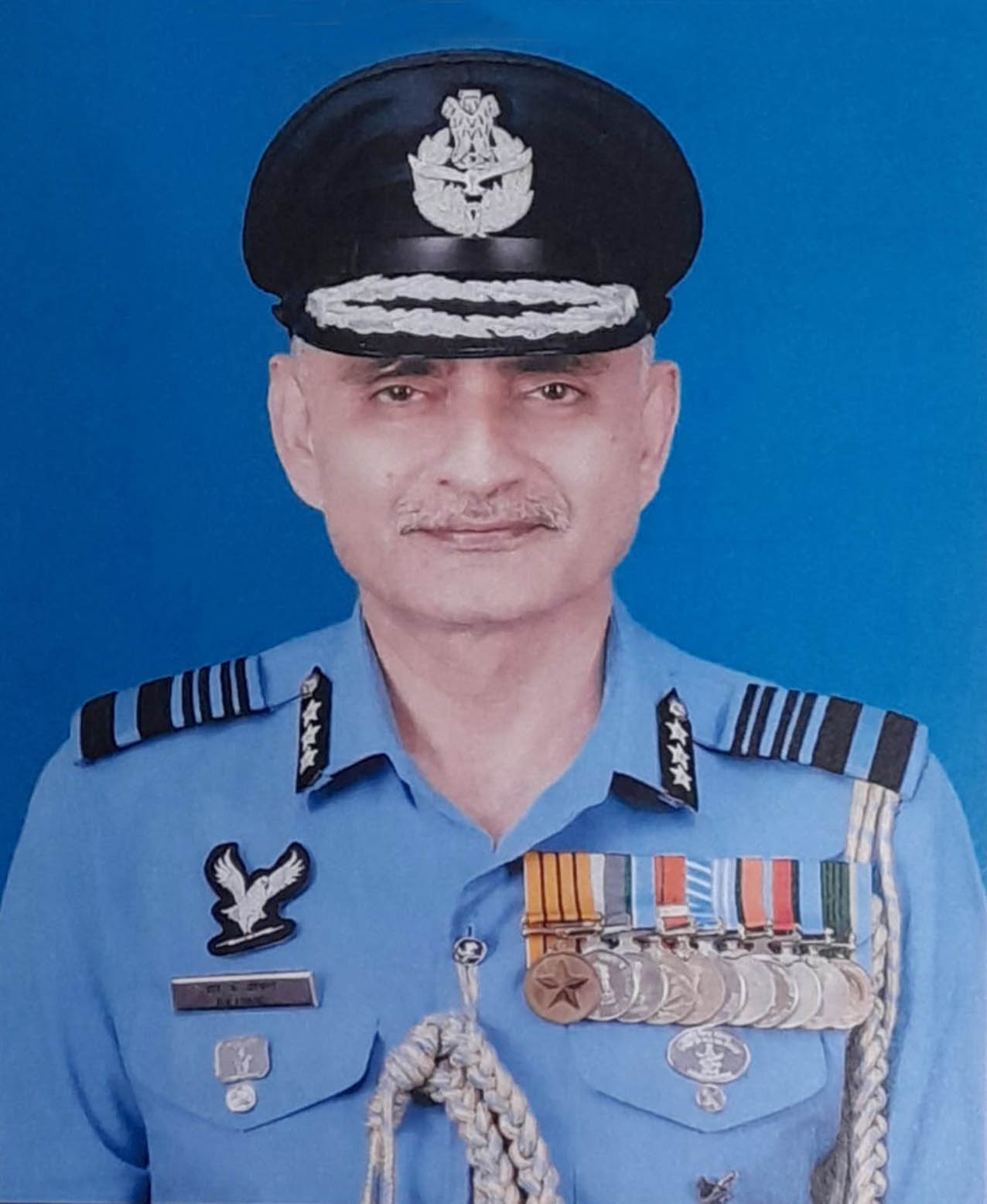
    New Delhi, 1st June 2023. Air Marshal Rajesh Kumar Anand, Vishisht Seva Medal took over as Air  Officer-in-Charge Administration (AOA) on 1 June 2023. An alumnus of National Defence Academy, the Air Marshal was commissioned in Administrative Branch of the Indian Air Force as an Air Traffic Controller on 13 June 1987. He has undergone the Higher Air Command Course from College of Air Warfare and Area Control Course from the Singapore Aviation Academy.
    In a career spanning over 36 years, the Air Marshal has held various field and staff appointments. Prior to his present appointment, he was Director General (Administration) at Air Headquarters, New Delhi.

    For his distinguished service, he was awarded Vishisht Seva Medal in January 2022 by the President of India.

  • IAF’s Logistics Seminar-LOGISEM 23 Held

    IAF’s Logistics Seminar-LOGISEM 23 Held

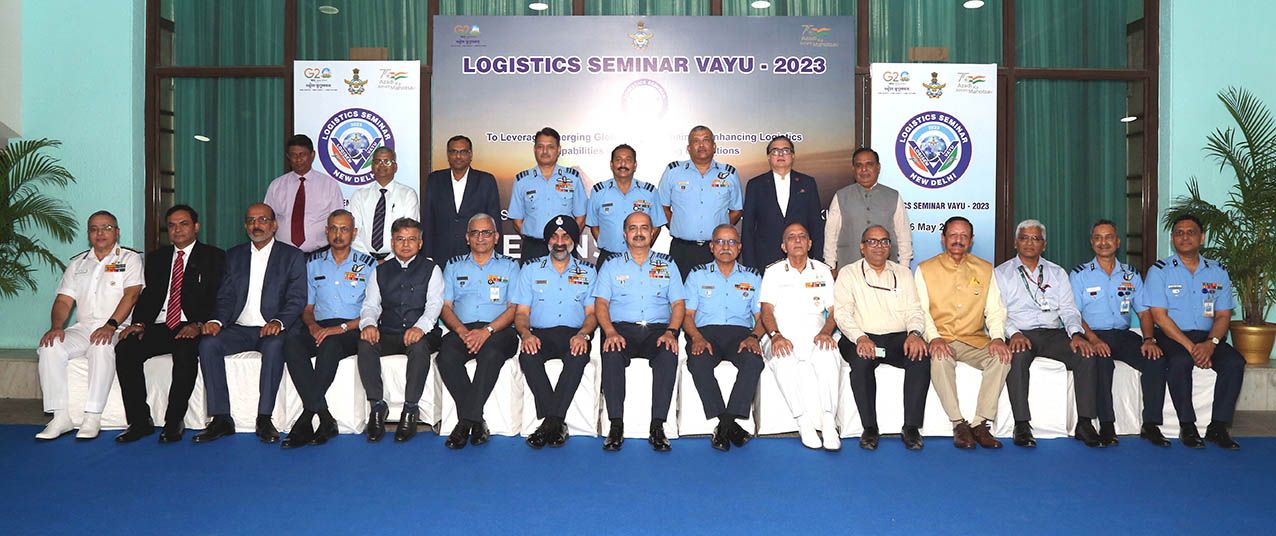
    New Delhi, 16th May 2023. National Logistics Management Seminar, LOGISEM – 23, on the theme ‘Leverage Emerging Global Supply Chain to Enhance Logistics Capabilities While Absorbing Disruptions’, was held on May 16 at AF Auditorium, New Delhi. Air Chief Marshal VR Chaudhari, Chief of the Air Staff inaugurated the Seminar and delivered the key-note address.

    In his address Chief of the Air Staff said “Global supply chains have become increasingly complex and interconnected, driven by the manuscripts of international trade and advances in technology. The defence sector is not an exception to this trend. The IAF relies heavily on global supply chains for delivery of critical components, equipment and services to maintain its combat potential at optimum level. In recent times the world has witnessed multiple and varied disruptions like COVID-19 pandemic, Russia-Ukraine conflict, trade barriers, tariff wars, environmental compliance policies. Such events have highlighted the vulnerability of supply chains to disruptions”. He further said that “to mitigate such disruptions leveraging emerging trends such as digitisation, automation and data analytics should be exploited to enhance IAF logistics capabilities. I am confident that the deliberation, discussions and ideas generated in the Seminar would help to better understand the dynamics of disruptive environment (sic)”.

    During the Seminar, prominent Speakers, over three sessions, deliberated & discussed issues related to the theme of the Seminar. The discussions ranged from future prospects of domestic aviation industry, modern trends in supply chain management & warehousing, and public procurement initiatives through GeM. The Seminar provided an ideal platform for the exchange of ideas between civil and military logisticians and is expected to assist IAF to tailor its supply-chain needs based on modern technologies and global trends. The Seminar was also live streamed pan-IAF.

  • Air Marshal Ashutosh Dixit Takes Over as Deputy Chief of the Air Staff

    Air Marshal Ashutosh Dixit Takes Over as Deputy Chief of the Air Staff

    New Delhi, 15th May 2023. Air Marshal Ashutosh Dixit took over as the Deputy Chief of the Air Staff today. An alumnus of the National Defence Academy, he was Commissioned in the fighter stream on 06 December 1986. He is a graduate of the Staff Course, Bangladesh and National Defence College, New Delhi. The Air Marshal is a Qualified Flying Instructor as well as an Experimental Test pilot, with over 3300 hours of flying experience on fighter, trainer and transport aircraft. He participated in Operation Safed Sagar and Rakshak.
    Air Marshal Dixit commanded a Mirage 2000 Squadron, a frontline fighter base in the Western sector, as well as a premier fighter training base. He has earlier served as Principle Director Air Staff Requirement, Assistant Chief of the Air Staff (Projects) & Assistant Chief of the Air Staff (Plans) at Air Headquarters. The Air Officer has also been the Air Defence Commander of Southern Air Command and was Senior Air Staff Officer, South Western Air Command prior to taking over as the Deputy Chief of the Air Staff.

  • First C295 for India completes its maiden flight

    First C295 for India completes its maiden flight

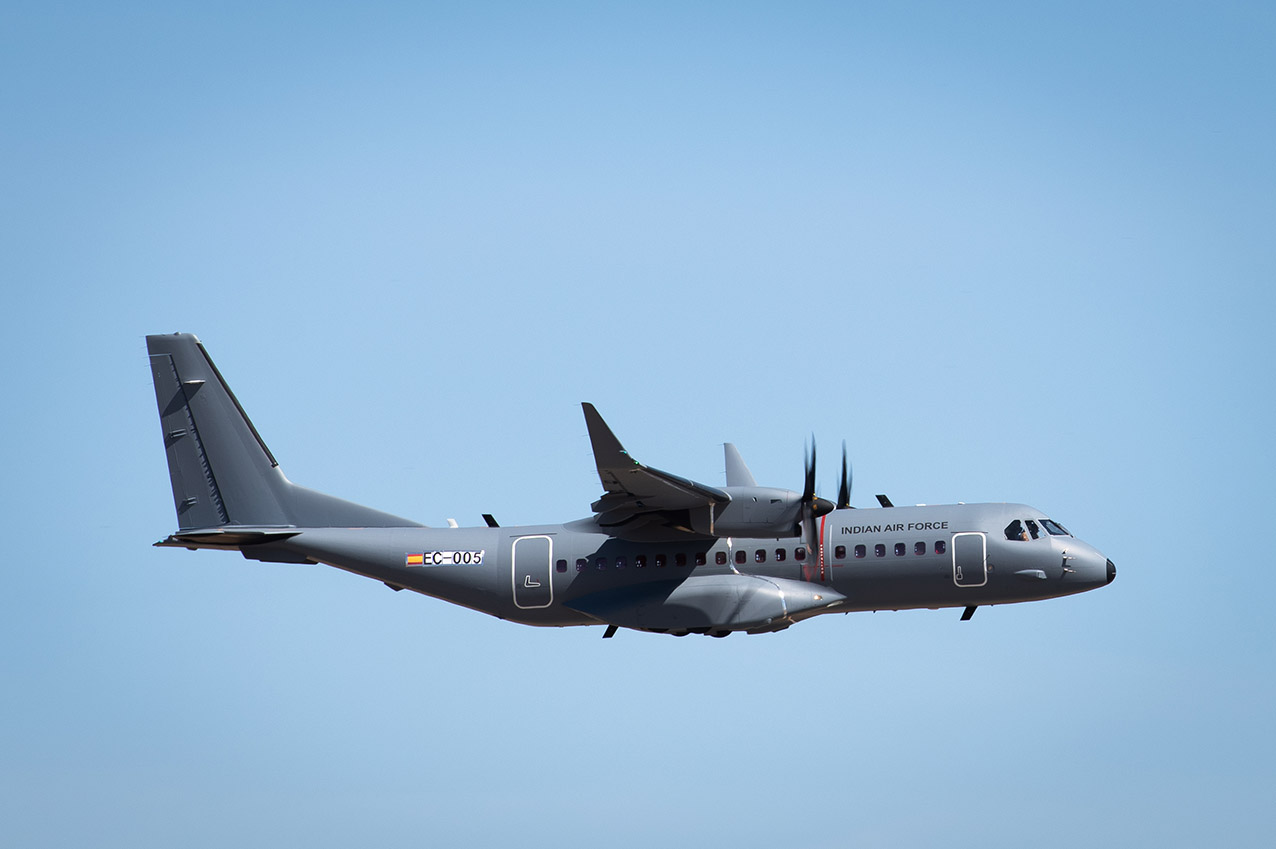
    Seville, 8th May, 2023. The first C295 for India has successfully completed its maiden flight, marking a significant milestone towards its delivery by the second half of 2023. The tactical aircraft took off from Seville, Spain, on the 5 May at 11.45 local time (GMT+1) and landed at 14.45 after 3 hours of flight. 

    “This first flight represents a significant accomplishment for the first Make in India aerospace programme. With the Indian Air Force set to become the largest operator of the C295 in the world, this programme exemplifies our commitment to improve the Indian Air Force (IAF) operational capabilities,” said Jean-Brice Dumont, Head of Military Air Systems at Airbus Defence and Space.

    India acquired 56 C295 aircraft in September 2021 to replace the (IAF) legacy AVRO fleet. The first 16 aircraft will be assembled in Seville, Spain, and delivered to the customer in ‘fly-away’ condition. The following 40 aircraft will be manufactured and assembled by the Tata Advanced Systems (TASL) in India as part of an industrial partnership between the two companies. 

    This programme will significantly contribute to developing the country’s military industrial ecosystem from the manufacturing to assembly, testing, to delivery and maintenance of the complete lifecycle of the aircraft.

    The C295 programme comprises a total of 281 orders from 39 operators, making it an unmatched aircraft in its weight and mission class.

  • Accident of Indian Air Force Mig-21 Aircraft

    Accident of Indian Air Force Mig-21 Aircraft

    File photo of a Mig-21

    New Delhi, 8th May 2023. A MiG-21 fighter aircraft of the Indian Air Force (IAF) crashed on May 8 morning at about 0945 hours. The aircraft had got airborne for a routine operational training sortie from the Air Force Station at Suratgarh. Soon thereafter, the pilot experienced an onboard emergency, following which he attempted to recover the aircraft as per existing procedures. Having failed to do so, he initiated an ejection, sustaining minor injuries in the process. The pilot was recovered from about 25 kilometres North East of Suratgarh base.

    The aircraft wreckage fell on a house in Bahlol Nagar in Hanumangarh District, unfortunately leading to the loss of three lives. The IAF regrets the loss of lives and offers its deepest condolences to the bereaved families. A Court of Inquiry has been constituted to ascertain the cause of the accident