Category: War

  • Trump to Leave G7 Summit Early Amid of Fear Of Narendra Modi

    Trump to Leave G7 Summit Early Amid of Fear Of Narendra Modi

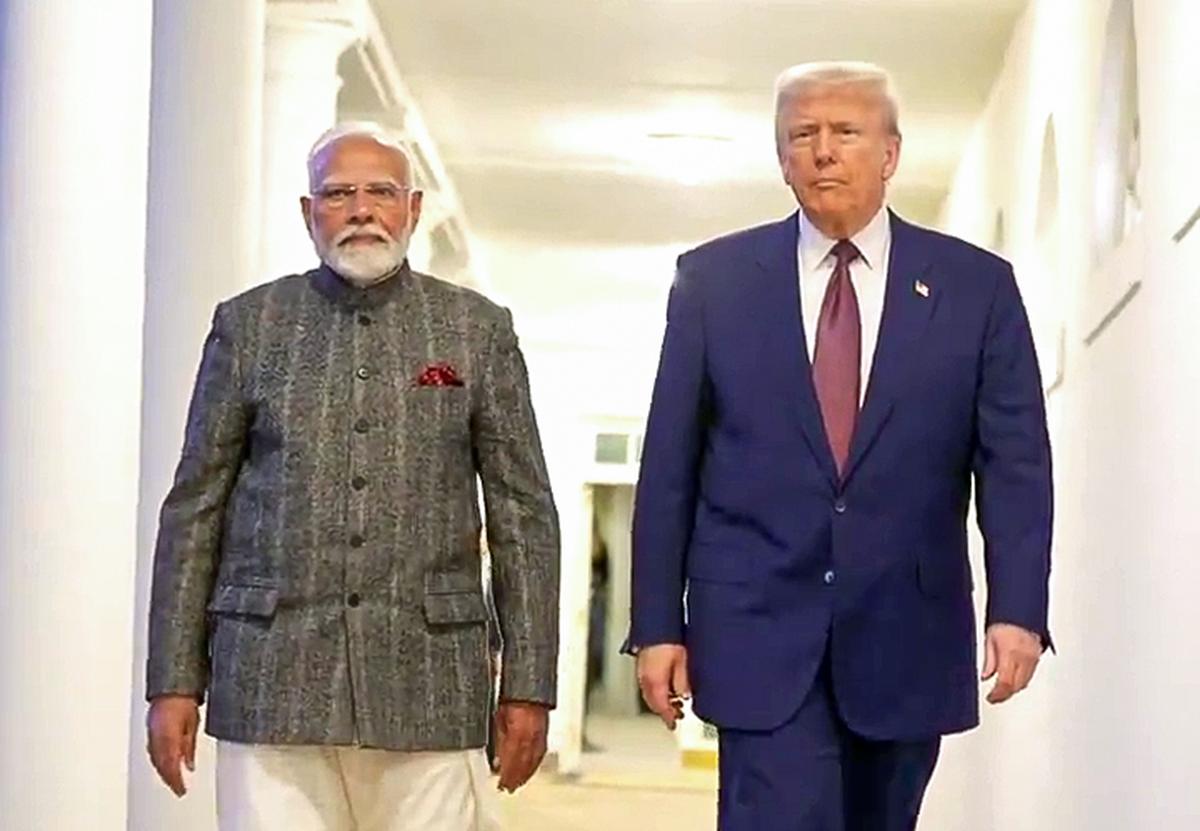
    Kananaskis, Canada, June 17, 2025 U.S. President Donald Trump abruptly departed the G7 Summit in Kananaskis, Alberta, a day earlier than planned, citing the escalating Israel-Iran conflict as the primary reason for his return to Washington. However, posts on X and regional media have fueled speculation that Trump’s early exit was motivated by a fear to face-to-face meeting with Indian Prime Minister Narendra Modi, who arrived in Calgary on Monday evening to attend the summit’s outreach session.

    The White House, through Press Secretary Karoline Leavitt, confirmed Trump’s departure on Monday night after a dinner with G7 leaders, stating, “Much was accomplished, but because of what’s going on in the Middle East, President Trump will be leaving tonight.” Trump had been scheduled to meet Ukrainian President Volodymyr Zelenskyy and Mexican President Claudia Sheinbaum on Tuesday, but these engagements were canceled. The president’s decision followed his controversial Truth Social post urging Tehran’s 10 million residents to “immediately evacuate” amid Israel’s ongoing strikes on Iran’s nuclear and military infrastructure.

    Social media platforms, particularly X, have been abuzz with unverified claims suggesting Trump’s exit was strategically timed to avoid Modi. Posts allege that Trump was wary of confronting Modi over recent U.S. statements on India-Pakistan tensions and his push for a ceasefire in the Israel-Iran conflict, which New Delhi has not endorsed. One user claimed, “Trump can’t face Modi after his ceasefire shenanigans which have no takers in New Delhi,” while another suggested Trump feared Modi’s “loser face” after diplomatic disagreements. These claims remain unconfirmed, and no official statements from the White House or Indian government support the narrative of personal or diplomatic friction between the leaders.

    The G7 Summit, hosted by Canadian Prime Minister Mark Carney, was overshadowed by the Israel-Iran conflict, with discussions on trade, Ukraine, and energy security taking a backseat. Modi, attending as a guest alongside leaders from Mexico, Ukraine, and others, was set to address global issues like energy security and the priorities of the Global South. His arrival in Canada, however, sparked protests in Calgary by members of the Indian diaspora, particularly supporters of the Khalistan movement, who displayed flags and effigies criticizing Modi’s government.

    Trump’s early departure has drawn mixed reactions. Some G7 leaders, including French President Emmanuel Macron and German Chancellor Friedrich Merz, expressed frustration over the lack of unity, particularly after Trump refused to sign a joint statement urging de-escalation in the Israel-Iran conflict. Macron noted that Trump had floated a ceasefire proposal, but the U.S. president’s absence hindered consensus. Meanwhile, Trump’s supporters argue his focus on the Middle East crisis, where Israel’s “Operation Rising Lion” has killed 224 in Iran and Iran’s “Operation True Promise 3” has caused 24 deaths in Israel, justifies his exit.

    Despite the speculation, Trump and Modi share a history of cordial relations, with Trump previously inviting Modi to a G7 Summit in 2020 and describing their ties as “exceptional.” The Indian Ministry of External Affairs emphasized Modi’s agenda in Canada, stating he would engage with G7 leaders on critical global issues, with no mention of a planned bilateral meeting with Trump.

    As the G7 continues without Trump, the remaining leaders are working to salvage discussions, with Modi expected to hold bilateral talks with Carney, Zelenskyy, and German Chancellor Merz. The unverified claims circulating on X highlight the polarized sentiment around Trump’s exit, but the official narrative remains centered on the Middle East crisis as the driving factor. Whether Trump’s departure was influenced by Modi’s presence or purely by geopolitical priorities remains a matter of speculation, with no concrete evidence supporting the former.
  • Pakistan Rejects Iran’s Claim of Nuclear Pact Against Israel

    Pakistan Rejects Iran’s Claim of Nuclear Pact Against Israel

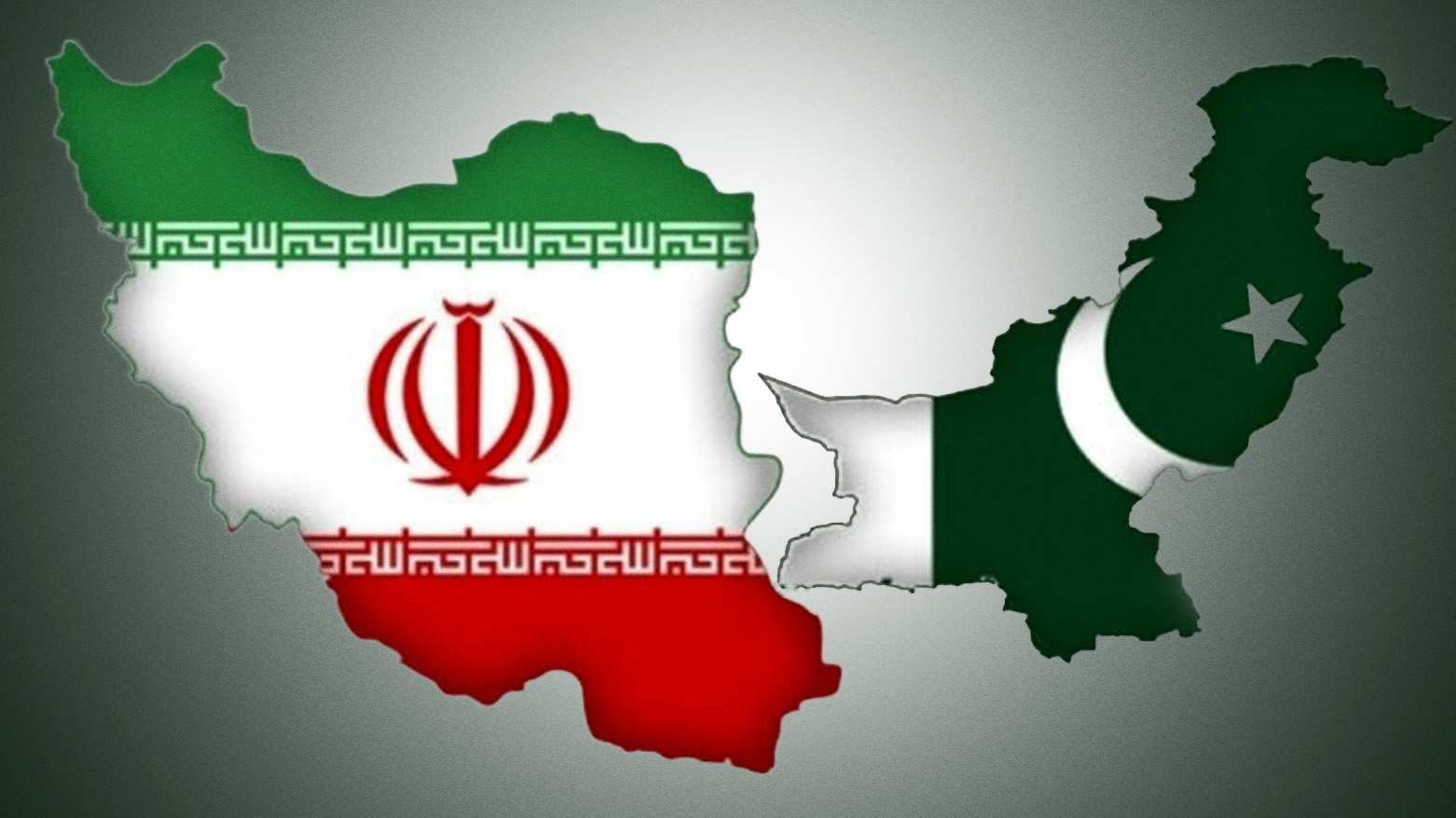
    Pakistan has categorically dismissed claims by a senior Iranian Revolutionary Guard Corps (IRGC) commander that the two nations had agreed to a nuclear pact to counter Israel amid the ongoing Israel-Iran conflict. The assertion, made by IRGC Aerospace Force Commander Amir Ali Hajizadeh on Monday, suggested Pakistan would support Iran with nuclear capabilities in response to Israel’s “Operation Rising Lion,” which targeted Iran’s military and nuclear sites. Pakistan’s swift rebuttal underscores its intent to maintain neutrality in the escalating West Asian crisis.

    Defence Minister Khawaja Asif, addressing the claim on X, stated, “Pakistan has made no such commitment. Our nuclear capability is solely for the defence of our people, not for advancing hegemonic policies.” Asif also criticized Israel’s undeclared nuclear arsenal, warning of its “catastrophic consequences for the region.” The Foreign Office echoed this stance, emphasizing Pakistan’s policy of non-interference and calling for de-escalation to prevent further destabilization.

    The controversy arises as Iran faces intensified Israeli strikes, with Tehran retaliating through “Operation True Promise 3,” involving missile and drone attacks. Iran’s claim of a nuclear pact with Pakistan appears to be an attempt to project strength amid domestic pressure and significant casualties—224 reported deaths in Iran compared to 24 in Israel. However, analysts suggest the statement may also reflect Iran’s frustration with Pakistan’s cautious diplomacy, as Islamabad balances ties with Iran, Saudi Arabia, and Western powers.

    Pakistan’s nuclear arsenal, estimated at 170 warheads, is a cornerstone of its defence policy, primarily aimed at deterring India. Experts, including Michael Kugelman of the Wilson Center, argue that Pakistan would avoid entanglement in the Israel-Iran conflict due to its economic dependence on Gulf states like Saudi Arabia, a key rival of Iran. “Pakistan’s nuclear program is for strategic deterrence, not for lending to others,” Kugelman noted.

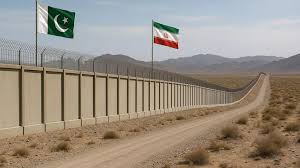
    The rejection comes amid Pakistan’s closure of border crossings with Iran, including Taftan and Gabd-Rimdan, due to security concerns. The Foreign Office has activated a Crisis Management Unit to evacuate Pakistani nationals, including 450 pilgrims and 200 students, from Iran and Iraq. While expressing “moral and diplomatic solidarity” with Iran, Pakistan has urged all parties to pursue dialogue to avert a broader conflict that could disrupt regional trade and energy supplies, particularly through the Strait of Hormuz.

    As tensions persist, Pakistan’s firm denial of Iran’s claim reinforces its commitment to strategic autonomy, even as it navigates the complex geopolitics of a volatile region.

  • Israel-Iran War: Pakistan shuts border crossings with Iran

    Israel-Iran War: Pakistan shuts border crossings with Iran

    Pakistan has indefinitely closed all border crossings with Iran, citing security concerns amid the escalating conflict between Israel and Iran, now in its fifth day. The decision, announced by provincial authorities in Balochistan, affects key crossing points in Chaghi, Washuk, Panjgur, Kech, and Gwadar districts, including the critical Taftan and Gabd-Rimdan crossings, which facilitate cross-border trade and travel. The move follows Iran’s closure of its side of the border and comes as Israel’s “Operation Rising Lion” and Iran’s “Operation True Promise 3” intensify, raising fears of regional instability.

    According to Qadir Bakhsh Pirkani, a senior official in Balochistan, “Border facilities in all five districts have been suspended until further notice due to the volatile situation created by Israel’s strikes.” While pedestrian and vehicular movement into Iran has been halted, limited trade activities continue, and Pakistani nationals, including an estimated 200 students, are being allowed to return from Iran. On Sunday, Foreign Minister Ishaq Dar confirmed the evacuation of 450 Pakistani pilgrims from Iran, with additional evacuations planned from Iran and Iraq, home to sacred Shiite sites.

    The border closure threatens to disrupt local economies in Balochistan, where districts like Turbat, Gwadar, and Panjgur rely heavily on Iranian food supplies and smuggled oil. Residents, such as Basham Baloch from Gwadar, expressed concerns to Anadolu Agency about potential shortages, stating, “If the border remains closed for weeks, we could face serious oil and food shortages.” Balochistan’s government spokesman, Shahid Rind, downplayed immediate fuel scarcity claims, asserting that most petrol pumps in Quetta remain operational, but locals report rising prices and supply chain disruptions.

    Pakistan’s decision reflects its delicate balancing act in the region. While expressing “moral and diplomatic solidarity” with Iran against Israeli strikes, Islamabad has denied claims by an Iranian Revolutionary Guard Corps commander that Pakistan would support Tehran militarily, including with nuclear retaliation. Defence Minister Khawaja Asif clarified on X, “Pakistan has made no such commitment. Our nuclear capability is for the defence of our people, not for hegemonic policies.” Asif also criticized Israel’s undeclared nuclear arsenal, warning of its “catastrophic consequences.”

    The closure impacts bilateral trade, valued at $3 billion annually, with ambitions to reach $10 billion. Iran supplies 100 megawatts of electricity to Balochistan’s border towns, and disruptions could exacerbate local challenges. Pakistan’s Foreign Office has activated a 24/7 Crisis Management Unit to assist nationals, urging pilgrims to reconsider travel to Iran and Iraq. As the Israel-Iran conflict rages, Pakistan’s border shutdown underscores its cautious stance, prioritizing citizen safety and regional stability while navigating complex ties with Iran and Saudi Arabia.

  • Indians Evacuated from Tehran as Iran-Israel Tensions Escalate

    Indians Evacuated from Tehran as Iran-Israel Tensions Escalate

    New Delhi, June 17, 2025 – In a swift response to the escalating conflict between Iran and Israel, India has initiated the evacuation of its citizens from Tehran, prioritizing the safety of approximately 10,000 Indian nationals, including 6,000 students, residing in Iran. The Ministry of External Affairs (MEA) announced on Tuesday that Indian students in Tehran have been relocated to safer locations, with many facilitated to cross into Armenia via land routes due to Iran’s sealed airspace.
    The Indian Embassy in Tehran has been actively coordinating with local authorities and universities, including Tehran University of Medical Sciences, Shahid Beheshti University, and Urmia Medical University, to ensure the safe movement of students. A batch of 110 students from Urmia Medical University crossed the Armenian border on Monday evening, with a flight to New Delhi scheduled for Wednesday. Additionally, around 600 students from Tehran have been bussed to Qom, a city 140 kilometers south of the capital, identified as a safer location.
    The evacuation efforts come amid intensified hostilities, now in their fifth day, following Israel’s “Operation Rising Lion,” launched on June 13 to target Iran’s nuclear facilities. Iran retaliated with “Operation True Promise 3,” firing missiles and drones at Israeli targets, resulting in significant casualties—224 reported deaths in Iran and 24 in Israel. The conflict has triggered widespread panic in Tehran, with Israeli warnings urging residents, including 300,000 in central districts, to evacuate immediately.
    The Indian Embassy issued an urgent advisory, urging all Indian nationals and Persons of Indian Origin (PIOs) in Tehran to contact the embassy and move to safer areas if possible. Emergency helplines (+98 901044557, +98 9128109115, +98 9128109109) and a 24×7 control room have been established to assist citizens. External Affairs Minister Dr. S. Jaishankar has engaged with regional counterparts, including Armenia’s Foreign Minister, to facilitate safe passage.
    Reports indicate that five Indian students sustained injuries in recent Israeli strikes, amplifying anxiety among the Indian community. Students like Imtisal Mohidin, a third-year MBBS student at Shahid Beheshti University, described living in fear, with explosions occurring near hostels. “We trust in India’s power and really want to be evacuated,” Mohidin told media outlets.
    The operation marks one of India’s largest evacuation efforts in Iran, drawing comparisons to previous missions like Operation Ajay (Israel-Hamas conflict, 2023) and Operation Kaveri (Sudan, 2023). With contingency plans exploring additional border crossings, New Delhi is bracing for a complex operation to bring its citizens home safely amidst the volatile West Asian crisis.
    [Sources: Business Standard, The Indian Express, News18, The Tribune, India Today]
  • Israel Vs Iran: Comparison Of Armies, Air Forces, And Nuclear Capabilities Of Middle East’s Strongest Nations

    Israel Vs Iran: Comparison Of Armies, Air Forces, And Nuclear Capabilities Of Middle East’s Strongest Nations

    Israel vs Iran Military Power: In the tumultuous landscape of the Middle East, two nations stand out for their military might and strategic importance: Israel and Iran. Both countries boast formidable armies, advanced air forces, and, in the case of Iran, a controversial nuclear program. As regional powers, they play significant roles in shaping the geopolitical dynamics of the region.

    In this blog, we delve into the military capabilities of Israel and Iran, examining the factors that contribute to their power, the technological advancements that define their armed forces, and the strategic considerations that underpin their defense postures. As both countries navigate a delicate equilibrium of deterrence and preparedness, understanding the nuances of their military capabilities becomes imperative for comprehending the broader regional dynamics.

    Israel vs Iran Military Power

    Defense Budget

    Israel’s Defense Budget:

    Defense Budget (2023): 24341.00 USD Million

    Israel, surrounded by a challenging neighborhood and having faced multiple conflicts since its establishment, has consistently invested a significant portion of its GDP in defense. The Israeli Defense Forces (IDF) are renowned for their technological advancements, intelligence capabilities, and agility. Understanding Israel’s defense budget involves delving into its commitment to maintaining qualitative military superiority, innovation in defense technologies, and the capability to swiftly respond to emerging threats.

    Iran’s Defense Budget:

    Defense Budget (2023): 24.6 USD billion

    On the other side of the spectrum, Iran, a regional power with aspirations for influence beyond its borders, allocates substantial resources to its military. The Islamic Republic sees its military strength as a deterrent and a tool for safeguarding its national interests. The examination of Iran’s defense budget involves considering its paramilitary forces, ballistic missile program, and regional proxy networks, shedding light on the multifaceted nature of its military strategy.

    Army Comparison

    Here’s a data table comparing the armies of Israel and Iran based on the information provided:

    Category Israel (IL) Iran (IR)
    Active Personnel 169,500 610,000
    Reserve Personnel 465,000 350,000
    Available for Military Service 1,797,960 23,619,215
    Tanks 1,650 2,842
    Armoured Fighting Vehicles 6,135 3,555
    Total Artillery 1,000 4,873
    Self-Propelled Artillery 650 1,030
    Rocket Artillery 48 1,755

    This table offers a comparison of key military statistics for the armies of Israel and Iran.

    Air Power Comparison

    Here’s a data table comparing the air forces of Israel and Iran:

    Category Israel (IL) Iran (IR)
    Total Aircraft 618 973
    Fighter Aircraft 41 112
    Multirole Aircraft 230 75
    Attack Aircraft 0 23
    Helicopters 128 519
    UCAV (Combat Drones) 15 83

    This table provides an overview of key aircraft categories in the air forces of Israel and Iran.

    Naval Power Comparison

    Here’s a data table summarizing the naval power of Israel and Iran based on the information provided:

    Category Israel (IL) Iran (IR)
    Total Naval Assets 74 272
    Aircraft Carriers 0 0
    Destroyers 0 0
    Frigates 0 6
    Corvettes 7 3
    Submarines 6 19

    This table provides a comparative overview of key naval assets for Israel and Iran.

    Military Service

    Israel:

    • Compulsory military service in Israel begins at 18 years of age for Jews and Druzes.
    • Voluntary military service starts at 17 years of age for Christians, Muslims, and Circassians.
    • Both genders are required to serve in the military.
    • Enlisted men serve for 36 months, enlisted women for 21 months, and officers for 48 months.
    • Pilots commit to 9 years of service.
    • Reserve obligation extends to age 41-51 for men and up to age 24 for women.

    Iran:

    • Compulsory military service in Iran starts at 18 years of age.
    • Volunteers can join at 16 years of age.
    • Law Enforcement Forces enlist at 17 years of age.
    • Basij Forces (Popular Mobilization Army) allow enrollment at 15 years of age.
    • Conscript military service obligation lasts for 18 months.
    • Women are exempt from mandatory military service.

    Israel and Iran War

    The relationship between Iran and Israel has undergone distinct phases:

    Period of Initial Hostility: 1947-1953

    • Iran was an early opponent of the establishment of Israel, voting against its formation in 1947.
    • In 1949, Iran abstained from voting for Israel’s admission to the UN.
    • Despite these initial stances, Iran recognized Israeli sovereignty in 1950, making it the second Muslim-majority nation to do so.

    Period of Cold Peace: 1953-1979

    • After the ascent of the pro-western Mohammad Reza Pahlavi to power as the Shah of Iran in 1953, there was a phase of relative peace in Israel-Iran relations.

    Period After Iranian Revolution: 1979-1990s

    • The Iranian Revolution in 1979 led to the establishment of a theocratic government in Iran.
    • The Supreme Leader, Ayatollah Khomeini, declared Israel as ‘the enemy of Islam.’
    • Diplomatic ties were severed, and embassies were closed down as Iran refused to recognize the legitimacy of Israel.

    These phases reflect the complex and often tumultuous history of relations between Iran and Israel, shaped by geopolitical shifts and ideological changes in both countries.

    Conclusion 

    Comparing the military power of Israel and Iran involves considering various aspects beyond just numbers. Here are some key takeaways:

    Israel’s Strengths:

    • Israel has a highly advanced and technologically sophisticated military, with a focus on quality over quantity.
    • The Israel Defense Forces (IDF) benefit from robust training and coordination.
    • Israel’s air force is well-equipped and includes modern fighter aircraft.
    • The country possesses a substantial number of submarines, which can play a strategic role in maritime security.

    Iran’s Strengths:

    • Iran maintains a large standing military and a significant pool of reserve personnel.
    • Iran has a diverse arsenal of ballistic missiles and rocket artillery.
    • Its air defense capabilities have been developed to counter potential threats.
    • Iran’s military strategy includes asymmetric warfare and a focus on regional influence through proxy groups.

    Key Considerations:

    • Israel’s military is tailored for defense and regional deterrence, with a strong emphasis on rapid response.
    • Iran’s military strategy includes regional influence and supporting allies in conflicts such as Syria and Yemen.
    • Israel has a qualitative edge in technology and training, but Iran has greater numerical strength.
    • The balance of power also depends on regional dynamics, alliances, and diplomatic relations.

    It’s important to note that military power is just one aspect of a country’s overall strength. Both Israel and Iran have unique geopolitical situations, regional interests, and alliances that influence their military postures. Additionally, the ability to effectively project power and the willingness to engage in conflicts are critical factors in assessing military capabilities.

  • Any Act Of Terror Will Be Considered An Act of War: India’s Warning To Pakistan

    Any Act Of Terror Will Be Considered An Act of War: India’s Warning To Pakistan

    New Delhi, May 10, 2025 — In a bold and unprecedented statement, the Indian government has declared that any future terrorist attack on its soil will be considered an “act of war,” promising a swift and decisive response. The announcement, made by the Ministry of Defence, underscores India’s hardening stance against cross-border terrorism and signals a potential shift in its national security policy.

    Speaking at a press conference, Defence Minister Rajnath Singh stated, “India has always exercised restraint in the face of provocation, but our patience must not be mistaken for weakness. Any further terror attack orchestrated or supported from beyond our borders will be treated as an act of war, and India will respond accordingly with the full might of its armed forces.”

    The statement comes amid heightened tensions in the region, following a series of intelligence reports indicating potential threats from terrorist groups allegedly backed by hostile neighboring states. While the government did not name any specific country, analysts suggest the warning is primarily directed at Pakistan, given the history of cross-border militancy in Jammu and Kashmir.

    The Ministry of External Affairs further clarified that India would reserve the right to take preemptive or retaliatory actions, including military strikes, to neutralize threats. “We will not hesitate to act in self-defense to protect our citizens and sovereignty,” a ministry spokesperson said.

    International reactions have been mixed. The United States and several European nations expressed support for India’s right to defend itself but urged restraint to avoid escalation in an already volatile region. Meanwhile, Pakistan’s Foreign Ministry denounced the statement as “provocative” and called for dialogue to address mutual concerns.

    Security experts view the announcement as a significant escalation in India’s counterterrorism strategy. “This is a clear message that India is prepared to raise the costs for any state or non-state actor involved in terrorism,” said Dr. Ankit Sharma, a defense analyst at the Institute for Strategic Studies in New Delhi. “It also puts pressure on the international community to act against terror financing and safe havens.”

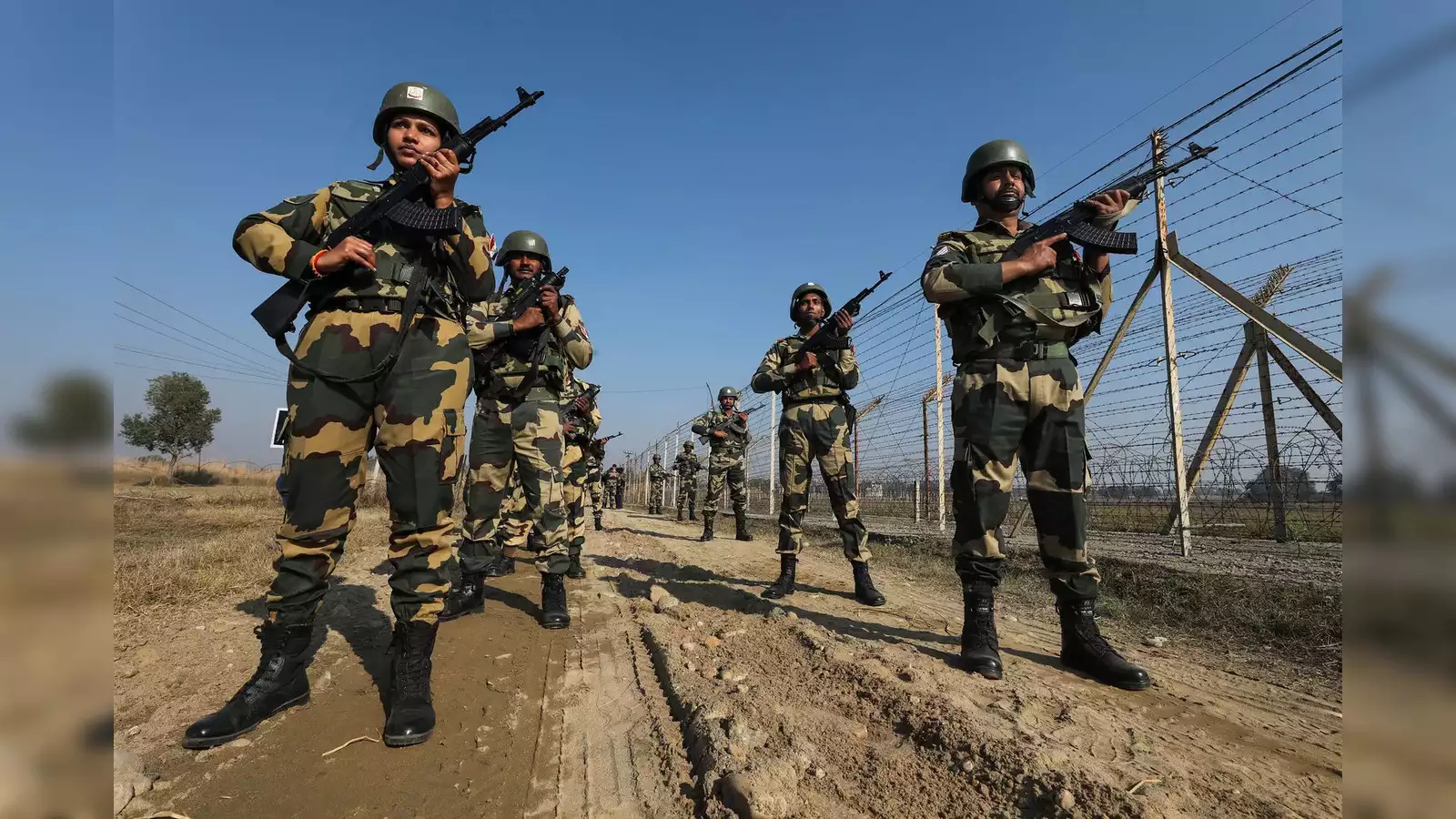
    The Indian armed forces have been placed on high alert, with increased surveillance along the Line of Control (LoC) and international borders. The government has also vowed to strengthen its intelligence-sharing mechanisms with allied nations to preempt potential attacks.

  • BSF Jammu Destroys Terrorist Launch Pad in Looni, Sialkot, Pakistan in Precision Strike

    BSF Jammu Destroys Terrorist Launch Pad in Looni, Sialkot, Pakistan in Precision Strike

    The Border Security Force (BSF) in Jammu has delivered a decisive blow to cross-border terrorism, destroying a terrorist launch pad in Looni, Sialkot district, Pakistan, near the International Border, in a precision strike early Saturday morning. The operation, part of India’s ongoing response to escalating tensions with Pakistan, targeted a key facility used for launching tube-launched drones and coordinating militant infiltrations into Indian territory, according to defense sources.

    The strike follows a series of aggressive Pakistani drone and missile attacks on Indian military and civilian sites, including Jammu, Pathankot, and Udhampur, as part of the broader conflict sparked by the April 22 Pahalgam terror attack that killed 26 civilians. Indian authorities identified the Looni launch pad, located approximately 6-12 km from the border, as a critical hub operated by groups like Jaish-e-Mohammed (JeM) and Hizbul Mujahideen, responsible for recent drone incursions and terrorist activities in Jammu and Kashmir.

    “Acting on precise intelligence, BSF Jammu, in coordination with the Indian Army, neutralized the terrorist infrastructure in Looni, Sialkot, which was actively used to launch drones and facilitate infiltration,” a senior BSF official stated. The operation involved advanced counter-drone technology and artillery fire, ensuring no collateral damage to civilian areas, the official added. Posts on X celebrated the strike, with users like @AdityaRajKaul and @SikkimMedia hailing it as “yet another nail in the coffin of Pakistan” and a “precision strike eliminating a major threat.”

    Pakistan’s military has not officially commented on the Looni strike, but state media earlier claimed that Indian attacks targeted civilian areas, a charge India refutes. The destruction of the launch pad comes amid India’s broader Operation Sindoor, which has seen strikes on nine terrorist camps across Pakistan and Pakistan-occupied Kashmir (PoK), including facilities in Sialkot’s Sarjal and Mehmoona Joya camps, linked to JeM and Hizbul Mujahideen.

    The BSF’s action follows its successful thwarting of a major infiltration bid in Jammu’s Samba district on May 8, where alert personnel neutralized a group of Pakistani militants attempting to cross the border. The Looni strike is seen as a direct response to Pakistan’s persistent use of drone technology to drop arms, ammunition, and narcotics, as well as to facilitate terrorist crossings, with Sialkot’s proximity to the border making it a hotspot for such activities.

    Indian Foreign Secretary Vikram Misri, briefing the UN Security Council, reiterated that India’s actions are “focused, measured, and non-escalatory,” targeting only terrorist infrastructure. However, Pakistan’s convening of its National Command Authority, chaired by Prime Minister Shehbaz Sharif, has raised global concerns about nuclear escalation, with Sharif labeling Indian strikes “cowardly.” The G7 and UN have called for restraint, warning of a “nuclear flashpoint.”

    On the ground, Jammu remains on high alert, with surface-to-air missile systems activated and civilian flight operations suspended at 32 airports, including Jammu and Srinagar. Residents in border areas reported hearing explosions, with authorities enforcing blackouts and urging people to stay indoors. Jammu and Kashmir Chief Minister Omar Abdullah condemned Pakistan’s actions, criticizing the International Monetary Fund for disbursing funds to Pakistan amid the conflict, which he claimed fuels its military aggression.

    The destruction of the Looni launch pad marks a significant setback for Pakistan-based terrorist networks, but analysts warn that the tit-for-tat strikes risk further escalation. “India’s precision strikes are effective, but Pakistan’s nuclear signaling is a dangerous wildcard,” said a New Delhi-based security expert. As both nations remain locked in a volatile standoff, the international community continues to press for dialogue to prevent a broader regional conflict.

  • G7 Urges Immediate Restraint as India-Pakistan Conflict Risks Nuclear Flashpoint

    G7 Urges Immediate Restraint as India-Pakistan Conflict Risks Nuclear Flashpoint

    The Group of Seven (G7) nations issued an urgent call for restraint on Saturday, warning that the escalating conflict between India and Pakistan risks spiraling into a nuclear catastrophe. The statement, released after an emergency virtual meeting of G7 foreign ministers, comes as both nuclear-armed nations intensify military operations, with India’s Air Force striking Pakistani air bases and Pakistan convening its National Command Authority (NCA) to discuss nuclear readiness.

    G7 table flags, 3d render. Flags of Group of Seven around podium, countries: Canada, France, Germany, Italy, Japan, the United Kingdom, USA.

    The G7, comprising the United States, Canada, France, Germany, Italy, Japan, and the United Kingdom, expressed “grave concern” over the rapidly deteriorating situation, which has seen heavy exchanges of missile and drone strikes since a deadly April 22 attack in India-administered Kashmir killed 26 civilians. India accuses Pakistan of orchestrating the attack, a charge Islamabad denies, prompting India’s Operation Sindoor, which obliterated key Pakistani air bases, including Nur Khan in Rawalpindi and Rafiqi in Shorkot, according to Indian defense sources. Pakistan retaliated with Operation Bunyan-un-Marsoos, targeting Indian military sites and claiming to have downed Indian jets.

    “We urge India and Pakistan to exercise maximum restraint, cease all military actions, and engage in direct dialogue to prevent a catastrophic escalation,” the G7 statement read. “The risk of miscalculation between two nuclear-armed states threatens not only regional but global stability.” The group called for an immediate ceasefire and offered to facilitate diplomatic talks, though no concrete mediation plan was outlined.

    The G7’s warning follows reports of significant civilian casualties, with Pakistan alleging Indian strikes killed dozens in Pakistan-administered Kashmir, while India claims Pakistani shelling in Jammu and Poonch claimed 15 civilian lives. Posts on X reflect global alarm, with users describing the situation as “a nuclear powder keg” and criticizing the lack of decisive international intervention. Others noted Pakistan’s NCA meeting, chaired by Prime Minister Shehbaz Sharif, as a signal of heightened nuclear alertness, with some calling it “terrifying posturing.”

    U.S. Secretary of State Marco Rubio, representing the G7’s lead voice, held separate calls with Indian Foreign Secretary Vikram Misri and Pakistani Foreign Minister Ishaq Dar, pressing both sides to de-escalate. However, U.S. influence appears limited, with sources citing President Donald Trump’s reported dismissal of the conflict as “not our problem,” according to NPR. France and Germany echoed the G7’s concerns, with French Foreign Minister Jean-Noël Barrot warning that “a single misstep could unleash unimaginable consequences.”

    India’s Ministry of External Affairs responded cautiously, asserting that its strikes targeted “terrorist infrastructure” and were a direct response to Pakistan’s alleged support for groups like Jaish-e-Mohammed. Pakistan’s Foreign Ministry, in turn, condemned India’s “unprovoked aggression” and defended its retaliatory strikes as “self-defense,” while denying civilian targeting.

    The United Nations, in a parallel statement, called for an emergency session of the Security Council to address the crisis, with Secretary-General António Guterres urging both nations to respect international humanitarian law. Meanwhile, commercial airlines have rerouted flights to avoid Pakistani and Indian airspace, and border regions in Kashmir report mass evacuations amid relentless artillery fire.

    Analysts warn that the G7’s call, while significant, may fall short without robust mediation. “The G7’s words are strong, but both India and Pakistan are entrenched,” said a South Asia expert at the Brookings Institution. “Without a clear de-escalation mechanism, the nuclear risk grows by the hour.” As global attention remains riveted on the region, the international community faces mounting pressure to prevent a conflict that could redefine the global security landscape.

  • India Destroys Pakistani Air Bases! COMPLETE DOMINATION BY IAF!

    India Destroys Pakistani Air Bases! COMPLETE DOMINATION BY IAF!

    The Indian Air Force (IAF) has delivered a stunning blow to Pakistan’s military infrastructure, targeting and severely damaging multiple air bases in a meticulously executed operation on Saturday morning. Sources confirm that the IAF’s strikes hit key Pakistani Air Force (PAF) facilities, including Nur Khan Airbase in Rawalpindi, PAF Rafiqi Air Base in Shorkot, Murid Air Base in Chakwal, and drone launchpad sites, significantly disrupting Pakistan’s air defense capabilities. The operation, an extension of India’s “Operation Sindoor,” is being hailed as a demonstration of the IAF’s unmatched dominance in the region.

    The strikes come amid escalating tensions following a terrorist attack on April 22 in India-administered Kashmir, which killed 26 civilians, mostly tourists. India has accused Pakistan of supporting the attack, a charge Islamabad denies. According to Indian defense sources, the IAF deployed advanced Rafale jets, armed with precision-guided SCALP missiles and AASM Hammer glide bombs, to neutralize strategic targets. Posts on X and reports from India Today indicate that India also destroyed Pakistani air defense systems and drone launch facilities, further crippling Pakistan’s ability to respond.

    Pakistan’s military, however, claims that all PAF assets remain safe, with Director General Inter-Services Public Relations (DG ISPR) asserting that Indian missiles failed to cause significant damage. Despite these claims, visuals verified by The Washington Post and other outlets show debris consistent with Indian fighter jets, suggesting Pakistan may have downed some IAF aircraft during earlier engagements on May 7. India has not confirmed these losses, maintaining that its strikes were “focused and measured” to avoid civilian casualties.

    Indian Foreign Secretary Vikram Misri described the operation as a necessary response to Pakistan’s alleged support for terrorist groups like Jaish-e-Mohammed and Lashkar-e-Taiba. “India will not tolerate threats to its sovereignty,” Misri said in a press briefing. The strikes targeted nine locations, including militant camps in Pakistan-administered Kashmir and Punjab province, with no Pakistani military facilities directly hit, according to India’s Ministry of Defense.

    The operation has sparked mixed reactions. On X, Indian users celebrated the IAF’s prowess, with posts declaring “Jai Hind” and praising the strikes as a decisive blow to Pakistan’s military. Others expressed concern over the risk of escalation, noting Pakistan’s retaliatory operation, “Bunyan al-Marsus,” launched on Saturday, which targeted Indian military sites, including a missile storage facility in northern India. International leaders, including the G7 and U.S. Secretary of State Marco Rubio, have urged both nations to exercise restraint and pursue dialogue to prevent a full-scale conflict.

    Analysts warn that the destruction of Pakistani air bases, if confirmed, could shift the regional power balance, with India’s advanced weaponry and strategic planning outmatching Pakistan’s defenses. However, Pakistan’s reported use of Chinese-made J-10 jets to down Indian aircraft earlier in the week suggests a resilient counter-capability. As both nations exchange accusations of drone and missile attacks, the situation remains volatile, with commercial airlines avoiding Pakistani airspace and civilians on both sides bracing for further hostilities.

    The IAF’s operation underscores India’s resolve to counter perceived threats, but the specter of nuclear escalation looms large. As Prime Minister Shehbaz Sharif convenes Pakistan’s National Command Authority to discuss its nuclear arsenal, the world watches anxiously, hoping diplomacy can avert a broader catastrophe.

  • Pakistan PM Shehbaz Sharif Convenes Emergency National Command Authority Meeting Amid Escalating Tensions

    Pakistan PM Shehbaz Sharif Convenes Emergency National Command Authority Meeting Amid Escalating Tensions

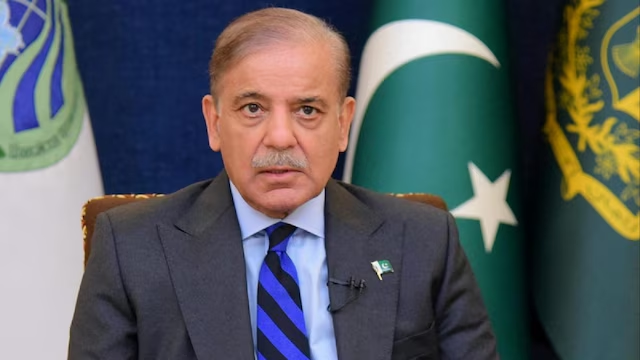
    Pakistani Prime Minister Shehbaz Sharif has called an urgent meeting of the National Command Authority (NCA), the country’s apex body responsible for overseeing its nuclear arsenal, as tensions with neighboring India reach a critical point. The announcement, made early Saturday, follows a series of military engagements between the two nuclear-armed nations, raising global concerns about the potential for further escalation.

    According to state broadcaster PTV and military officials, the NCA meeting is set to discuss Pakistan’s strategic response to recent Indian missile and drone strikes, which Pakistan claims targeted its air bases and civilian infrastructure. The Pakistani military has reported launching retaliatory strikes under Operation Bunyan-un-Marsoos, targeting Indian military sites, including airbases and a missile storage facility. The operation was described as a response to Indian attacks that killed dozens in Pakistan and Pakistan-administered Kashmir earlier this week.

    The NCA, chaired by the Prime Minister and comprising top civilian and military leaders, holds the authority to make decisions regarding the deployment and use of Pakistan’s nuclear weapons. The convening of this meeting has sparked alarm, with analysts interpreting it as a signal of heightened readiness amid the ongoing conflict. “This is a significant escalation,” said a security expert based in Islamabad, speaking on condition of anonymity. “The NCA meeting underscores the gravity of the situation and Pakistan’s intent to keep all options on the table.”

    The current hostilities trace back to a deadly attack in India-administered Kashmir on April 22, which killed 26 people, mostly tourists. India accused Pakistan of orchestrating the attack, a charge Islamabad denies. Since then, both nations have engaged in tit-for-tat strikes, with India claiming to have targeted “terrorist infrastructure” and Pakistan alleging civilian casualties from Indian aggression. On Saturday, Pakistan reported neutralizing Indian military targets, while India claimed to have repelled Pakistani drone and missile attacks.

    International leaders have urged restraint, with the Group of Seven (G7) calling for direct dialogue between the two nations. U.S. Secretary of State Marco Rubio held separate talks with Pakistani and Indian officials, pressing for de-escalation. However, posts on X reflect public anxiety, with some users describing the NCA meeting as “insane escalation” and others accusing Pakistan of “sabre-rattling” to draw global attention.

    Former Pakistani Prime Minister Nawaz Sharif, brother of Shehbaz Sharif, has reportedly advised a diplomatic approach to defuse the crisis, according to local media. Meanwhile, Pakistan’s Deputy Prime Minister and Foreign Minister Ishaq Dar emphasized that the country has exercised “maximum restraint” to preserve regional peace.

    As the NCA meeting unfolds, the international community watches closely, aware that any miscalculation between these nuclear powers could have catastrophic consequences. Both nations have been urged to prioritize dialogue to prevent further loss of life and avert a broader conflict.