Category: World

  • Trump to Leave G7 Summit Early Amid of Fear Of Narendra Modi

    Trump to Leave G7 Summit Early Amid of Fear Of Narendra Modi

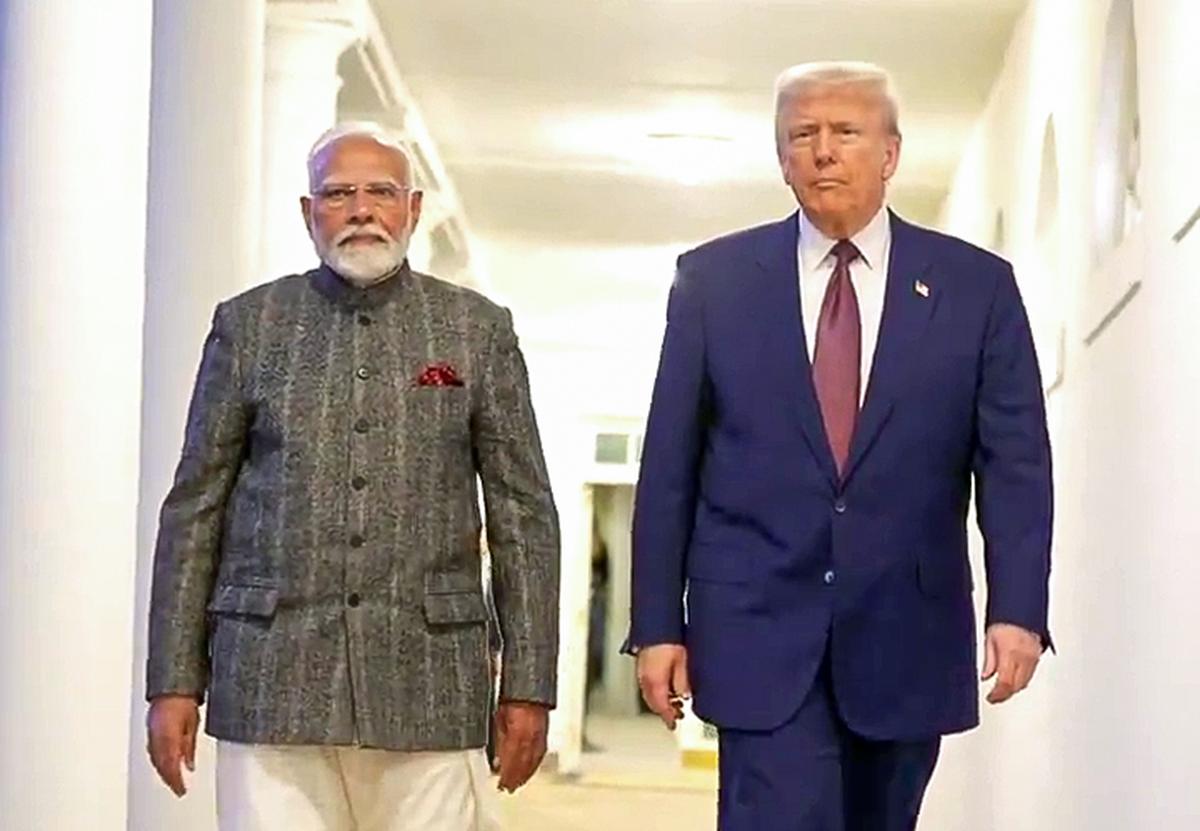
    Kananaskis, Canada, June 17, 2025 U.S. President Donald Trump abruptly departed the G7 Summit in Kananaskis, Alberta, a day earlier than planned, citing the escalating Israel-Iran conflict as the primary reason for his return to Washington. However, posts on X and regional media have fueled speculation that Trump’s early exit was motivated by a fear to face-to-face meeting with Indian Prime Minister Narendra Modi, who arrived in Calgary on Monday evening to attend the summit’s outreach session.

    The White House, through Press Secretary Karoline Leavitt, confirmed Trump’s departure on Monday night after a dinner with G7 leaders, stating, “Much was accomplished, but because of what’s going on in the Middle East, President Trump will be leaving tonight.” Trump had been scheduled to meet Ukrainian President Volodymyr Zelenskyy and Mexican President Claudia Sheinbaum on Tuesday, but these engagements were canceled. The president’s decision followed his controversial Truth Social post urging Tehran’s 10 million residents to “immediately evacuate” amid Israel’s ongoing strikes on Iran’s nuclear and military infrastructure.

    Social media platforms, particularly X, have been abuzz with unverified claims suggesting Trump’s exit was strategically timed to avoid Modi. Posts allege that Trump was wary of confronting Modi over recent U.S. statements on India-Pakistan tensions and his push for a ceasefire in the Israel-Iran conflict, which New Delhi has not endorsed. One user claimed, “Trump can’t face Modi after his ceasefire shenanigans which have no takers in New Delhi,” while another suggested Trump feared Modi’s “loser face” after diplomatic disagreements. These claims remain unconfirmed, and no official statements from the White House or Indian government support the narrative of personal or diplomatic friction between the leaders.

    The G7 Summit, hosted by Canadian Prime Minister Mark Carney, was overshadowed by the Israel-Iran conflict, with discussions on trade, Ukraine, and energy security taking a backseat. Modi, attending as a guest alongside leaders from Mexico, Ukraine, and others, was set to address global issues like energy security and the priorities of the Global South. His arrival in Canada, however, sparked protests in Calgary by members of the Indian diaspora, particularly supporters of the Khalistan movement, who displayed flags and effigies criticizing Modi’s government.

    Trump’s early departure has drawn mixed reactions. Some G7 leaders, including French President Emmanuel Macron and German Chancellor Friedrich Merz, expressed frustration over the lack of unity, particularly after Trump refused to sign a joint statement urging de-escalation in the Israel-Iran conflict. Macron noted that Trump had floated a ceasefire proposal, but the U.S. president’s absence hindered consensus. Meanwhile, Trump’s supporters argue his focus on the Middle East crisis, where Israel’s “Operation Rising Lion” has killed 224 in Iran and Iran’s “Operation True Promise 3” has caused 24 deaths in Israel, justifies his exit.

    Despite the speculation, Trump and Modi share a history of cordial relations, with Trump previously inviting Modi to a G7 Summit in 2020 and describing their ties as “exceptional.” The Indian Ministry of External Affairs emphasized Modi’s agenda in Canada, stating he would engage with G7 leaders on critical global issues, with no mention of a planned bilateral meeting with Trump.

    As the G7 continues without Trump, the remaining leaders are working to salvage discussions, with Modi expected to hold bilateral talks with Carney, Zelenskyy, and German Chancellor Merz. The unverified claims circulating on X highlight the polarized sentiment around Trump’s exit, but the official narrative remains centered on the Middle East crisis as the driving factor. Whether Trump’s departure was influenced by Modi’s presence or purely by geopolitical priorities remains a matter of speculation, with no concrete evidence supporting the former.
  • Pakistan Rejects Iran’s Claim of Nuclear Pact Against Israel

    Pakistan Rejects Iran’s Claim of Nuclear Pact Against Israel

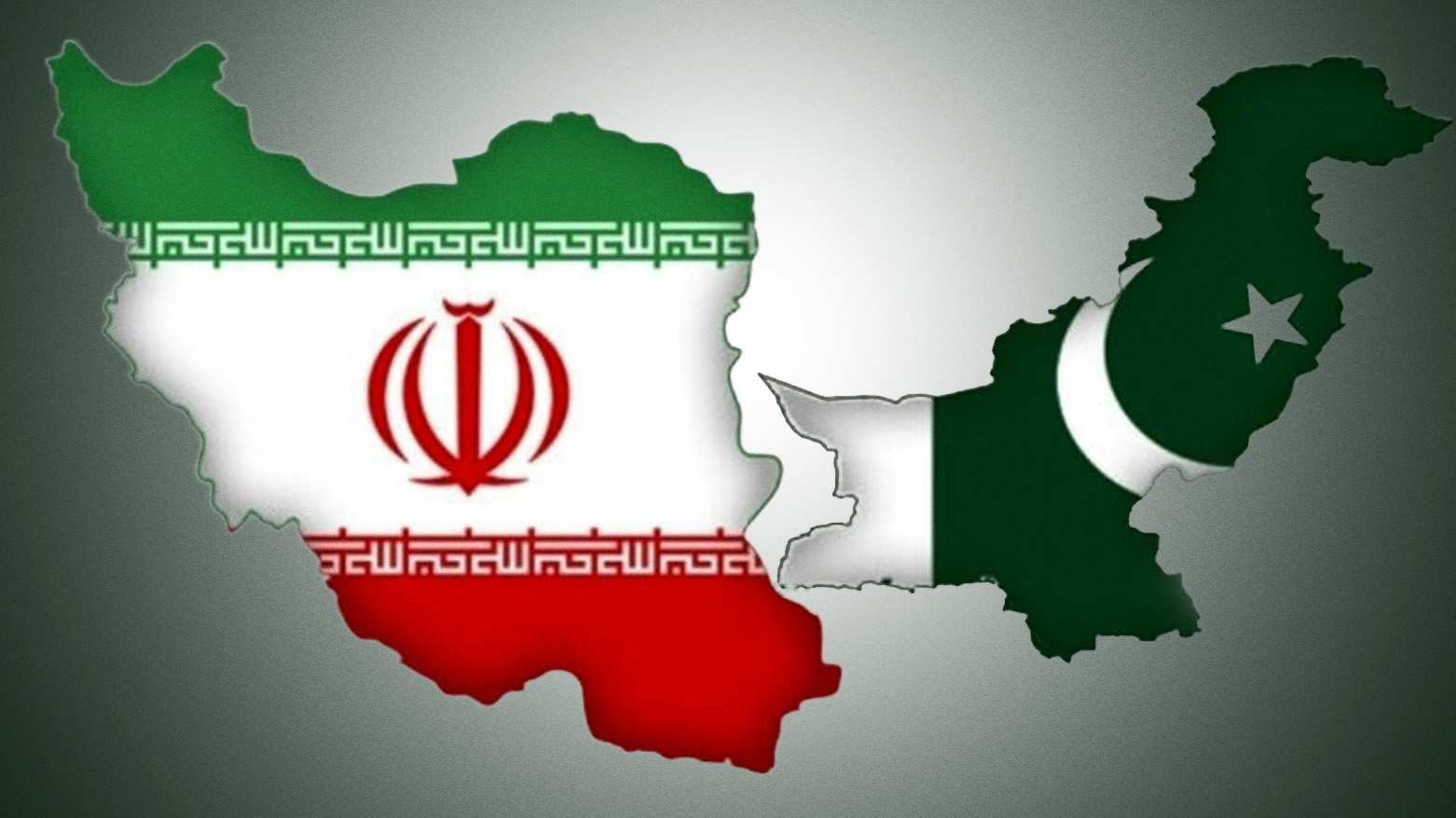
    Pakistan has categorically dismissed claims by a senior Iranian Revolutionary Guard Corps (IRGC) commander that the two nations had agreed to a nuclear pact to counter Israel amid the ongoing Israel-Iran conflict. The assertion, made by IRGC Aerospace Force Commander Amir Ali Hajizadeh on Monday, suggested Pakistan would support Iran with nuclear capabilities in response to Israel’s “Operation Rising Lion,” which targeted Iran’s military and nuclear sites. Pakistan’s swift rebuttal underscores its intent to maintain neutrality in the escalating West Asian crisis.

    Defence Minister Khawaja Asif, addressing the claim on X, stated, “Pakistan has made no such commitment. Our nuclear capability is solely for the defence of our people, not for advancing hegemonic policies.” Asif also criticized Israel’s undeclared nuclear arsenal, warning of its “catastrophic consequences for the region.” The Foreign Office echoed this stance, emphasizing Pakistan’s policy of non-interference and calling for de-escalation to prevent further destabilization.

    The controversy arises as Iran faces intensified Israeli strikes, with Tehran retaliating through “Operation True Promise 3,” involving missile and drone attacks. Iran’s claim of a nuclear pact with Pakistan appears to be an attempt to project strength amid domestic pressure and significant casualties—224 reported deaths in Iran compared to 24 in Israel. However, analysts suggest the statement may also reflect Iran’s frustration with Pakistan’s cautious diplomacy, as Islamabad balances ties with Iran, Saudi Arabia, and Western powers.

    Pakistan’s nuclear arsenal, estimated at 170 warheads, is a cornerstone of its defence policy, primarily aimed at deterring India. Experts, including Michael Kugelman of the Wilson Center, argue that Pakistan would avoid entanglement in the Israel-Iran conflict due to its economic dependence on Gulf states like Saudi Arabia, a key rival of Iran. “Pakistan’s nuclear program is for strategic deterrence, not for lending to others,” Kugelman noted.

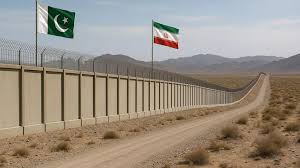
    The rejection comes amid Pakistan’s closure of border crossings with Iran, including Taftan and Gabd-Rimdan, due to security concerns. The Foreign Office has activated a Crisis Management Unit to evacuate Pakistani nationals, including 450 pilgrims and 200 students, from Iran and Iraq. While expressing “moral and diplomatic solidarity” with Iran, Pakistan has urged all parties to pursue dialogue to avert a broader conflict that could disrupt regional trade and energy supplies, particularly through the Strait of Hormuz.

    As tensions persist, Pakistan’s firm denial of Iran’s claim reinforces its commitment to strategic autonomy, even as it navigates the complex geopolitics of a volatile region.

  • Israel-Iran War: Pakistan shuts border crossings with Iran

    Israel-Iran War: Pakistan shuts border crossings with Iran

    Pakistan has indefinitely closed all border crossings with Iran, citing security concerns amid the escalating conflict between Israel and Iran, now in its fifth day. The decision, announced by provincial authorities in Balochistan, affects key crossing points in Chaghi, Washuk, Panjgur, Kech, and Gwadar districts, including the critical Taftan and Gabd-Rimdan crossings, which facilitate cross-border trade and travel. The move follows Iran’s closure of its side of the border and comes as Israel’s “Operation Rising Lion” and Iran’s “Operation True Promise 3” intensify, raising fears of regional instability.

    According to Qadir Bakhsh Pirkani, a senior official in Balochistan, “Border facilities in all five districts have been suspended until further notice due to the volatile situation created by Israel’s strikes.” While pedestrian and vehicular movement into Iran has been halted, limited trade activities continue, and Pakistani nationals, including an estimated 200 students, are being allowed to return from Iran. On Sunday, Foreign Minister Ishaq Dar confirmed the evacuation of 450 Pakistani pilgrims from Iran, with additional evacuations planned from Iran and Iraq, home to sacred Shiite sites.

    The border closure threatens to disrupt local economies in Balochistan, where districts like Turbat, Gwadar, and Panjgur rely heavily on Iranian food supplies and smuggled oil. Residents, such as Basham Baloch from Gwadar, expressed concerns to Anadolu Agency about potential shortages, stating, “If the border remains closed for weeks, we could face serious oil and food shortages.” Balochistan’s government spokesman, Shahid Rind, downplayed immediate fuel scarcity claims, asserting that most petrol pumps in Quetta remain operational, but locals report rising prices and supply chain disruptions.

    Pakistan’s decision reflects its delicate balancing act in the region. While expressing “moral and diplomatic solidarity” with Iran against Israeli strikes, Islamabad has denied claims by an Iranian Revolutionary Guard Corps commander that Pakistan would support Tehran militarily, including with nuclear retaliation. Defence Minister Khawaja Asif clarified on X, “Pakistan has made no such commitment. Our nuclear capability is for the defence of our people, not for hegemonic policies.” Asif also criticized Israel’s undeclared nuclear arsenal, warning of its “catastrophic consequences.”

    The closure impacts bilateral trade, valued at $3 billion annually, with ambitions to reach $10 billion. Iran supplies 100 megawatts of electricity to Balochistan’s border towns, and disruptions could exacerbate local challenges. Pakistan’s Foreign Office has activated a 24/7 Crisis Management Unit to assist nationals, urging pilgrims to reconsider travel to Iran and Iraq. As the Israel-Iran conflict rages, Pakistan’s border shutdown underscores its cautious stance, prioritizing citizen safety and regional stability while navigating complex ties with Iran and Saudi Arabia.

  • Indians Evacuated from Tehran as Iran-Israel Tensions Escalate

    Indians Evacuated from Tehran as Iran-Israel Tensions Escalate

    New Delhi, June 17, 2025 – In a swift response to the escalating conflict between Iran and Israel, India has initiated the evacuation of its citizens from Tehran, prioritizing the safety of approximately 10,000 Indian nationals, including 6,000 students, residing in Iran. The Ministry of External Affairs (MEA) announced on Tuesday that Indian students in Tehran have been relocated to safer locations, with many facilitated to cross into Armenia via land routes due to Iran’s sealed airspace.
    The Indian Embassy in Tehran has been actively coordinating with local authorities and universities, including Tehran University of Medical Sciences, Shahid Beheshti University, and Urmia Medical University, to ensure the safe movement of students. A batch of 110 students from Urmia Medical University crossed the Armenian border on Monday evening, with a flight to New Delhi scheduled for Wednesday. Additionally, around 600 students from Tehran have been bussed to Qom, a city 140 kilometers south of the capital, identified as a safer location.
    The evacuation efforts come amid intensified hostilities, now in their fifth day, following Israel’s “Operation Rising Lion,” launched on June 13 to target Iran’s nuclear facilities. Iran retaliated with “Operation True Promise 3,” firing missiles and drones at Israeli targets, resulting in significant casualties—224 reported deaths in Iran and 24 in Israel. The conflict has triggered widespread panic in Tehran, with Israeli warnings urging residents, including 300,000 in central districts, to evacuate immediately.
    The Indian Embassy issued an urgent advisory, urging all Indian nationals and Persons of Indian Origin (PIOs) in Tehran to contact the embassy and move to safer areas if possible. Emergency helplines (+98 901044557, +98 9128109115, +98 9128109109) and a 24×7 control room have been established to assist citizens. External Affairs Minister Dr. S. Jaishankar has engaged with regional counterparts, including Armenia’s Foreign Minister, to facilitate safe passage.
    Reports indicate that five Indian students sustained injuries in recent Israeli strikes, amplifying anxiety among the Indian community. Students like Imtisal Mohidin, a third-year MBBS student at Shahid Beheshti University, described living in fear, with explosions occurring near hostels. “We trust in India’s power and really want to be evacuated,” Mohidin told media outlets.
    The operation marks one of India’s largest evacuation efforts in Iran, drawing comparisons to previous missions like Operation Ajay (Israel-Hamas conflict, 2023) and Operation Kaveri (Sudan, 2023). With contingency plans exploring additional border crossings, New Delhi is bracing for a complex operation to bring its citizens home safely amidst the volatile West Asian crisis.
    [Sources: Business Standard, The Indian Express, News18, The Tribune, India Today]
  • G7 Urges Immediate Restraint as India-Pakistan Conflict Risks Nuclear Flashpoint

    G7 Urges Immediate Restraint as India-Pakistan Conflict Risks Nuclear Flashpoint

    The Group of Seven (G7) nations issued an urgent call for restraint on Saturday, warning that the escalating conflict between India and Pakistan risks spiraling into a nuclear catastrophe. The statement, released after an emergency virtual meeting of G7 foreign ministers, comes as both nuclear-armed nations intensify military operations, with India’s Air Force striking Pakistani air bases and Pakistan convening its National Command Authority (NCA) to discuss nuclear readiness.

    G7 table flags, 3d render. Flags of Group of Seven around podium, countries: Canada, France, Germany, Italy, Japan, the United Kingdom, USA.

    The G7, comprising the United States, Canada, France, Germany, Italy, Japan, and the United Kingdom, expressed “grave concern” over the rapidly deteriorating situation, which has seen heavy exchanges of missile and drone strikes since a deadly April 22 attack in India-administered Kashmir killed 26 civilians. India accuses Pakistan of orchestrating the attack, a charge Islamabad denies, prompting India’s Operation Sindoor, which obliterated key Pakistani air bases, including Nur Khan in Rawalpindi and Rafiqi in Shorkot, according to Indian defense sources. Pakistan retaliated with Operation Bunyan-un-Marsoos, targeting Indian military sites and claiming to have downed Indian jets.

    “We urge India and Pakistan to exercise maximum restraint, cease all military actions, and engage in direct dialogue to prevent a catastrophic escalation,” the G7 statement read. “The risk of miscalculation between two nuclear-armed states threatens not only regional but global stability.” The group called for an immediate ceasefire and offered to facilitate diplomatic talks, though no concrete mediation plan was outlined.

    The G7’s warning follows reports of significant civilian casualties, with Pakistan alleging Indian strikes killed dozens in Pakistan-administered Kashmir, while India claims Pakistani shelling in Jammu and Poonch claimed 15 civilian lives. Posts on X reflect global alarm, with users describing the situation as “a nuclear powder keg” and criticizing the lack of decisive international intervention. Others noted Pakistan’s NCA meeting, chaired by Prime Minister Shehbaz Sharif, as a signal of heightened nuclear alertness, with some calling it “terrifying posturing.”

    U.S. Secretary of State Marco Rubio, representing the G7’s lead voice, held separate calls with Indian Foreign Secretary Vikram Misri and Pakistani Foreign Minister Ishaq Dar, pressing both sides to de-escalate. However, U.S. influence appears limited, with sources citing President Donald Trump’s reported dismissal of the conflict as “not our problem,” according to NPR. France and Germany echoed the G7’s concerns, with French Foreign Minister Jean-Noël Barrot warning that “a single misstep could unleash unimaginable consequences.”

    India’s Ministry of External Affairs responded cautiously, asserting that its strikes targeted “terrorist infrastructure” and were a direct response to Pakistan’s alleged support for groups like Jaish-e-Mohammed. Pakistan’s Foreign Ministry, in turn, condemned India’s “unprovoked aggression” and defended its retaliatory strikes as “self-defense,” while denying civilian targeting.

    The United Nations, in a parallel statement, called for an emergency session of the Security Council to address the crisis, with Secretary-General António Guterres urging both nations to respect international humanitarian law. Meanwhile, commercial airlines have rerouted flights to avoid Pakistani and Indian airspace, and border regions in Kashmir report mass evacuations amid relentless artillery fire.

    Analysts warn that the G7’s call, while significant, may fall short without robust mediation. “The G7’s words are strong, but both India and Pakistan are entrenched,” said a South Asia expert at the Brookings Institution. “Without a clear de-escalation mechanism, the nuclear risk grows by the hour.” As global attention remains riveted on the region, the international community faces mounting pressure to prevent a conflict that could redefine the global security landscape.

  • Balochistan Asserts Distinct Identity with Flag, Anthem, and Roadmap, Says Mir Yar Baloch

    Balochistan Asserts Distinct Identity with Flag, Anthem, and Roadmap, Says Mir Yar Baloch

    Quetta, Pakistan – May 8, 2025: Mir Yar Baloch, a prominent voice in the Baloch independence movement, has publicly declared that Balochistan possesses its own flag, anthem, and roadmap, emphasizing a unique identity separate from what he describes as “radical Pakistan.” The statement, widely circulated through posts on X, reflects growing momentum in the Baloch nationalist movement amid escalating tensions in Pakistan’s largest province.

    In a video shared on social media, supporters of the Free Balochistan Movement were seen hoisting the Baloch flag—featuring green and red horizontal bands, a blue triangle, and a white star—while singing the Baloch national anthem, “Ma Chukin Balochaani” (“We Are Sons of Baloch”). Mir Yar Baloch highlighted the anthem as a symbol of pride and unity for the Baloch people, who seek independence from Pakistan. He urged the international community to recognize Balochistan’s sovereignty and establish diplomatic missions to support the movement.

    “Balochistan is not Pakistan. We have our own culture, language, and vision for a free and democratic future,” Mir Yar Baloch stated, referencing the Balochistan Liberation Charter promoted by Hyrbyair Marri, leader of the Free Balochistan Movement. The charter outlines a secular struggle for independence, accusing Pakistan and Iran of cultural and ethnic suppression of the Baloch people.

    The Baloch nationalist movement traces its roots to the 1948 accession of the Khanate of Kalat to Pakistan, which many Baloch claim was coerced. Since then, five waves of insurgency have marked the region, with the current phase, ongoing since 2003, driven by groups like the Baloch Liberation Army (BLA). The BLA, designated a terrorist organization by Pakistan and several Western countries, has intensified attacks, including a recent train hijacking in March 2025, to demand autonomy or independence.

    Balochistan, spanning 44% of Pakistan’s landmass, is rich in natural resources but remains its most underdeveloped province. Nationalists argue that the central government exploits the region’s gas, gold, and copper while neglecting local development. The China-Pakistan Economic Corridor (CPEC), passing through Balochistan, has further fueled resentment, with Baloch activists claiming it threatens demographic changes and marginalizes locals.

    Mir Yar Baloch’s call for recognition has sparked debate. On X, supporters echoed his message, with some urging India and other nations to pass resolutions recognizing Balochistan’s independence. Others criticized Pakistan’s military response to the insurgency, alleging human rights abuses and forced disappearances. However, a 2009 Pew Research Center survey indicated that 58% of Balochistan residents identified as Pakistani, with only 37% favoring independence in a 2012 Gallup poll, suggesting divided sentiments.

    Pakistan’s government has dismissed the separatist narrative, emphasizing Balochistan’s integration into the federation. The provincial flag, featuring a camel and mountains in Pakistan’s national colors, symbolizes its ties to the state. Islamabad has accused foreign powers, including India, of funding groups like the BLA, a claim India denies.

    As Balochistan grapples with insurgency and economic neglect, Mir Yar Baloch’s statements underscore a deepening divide. Whether the international community will heed his call remains uncertain, but the Baloch flag and anthem continue to rally a movement that refuses to fade.

  • ‘Leave area of conflict’: US issues travel advisory for Pakistan amid drone explosions

    ‘Leave area of conflict’: US issues travel advisory for Pakistan amid drone explosions

    Lahore, Pakistan – May 8, 2025: The United States has issued a critical travel advisory for Pakistan, urging its citizens to “leave the area of conflict” following a series of drone explosions and airspace incursions in Lahore and surrounding regions. The advisory comes as tensions escalate in the region, with reports of evacuations near Lahore’s main airport and heightened security measures across Punjab province.

    The U.S. Consulate in Lahore has directed all personnel to shelter in place, citing ongoing drone activity and potential threats to safety. American citizens in the affected areas have been advised not to wait for assistance and to exit the region independently as soon as possible. The advisory, echoed by multiple sources, underscores the volatile situation, with the U.S. Embassy in Pakistan emphasizing the need to avoid conflict zones.

    Local authorities in Pakistan have reportedly begun evacuating areas around Lahore’s Allama Iqbal International Airport, though details about the nature of the drone incidents remain scarce. Posts on X indicate widespread concern, with unverified reports suggesting possible military or cross-border activity linked to the explosions. The Pakistani government has yet to release an official statement clarifying the situation.

    This advisory follows a broader U.S. travel warning issued earlier in 2025, which highlighted risks of terrorism and armed conflict in Pakistan. The Trump administration has reiterated its call for Americans to exercise extreme caution, with some sources linking the current unrest to heightened India-Pakistan tensions, though these claims remain unconfirmed.

    As the situation develops, international travelers are urged to monitor local news and official U.S. government channels for updates. The U.S. Embassy has provided emergency contact information for citizens requiring assistance, while airlines operating out of Lahore are reportedly facing disruptions.

    The advisory serves as a stark reminder of the unpredictable security environment in the region, with authorities on high alert and residents bracing for further developments.

  • S-400 Triumph Bolsters India’s Defense in India-Pakistan Conflict: A Strategic Game-Changer

    S-400 Triumph Bolsters India’s Defense in India-Pakistan Conflict: A Strategic Game-Changer

    The S-400 Triumf air defense system, named Sudarshan in Indian service, has emerged as a cornerstone of India’s defense strategy in the ongoing tensions with Pakistan, particularly during the conflict escalation reported on May 8, 2025.

    Acquired from Russia in a $5.43 billion deal signed in 2018, the S-400 has significantly enhanced India’s ability to counter aerial threats, including missiles, drones, and fighter jets, in the context of the India-Pakistan conflict. Below is a detailed analysis of how the S-400 has aided India, its technical capabilities, strategic deployment, and limitations in the current scenario.

    Key Contributions of the S-400 in the India-Pakistan Conflict

    • Neutralization of Pakistani Missile and Drone Threats
      During Operation Sindoor on May 7-8, 2025, the S-400 played a pivotal role in intercepting Pakistani missiles and drones targeting 15 Indian cities, including Srinagar, Amritsar, Chandigarh, and Bhuj. The system’s advanced radar and missile suite successfully neutralized incoming threats, preventing damage to critical military infrastructure. Social media reports, including posts on X, highlighted the S-400’s effectiveness, with claims that it “shot down Pakistani missiles” during the operation.
    • Deterrence Against Pakistani Air Force Operations
      The S-400’s 400-kilometer engagement range covers significant portions of Pakistani airspace, including strategic locations like Lahore and Islamabad. Deployed along the Line of Control (LoC) and the Indo-Pakistan border, the system can engage Pakistani aircraft, such as the JF-17 Thunder and F-16, before they reach Indian territory. This deep-strike capability complicates Pakistan’s air operations, forcing their jets to operate cautiously or risk being shot down.
    • Countering Pakistan’s Missile Arsenal
      Pakistan’s missile systems, including the Babur and Ra’ad cruise missiles and the Shaheen ballistic missiles, pose a significant threat. The S-400’s ability to intercept cruise missiles at low altitudes (down to 20 meters) and ballistic missiles traveling at speeds up to Mach 14 provides India with a robust defense. Reports suggest the system’s layered missile coverage (40 km to 400 km range) neutralized Pakistani attempts to overwhelm Indian defenses during the May 8 assault.
    • Protection of Key Assets and Cities
      The S-400’s deployment in Punjab and along the LoC creates a protective umbrella over major Indian cities (e.g., Delhi, Mumbai, Kolkata) and critical infrastructure, such as nuclear command centers, military bases, and economic hubs. This reduces vulnerability to punitive strikes, ensuring India’s strategic assets remain secure. The system’s 600-kilometer radar detection range provides early warning, allowing timely interception of threats.
    • Integration with India’s Air Defense Network
      The S-400 is unified with India’s Integrated Air Command and Control System (IACCS), enabling seamless coordination with indigenous systems like Akash, Barak-8, and Quick Reaction Surface-to-Air Missiles (QRSAM). This multi-layered defense architecture enhances India’s ability to counter diverse threats, from low-flying drones to high-altitude ballistic missiles. The system’s Active Electronically Scanned Array (AESA) radars offer superior tracking and resistance to jamming, outperforming Pakistan’s Chinese-supplied HQ-9 systems.

    Technical Capabilities of the S-400

    The S-400 Triumf, developed by Russia’s Almaz-Antey, is one of the world’s most advanced air defense systems. Its key features include:

    • Radar and Detection: The 91N6E radar detects targets up to 600 km, tracking up to 300 targets simultaneously. It can identify low-observable targets, including drones and stealth aircraft.
    • Missile Variants: The system employs four missile types for layered defense:
      • 40N6E: 400 km range, designed for high-altitude targets like AWACS and ballistic missiles.
      • 48N6DM: 250 km range, effective against fighter jets and cruise missiles.
      • 9M96E2: 120 km range, for medium-range threats.
      • 9M96E: 40 km range, for low-altitude, short-range targets like drones.
    • Engagement Capacity: Can engage up to 80 targets simultaneously, with a reaction time of 5-10 seconds.
    • Mobility: Highly mobile, operational within 5 minutes of deployment, making it difficult for adversaries to target.
    • Electronic Countermeasures: Resists jamming and employs decoys to enhance survivability.

    These capabilities outclass Pakistan’s HQ-9BE (200-260 km range) and LY-80 systems, which rely on less advanced phased-array radars and have limited engagement capacities.

    Strategic Deployment in the Conflict

    India has operationalized three of the five S-400 squadrons procured, with deployments focused on dual fronts: Pakistan and China. In the context of the India-Pakistan conflict:

    • Punjab Sector: The first squadron, deployed in 2021, covers threats from Pakistan, protecting northern cities and military bases.
    • LoC and Western Borders: Additional units along the LoC provide coverage over Jammu, Kashmir, and Gujarat, countering Pakistani air and missile incursions.
    • Operation Sindoor: On May 7-8, 2025, the S-400 was activated to intercept Pakistani missiles and drones, demonstrating its combat readiness. The system’s integration with AWACS and early-warning radars ensured precise targeting.

    The remaining two squadrons, delayed due to the Russia-Ukraine conflict, are expected by August 2026, further strengthening India’s defenses.

    Challenges and Limitations

    While the S-400 is a formidable asset, it has limitations that Pakistan could exploit:

    • Vulnerability to Saturation Attacks: Pakistan could deploy drone swarms or large salvos of missiles to overwhelm the S-400’s 80-target engagement capacity. X posts suggest Pakistan may attempt such tactics to drain India’s missile reserves, as the S-400’s interceptors are costly.
    • Hypersonic Threats: The S-400 has not been fully tested against hypersonic glide vehicles (HGVs) like China’s DF-17, which Pakistan may acquire. These ultra-high-speed, maneuverable threats could challenge the system.
    • Electronic Warfare: Pakistan’s electronic countermeasures, demonstrated in 2019, could disrupt the S-400’s radar. China and Turkey, both S-400 operators, may share insights on its weaknesses with Pakistan.
    • Short-Range Gaps: The S-400 is less effective against very short-range threats like artillery shells or low-flying drones. India relies on complementary systems like Akash and QRSAM to address these gaps.
    • Geopolitical Risks: Continued reliance on Russian systems risks U.S. sanctions under CAATSA, potentially straining India’s access to Western technology.

    Pakistan’s Countermeasures

    Pakistan has developed strategies to mitigate the S-400’s impact:

    • HQ-9BE and FD-2000 Systems: While less advanced, Pakistan’s Chinese-supplied systems can engage Indian aircraft and missiles, though their 260-km range is outmatched by the S-400.
    • Fatah-II Missile: X posts claim Pakistan’s Fatah-II, a guided rocket with a 150-km range, could target S-400 batteries if deployed too forward.
    • Cruise Missiles: Pakistan’s Ra’ad and Babur missiles, with low-altitude flight paths, remain vulnerable but could exploit terrain masking to evade detection.
    • Allied Support: Speculation exists that China could share S-400 data, though Russia’s export versions for China have limited capabilities, reducing the risk.

    Strategic Implications

    The S-400 has shifted the aerial balance in India’s favor, complicating Pakistan’s offensive capabilities and strengthening India’s deterrence. By neutralizing missile and drone threats during Operation Sindoor, the system proved its worth as a force multiplier. Its ability to protect key assets and engage deep into Pakistani airspace limits Islamabad’s strategic options, forcing reliance on asymmetric tactics like terrorism or saturation attacks.

    However, the S-400 is not invincible. Pakistan’s evolving missile technology and potential Chinese support could challenge its dominance. India must continue integrating the S-400 with indigenous systems and invest in counter-hypersonic capabilities to maintain its edge. The system’s high cost (Rs 35,000 crore for five squadrons) also necessitates efficient resource allocation to balance other military modernization efforts.

    Conclusion

    The S-400 Triumf has been a game-changer in the India-Pakistan conflict, providing India with unmatched air defense capabilities. Its role in thwarting Pakistani missile strikes on May 8, 2025, underscores its strategic importance. While vulnerabilities exist, the S-400’s integration with India’s broader defense network ensures a robust shield against aerial threats. As tensions persist, the system will remain a critical asset, deterring aggression and safeguarding India’s sovereignty.

  • Heavy Shelling Along Line of Control Deepens Kashmir Crisis, Claims Dozens of Lives

    Heavy Shelling Along Line of Control Deepens Kashmir Crisis, Claims Dozens of Lives

    Intense artillery exchanges and shelling along the Line of Control (LoC) dividing Indian-administered and Pakistan-administered Kashmir have escalated the ongoing conflict between India and Pakistan, claiming at least 43 lives and displacing hundreds of families. The relentless barrages, which intensified following India’s Operation Sindoor missile strikes on May 7, have plunged the region into one of its deadliest crises in decades, raising fears of a broader war between the nuclear-armed neighbors.

    Indian authorities reported that 12 civilians, including four children, were killed in the districts of Kupwara, Baramulla, and Poonch in Indian-administered Jammu and Kashmir due to Pakistani shelling over the past 48 hours. Over 60 others have been injured, with hospitals in Srinagar overwhelmed. India’s Border Security Force (BSF) stated that Pakistani forces targeted civilian areas and forward posts in violation of a 2021 ceasefire agreement, prompting retaliatory fire. “Our response has been proportionate but firm to protect our people,” said a BSF spokesperson.

    Pakistan, meanwhile, claimed that Indian shelling across the LoC killed 31 people, including 19 civilians, in Pakistan-administered Kashmir and parts of Punjab. The Pakistani military’s Inter-Services Public Relations (ISPR) accused India of deliberately targeting villages, with images of damaged homes and schools circulating on X. Prime Minister Shehbaz Sharif condemned the attacks as “barbaric,” vowing that Pakistan’s armed forces would respond decisively to defend its sovereignty.

    The latest violence follows India’s Operation Sindoor, which struck nine alleged terrorist sites in Pakistan and Pakistan-administered Kashmir, targeting groups India blames for a April 22 attack in Pahalgam that killed 26 civilians. Pakistan denies harboring terrorists and has labeled India’s strikes an “act of aggression,” citing civilian deaths and damage to infrastructure. The shelling along the LoC, coupled with a reported explosion near Lahore’s Walton Airport on May 8, has heightened panic and fueled calls for retaliation on both sides.

    Civilians on both sides of the LoC are bearing the brunt of the conflict. In Indian-administered Kashmir, thousands have fled border villages, seeking shelter in makeshift camps. “We can’t sleep at night; the shelling doesn’t stop,” said a resident of Uri, near the LoC. In Pakistan-administered Kashmir, similar scenes of displacement have emerged, with schools and markets shuttered. The UN Office for the Coordination of Humanitarian Affairs (OCHA) estimates that over 15,000 people have been displaced since the violence surged.

    Global leaders have expressed alarm, with UN Secretary-General António Guterres calling for an immediate cessation of hostilities. “The people of Kashmir have suffered enough. Both sides must prioritize de-escalation and dialogue,” he said. The United States, China, and the European Union have echoed the call, while U.S. President Donald Trump offered to mediate, describing the situation as “very dangerous.”

    On X, posts reflect the growing despair and anger, with hashtags like #KashmirBleeds and #StopTheWar trending. Some users shared videos of burning homes and crying families, though misinformation, including recycled footage from past conflicts, has complicated efforts to verify casualty figures. Nobel laureate Malala Yousafzai also weighed in, urging both nations to protect civilians and pursue peace.

    As the LoC remains a flashpoint, analysts warn that the tit-for-tat shelling risks spiraling into a full-scale military confrontation. Both India and Pakistan have reinforced their military presence along the border, with reports of troop movements and artillery deployments. The international community is pressing for a return to the 2021 ceasefire, but with trust at an all-time low, the path to peace remains fraught.

  • Pakistan Claims Downing 5 Indian Jets in Retaliation; India Rejects Claims as Unsubstantiated

    Pakistan’s military has claimed that it shot down five Indian Air Force jets and a drone in response to India’s missile strikes on alleged terrorist infrastructure, escalating tensions between the nuclear-armed neighbors. India has categorically denied these claims, asserting that no aircraft were lost and labeling Pakistan’s assertions as part of a misinformation campaign.

    The Pakistani military, through its Inter-Services Public Relations (ISPR) wing, stated that the downed aircraft included three French-made Rafale jets, one MiG-29, and one Sukhoi Su-30, with debris from a combat drone reportedly falling in Indian territory. Prime Minister Shehbaz Sharif, addressing Parliament, lauded the Pakistan Air Force for its “swift response” to India’s Operation Sindoor, which targeted nine sites in Pakistan and Pakistan-administered Kashmir on May 7. Pakistani Defense Minister Khawaja Asif reiterated the claim, stating the jets were targeted in self-defense after violating Pakistani airspace. A video released by Pakistani officials showed smoke rising from an alleged crash site, though independent verification of the footage remains unavailable.

    India’s Ministry of Defense has dismissed Pakistan’s claims, stating that all aircraft involved in Operation Sindoor returned safely to their bases. Indian officials, including Foreign Secretary Vikram Misri, emphasized that the strikes were “focused, measured, and non-escalatory,” targeting terrorist camps linked to a April 22 attack in Pahalgam, Indian-administered Kashmir, which killed 26 civilians. The Indian government has accused Pakistan of spreading false narratives, with the Press Information Bureau (PIB) debunking viral images of a supposed Rafale jet crash near Bahawalpur as old and unrelated.

    Reports from Reuters noted that three Indian fighter jets crashed in Jammu and Kashmir on May 7, hours after the strikes, according to local government sources. However, India has not confirmed these incidents as combat losses, and no connection to Pakistan’s claims has been officially acknowledged. Social media posts on X have fueled speculation, with some citing French-language markings on debris as evidence of downed Rafale or Mirage 2000 jets, though BBC Verify and other fact-checkers have debunked related footage as misleading or outdated.

    The conflicting narratives have intensified the ongoing crisis, with Pakistan describing India’s strikes as an “act of war” that killed 31 civilians, including women and children, in Punjab and Pakistan-administered Kashmir. Pakistan’s National Security Committee has vowed a “befitting response” at a time and place of its choosing, while India maintains that no civilian or military infrastructure was targeted.

    International concern is mounting, with the UN, EU, China, and Russia urging restraint to avoid further escalation. U.S. President Donald Trump has offered to mediate, while analysts warn that unverified claims, such as Pakistan’s jet-downing assertions, risk fueling misinformation and public unrest. Posts on X reflect divided sentiments, with some Pakistani users celebrating the military’s claims and Indian users dismissing them as propaganda, pointing to a lack of concrete evidence.

    As both nations remain on high alert, the absence of independent confirmation of Pakistan’s claims and India’s steadfast denials underscore the volatile information war accompanying the physical conflict. The situation remains fluid, with fears of further retaliation looming large.