Category: Fighter Jets

  • F-22 Raptors Vs. Chengdu J-20 : China’s Most Advanced Fighter Jets Compared to US F-22 Raptor

    F-22 Raptors Vs. Chengdu J-20 : China’s Most Advanced Fighter Jets Compared to US F-22 Raptor

    F-22 Vs. J-20: In the realm of modern military aviation, the competition between superpowers has birthed some of the most awe-inspiring and technologically advanced fighter jets. One such riveting rivalry exists between the United States and China, two global heavyweights vying for dominance in the skies. At the center of this aviation arms race are two remarkable aircraft: the American F-22 Raptor and the Chinese Chengdu J-20. These cutting-edge fighter jets stand as testaments to the incredible strides made in aeronautical engineering and stealth technology, each representing their respective nation’s pursuit of aerial superiority. In this blog, we’ll delve into the world of these formidable aircraft, comparing their features, capabilities, and potential implications for the future of air combat.

    F-22 Raptors Vs. Chengdu J-20 Detailed Comparison

    Design Characteristics:

    • Stealth and Radar Cross-Section: The F-22 Raptor’s design prioritizes low observability, or stealth, by incorporating angles and materials that deflect radar waves away from the source. Its unique “faceted” shape and radar-absorbent coatings minimize its radar cross-section, making it extremely difficult for enemy radar systems to detect. This gives the F-22 a significant advantage in evading detection and tracking.The Chengdu J-20 also places a strong emphasis on stealth, with its angular design and radar-absorbent materials contributing to reduced radar cross-section. Its blended wing-body configuration aids in concealing engine exhaust and enhancing its overall stealth profile. While the specifics of its stealth features are not fully disclosed, the J-20 is designed to reduce its radar signature.
    • Aerodynamics and Maneuverability: The F-22 Raptor boasts exceptional maneuverability thanks to its thrust-vectoring nozzles and advanced fly-by-wire control system. These features enable the Raptor to perform complex aerial maneuvers, allowing it to outmaneuver opponents in dogfights. Its delta-wing design and twin-engine layout contribute to both agility and stability.The Chengdu J-20’s design emphasizes high-speed, long-range capabilities, and while it is less maneuverable than the F-22, it compensates with its emphasis on stealth and sensor capabilities. Its delta-wing configuration and canard layout contribute to stable flight and enhanced control at various speeds.
    • Avionics and Sensor Suites: The F-22 Raptor is equipped with a sophisticated suite of sensors, including advanced radar and electronic warfare systems, which enable it to detect and engage threats from a distance. Its ability to gather and process data rapidly gives it a significant situational awareness advantage.The Chengdu J-20’s avionics suite includes an advanced active electronically scanned array (AESA) radar, which enhances its ability to track multiple targets simultaneously. Its avionics suite also includes electronic warfare and countermeasures systems, showcasing China’s investment in sensor technology.
    • Internal Weapons Bay: Both the F-22 and J-20 feature internal weapons bays to maintain their stealth profiles while carrying a substantial payload of missiles and munitions. This internal arrangement reduces the aircraft’s radar cross-section compared to external weapon mounting, allowing for enhanced survivability in contested environments.

    Speed and Agility:

    F-22 Raptor: The F-22’s unmatched speed and agility are cornerstones of its performance. It can reach speeds exceeding Mach 2 (twice the speed of sound) without using afterburners, a capability known as supercruise. This allows the F-22 to sustain high speeds for extended periods while conserving fuel. Additionally, its thrust-vectoring nozzles provide exceptional maneuverability, enabling it to execute complex aerial maneuvers and gain an advantage in dogfights.

    Chengdu J-20: While specific performance figures are often closely guarded by nations, the Chengdu J-20 is designed for high-speed, stealthy operations. Its top speed is estimated to be in the range of Mach 2, similar to the F-22. However, its emphasis lies more in its stealth features and sensor capabilities rather than extreme maneuverability, making it a potential long-range strike platform.

    Engines:

    • F-22 Raptor: Powered by two Pratt & Whitney F119-PW-100 turbofan engines, the F-22 achieves exceptional thrust, efficiency, and supercruise capability. Thrust-vectoring nozzles grant unparalleled maneuverability.
    • Chengdu J-20: Equipped with two WS-10B turbofan engines, the J-20 showcases China’s strides in indigenous engine technology. Although specific thrust figures are variable, these engines propel the J-20 with considerable power.

    Stealth:

    • F-22 Raptor: The F-22’s angular design and radar-absorbent materials create a low radar cross-section. Its internal weapons bays further reduce its radar signature, allowing for undetected operations.
    • Chengdu J-20: The J-20’s stealth profile is achieved through an angular fuselage, radar-absorbent materials, and concealed engine exhausts. Its canard delta wing configuration enhances stability and contributes to reduced radar visibility.

    Armaments:

    • F-22 Raptor: The F-22 is armed with a mix of air-to-air and air-to-ground weaponry, including AIM-120 AMRAAM and AIM-9 Sidewinder missiles, as well as precision-guided bombs.
    • Chengdu J-20: The J-20 carries a diverse array of air-to-air and air-to-surface munitions, with specifics varying based on its evolving role.

    Avionics and Sensors:

    • F-22 Raptor: The F-22’s avionics suite includes advanced radar, electronic warfare systems, and data fusion capabilities. Its AESA radar enables target tracking and engagement, enhancing situational awareness.
    • Chengdu J-20: The J-20 boasts an advanced AESA radar and a comprehensive avionics suite, with a focus on multi-target tracking and potential data-sharing capabilities.

    Cost:

    • F-22 Raptor: The F-22 production was axed because of its high cost – US$62 billion for the whole project, which equates to US$339 million per aircraft.
    • Chengdu J-20: The J-20’s research and development cost was estimated to be more than 30 billion yuan (US$4.4 billion), with a cost per aircraft of US$100-110 million.

    F-22 Raptors Vs. Chengdu J-20 Data Table

    Here’s a data table comparing the key features of the F-22 Raptor and the Chengdu J-20:

    Aspect F-22 Raptor Chengdu J-20
    Engines Pratt & Whitney F119-PW-100 turbofan engines WS-10B turbofan engines
    Thrust (each) Over 35,000 lbs Estimated 30,000 – 33,000 lbs
    Stealth Advanced angular design, radar-absorbent materials Angular fuselage, radar-absorbent materials
    Supercruise Yes (Mach 2+ without afterburners) Yes (Mach 2, estimated)
    Maneuverability Thrust-vectoring nozzles Focus on agility and stability
    Armaments AIM-120 AMRAAM, AIM-9 Sidewinder, precision bombs Diverse air-to-air and air-to-surface munitions
    Avionics Advanced radar, electronic warfare systems Advanced AESA radar, comprehensive avionics suite
    Cost US$339 million per aircraft US$110 million per aircraft

    Similarity between F-22 Raptors and Chengdu J-20

    While the F-22 Raptor and the Chengdu J-20 are distinct aircraft developed by different countries, there are some similarities in their design, features, and capabilities due to their shared status as fifth-generation fighter jets. Here are some of the key similarities between the F-22 Raptor and the Chengdu J-20:

    • Stealth Design: Both aircraft place a strong emphasis on stealth technology to reduce their radar cross-section and enhance survivability in contested environments. They feature angular shapes, radar-absorbent materials, and internal weapons bays to minimize their radar signatures.
    • Advanced Avionics: Both the F-22 and J-20 are equipped with state-of-the-art avionics and sensor suites, including advanced radar systems. These systems provide pilots with enhanced situational awareness and target detection capabilities.
    • Multirole Capability: While the primary roles of the two aircraft may differ, they are designed to be versatile and capable of both air-to-air and air-to-ground missions. This multirole capability allows them to adapt to various mission profiles.
    • Supercruise: Both aircraft have the ability to achieve supercruise, which means they can sustain supersonic flight speeds without relying on afterburners. This provides them with increased range and fuel efficiency during high-speed operations.
    • Canard Delta Wing Configuration: While the F-22 has a delta wing design with canards (small forward wings), the J-20 also features a canard delta wing configuration. This design choice contributes to stability, control, and agility.
    • Modern Manufacturing Techniques: Both aircraft incorporate advanced manufacturing techniques and materials, including composite structures, to reduce weight and enhance performance.
    • Emphasis on Advanced Engines: Both the F-22 and J-20 are powered by advanced turbofan engines that provide high thrust and efficiency. The F-22’s F119 engines and the J-20’s WS-10B engines contribute to their overall performance.
    • Data Sharing and Fusion: While specific details are classified, both aircraft likely incorporate data sharing and fusion capabilities that allow information from various sensors to be integrated and presented to the pilot, enhancing situational awareness.

    Who Wins – F-22 or J-20 Mighty Dragon?

    Determining a clear winner between the F-22 Raptor and the Chengdu J-20 “Mighty Dragon” is a complex task and largely depends on the context in which they are compared. Both aircraft have their own strengths, capabilities, and intended roles, and the outcome of any hypothetical confrontation would depend on various factors including pilot skill, tactics, situational awareness, and technological advancements. Here’s a breakdown of key factors to consider:

    • Experience and Combat Record: The F-22 Raptor has a significant advantage in terms of combat experience, having been in service for years. It has demonstrated its capabilities and effectiveness in various military exercises and real-world operations. The J-20, being relatively newer, hasn’t yet amassed a comparable combat record.
    • Stealth and Detection: Both aircraft emphasize stealth technology, but the F-22 Raptor is often considered to have a more mature and advanced stealth profile due to its earlier development. However, the J-20’s specific stealth capabilities are still subject to speculation, and China’s investment in stealth technology suggests a significant effort to reduce its radar cross-section.
    • Maneuverability: The F-22 is known for its exceptional maneuverability, thanks to its thrust-vectoring nozzles. This gives it an edge in dogfighting scenarios and evasive maneuvers. The J-20, while less maneuverable, is designed to balance agility with stability.
    • Avionics and Sensors: Both aircraft possess advanced avionics and sensor suites. The F-22’s established suite provides superior situational awareness, but the J-20’s AESA radar and sensor capabilities indicate a focus on detecting and engaging targets from a distance.
    • Geography and Tactics: The outcome of any potential confrontation would also depend on factors such as the environment, mission objectives, and tactics employed. Stealth capabilities might be more advantageous in certain scenarios, while speed and long-range engagement could be crucial in others.
    • National Strategy: The strategic context matters as well. The F-22 is part of the United States’ air superiority doctrine, while the J-20 represents China’s pursuit of advanced aerial capabilities.
    • Technological Parity: Advancements in technology, including sensor systems, countermeasures, and weapon systems, could influence the outcome in favor of either aircraft.

    In the end, it’s important to recognize that any hypothetical confrontation between the F-22 Raptor and the Chengdu J-20 would involve a multitude of variables, and the result could differ depending on the specific circumstances.

    FAQs

    • What are the F-22 Raptor and Chengdu J-20?
      The F-22 Raptor is an advanced fifth-generation fighter jet developed by the United States. The Chengdu J-20, also known as the Mighty Dragon, is a fifth-generation fighter jet developed by China.
    • What are the main similarities between the F-22 and J-20?
      Both aircraft share design elements that focus on stealth technology, advanced avionics, multirole capabilities, and modern manufacturing techniques. They both have canard delta wing configurations and emphasize high performance.
    • How do the engines of the F-22 and J-20 compare?
      The F-22 is powered by Pratt & Whitney F119 engines, while the J-20 uses indigenous WS-10B engines. Both engines provide substantial thrust and contribute to the aircraft’s performance.
    • What is “stealth” in these aircraft?
      Stealth technology reduces the radar cross-section of aircraft, making them harder to detect by enemy radar systems. Both the F-22 and J-20 feature angular designs, radar-absorbent materials, and internal weapons bays to achieve stealth.
    • Can the F-22 and J-20 perform supersonic flight?
      Yes, both aircraft can achieve supersonic speeds. The F-22’s engines allow it to reach speeds exceeding Mach 2 without afterburners. The J-20 is estimated to have a top speed around Mach 2.
    • Are the F-22 and J-20 multirole aircraft?
      Yes, both aircraft are designed to handle multiple roles, including air-to-air combat and air-to-ground missions. Their avionics and weapon systems enable them to adapt to various scenarios.
    • What is the controversy surrounding alleged technology theft?
      There have been allegations that the Chengdu J-20’s design incorporates elements similar to the F-22 Raptor, leading to suspicions of technology theft. However, concrete evidence is limited, and both countries maintain their respective positions.
    • How true is the allegation that China’s J-20 is technology stolen from F-22?
      The allegation that China’s J-20 is a direct result of stolen F-22 technology lacks conclusive evidence and remains a subject of debate. While some similarities exist in design, China’s development of the J-20 likely involved a combination of indigenous research, reverse engineering, and global technology partnerships.
    • What distinguishes the F-22 from the J-20 in terms of combat experience?
      The F-22 has an advantage in terms of combat experience, having participated in various operations and military exercises. The J-20, being a newer aircraft, has not yet demonstrated a comparable combat record.
    • How do these aircraft influence modern air warfare?
      The F-22 and J-20 represent the forefront of aerial technology for their respective nations. They showcase advancements in stealth, avionics, and multirole capabilities, influencing the way air combat is conducted and shaping the strategic balance between superpowers.
  • Saab Gripen Vs. F-16 Fighting Falcon Comparison, BVR & Dogfight

    Saab Gripen Vs. F-16 Fighting Falcon Comparison, BVR & Dogfight

    Saab Gripen Vs. F-16: Used by multiple air military forces around the world, Saab Gripen and F-16 fighting Falcon are multirole fighter aircrafts that are highly capable and versatile. Both the Saab Gripen that is designed by the Swedish Aerospace Company Saab and the F-16 Fighting Falcon which is designed by Lockheed Martin are single engines jets with highly advanced avionics systems. These military jets are very popular among many air forces and they have been in service for several decades.

    Saab JAS 39 Gripen and General Dynamics F-16 Fighting Falcon

    Saab JAS 39 Gripen

    The Saab JAS 39 Gripen is a modern and advanced fighter jet developed by the Swedish aerospace company Saab. It was designed to replace the older generation of fighter jets, such as the Saab 35 Draken and Saab 37 Viggen, in the Swedish Air Force.

    The Gripen is a fourth-generation, lightweight, single-engine fighter jet that is highly agile and has a small radar signature. It is equipped with advanced avionics, including a modern radar system, electronic warfare equipment, and a helmet-mounted display system that provides pilots with a 360-degree view of their surroundings.

    The Gripen has been designed for both air-to-air and air-to-ground missions, and it is capable of carrying a wide range of weapons, including missiles, bombs, and rockets. It is also equipped with a 27mm Mauser BK-27 cannon.

    F-16 Fighting Falcon

    The F-16 Fighting Falcon is a multirole fighter jet developed by General Dynamics (now Lockheed Martin) for the United States Air Force (USAF). It is a fourth-generation, single-engine fighter jet that has been in service since the 1970s and has undergone numerous upgrades over the years.

    The F-16 is a highly versatile aircraft that is capable of performing a wide range of missions, including air-to-air combat, air-to-ground strikes, reconnaissance, and electronic warfare. It is equipped with advanced avionics, including a modern radar system, electronic countermeasures, and a helmet-mounted display system that provides pilots with situational awareness.

    The F-16 has a top speed of over Mach 2 (1,500 mph) and is capable of carrying a wide range of weapons, including missiles, bombs, and rockets. It is also equipped with a 20mm M61 Vulcan cannon.

    Saab Gripen Vs. F-16 Fighting Falcon Data Table

    Here’s a basic data table comparing some key features of the Saab Gripen and the F-16 Fighting Falcon:

    Feature Saab Gripen F-16 Fighting Falcon
    Manufacturer Saab Group Lockheed Martin
    First Flight 1988 1974
    Role Multi-role fighter Multi-role fighter
    Engine Volvo RM12 or General Electric F414 Pratt & Whitney F100 or General Electric F110
    Max Speed Mach 2 (approx. 1,522 mph) Mach 2+ (approx. 1,500 mph)
    Range 1,600 nmi (C/D models) Varies depending on model
    Combat Radius Approx. 500 nmi (C/D models) Varies depending on model
    Max Takeoff Weight Approx. 39,700 lbs Varies depending on model
    Armament Various air-to-air and air-to-ground missiles, bombs, and rockets Similar range of weaponry
    Avionics Saab PS-05/A radar AN/APG-68 or AN/APG-80 radar
    Crew 1 pilot 1 pilot
    Length Approx. 49 ft 3 in Approx. 49 ft 5 in
    Wingspan Approx. 27 ft 7 in Approx. 32 ft 8 in
    Cost (approximate) Varies depending on model and configuration Varies depending on model and configuration
    Number of Built Over 300 (all variants) Over 4,600 (all variants)

    Remember that these figures are approximate and may vary depending on specific variants and updates. Additionally, the effectiveness of these aircraft in combat scenarios depends on various factors beyond just specifications, such as pilot training, tactics, and mission requirements.

    Similarity between Saab Gripen and F-16 Fighting Falcon

    The Saab Gripen and the F-16 Fighting Falcon are two popular fighter aircraft with several similarities. Both aircraft are designed to perform multirole missions, meaning they can excel in various roles such as air superiority, ground attack, reconnaissance, and more. Here are some similarities between the Saab Gripen and the F-16 Fighting Falcon:

    • Multirole Capability: Both aircraft are designed to handle a wide range of missions, making them versatile assets for modern air forces. They can engage both air and ground targets effectively.
    • Agility and Maneuverability: Both the Gripen and the F-16 are known for their agility and maneuverability, which are critical in dogfighting and evading threats. These aircraft are designed to be highly maneuverable in both close combat and beyond-visual-range engagements.
    • Advanced Avionics: Both aircraft feature advanced avionics systems that enhance situational awareness for the pilot. This includes modern radar systems, sensors, and electronic warfare capabilities.
    • Fly-by-Wire Control Systems: Both the Gripen and the F-16 utilize fly-by-wire control systems that provide precise and responsive control over the aircraft’s flight surfaces. This technology allows for better handling and stability.
    • Single Engine: Both aircraft are single-engine designs. This choice often results in a balance between performance, cost, and operational simplicity.
    • Global Use: Both the Gripen and the F-16 have been widely exported and operated by various countries around the world. Their popularity stems from their operational effectiveness and cost-efficiency.

    Conclusion

    These Gen-4 jets are highly capable aircrafts while the Gripen is famous for its advanced avionics and sensor capabilities, the F-16 is known for its agility and maneuverability. The Saab Gripen is cost effective as compared to F-16 and it makes an attractive option for countries with a smaller budget. The choice between the two jets depends on the specific needs and requirements of the military and the resources they have at their disposal.

  • 6th Generation Fighter: Everything You Want To Know About Next Generation Fighters

    6th Generation Fighter: Everything You Want To Know About Next Generation Fighters

    A sixth-generation fighter represents an envisioned category of fighter aircraft designs that surpass the technological capabilities of the currently deployed and in-development fifth-generation jet fighters. Several nations, including the United States, Russia, and China, have publicly disclosed their plans to pursue national sixth-generation aircraft programs. Additionally, a consortium of countries, including Japan, Italy, the United Kingdom, France, Germany, Spain, and Sweden, has embarked on collaborative multinational initiatives aimed at sharing the developmental expenses.

    It is anticipated that the first operational sixth-generation fighters will be introduced into service during the 2030s.

    India is presently in the process of developing its fifth-generation Advanced Medium Combat Aircraft (AMCA), which is envisioned to incorporate certain sixth-generation technologies. Nevertheless, there are concerns among analysts regarding the feasibility of India’s capability to successfully develop a fifth-generation fighter, and even more so, a sixth-generation one. These doubts arise from India’s perceived limitations in terms of industrial infrastructure and technical expertise in comparison to more established aerospace powers.

    Concepts and Technologies of Sixth-Generation Fighter

    Concepts and technologies of sixth-generation fighters include:

    • Advanced Stealth: Enhanced stealth capabilities to evade detection.
    • Hypersonic Speed: Ability to reach speeds beyond Mach 5.
    • Directed Energy Weapons: Integration of high-energy lasers.
    • Advanced Sensors: State-of-the-art sensor suites for enhanced situational awareness.
    • AI and Autonomous Systems: Utilization of artificial intelligence for decision-making.
    • Network-Centric Warfare: Seamless integration into broader military networks.
    • Multirole Capability: Versatility for diverse mission profiles.
    • Extended Range: Increased operational range for greater flexibility.
    • Improved Survivability: Enhanced defensive systems.
    • Sustainability and Efficiency: Focus on fuel efficiency and reduced environmental impact.

    Nations Who developing Sixth-gen Fighters

    Countries that are actively involved in the development of sixth-generation fighter aircraft include:

    Japan, United Kingdom and Italy

    In 2010, the Japanese government introduced a conceptual sixth-generation jet fighter known as the i3 FIGHTER, where “i3” stands for informed, intelligent, and instantaneous.

    In July 2014, a report from the UK’s House of Commons Defence Select Committee discussed the possibility of the UK entering a next-generation fighter program after 2030, potentially to replace the Eurofighter Typhoon, which had its expected service life extended to approximately 2040. On March 22, 2016, Japan conducted the inaugural flight of the Mitsubishi X-2 Shinshin testbed aircraft as part of this project.

    In July 2018, the then British Secretary of State for Defense, Gavin Williamson, unveiled the UK’s Combat Air Strategy and introduced a conceptual sixth-generation fighter named the Tempest for the Royal Air Force, which was presented at the Farnborough Airshow 2018.

    In 2019, Sweden and Italy joined the Tempest project, while India and Japan received invitations to participate. On April 1, 2020, Japan officially announced its F-X program. In 2022, after a year of increasingly close collaboration with the Tempest project and a withdrawal from an industrial partnership with Lockheed Martin, Japan merged its F-X program with the BAE Tempest fighter development to establish the three-nation Global Combat Air Programme. Japan also opted to pursue separate drone development. Two weeks after this agreement was signed among the UK, Italy, and Japan, Sweden signed a bilateral defense trade agreement with Japan, allowing Sweden to continue as an observer in the program with the option to participate as a development partner in the future if desired.

    France, Germany, Spain

    France, Germany, and Spain have collaborated on a sixth-generation system, and it is anticipated that a demonstrator will undergo a test flight approximately in 2027, with plans for it to enter into active service around 2040.

    Russia

    On August 26, 2013, Russia announced its intention to advance the development of a sixth-generation jet fighter. It was indicated that this aircraft would likely be unmanned, but this decision would not preclude the completion of ongoing fifth-generation fighter projects, such as the Sukhoi Su-57.

    Additionally, Russia has initiated the Mikoyan PAK DP program, aimed at creating a next-generation interceptor aircraft to replace the Mikoyan MiG-31. As stated by Russian defense analyst Vasily Kashin, this aircraft project is considered to be in the category of either 5++ or 6th generation fighters. In January 2021, Rostec Corporation, the owner of Mikoyan, announced that the PAK DP had officially entered the development phase, with the statement, “Development of the next generation of interceptor fighters has already commenced.”

    United States

    The United States Air Force (USAF) and United States Navy (USN) are projected to introduce their initial sixth-generation fighter aircraft in the 2030 timeframe. The USAF is actively engaged in the development and procurement of a sixth-generation air superiority fighter as part of the Next Generation Air Dominance (NGAD) program, which serves as the successor to the Lockheed Martin F-22 Raptor. Similarly, the USN is pursuing a comparable initiative under the same NGAD program name, with the fighter component being referred to as the F/A-XX. This new aircraft is intended to complement the smaller Lockheed Martin F-35C Lightning II and replace existing aircraft like the Boeing F/A-18E/F Super Hornet.

    The U.S. Navy initiated its sixth-generation F/A-XX program in 2008, while the USAF began seeking initial responses for a Next Generation Tactical Aircraft (Next Gen TACAIR), which would later evolve into the F-X program, in 2010.

    In April 2013, DARPA (Defense Advanced Research Projects Agency) launched a study aimed at converging existing USAF and USN concepts. Initially, the next-generation fighter efforts would be led by DARPA under the “Air Dominance Initiative” to develop prototype X-planes, with the U.S. Navy and Air Force each focusing on variants tailored to their specific mission requirements. However, in the same year, the RAND Corporation advised against joint programs for the design of a sixth-generation fighter, citing previous instances where different service-specific requirements had led to design compromises, significantly increasing costs.

    In 2014, a more comprehensive approach to offensive technologies was proposed, envisioning USAF aircraft operating alongside ground-based and non-kinetic anti-aircraft solutions, and with a greater weapon payload compared to current fighters. In 2016, the USAF formalized this shift in strategy with its Air Superiority 2030 plan, emphasizing “a network of integrated systems disaggregated across multiple platforms” instead of focusing solely on a sixth-generation fighter. The Air Force and Navy’s requirements were already merged by this time, with a shared focus on AI systems and a common airframe.

    Boeing, Lockheed Martin, and Northrop Grumman have all announced projects for the development of sixth-generation aircraft. On September 14, 2020, the USAF disclosed that a prototype aircraft component for the Next-Generation Air Dominance (NGAD) program had completed its inaugural flight, but specific details remained classified.

    Final Words

    Sixth-generation fighters represent the next leap in air combat technology. They incorporate advanced concepts and technologies such as stealth, hypersonic speed, directed energy weapons, artificial intelligence, and network-centric warfare. These aircraft are designed to provide superior capabilities, versatility, and survivability in the evolving threat landscape. As nations around the world work on developing their own sixth-generation fighters, the future of aerial warfare promises to be marked by innovation and increased effectiveness in securing air dominance.


  • F-35 vs Su-35 – Which Fighter Jet will Win the Battle?

    F-35 vs Su-35 – Which Fighter Jet will Win the Battle?

    F-35 vs Su-35: The comparison between the F-35 and the Su-35 is a subject of intense debate and speculation within the defense and aviation communities. Both fighter jets belong to different countries and represent advanced capabilities in their respective ways. The F-35, developed by Lockheed Martin for the United States and its allies, is a fifth-generation multi-role stealth fighter designed to excel in air-to-air combat, ground attack, and reconnaissance missions. On the other hand, the Su-35, manufactured by Russia’s Sukhoi, is a fourth-generation heavy-class fighter renowned for its maneuverability and advanced avionics.

    In this analysis, we will delve into the specifications, strengths, and weaknesses of both the F-35 and Su-35, exploring how their characteristics might influence the potential outcome of a battle. However, it’s essential to note that any theoretical engagement between these fighter jets would be influenced by a wide range of variables, making it challenging to definitively predict a winner.

    US F-35, Russian Su-35 ‘Clash’ Over Syria

    Deputy head of the Russian Center for the Reconciliation of the Warring Parties (CPVS) in Syria, Rear Admiral Vadim Kulit, alleged on August 15 that the incident occurred in the Al-Tanf area.

    “On August 14, from 12:35 to 12:50, in the Al-Tanf area at an altitude of about 9,100 meters, there was a dangerous rapprochement between two coalition F-35 fighters and two Su-35 aircraft of the Russian Aerospace Forces, which were making a planned flight along the southern border of Syria. Russian pilots, demonstrating high professionalism, took the necessary measures promptly to prevent a collision with coalition fighters,” he said.

    F-35 vs Su-35 Detailed Comparison 

    Let’s delve into a more detailed comparison between the F-35 and the Su-35 across various aspects:

    Design and Technology:

    F-35:

    • Fifth-generation stealth fighter with emphasis on low observability (radar cross-section reduction) to evade enemy radar.
    • Integrated sensor fusion system that combines data from radar, infrared sensors, and other sources to provide a comprehensive situational awareness.
    • Three main variants: F-35A (conventional takeoff and landing), F-35B (short takeoff and vertical landing), and F-35C (carrier-based).
    • Multirole capabilities: air-to-air combat, ground attack, reconnaissance, and electronic warfare.

    Su-35:

    • Fourth-generation heavy-class fighter with advanced avionics and maneuverability.
    • Thrust-vectoring engines for enhanced agility and maneuverability, allowing for complex aerobatic maneuvers.
    • Equipped with a powerful radar (Irbis-E) that offers long-range detection and tracking of multiple targets.
    • Primarily focused on air superiority and aerial combat missions.

    Stealth and Survivability:

    The F-35 has a significant advantage in stealth technology, reducing its radar cross-section and making it harder for enemy radars to detect and track. This gives the F-35 the edge in maintaining situational awareness and potentially launching the first strike.

    Maneuverability:

    The Su-35’s thrust-vectoring engines provide exceptional maneuverability, allowing it to perform tight turns, post-stall maneuvers, and other acrobatics. This gives the Su-35 an advantage in close-range dogfights and dynamic engagements.

    Sensor and Avionics:

    The F-35’s sensor fusion system is a standout feature, providing pilots with a comprehensive picture of the battlespace. This enhances target identification, tracking, and engagement capabilities.

    The Su-35’s Irbis-E radar offers long-range detection and tracking, improving its ability to engage targets at a distance. However, its avionics suite may not be as integrated as that of the F-35.

    Weapon Systems:

    The F-35’s weapon bays are designed to maintain its stealth profile, carrying a variety of air-to-air and air-to-ground munitions internally. It also has the capacity to carry external weapons on pylons.

    The Su-35 can carry a wide array of air-to-air missiles and air-to-ground munitions on external hardpoints, which could provide more versatility in loadouts but may compromise its radar cross-section.

    Range and Endurance:

    The F-35 generally has a longer combat radius and endurance due to its efficient design and internal fuel storage. This can be a strategic advantage in longer engagements and extended missions.

    Operational Cost:

    The F-35’s advanced technology and capabilities come with a higher operational cost compared to the Su-35. This could influence the number of sorties that can be conducted over a sustained period.

    F-35 vs Su-35 Data Table

    Here’s a data table summarizing some key specifications of the F-35 and the Su-35 for comparison:

    Aspect F-35 Su-35
    Generation 5th 4th
    Role Multirole Air Superiority
    Manufacturer Lockheed Martin Sukhoi
    Max Speed Mach 1.6 Mach 2.25
    Combat Radius Approx. 590 nautical miles Approx. 930 nautical miles
    Max Range Approx. 1,200 nautical miles Approx. 1,800 nautical miles
    Max Takeoff Weight ~70,000 lbs (~31,800 kg) ~76,000 lbs (~34,500 kg)
    Length 51.4 ft (15.7 m) 72.9 ft (22.3 m)
    Wingspan 35 ft 0 in (10.7 m) 50.2 ft (15.3 m)
    Height 14.4 ft (4.38 m) 19.2 ft (5.90 m)
    Thrust 43,000 lbs (F135 engine) 31,900 lbs (AL-41F1S)
    Radar AN/APG-81 AESA Irbis-E AESA
    Stealth Yes (Low Observable) No
    Sensor Fusion Yes No
    Maneuverability High Very High
    Internal Weapons Yes No
    External Weapons Yes Yes
    Cost per Unit $79 M – $116M (depend on model) $85 M

    If both jets are in a fight, which one will win?

    In a scenario of close-quarters, direct combat between the F-35 and the Su-35, the Russian jet could potentially hold the advantage due to its higher speed and superior maneuverability. However, if the engagement were to commence at a significant distance, the F-35 might have an improved opportunity for success. This advantage would arise from the F-35’s stealth capabilities and its advanced radar system, which could enable it to launch stealthy missiles and achieve a favorable outcome.

    Presently, if such a battle were to transpire, the Su-35 might possess a marginal upper hand over the F-35 due to its attributes of speed and maneuverability. Nonetheless, if this hypothetical encounter were to unfold in the future, the F-35 could emerge as the more advantageous contender. This shift in favor could be attributed to the forthcoming upgrades and advancements anticipated for the F-35, which, based on available information, would enhance its overall performance and effectiveness.

    In essence, the outcome of such a battle hinges on the circumstances surrounding the engagement, the starting distance between the aircraft, and the evolving technological developments of both the F-35 and the Su-35.

    Similarity Between F-35 and Sukhoi Su-35

    While the F-35 and Sukhoi Su-35 are distinct aircraft designed by different manufacturers for different purposes, there are a few areas where they share some similarities:

    • Multirole Capabilities: Both the F-35 and Su-35 possess multirole capabilities, meaning they can perform a variety of missions. While the Su-35 leans more towards air superiority and combat roles, and the F-35 emphasizes versatility across air-to-air, air-to-ground, and reconnaissance missions, both aircraft are equipped to handle multiple types of tasks.
    • Advanced Avionics: Both aircraft feature advanced avionics systems. The Su-35’s Irbis-E radar and the F-35’s AN/APG-81 radar are high-performance radar systems that offer enhanced detection, tracking, and engagement capabilities.
    • Modern Cockpit Displays: Both the F-35 and Su-35 incorporate advanced cockpit displays that provide pilots with crucial information and enhance situational awareness. These displays help pilots manage complex missions effectively.
    • High-Speed Performance: While their top speeds differ, both aircraft are designed for high-speed performance. The Su-35 is known for its impressive top speed, while the F-35 features supersonic capabilities.
    • Advanced Materials: Both aircraft utilize advanced materials in their construction to enhance performance and reduce radar cross-section. The F-35 heavily emphasizes stealth technology, while the Su-35 incorporates radar-absorbing materials and coatings.
    • Air Superiority Focus: While the F-35 is designed as a multirole fighter, one of its variants, the F-35C, is tailored for aircraft carrier operations and air superiority. The Su-35, on the other hand, is primarily focused on air superiority missions.

    Conclusion

    Both the F-35 and Su-35 have unique strengths and weaknesses that make them formidable in their own right. The outcome of a battle between these two fighter jets would depend on a complex interplay of factors including tactics, pilot skill, mission objectives, and support infrastructure. The F-35’s stealth and sensor fusion capabilities could provide an edge in situational awareness and the ability to engage from beyond visual range. On the other hand, the Su-35’s agility and powerful radar could prove advantageous in close-range engagements. Ultimately, the result of such a battle would be difficult to predict with certainty.

  • F-16 Vs. Mirage 2000 – A Detailed Comparison

    F-16 Vs. Mirage 2000 – A Detailed Comparison

    F-16 Vs. Mirage 2000: In the world of military aviation, the quest for supremacy in the skies has driven nations to design and deploy some of the most advanced fighter jets known to mankind. Two contenders that have consistently captured the imagination of aviation enthusiasts and defense experts alike are the F-16 and the Mirage 2000. These aircraft represent the pinnacle of aerial technology from different corners of the globe and have played critical roles in the defense strategies of their respective nations.

    In this blog post, we embark on a thrilling journey to explore the capabilities, history, and unique characteristics of the F-16 and the Mirage 2000. We will delve into their origins, design philosophies, and the roles they have played in various conflicts across the globe. Whether you’re a passionate aviation enthusiast or simply curious about the world of military aircraft, join us as we dissect and compare these two iconic fighter jets.

    The F-16, born in the United States, and the Mirage 2000, hailing from France, have distinct personalities and combat legacies. From their maiden flights to their continued service in modern air forces, these jets have proven their mettle time and again. As we navigate through their specifications, weaponry, and operational versatility, we’ll uncover what makes them formidable forces in the realm of aerial combat.

    F-16 Vs. Mirage 2000 Data Table

    Here’s a data table comparing key specifications of the F-16 and Mirage 2000:

    Aspect F-16 Fighting Falcon Mirage 2000
    Country of Origin United States France
    First Flight 1974 1978
    Maximum Speed Mach 2+ Mach 2.2+
    Ceiling 50,000+ feet 59,000 feet
    Thrust-to-Weight Ratio Excellent Good
    Turn Rate High (exceptional in dogfights) Excellent, especially at high speeds
    Range Varies based on configuration (typically around 2,000 miles) Varies based on configuration (typically around 1,500 miles)
    Role Multirole Air superiority, multirole
    Avionics and Radar Advanced radar systems, modern glass cockpit RDI radar, avionics upgrades available
    Weaponry Wide range of air-to-air and air-to-ground missiles MICA and Magic 2 air-to-air missiles, ground attack capabilities
    Operational Versatility Used by numerous nations, adaptable to various roles Widely used by French Air Force, adapted for multiple roles
    Maintenance and Logistics Designed for ease of maintenance, strong logistics support Requires maintenance, may have higher costs for older versions
    Export Success Widely exported, interoperability with various air forces Exported to friendly nations and former French colonies
    Stealth and Survivability Limited stealth features, electronic warfare capabilities Non-stealthy design, relies on speed and agility
    Availability of Upgrades Continuously upgraded with modern avionics and systems Upgraded versions available (e.g., Mirage 2000-5, Mirage 2000-9)
    Export Restrictions Subject to U.S. export controls and restrictions Export restrictions may be more flexible depending on circumstances
    Doctrinal Alignment Adaptable to various doctrines, fits well within NATO Emphasizes air defense and sovereignty protection
    Cost and Acquisition Historically considered cost-effective, surplus options available,
    28.000.000 USD Cost Per Unit
    Procurement and maintenance costs can be relatively higher, 35.000.000 USD Cost Per Unit
    Future Prospects Some nations seeking replacements, upgrades ongoing Operators exploring options for modernization and replacement

    Please note that specific performance and configuration details may vary among different variants and versions of the F-16 and Mirage 2000. This table provides a general overview of their characteristics.

    F-16 Vs. Mirage 2000 Detailed Comparison

    In this detailed comparison, we will dissect the F-16 and Mirage 2000 across various aspects, from design philosophy and performance to weaponry and operational versatility. By the end of this exploration, you’ll gain a deeper understanding of what sets these two legendary aircraft apart.

    Design Philosophy:

    F-16 Fighting Falcon: The F-16, often referred to as the “Viper,” embodies the concept of a multi-role fighter. It was designed with a focus on agility, ease of maintenance, and adaptability. The Viper’s fly-by-wire control system allows for exceptional maneuverability, making it a superb dogfighter. It has been adapted for air-to-air combat, air-to-ground missions, and electronic warfare roles.

    Mirage 2000: The Mirage 2000 was conceived as a lightweight, highly maneuverable interceptor and air superiority fighter. Its design emphasizes speed and altitude capabilities. While it has been adapted for ground attack roles, its primary strength lies in air-to-air combat.

    Performance:

    F-16 Fighting Falcon:

    • Maximum Speed: Mach 2+
    • Ceiling: 50,000+ feet
    • Thrust-to-Weight Ratio: Excellent
    • Turn Rate: High, exceptional in dogfights
    • Range: Varies based on configuration (typically around 2,000 miles)

    Mirage 2000:

    • Maximum Speed: Mach 2.2+
    • Ceiling: 59,000 feet
    • Thrust-to-Weight Ratio: Good
    • Turn Rate: Excellent, especially at high speeds
    • Range: Varies based on configuration (typically around 1,500 miles)

    Weaponry:

    F-16 Fighting Falcon:

    • Equipped with a wide range of air-to-air and air-to-ground missiles.
    • Commonly carries AIM-120 AMRAAM, AIM-9 Sidewinder, and precision-guided munitions.
    • Can be configured for nuclear delivery.

    Mirage 2000:

    • Known for its versatility in air-to-air combat.
    • Carries MICA and Magic 2 air-to-air missiles.
    • Ground attack capabilities with laser-guided bombs and rockets.

    Operational Versatility:

    F-16 Fighting Falcon:

    • Widely used by numerous nations and adapted to various roles.
    • Has participated in numerous conflicts, including the Gulf War and Operation Inherent Resolve.
    • Continuously upgraded with modern avionics and systems.

    Mirage 2000:

    • Primarily used by the French Air Force and exported to several countries.
    • Proven in combat during various conflicts, including the Gulf War and Balkan conflicts.
    • Upgraded versions (e.g., Mirage 2000-5, Mirage 2000-9) with enhanced capabilities.

    Avionics and Technology:

    F-16 Fighting Falcon:

    • Known for its advanced avionics, including the AN/APG-68 radar and modern glass cockpit.
    • Features a wide range of electronic countermeasures and data-link capabilities.
    • Capable of employing precision-guided munitions with high accuracy.

    Mirage 2000:

    • Equipped with the RDI (Radar Doppler Impulsif) radar, offering good air-to-air tracking capabilities.
    • Has seen upgrades to its avionics systems to remain competitive in the modern battlefield.
    • While not as advanced as some newer platforms, it maintains its effectiveness.

    Maintenance and Logistics:

    F-16 Fighting Falcon:

    • Designed with ease of maintenance in mind, reducing downtime and maintenance costs.
    • A large number of F-16s in service worldwide means a robust logistics and spare parts supply chain.
    • Interchangeable parts across various versions contribute to cost-efficiency.

    Mirage 2000:

    • Generally requires more maintenance compared to the F-16 due to its design.
    • Maintenance costs can be higher, particularly for older versions.
    • Availability of spare parts may vary depending on the country operating the Mirage 2000.

    Export and Global Presence:

    F-16 Fighting Falcon:

    • Widely exported to numerous countries, including NATO members and U.S. allies.
    • Operated by over 25 nations worldwide, making it one of the most globally recognized fighters.
    • Extensive global support and training infrastructure.

    Mirage 2000:

    • Exported primarily to friendly nations and former French colonies.
    • While not as widely exported as the F-16, it still maintains a presence in several air forces.
    • French support and training programs are available to operators.

    Stealth and Survivability:

    F-16 Fighting Falcon:

    • Limited stealth capabilities but can be equipped with electronic warfare and jamming systems for survivability.
    • Vulnerable to modern integrated air defense systems (IADS) due to its non-stealthy design.

    Mirage 2000:

    • Not designed with stealth features, making it susceptible to radar detection.
    • Its speed and agility can be used as a defensive measure against threats.

    Future Prospects:

    F-16 Fighting Falcon:

    • The F-16V (Viper) variant, with advanced avionics and systems, represents the latest evolution of the aircraft.
    • Some air forces are transitioning to newer platforms, but the F-16 remains in service and under consideration for upgrades.

    Mirage 2000:

    • While production has ceased, upgrades like the Mirage 2000-5 and Mirage 2000-9 continue to extend its operational life.
    • The future of the Mirage 2000 depends on the requirements and budgets of its operators.

    Export Restrictions and Technology Transfer:

    F-16 Fighting Falcon:

    • The export of F-16s is often subject to stringent U.S. government restrictions and technology control.
    • Access to certain advanced features, like AESA radars or AIM-120D missiles, may be limited for export customers.
    • International buyers may face political considerations when purchasing F-16s, impacting procurement decisions.

    Mirage 2000:

    • While French export restrictions exist, they may be more flexible than U.S. controls, depending on the specific circumstances.
    • Mirage 2000 buyers may have relatively more autonomy in choosing the systems and technologies they wish to incorporate.

    Role and Doctrine:

    F-16 Fighting Falcon:

    • Known for its adaptability, the F-16 is often used by air forces with a broad spectrum of mission requirements.
    • Fits well within NATO doctrines and coalition operations due to its widespread use among alliance members.

    Mirage 2000:

    • Primarily designed for air defense and air superiority, the Mirage 2000’s role may be more specialized.
    • Often seen in roles that protect national airspace and respond to threats against a nation’s sovereignty.

    Cost and Acquisition:

    F-16 Fighting Falcon:

    • Historically, the F-16 has been considered a cost-effective option, both in terms of procurement and operational costs.
    • Availability of surplus F-16s in the second-hand market may provide cost-saving opportunities for some nations.

    Mirage 2000:

    • Procurement and maintenance costs for the Mirage 2000 can be relatively higher, particularly for advanced variants.
    • The decision to acquire Mirage 2000s may require careful budget considerations and long-term planning.

    Upcoming Replacements:

    F-16 Fighting Falcon:

    • Some nations are actively seeking replacements for aging F-16 fleets, considering fifth-generation fighters like the F-35.
    • The gradual phasing out of older F-16 variants may influence decisions regarding upgrades and replacements.

    Mirage 2000:

    • Operators of Mirage 2000s are also exploring options for modernization and replacement.
    • Consideration of next-generation fighters may affect the future of Mirage 2000 fleets.

    Similarities between the F-16 & Mirage 2000

    Despite their differences, the F-16 and Mirage 2000 share several similarities, which have contributed to their widespread use and effectiveness in various air forces. Here are some key similarities between the F-16 and Mirage 2000:

    • Multirole Capabilities: Both the F-16 and Mirage 2000 were designed with multirole capabilities in mind. While they may have primary roles (air superiority for the Mirage 2000 and air-to-ground for the F-16), they can be adapted for a range of mission profiles, including air-to-air combat, ground attack, reconnaissance, and electronic warfare.
    • Agility and Maneuverability: Both aircraft are known for their agility and maneuverability. They are capable of performing high-G maneuvers and excel in dogfights. This agility makes them effective in close-quarters combat situations.
    • High Speed: Both the F-16 and Mirage 2000 are capable of achieving high speeds, with maximum speeds exceeding Mach 2. This speed is essential for intercepting enemy aircraft and evading threats.
    • Service History: Both aircraft have a long and distinguished service history. They have been used in numerous conflicts and have demonstrated their combat effectiveness in various theaters of operation.
    • Upgradability: Both the F-16 and Mirage 2000 have been continuously upgraded throughout their service lives. These upgrades have included improvements to avionics, sensors, weapons systems, and other critical components, ensuring that they remain relevant in modern warfare.
    • Export Success: Both aircraft have been exported to multiple countries, further extending their global presence. This export success has led to interoperability among various air forces and the sharing of operational experiences.
    • Simplified Maintenance: While the Mirage 2000 requires more maintenance compared to the F-16, both aircraft were designed with simplified maintenance procedures in mind. This reduces downtime and maintenance costs, contributing to higher operational availability.
    • Variants: Numerous variants and configurations of both the F-16 and Mirage 2000 have been developed to meet the specific needs of different air forces. These variants include single-seat and two-seat versions, as well as specialized versions for electronic warfare and reconnaissance.
    • Combat Proven: Both aircraft have proven themselves in combat situations, earning the trust of their operators. They have participated in conflicts ranging from the Gulf War to more recent operations in the Middle East and North Africa.
    • Interoperability: Due to their widespread use and compatibility with NATO standards, both the F-16 and Mirage 2000 have contributed to interoperability among allied air forces. This interoperability is crucial for coalition operations and joint exercises.

    Conclusion 

    The F-16 and Mirage 2000 are both formidable fighters, each with its unique strengths and specialties. The F-16’s multi-role capability and adaptability have made it a staple in the air forces of numerous nations. In contrast, the Mirage 2000, with its exceptional speed and agility, excels in air superiority roles. Both aircraft have seen combat success and continue to play critical roles in modern air forces.

    Ultimately, the choice between the F-16 and Mirage 2000 depends on a nation’s specific requirements, budget, and strategic objectives. Whether in dogfights, ground attacks, or intercepting enemy aircraft, these aircraft showcase the ingenuity and expertise of their respective designers and remain iconic symbols of air power.

  • F-14 Tomcat Vs. F-22 Raptor – Which Fighter Jet will Win the Battle?

    F-14 Tomcat Vs. F-22 Raptor – Which Fighter Jet will Win the Battle?

    F-14 Tomcat Vs. F-22 Raptor: In the ever-evolving landscape of military aviation, there are aircraft that transcend their technical specifications and become legends. The F-14 Tomcat and the F-22 Raptor are two such icons, representing distinct eras of aviation excellence. These fighter jets, each celebrated in its own right, embody the culmination of decades of innovation, operational prowess, and the relentless pursuit of air dominance.

    The F-14 Tomcat, with its unmistakable swing-wing design and striking presence, served as a stalwart guardian of American naval forces during the latter half of the 20th century. Born in the crucible of the Cold War, it was a symbol of naval air superiority and a protector of carrier battle groups. The Tomcat’s journey through time paints a portrait of naval aviation’s glory days.

    In stark contrast, the F-22 Raptor emerges as the embodiment of 21st-century technological marvels. A sleek and stealthy masterpiece, it ushers in a new era of aerial dominance. The Raptor’s story is one of cutting-edge innovation, where advanced stealth, supersonic cruising, and network-centric warfare converge to redefine the modern battlefield.

    In this blog post, we embark on a captivating journey through time and technology, delving into the hearts of these two aerial giants. We’ll explore their origins, capabilities, and enduring legacies, shedding light on the unique attributes that set the F-14 Tomcat and the F-22 Raptor apart. Our goal is to appreciate not only their technical distinctions but also the broader narratives they represent—the story of two aircraft, two eras, and the relentless pursuit of air supremacy.

    F-14 Tomcat Vs. F-22 Raptor

    F-14 Tomcat Vs. F-22 Raptor Data Table

    Here’s a data table comparing key specifications of the F-14 Tomcat and the F-22 Raptor:

    Aspect F-14 Tomcat F-22 Raptor
    Manufacturer Grumman Aerospace Lockheed Martin
    First Flight 1970 1997
    Introduction into Service 1974 2005
    Role Fleet Defense, Air Superiority Air Superiority, Multi-Role
    Design Swing-Wing Stealthy, Fixed Wing
    Top Speed (Mach) Mach 2.34 Mach 2.25+ (supercruise)
    Combat Radius (Nautical Miles) ~500 >600
    Engines Twin Pratt & Whitney TF30 Twin Pratt & Whitney F119
    Stealth Capability Limited (Non-Stealth) Advanced Stealth Features
    Primary Radar AN/AWG-9 AN/APG-77
    Armament AIM-54 Phoenix, AIM-7 Sparrow, AIM-9 Sidewinder AIM-120 AMRAAM, AIM-9X Sidewinder, Internal Cannon
    Maximum Weapon Load Varies with mission 6 AIM-120 AMRAAM, 2 AIM-9 Sidewinder, and internal weapons
    Operational Roles Air Superiority, Fleet Defense, Interception, Limited Ground Attack Air Superiority, Multi-Role, SEAD, Deep Strike, Network-Centric Warfare
    Notable Features Swing-Wing Configuration, Long-Range AIM-54 Phoenix Missiles Advanced Stealth, Supercruise, Unmatched Maneuverability, Integrated Avionics

    Please note that the data provided here is based on general specifications and roles of these aircraft. Variants and specific configurations may have variations in performance and capabilities.

    Design and Development:

    F-14 Tomcat:

    • The F-14 Tomcat, developed by Grumman Aerospace, originated from the U.S. Navy’s need for a versatile fleet defense interceptor in the late 1960s.
    • The aircraft’s design featured a distinctive swing-wing configuration, allowing it to adjust its wing sweep angle for optimized performance in various mission profiles.
    • Its powerful twin Pratt & Whitney TF30 engines provided the necessary thrust for carrier-based operations.
    • The Tomcat was designed to carry an array of air-to-air missiles, most notably the AIM-54 Phoenix, which gave it an unparalleled long-range interception capability.
    • The F-14’s robust radar system, the AN/AWG-9, was capable of tracking and engaging multiple targets simultaneously, enhancing its air superiority capabilities.

    F-22 Raptor:

    • The F-22 Raptor, developed by Lockheed Martin, emerged from the U.S. Air Force’s Advanced Tactical Fighter (ATF) program in the 1980s.
    • Its design represented a leap forward in fifth-generation fighter technology, emphasizing stealth, agility, and advanced avionics.
    • The F-22’s distinctive chined nose and angular fuselage contributed to its reduced radar cross-section and superior aerodynamics.
    • Equipped with the Pratt & Whitney F119 engines, the Raptor had the ability to supercruise, or sustain supersonic speeds without using afterburners.
    • It featured internal weapons bays to carry a variety of advanced air-to-air and air-to-ground munitions, reducing its radar signature and enhancing its stealth capabilities.
    • The Raptor’s avionics suite, including the AN/APG-77 radar, offered unprecedented situational awareness and data-sharing capabilities, making it a formidable force in network-centric warfare.

    These differing design philosophies reflect the contrasting eras in which the F-14 Tomcat and F-22 Raptor were developed. The F-14, born during the Cold War, emphasized adaptability and long-range interception, while the F-22, a product of the 21st century, prioritized stealth and advanced avionics, embodying the evolution of air combat technology.

    Stealth and Survivability:

    F-14 Tomcat:

    • The F-14 Tomcat was not designed with advanced stealth features. Its radar signature was relatively large, making it more susceptible to detection by enemy radar systems.
    • The Tomcat relied on its agility, speed, and long-range AIM-54 Phoenix missiles for survivability. Its ability to engage enemy aircraft at extended ranges helped compensate for its lack of stealth.
    • Electronic countermeasures (ECM) systems were used to disrupt enemy radar and missile tracking systems, enhancing the Tomcat’s survivability in hostile environments.

    F-22 Raptor:

    • The F-22 Raptor is renowned for its advanced stealth capabilities, which significantly reduce its radar cross-section and make it exceptionally difficult for enemy radar systems to detect.
    • Its stealthy design includes radar-absorbent materials, carefully shaped surfaces, and internal weapons bays that keep external stores hidden, further enhancing its survivability.
    • The F-22’s electronic warfare systems and sensors are integrated into its stealth features, allowing it to operate in contested environments while minimizing the risk of detection.
    • This stealth advantage not only increases its survivability in air-to-air combat but also enables it to conduct deep strike missions and operate in heavily defended airspace with reduced vulnerability.

    In terms of stealth and survivability, the F-22 Raptor holds a distinct advantage over the F-14 Tomcat. The Raptor’s advanced stealth features and integrated electronic warfare capabilities make it a formidable adversary in modern air combat scenarios, where the ability to operate undetected is crucial for mission success and pilot safety.

    Performance:

    F-14 Tomcat:

    • Top Speed: The F-14 Tomcat had a top speed of approximately Mach 2.34 (approximately 1,544 miles per hour or 2,485 kilometers per hour) at high altitude.
    • Combat Radius: It had a combat radius of around 500 nautical miles (575 miles or 926 kilometers).
    • Maneuverability: The F-14 was known for its agility, thanks in part to its swing-wing design, which allowed it to adjust its wing sweep for optimal performance in different flight regimes.
    • Climb Rate: It had a respectable climb rate, allowing it to quickly gain altitude during combat engagements.

    F-22 Raptor:

    • Top Speed: The F-22 Raptor can reach speeds exceeding Mach 2.25 (approximately 1,500 miles per hour or 2,414 kilometers per hour) without afterburners, and it can supercruise at sustained supersonic speeds.
    • Combat Radius: It boasts an extended combat radius of over 600 nautical miles (690 miles or 1,111 kilometers), allowing it to cover a larger operational area without refueling.
    • Maneuverability: The F-22 is renowned for its unmatched maneuverability, thanks to its thrust-vectoring nozzles and advanced flight control systems. It can perform extreme aerial maneuvers, giving it an edge in dogfights.
    • Climb Rate: The Raptor has an impressive climb rate, enabling it to rapidly ascend and gain the positional advantage in combat situations.

    The performance comparison between the F-14 Tomcat and the F-22 Raptor highlights the significant advancements made in fighter jet technology over the years. While the F-14 was a capable aircraft for its time, the F-22 Raptor represents a quantum leap in terms of speed, agility, combat radius, and overall performance. The Raptor’s ability to supercruise at sustained supersonic speeds and its unmatched maneuverability make it a dominant force in the modern aerial combat arena.

    Operational Roles:

    F-14 Tomcat:

    • Air Superiority: The primary role of the F-14 Tomcat was to establish and maintain air superiority. It was tasked with protecting carrier strike groups and naval assets from enemy aircraft and missiles.
    • Fleet Defense: The Tomcat played a critical role in fleet defense, serving as a guardian of aircraft carriers. Its long-range AIM-54 Phoenix missiles were especially effective in deterring potential threats at extended distances.
    • Interception: The F-14 was designed for air-to-air combat and had the capability to intercept and engage enemy aircraft, even at long ranges. It could carry a mix of AIM-7 Sparrow, AIM-9 Sidewinder, and AIM-54 Phoenix missiles.
    • Ground Attack (Limited): While primarily an air-to-air fighter, some versions of the F-14 were adapted for limited ground attack roles, primarily utilizing laser-guided bombs.

    F-22 Raptor:

    • Air Superiority: The F-22 Raptor’s core mission is air superiority. It is designed to dominate the airspace, ensuring that no enemy aircraft can challenge its control.
    • Multi-Role Capability: The F-22 is a versatile multi-role fighter, capable of performing a wide range of missions, including air-to-air combat, air-to-ground strikes, electronic warfare, and intelligence gathering.
    • Suppression of Enemy Air Defenses (SEAD): The Raptor can be employed in SEAD missions, where it seeks out and neutralizes enemy air defense systems, clearing the way for other aircraft to operate safely.
    • Stealthy Deep Strike: With its advanced stealth and long combat radius, the F-22 can conduct deep strike missions into heavily defended territories, delivering precision-guided munitions on enemy targets.
    • Network-Centric Warfare: The F-22 is a key component of network-centric warfare, sharing real-time data with other friendly platforms to enhance situational awareness and collaborative combat operations.

    In summary, while the F-14 Tomcat excelled in air superiority and fleet defense roles during the Cold War era, the F-22 Raptor represents a more versatile and modern fighter capable of air dominance in a variety of mission profiles. The F-22’s ability to seamlessly transition between air-to-air and air-to-ground roles and its integration into network-centric warfare concepts make it a critical asset in contemporary air forces.

    Variants

    Both the F-14 Tomcat and the F-22 Raptor had multiple variants, with each variant having specific improvements and adaptations to suit various mission requirements. Here’s an overview of some of the notable variants for each aircraft:

    F-14 Tomcat Variants:

    • F-14A: The initial production version of the F-14 Tomcat, featuring the TF30 engines and the AN/AWG-9 radar. It was primarily used for fleet defense.
    • F-14B: An upgraded version with improved engines (F110-GE-400) for increased performance.
    • F-14D Super Tomcat: The most advanced version of the F-14, featuring improved avionics, digital flight control systems, and the ability to carry the AIM-120 AMRAAM missile. It had enhanced multi-role capabilities.
    • F-14D(R): A reconnaissance version of the F-14D, equipped with sensors and equipment for intelligence, surveillance, and reconnaissance (ISR) missions.
    • F-14K: A version of the F-14 produced for the Iranian Air Force with various modifications, including Phoenix missile capability.

    F-22 Raptor Variants:

    • F-22A: The standard production version of the F-22 Raptor, featuring advanced stealth, supercruise capability, and advanced avionics. It is primarily an air superiority fighter.
    • F-22B: Proposed two-seat variant for training purposes. However, this variant was not produced.
    • F-22 Block 20: A proposed export version of the F-22 with some features limited or removed for security reasons.
    • F-22 Block 30: A proposed upgraded version of the F-22 with improved sensors, avionics, and software.
    • F-22 Block 40: Another proposed variant with enhanced sensors and avionics for improved situational awareness and mission capability.
    • F-22 Block 50: A planned upgrade to the F-22, featuring additional improvements in avionics and mission systems.

    It’s worth noting that the F-22 Raptor program faced budget constraints and was ultimately discontinued, with only the F-22A version being produced in significant numbers. In contrast, the F-14 Tomcat served for several decades and went through multiple upgrades and variations to adapt to changing operational needs.

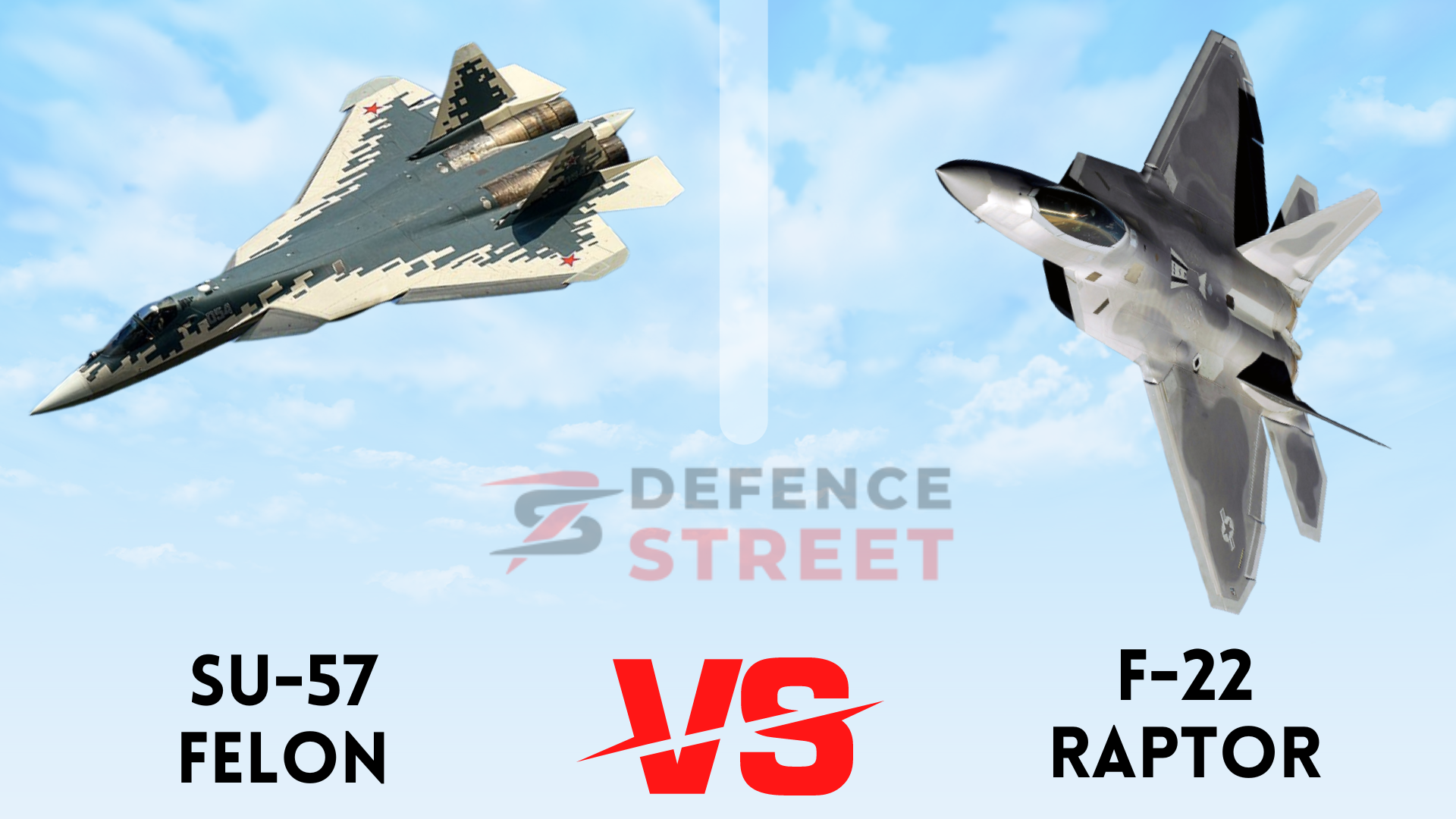
  • Su-57 Felon Vs. F-22 Raptor An Epic Battle in the Skies

    Su-57 Felon Vs. F-22 Raptor An Epic Battle in the Skies

    In the ever-evolving world of military aviation, two formidable fighter jets have captured the imagination of aviation enthusiasts and defense experts alike: the Su-57 Felon and the F-22 Raptor. These two cutting-edge fifth-generation fighter aircraft represent the pinnacle of modern aerial combat technology, combining stealth, agility, and advanced avionics to dominate the skies. As the world’s superpowers seek to maintain their air superiority, the Su-57 and F-22 have emerged as the flag bearers of their respective nations – Russia and the United States.

    The Su-57 Felon, developed by Russia’s Sukhoi Design Bureau, is a striking display of technological prowess. With its sleek lines and advanced composite materials, the Felon boasts excellent radar-evading capabilities. Its integrated avionics system, supercruise capability, and advanced electronic warfare suite make it a versatile and lethal adversary in any engagement.

    On the other side of the battlefield stands the F-22 Raptor, the pride of the U.S. Air Force. Produced by Lockheed Martin, this remarkable fighter jet revolutionized air warfare with its stealth features and unparalleled maneuverability. Equipped with advanced sensors, sophisticated radar, and an array of cutting-edge weaponry, the Raptor has consistently demonstrated its dominance in simulated and real-world combat scenarios.

    As these two fighters prepare to face off, it is essential to understand their unique features, strengths, and weaknesses. While the Su-57 emphasizes a robust air-to-ground combat capability, the F-22 excels in air superiority missions. The Felon’s agility and advanced weapons complement its ground-attack capabilities, whereas the Raptor’s unmatched stealth and situational awareness give it an edge in air-to-air engagements.

    In this blog series, we will delve into the fascinating world of these two exceptional aircraft, exploring their design philosophies, key technologies, combat performance, and the ongoing efforts to enhance their capabilities. We will examine the challenges faced by their respective development programs, the geopolitical implications of their deployment, and the impact they have had on the balance of power in the ever-competitive world of military aviation.

    Su-57 Felon Vs. F-22 Raptor

    Stealth Capabilities:

    • Su-57 Felon: The Felon incorporates advanced stealth technologies such as a carefully designed shape, radar-absorbent materials, and reduced infrared and electromagnetic signatures. It features angled surfaces and serrated edges to minimize its radar cross-section, making it harder to detect and track.
    • F-22 Raptor: The Raptor boasts exceptional stealth capabilities, including a carefully crafted shape, radar-absorbent coatings, and internal weapon bays that eliminate external stores, reducing its radar signature. The Raptor’s design and materials significantly reduce its infrared and electromagnetic emissions, enhancing its stealthiness.

    Avionics and Sensors:

    • Su-57 Felon: The Su-57 is equipped with an advanced avionics suite, featuring a powerful active electronically scanned array (AESA) radar system that provides long-range detection and tracking of multiple targets simultaneously. It also integrates a suite of sensors, including electro-optical targeting systems and infrared search and track capability.
    • F-22 Raptor: The Raptor’s avionics include the state-of-the-art AN/APG-77 AESA radar, which enables long-range detection and tracking with high resolution and low probability of interception. The Raptor also incorporates an array of advanced sensors, including infrared search and track, electronic warfare systems, and data fusion capabilities.

    Maneuverability and Performance:

    • Su-57 Felon: The Felon exhibits exceptional maneuverability, with thrust-vectoring engines that allow for precise control during high-G maneuvers. It has supercruise capability, enabling sustained supersonic flight without using afterburners, enhancing its range and speed.
    • F-22 Raptor: The Raptor is renowned for its unmatched maneuverability, attributed to its thrust-vectoring engines and a unique combination of aerodynamic design and flight control systems. The Raptor’s ability to execute high angles of attack and rapid turns provides it with a significant advantage in close-range dogfights.

    Weapons and Combat Capabilities:

    • Su-57 Felon: The Felon can carry a diverse array of air-to-air and air-to-ground weapons, including long-range air-to-air missiles, precision-guided munitions, and cruise missiles. It features an internal weapons bay, minimizing its radar signature, and can also carry external stores on its wings.
    • F-22 Raptor: The Raptor is equipped with a range of air-to-air missiles, including beyond-visual-range AIM-120 AMRAAM missiles, as well as air-to-ground weapons such as Joint Direct Attack Munitions (JDAMs). The Raptor’s advanced sensors and data fusion capabilities enhance its ability to detect and engage multiple targets simultaneously.

    Role and Mission Focus:

    • Su-57 Felon: The Felon emphasizes its multirole capabilities, excelling in both air-to-air and air-to-ground missions. It is designed to conduct ground attacks, provide close air support, and engage enemy aircraft in air-to-air combat.
    • F-22 Raptor: The Raptor primarily focuses on air superiority missions, aiming to establish and maintain control of the airspace. It is optimized for air-to-air combat but also has limited air-to-ground capabilities.

    Su-57 Vs. F-22 Data Table

    Here’s a data table comparing some key specifications of the Su-57 Felon and the F-22 Raptor:

    Specification Su-57 Felon F-22 Raptor
    Country Russia United States
    Manufacturer Sukhoi Design Bureau Lockheed Martin
    First Flight 2010 1997
    Role Multirole Fighter Air Superiority Fighter
    Length 22.0 meters 18.9 meters
    Wingspan 14.0 meters 13.6 meters
    Height 6.0 meters 5.1 meters
    Maximum Speed Mach 2 (2,440 km/h) Mach 2.25 (2,410 km/h)
    Range 3,500 kilometers (2,175 miles) 2,960 kilometers (1,840 miles)
    Service Ceiling 20,000 meters (65,617 feet) 20,000 meters (65,617 feet)
    Thrust 2 x 175 kN (with afterburner) 2 x 156 kN (with afterburner)
    Engines Saturn AL-41F1 Pratt & Whitney F119-PW-100
    Stealth Features Advanced radar-absorbent materials Carefully crafted shape and coatings
    Radar AESA Radar System AN/APG-77 AESA Radar
    Sensors Electro-optical targeting system Infrared search and track, electronic warfare systems
    Combat Radius 1,500 kilometers (932 miles) 1,740 kilometers (1,080 miles)
    Weapons Air-to-air and air-to-ground munitions Air-to-air and limited air-to-ground munitions
    Crew 1 1

    It’s important to note that these specifications are approximate and may vary depending on the specific variant or configuration of each aircraft. Additionally, both the Su-57 Felon and the F-22 Raptor have undergone continuous development and improvement, so newer variants may possess enhanced capabilities beyond those mentioned here.

    Similarity between Su-57 Felon and the F-22 Raptor

    While the Su-57 Felon and the F-22 Raptor are distinct aircraft representing different nations, there are several similarities between them due to their shared status as fifth-generation fighter jets. Some of the key similarities include:

    • Stealth Technology: Both the Su-57 Felon and the F-22 Raptor prioritize stealth capabilities. They incorporate advanced materials and design features to reduce their radar cross-section and infrared signatures, making them difficult to detect and track by enemy radar systems.
    • Advanced Avionics: Both aircraft are equipped with state-of-the-art avionics and sensor suites. They feature advanced radar systems, including active electronically scanned array (AESA) radars, for long-range detection and tracking of multiple targets. They also employ infrared search and track capabilities to detect and engage targets based on their heat signatures.
    • Supercruise Capability: Both the Su-57 and the F-22 have the ability to achieve supersonic speeds without relying on afterburners. This “supercruise” capability enables them to cover long distances at high speeds while conserving fuel and maintaining stealth.
    • Maneuverability: Both aircraft possess impressive maneuvering capabilities. They feature thrust-vectoring engines, allowing them to execute high-G maneuvers, rapid turns, and enhanced control during air combat engagements. This exceptional maneuverability provides them with a significant advantage in dogfights.
    • Networked Warfare: Both the Su-57 and the F-22 are designed to operate as part of a networked force. They can exchange real-time information with other aircraft and ground-based systems, enhancing their situational awareness and enabling coordinated operations with other friendly assets.
    • Next-Generation Capabilities: As fifth-generation fighters, both the Su-57 Felon and the F-22 Raptor incorporate cutting-edge technologies and advanced systems. They leverage advanced data fusion, electronic warfare capabilities, and enhanced connectivity to gain a comprehensive understanding of the battlespace and engage enemy threats effectively.

    Who Wins between Su-57 Vs. F-22?

    It is impossible to determine a clear winner between the Su-57 Felon and the F-22 Raptor in a hypothetical matchup. Both are highly advanced fifth-generation fighters with unique capabilities, and the outcome would depend on various factors, including pilot skill, tactics, and specific engagement conditions. In reality, such a direct confrontation is unlikely, as they belong to different countries and operate in separate contexts. The true strength of these aircraft lies in their integration into comprehensive air force operations, complementing broader military capabilities.

    Conclusion

    The Su-57 Felon and the F-22 Raptor represent the apex of modern fighter aircraft technology, showcasing the innovation and capabilities of their respective nations. While there are similarities between the two aircraft, such as their focus on stealth, advanced avionics, and maneuverability, they also possess unique features that distinguish them in terms of mission focus and operational capabilities.

    In a hypothetical matchup between the Su-57 and the F-22, the outcome would depend on several factors, including the specific mission objectives, the skill of the pilots, and the tactical approach employed. Both aircraft have their strengths and weaknesses, and the result would be influenced by the ability to exploit these attributes effectively.

    Overall, the Su-57 Felon and the F-22 Raptor exemplify the continuous evolution of fighter aircraft technology, pushing the boundaries of performance, stealth, and situational awareness. Their capabilities have significantly impacted the landscape of modern air warfare and underscore the ongoing competition for air superiority among nations. As technology advances and new developments emerge, these remarkable aircraft will continue to shape the future of aerial combat, furthering the quest for dominance in the skies.

    FAQs

    Here are some frequently asked questions (FAQs) about these two aircraft:

    Which one is faster and has better range?

    • The F-22 has a higher top speed, capable of reaching speeds over Mach 2. The Su-57 is also supersonic but has a slightly lower top speed.
    • The range of both aircraft can vary depending on mission profiles and fuel load, but the F-22 generally has a longer combat radius.

    Are they equally stealthy?

    • Both aircraft are designed with stealth in mind, but the exact level of stealth and the methods used to achieve it differ between them. The F-22 is often considered to have a higher level of stealth due to its design and materials. However, the Su-57 also incorporates stealth features.

    Which one is more widely used?

    • The F-22 Raptor is in service with the United States Air Force (USAF) and has been used in various training exercises and deployments. The Su-57 is in limited service with the Russian Aerospace Forces, and its production and deployment have been slower.

    Are there any export versions of these aircraft?

    • The United States has not exported the F-22 Raptor to other countries due to security concerns. Russia has offered export versions of the Su-57, known as the Su-57E, for potential international customers.

    Can they carry nuclear weapons?

    • The F-22 Raptor is not configured to carry nuclear weapons. The Su-57, however, is capable of carrying nuclear weapons, as it is intended for multi-role missions.

    What is the future outlook for these aircraft?

    • The F-22 Raptor program has been discontinued, and the USAF is shifting its focus to the development of the next-generation fighter known as the Next-Generation Air Dominance (NGAD) program.
    • The Su-57 program continues, and Russia may further develop and produce more units for its own use and potential export.
  • Rafale vs. F-22 Raptor – A Detailed Comparison of Two Elite Fighter Jets

    Rafale vs. F-22 Raptor – A Detailed Comparison of Two Elite Fighter Jets

    Rafale vs. F-22: The world of military aviation has witnessed the rise of some truly remarkable fighter jets over the years, and among them, the Rafale and the F-22 stand out as two of the most formidable and advanced. Hailing from France and the United States, respectively, these aircraft represent the cutting edge of aerospace technology and have been integral to the defense strategies of their nations. In this detailed comparison, we will delve deep into the key aspects of these elite fighter jets, analyzing their capabilities, design philosophies, and operational roles to help you understand the Rafale vs. F-22 rivalry.

    Join us on this exhilarating journey as we dissect and compare the Rafale and the F-22 in a head-to-head battle for supremacy in the skies. By the end of this blog, you’ll have a deeper appreciation for the remarkable achievements of these fighter jets, and you may even find yourself favoring one over the other in the ongoing debate of Rafale vs. F-22. So, fasten your seatbelts and prepare for an exciting dive into the world of modern air power!

    Rafale vs. F-22 Raptor

    Origin and Development:

    • Rafale: Developed by Dassault Aviation, the Rafale is a multirole fighter aircraft that has been in service since the late 20th century. It was designed to replace several aging French fighter aircraft and has evolved through various variants, including the Rafale C, B, and M models.
    • F-22: The F-22 Raptor, developed by Lockheed Martin, is an air superiority fighter introduced into service with the United States Air Force in the early 2000s. It was designed from the ground up as an air dominance platform.

    Stealth and Radar Capabilities:

    • Rafale: The Rafale incorporates some stealth features but is not a dedicated stealth aircraft. It relies on electronic warfare and advanced radar systems for its survivability.
    • F-22: The F-22 is renowned for its stealth capabilities, with a design that significantly reduces its radar cross-section. It can operate deep within contested airspace without being easily detected.

    Performance and Speed:

    • Rafale: The Rafale is a highly agile and versatile fighter, capable of reaching speeds of approximately Mach 2. It is known for its exceptional aerodynamics and agility.
    • F-22: The F-22 is one of the fastest fighter jets in the world, reaching speeds of over Mach 2. It combines speed with unparalleled maneuverability.

    Armament and Weapons Systems:

    • Rafale: The Rafale is equipped with a wide range of air-to-air and air-to-ground munitions, making it a true multirole fighter. It can carry advanced missiles, precision-guided bombs, and a 30mm cannon.
    • F-22: The F-22 carries a potent mix of air-to-air missiles and is primarily designed for air dominance. It can engage multiple targets simultaneously and has advanced radar-guided missiles.

    Operational Roles:

    • Rafale: The Rafale is a versatile aircraft used for air defense, ground attack, reconnaissance, and electronic warfare. It plays a vital role in the French military’s global operations.
    • F-22: The F-22 is primarily an air superiority fighter, focused on establishing and maintaining control of the airspace. Its primary mission is to ensure the freedom of action for other assets.

    Export and Global Reach:

    • Rafale: France has successfully exported the Rafale to several countries, including India, Egypt, and Qatar, expanding its global presence.
    • F-22: The F-22 is not available for export due to strict U.S. regulations, limiting its global reach.

    Rafale vs. F-22 Data Table

    Here’s a data table comparing key specifications of the Rafale and the F-22 Raptor:

    Specification Rafale F-22 Raptor
    Origin France United States
    First Flight 1986 1997
    Role Multirole Air Superiority Fighter
    Manufacturer Dassault Aviation Lockheed Martin
    Crew 1 (Single-seat) or 2 (Twin-seat) 1 (Single-seat)
    Length 15.27 meters (Single-seat) 18.90 meters
    Wingspan 10.80 meters 13.56 meters
    Height 5.30 meters 5.09 meters
    Maximum Takeoff Weight 24,500 kg (Single-seat) 38,000 kg
    Max Speed (approx.) Mach 2 Mach 2+
    Range (approx.) 3,700 km (2,300 miles) 2,960 km (1,840 miles)
    Combat Radius (approx.) 1,852 km (1,150 miles) 759 km (471 miles)
    Engines 2x Snecma M88 2x Pratt & Whitney F119
    Thrust 2x 7,000 kgf (M88) 2x 15,000+ lbf (F119)
    Stealth Capabilities Limited (S-shaped intakes, reduced IR signature) High (RCS reduction, advanced materials)
    Radar System Thales RBE2 AESA AN/APG-77 AESA
    Armament Air-to-air and air-to-ground munitions, 30mm cannon Air-to-air missiles (AIM-120, AIM-9), 20mm cannon
    Operational Roles Air defense, ground attack, reconnaissance, electronic warfare Air superiority, air dominance
    Export Availability Yes (exported to India, Egypt, Qatar, etc.) No (restricted by U.S. law)
    Unit Cost (approx.) $90-100 million (varies by model) $150+ million (inflation-adjusted)
    Total Produced (as of 2021) Over 200 195 (production ceased)
    Notable Users France, India, Egypt, Qatar United States

    Please note that these specifications are approximate and can vary depending on specific variants and upgrades.

    Similarities between the Rafale & F-22

    While the Rafale and the F-22 are distinct fighter jets with different primary roles and design philosophies, there are still some notable similarities between the two aircraft:

    • Advanced Avionics: Both the Rafale and the F-22 are equipped with state-of-the-art avionics and sensor suites. They feature advanced radar systems, electronic warfare capabilities, and secure communication systems that enhance their situational awareness and survivability in complex operational environments.
    • Multirole Capability: While the F-22 is primarily an air superiority fighter and the Rafale is a multirole fighter, both aircraft are designed to perform a wide range of missions. The Rafale can engage in air defense, ground attack, reconnaissance, and electronic warfare, while the F-22 can conduct air-to-air combat and also has limited ground attack capabilities.
    • High Maneuverability: Both aircraft are known for their agility and maneuverability. The Rafale’s delta wing design and fly-by-wire controls allow it to perform impressive aerobatics and maintain control in dogfights. The F-22, with its thrust vectoring technology, can execute extreme maneuvers that provide it with a significant advantage in air combat.
    • Advanced Engines: Both the Rafale and the F-22 are powered by modern and powerful engines. The Rafale uses the Snecma M88 engine, while the F-22 is equipped with the Pratt & Whitney F119 engine. These engines offer high thrust-to-weight ratios, enabling both aircraft to achieve impressive speed and climb rates.
    • Stealth Features: While the F-22 is known for its exceptional stealth capabilities, the Rafale also incorporates some stealth features, although to a lesser extent. Both aircraft employ design elements and materials to reduce their radar cross-sections and enhance their survivability in contested airspace.
    • Data Fusion and Networking: Both the Rafale and the F-22 are capable of data fusion and network-centric warfare. They can collect and share real-time data with other friendly aircraft and assets, enhancing their overall combat effectiveness through improved situational awareness and coordination.
    • Beyond Visual Range Missiles: Both aircraft are equipped with advanced beyond visual range air-to-air missiles, allowing them to engage enemy aircraft from extended distances. The Rafale can carry missiles like the Meteor, while the F-22 uses missiles such as the AIM-120 AMRAAM.
    • Supercruise: Both the Rafale and the F-22 have the ability to supercruise, which means they can sustain supersonic speeds without the need for afterburners. This feature provides them with greater operational flexibility and endurance during high-speed missions.

    While these similarities exist, it’s important to emphasize that each aircraft has its own unique strengths and capabilities tailored to its specific mission profiles. The Rafale excels in versatility, while the F-22 is unparalleled in air superiority. These distinctions make them complementary assets in the modern air forces that operate them.

    Conclusion: Rafale & F-22

    In conclusion, the Rafale and the F-22 Raptor are two iconic fighter aircraft that showcase the pinnacle of aerospace technology and capabilities from France and the United States, respectively. While they have different design philosophies and primary roles, each aircraft brings a unique set of strengths to the table, making them vital components of their respective nations’ air forces.

    The Rafale, born out of French innovation, is a multirole fighter known for its adaptability and versatility. It can excel in various mission profiles, including air defense, ground attack, reconnaissance, and electronic warfare. With its advanced avionics, impressive agility, and export success, the Rafale has established itself as a valuable asset on the international stage, serving the defense needs of multiple countries.

    On the other hand, the F-22 Raptor, developed by the United States, represents the epitome of air superiority. Its advanced stealth technology, high-speed capabilities, and unmatched maneuverability make it the ultimate choice for dominating the skies. While export restrictions limit its global reach, the F-22’s focus on air dominance ensures it plays a pivotal role in securing airspace and maintaining freedom of action for other assets.

    In the Rafale vs. F-22 comparison, it’s evident that their differences are rooted in their specific missions and operational priorities. The Rafale shines as a versatile workhorse, capable of handling diverse combat scenarios, while the F-22 stands as the undisputed king of air-to-air combat, guaranteeing aerial supremacy in contested environments.

    FAQs

    1. What is the F-22 Raptor, and what is its primary role in the U.S. Air Force?

    • The F-22 Raptor is a fifth-generation, twin-engine, air superiority fighter developed by Lockheed Martin. Its primary role in the U.S. Air Force is to establish and maintain air dominance, ensuring control of the airspace in contested environments.

    2. How many F-22 Raptors are currently in service with the U.S. Air Force?

    • As of my last knowledge update in September 2021, there were approximately 195 F-22 Raptors in service with the U.S. Air Force. Production of the F-22 ceased, and efforts have focused on sustaining and upgrading the existing fleet.

    3. What makes the F-22 a superior air-to-air combat aircraft?

    • The F-22’s superiority in air-to-air combat is attributed to its advanced stealth technology, high speed, agility, and thrust vectoring capabilities. It also boasts an impressive sensor suite and the ability to engage multiple targets simultaneously.

    4. Can the F-22 perform ground attack missions?

    • While the F-22 is primarily designed for air superiority, it does have limited ground attack capabilities. It can carry precision-guided munitions and engage ground targets when necessary, but it’s not optimized for this role like the A-10 or F-35.

    5. Is the F-22 available for export to other countries?

    • No, the F-22 Raptor is not available for export due to strict U.S. regulations. It remains in service exclusively with the U.S. Air Force.

    6. What is the Rafale, and how does it contribute to U.S. military operations?

    • The Rafale is a multirole fighter aircraft developed by Dassault Aviation in France. While it doesn’t directly contribute to U.S. military operations, it plays a vital role in the defense strategies of its user nations and contributes to multinational coalition efforts in various international operations.

    7. How does the Rafale compare to the F-22 in terms of versatility?

    • The Rafale is highly versatile and capable of performing a wide range of missions, including air defense, ground attack, reconnaissance, and electronic warfare. In contrast, the F-22 is primarily focused on air-to-air combat and air dominance, with limited ground attack capabilities.

    8. Has the Rafale been exported to any U.S. allies or partner nations?

    • Yes, the Rafale has been exported to several U.S. allies and partner nations, including India, Egypt, and Qatar, expanding its global presence and influence.

    9. How does the export of advanced fighter aircraft like the Rafale impact U.S. interests?

    • The export of advanced fighter aircraft by other countries can impact U.S. interests in various ways. It can influence regional power balances and affect interoperability in coalition operations. Additionally, it may create competition in the global defense market.
  • MiG-29 Vs. JF-17 Thunder – Comparison, BVR & Dogfight

    MiG-29 Vs. JF-17 Thunder – Comparison, BVR & Dogfight

    MiG-29 Vs. JF-17 Thunder: In the dynamic realm of military aviation, the skies are often dominated by a range of formidable fighter aircraft, each designed to meet specific strategic objectives and operational needs. Among the many aircraft that have captured the attention of aviation enthusiasts and military analysts alike, the MiG-29 and the JF-17 Thunder stand out as two iconic fighters, each with its unique set of characteristics and capabilities.

    The MiG-29, a product of the Soviet Union’s aerospace prowess during the Cold War era, has earned a reputation for its agility and air-to-air combat capabilities. On the other hand, the JF-17 Thunder, developed through a collaboration between Pakistan and China, has emerged as a cost-effective multi-role fighter designed to meet the diverse requirements of modern air forces.

    In this blog, we will delve into the world of military aviation and explore the key features, strengths, and weaknesses of these two fighter jets. As we embark on this comparative journey, we will gain insight into their historical contexts, technological advancements, and the roles they play in today’s complex global security landscape. Join us as we take a closer look at the MiG-29 and the JF-17 Thunder, assessing their potential in the ever-evolving theater of aerial combat.

    MiG-29 Vs. JF-17 Thunder

    The world of military aviation is rife with fierce competition, as nations strive to equip their air forces with the most capable and versatile fighter jets. In this detailed comparison, we will explore two prominent contenders: the MiG-29, a Russian classic, and the JF-17 Thunder, a joint endeavor between Pakistan and China. Each of these fighter aircraft brings its own unique strengths to the table, making for an intriguing matchup.

    MiG-29: A Soviet Legend

    The MiG-29, developed during the Cold War era, has become synonymous with Soviet and later Russian air power. Known as the “Fulcrum” in NATO terminology, this agile fighter was designed primarily for air superiority missions.

    JF-17 Thunder: A Collaborative Effort

    The JF-17 Thunder, short for “Joint Fighter-17,” represents a collaboration between Pakistan and China. This lightweight, multi-role fighter was conceived to offer cost-effective versatility, making it attractive to a range of air forces, particularly those with budget constraints.

    Now, let’s dive deeper into the comparison:

    Performance and Agility:

    • MiG-29: The MiG-29 boasts exceptional maneuverability, thanks to its thrust-to-weight ratio and aerodynamic design. It can reach Mach 2.25 and has a combat radius of around 1,000 kilometers.
    • JF-17 Thunder: While not as agile as the MiG-29, the JF-17 is no slouch. It can achieve Mach 1.6 and has a combat radius of approximately 1,352 kilometers.

    Avionics and Radar:

    • MiG-29: The MiG-29’s radar systems have seen various upgrades over the years, with modern variants sporting advanced AESA (Active Electronically Scanned Array) radar. It offers good situational awareness and target tracking capabilities.
    • JF-17 Thunder: The JF-17 Thunder is equipped with a pulse-Doppler radar, with plans for AESA radar upgrades. It provides adequate tracking and targeting capabilities.

    Armament and Payload:

    • MiG-29: The MiG-29 can carry a wide array of air-to-air and air-to-ground munitions, including R-73 and R-77 air-to-air missiles and a variety of precision-guided munitions.
    • JF-17 Thunder: The JF-17 is designed to carry a diverse range of munitions, including AIM-120 air-to-air missiles and various air-to-ground weapons, enhancing its multi-role capabilities.

    Cost and Maintenance:

    • MiG-29: While the MiG-29 is a potent fighter, it can be costly to maintain due to its age and complexity, which might deter budget-conscious air forces.
    • JF-17 Thunder: The JF-17’s affordability and ease of maintenance make it an attractive option for countries seeking modernization without breaking the bank.

    Export Success:

    • MiG-29: The MiG-29 has found buyers in various countries, but its export success has waned in recent years, partly due to concerns over parts availability and maintenance.
    • JF-17 Thunder: The JF-17 Thunder has enjoyed success in the export market, with several countries opting for this cost-effective fighter.

    MiG-29 Vs. JF-17 Thunder Data Table

    Here’s a data table comparing the MiG-29 and the JF-17 Thunder across various key parameters:

    Parameter MiG-29 (Fulcrum) JF-17 Thunder
    Origin Russia (Soviet Union) Pakistan and China
    Role Air superiority fighter Multi-role fighter
    First Flight 1977 2003
    Maximum Speed Mach 2.25 Mach 1.6
    Combat Radius Approx. 1,000 kilometers Approx. 1,352 kilometers
    Thrust-to-Weight Ratio High Moderate
    Radar AESA (varies by version) Pulse-Doppler (AESA upgrades planned)
    Avionics Modernized systems Developing capabilities
    Armament Air-to-air and air-to-ground missiles Versatile munitions selection
    Export Success Declining due to age and maintenance Growing with affordability and demand
    Cost and Maintenance 25–32 million $
    High maintenance costs
    29 million $
    Affordable and relatively low

    Please note that specific performance and capability details may vary depending on the variant and upgrades of each aircraft.

    Similarity between MiG-29 & JF-17 Thunder

    While the MiG-29 and JF-17 Thunder are distinct fighter aircraft with different origins and design philosophies, they do share some similarities:

    • Multi-Role Capabilities: Both the MiG-29 and the JF-17 Thunder are designed to be multi-role fighters, meaning they can perform a variety of mission types. They are not limited solely to air-to-air combat but can also engage in air-to-ground missions, making them versatile assets for air forces with diverse operational requirements.
    • Cost-Effectiveness: One of the key design principles behind the JF-17 Thunder was affordability. Similarly, some variants of the MiG-29, particularly those offered for export, have been marketed as cost-effective options for countries seeking modern fighter aircraft without a prohibitively high price tag. This cost-effectiveness has contributed to their appeal to budget-conscious air forces.
    • Export Success: Both aircraft have had some success in the international arms market. The JF-17 Thunder has been exported to several countries, and various versions of the MiG-29 have been sold to numerous nations. Their export potential is partly driven by their affordability and adaptability to different operational needs.
    • Upgradability: Both aircraft have seen upgrades and modernization efforts to keep them relevant in the ever-evolving landscape of modern air warfare. These upgrades often include improvements in avionics, radar, and weapons systems.
    • Relatively Compact Size: Both the MiG-29 and JF-17 Thunder are relatively compact fighter aircraft, which can be advantageous for operations in environments with limited runway facilities or on aircraft carriers, where space is at a premium.
    • External Fuel Tanks: Both aircraft have the capability to carry external fuel tanks, extending their operational range. This feature is especially important for missions that require flying long distances or patrolling large areas.
    • Operational Service: Both the MiG-29 and the JF-17 Thunder have been in active service with various air forces around the world, contributing to their operational experience and proven track records.

    Conclusion

    In the comparison between the MiG-29 and the JF-17 Thunder, we’ve explored two distinct fighter aircraft with their own unique attributes and roles in the world of military aviation. These two fighters, despite their differences, both bring strengths to the table that cater to the operational needs and budgets of various air forces.

    The MiG-29, with its origins in the Soviet Union and a legacy of air superiority, remains a highly maneuverable and potent aircraft. Its advanced variants boast modern avionics and radar systems, making it a capable platform for air-to-air combat and air-to-ground missions. However, the MiG-29’s maintenance costs and aging airframes have led some air forces to explore alternatives.

    On the other hand, the JF-17 Thunder, born from a collaborative effort between Pakistan and China, offers a cost-effective solution for air forces seeking versatility on a budget. While it may not match the MiG-29 in terms of raw agility, it compensates with affordability and the ability to carry a diverse range of munitions. The JF-17 Thunder’s export success and upgradability make it an attractive option for many nations.

    Ultimately, the choice between the MiG-29 and the JF-17 Thunder depends on a nation’s specific requirements, budget constraints, and strategic priorities. The MiG-29, with its established reputation, may still find favor among air forces looking for a high-performance fighter, while the JF-17 Thunder appeals to those seeking a capable multi-role platform without breaking the bank.

    Frequently Asked Questions (FAQs)

    Here are some frequently asked questions (FAQs) about the MiG-29 and the JF-17 Thunder:

    1. What are the origins of the MiG-29 and the JF-17 Thunder?

    • The MiG-29 originates from the Soviet Union (now Russia) and was developed during the Cold War.
    • The JF-17 Thunder is a joint venture between Pakistan and China, with the aircraft’s development beginning in the early 2000s.

    2. What is the primary role of the MiG-29 and the JF-17 Thunder?

    • The MiG-29 is primarily designed as an air superiority fighter, focused on air-to-air combat.
    • The JF-17 Thunder is a multi-role fighter, capable of performing air-to-air and air-to-ground missions.

    3. How do their speeds and ranges compare?

    • The MiG-29 can reach speeds of up to Mach 2.25 and has a combat radius of approximately 1,000 kilometers.
    • The JF-17 Thunder can achieve speeds of Mach 1.6 and has a combat radius of about 1,352 kilometers.

    4. What types of radar do they use?

    • The MiG-29’s radar systems have evolved over the years, with modern variants featuring advanced AESA (Active Electronically Scanned Array) radar.
    • The JF-17 Thunder is equipped with a pulse-Doppler radar, with plans for AESA radar upgrades in some versions.

    5. How do their armament and payload capabilities compare?

    • The MiG-29 can carry a wide range of air-to-air and air-to-ground munitions, including advanced missiles and precision-guided weapons.
    • The JF-17 Thunder is designed to carry various air-to-air and air-to-ground weapons, making it versatile for different mission profiles.

    6. Which aircraft is more cost-effective?

    • The JF-17 Thunder is generally considered more cost-effective in terms of acquisition and maintenance costs, making it attractive to air forces with budget constraints.

    7. Have they been successful in the export market?

    • While the MiG-29 has been exported to several countries, its export success has declined in recent years due to concerns about maintenance and parts availability.
    • The JF-17 Thunder has enjoyed growing success in the export market, particularly among countries seeking affordable and capable fighter aircraft.

    8. Are there plans for future upgrades for these aircraft?

    • Both the MiG-29 and the JF-17 Thunder have seen upgrades and modernization efforts to keep them relevant. Future upgrades are expected to enhance their capabilities further.
  • Su-57 Felon Vs. F-16 Fighting Falcon Comparison, BVR & Dogfight

    Su-57 Felon Vs. F-16 Fighting Falcon Comparison, BVR & Dogfight

    In the midst of the turbulent and complex geopolitical landscape of the 21st century, military aviation plays a pivotal role in shaping the outcome of conflicts and ensuring the security of nations. At the heart of this ever-evolving arena are two formidable fighter jets: the Sukhoi Su-57 and the Lockheed Martin F-16. These aircraft are not only symbols of cutting-edge technology but also protagonists in the ongoing drama that is the Russia-Ukraine war.

    As the Russia-Ukraine conflict rages on, the world watches closely, not only for its immediate implications but also for the broader contest between military powers. The Su-57 and F-16 represent the pinnacle of their respective nations’ aerospace capabilities, and their roles in this conflict are a microcosm of the broader global struggle for influence and dominance.

    As we dissect the Su-57 and F-16, we cannot ignore the stark contrast between their origins. The Su-57 is the product of Russian engineering, reflecting the nation’s desire to maintain its status as a major player in the global defense industry. On the other hand, the F-16, an iconic American creation, has been embraced by numerous countries worldwide, symbolizing the United States’ commitment to military partnerships and alliances

    In this blog, we will embark on a comprehensive exploration of the Su-57 and F-16, delving into their histories, design philosophies, technological advancements, and combat capabilities.

    Su-57 vs. F-16 Detailed Comparison

    A detailed comparison between the Sukhoi Su-57 and the Lockheed Martin F-16 involves evaluating various aspects of these two fighter jets, including their design, capabilities, performance, and roles. Here’s an in-depth analysis:

    Design and Origin:

    • Su-57: The Su-57, also known as the PAK FA (Prospective Airborne Complex of Frontline Aviation), is a fifth-generation stealth fighter aircraft developed by Russia. It is designed to excel in air superiority and strike missions and is intended to replace older Russian fighter aircraft, such as the Su-27 and MiG-29.
    • F-16: The F-16, also known as the Fighting Falcon, is a fourth-generation multirole fighter developed by the United States. It was originally designed as a lightweight and cost-effective fighter with a focus on versatility and adaptability. The F-16 has been widely exported and used by many countries around the world.

    Stealth and Survivability:

    • Su-57: The Su-57 features advanced stealth capabilities, with a reduced radar cross-section (RCS), internal weapon bays, and advanced radar-absorbent materials. It incorporates sensor fusion and electronic warfare systems for improved situational awareness and survivability.
    • F-16: The F-16 is not a stealth aircraft and relies on speed, agility, and electronic countermeasures for survivability. While it can carry jamming pods and chaff/flare dispensers, it lacks the low observability features of a true stealth aircraft.

    Performance:

    • Su-57: The Su-57 boasts impressive speed, maneuverability, and supercruise capability (the ability to sustain supersonic speeds without afterburners). It features advanced avionics, including an AESA radar, and is equipped with the cutting-edge Izdeliye 30 engines for enhanced performance.
    • F-16: The F-16 is known for its exceptional agility, especially in dogfighting scenarios. It has a high thrust-to-weight ratio, which allows it to accelerate quickly and maintain energy in aerial combat. However, it lacks supercruise capability.

    Armament and Weaponry:

    • Su-57: The Su-57 can carry a wide range of air-to-air and air-to-ground munitions, including advanced missiles like the R-77 and the K-77M, as well as precision-guided bombs and anti-ship missiles. It can also carry hypersonic missiles for long-range engagements.
    • F-16: The F-16 is known for its versatility and can be armed with a variety of air-to-air and air-to-ground weapons, including AIM-120 AMRAAM and AIM-9 Sidewinder missiles. It can perform precision strike missions, SEAD (Suppression of Enemy Air Defenses), and close air support.

    Role and Mission:

    • Su-57: The Su-57 is primarily designed for air superiority and air dominance missions, making it a key asset in protecting Russian airspace. It can also conduct precision strikes against ground and naval targets.
    • F-16: The F-16 is a multirole fighter, capable of performing a wide range of missions, including air-to-air combat, air-to-ground strikes, reconnaissance, and electronic warfare. It has been used in various conflicts around the world and is highly adaptable to different operational requirements.

    Export and Global Presence:

    • Su-57: The Su-57 has been marketed for export, with potential buyers including India and Turkey. However, its export success has been limited compared to the F-16.
    • F-16: The F-16 has been exported to over 25 countries and has a significant global presence. It has been involved in numerous international conflicts and has a proven track record in combat.

    Su-57 vs. F-16 Data Table

    Here’s a data table comparing key attributes of the Sukhoi Su-57 and the Lockheed Martin F-16:

    Attribute Sukhoi Su-57 Lockheed Martin F-16
    Design and Origin Russian fifth-generation stealth American fourth-generation multirole
    fighter fighter
    Stealth and Survivability Advanced stealth capabilities, Not a stealth aircraft; relies on
    reduced RCS, internal weapon bays speed and agility
    Performance High-speed, supercruise capability, High agility, quick acceleration,
    advanced avionics, AESA radar limited supersonic capability
    Engines Izdeliye 30 engines Various engine options, including
    General Electric and Pratt &
    Whitney
    Maximum Speed Estimated Mach 2 (supercruise) Mach 2+
    Combat Radius Approximately 1,500 kilometers Varies based on mission and fuel
    configuration
    Armament and Weaponry Wide range of air-to-air and Versatile, can carry various air-
    air-to-ground munitions, to-air and air-to-ground weapons
    including hypersonic missiles
    Role and Mission Air superiority, air dominance, Multirole, air-to-air combat, air-
    precision strikes to-ground strikes, reconnaissance,
    electronic warfare
    Export and Global Presence Limited export success, potential Exported to over 25 countries,
    buyers include India and Turkey widely used globally

    Please note that the information provided here is based on general characteristics and capabilities of these aircraft, and specific attributes may vary depending on individual variants and upgrades. Additionally, the Su-57 is a fifth-generation fighter, while the F-16 is a fourth-generation fighter, which inherently affects their capabilities and technology levels.

    Conclusion

    In conclusion, the comparison between the Sukhoi Su-57 and the Lockheed Martin F-16 reveals that these two fighter aircraft serve different roles and excel in distinct areas. The “better” choice between them depends on the specific operational requirements and strategic objectives of the nation or organization using them.

    The Su-57, as a fifth-generation stealth fighter, is designed for air superiority and air dominance missions in high-threat environments. Its advanced stealth capabilities, supercruise capability, and cutting-edge sensor systems make it a formidable choice for contested airspace scenarios. Additionally, the Su-57 has the potential to carry hypersonic missiles, further enhancing its offensive capabilities.

    On the other hand, the F-16, a fourth-generation multirole fighter, is renowned for its versatility and adaptability. It can perform a wide range of missions, including air-to-air combat, air-to-ground strikes, reconnaissance, and electronic warfare. With a proven track record in various conflicts and a broad global user base, the F-16 is a reliable workhorse suitable for a variety of operational scenarios.

    Ultimately, the decision between the Su-57 and F-16 hinges on the specific needs and priorities of the military or organization. If air superiority and advanced stealth capabilities are paramount, the Su-57 may be preferred. However, for versatility, cost-effectiveness, and the ability to tackle a diverse set of missions, the F-16 remains a compelling choice.

    In the complex landscape of modern warfare, having a mix of specialized and adaptable aircraft is often the most strategic approach. Therefore, the “better” choice may not be an either/or scenario but rather a matter of incorporating the right blend of capabilities to meet the evolving challenges of defense and security.

    Frequently Asked Questions (FAQs)

    Here are some frequently asked questions (FAQs) about the Sukhoi Su-57 and the Lockheed Martin F-16:

    1. What are the primary roles of the Su-57 and the F-16?

    • The Su-57 is primarily designed for air superiority and air dominance missions. It is intended to excel in scenarios where stealth and advanced sensor fusion are crucial. It can also perform precision strikes against ground and naval targets.
    • The F-16 is a multirole fighter capable of performing various missions, including air-to-air combat, air-to-ground strikes, reconnaissance, and electronic warfare. Its versatility makes it suitable for a wide range of roles.

    2. Which aircraft has better stealth capabilities?

    • The Su-57 has advanced stealth capabilities, including a reduced radar cross-section (RCS) and internal weapon bays, making it harder to detect by enemy radar systems. The F-16 lacks stealth features and relies more on other survivability measures.

    3. Can the Su-57 carry hypersonic missiles?

    • Yes, the Su-57 has the potential to carry hypersonic missiles, which can greatly enhance its offensive capabilities for long-range engagements.

    4. Is the F-16 a supersonic aircraft?

    • Yes, the F-16 is a supersonic aircraft capable of reaching speeds greater than Mach 2, depending on the specific variant and mission configuration.

    5. How many countries operate the F-16, and how widespread is its use?

    • The F-16 has been exported to over 25 countries, and it is one of the most widely used fighter aircraft globally. It has been involved in numerous international conflicts and has a proven track record in combat.

    6. Is the Su-57 in active service with the Russian military?

    • As of my last knowledge update in September 2021, the Su-57 was still in the process of being introduced into the Russian military. It was undergoing testing and evaluation, and initial deliveries had been made. However, the exact status may have evolved since then.

    7. Which aircraft is more cost-effective?

    • Generally, the F-16 is considered more cost-effective in terms of acquisition and maintenance compared to the Su-57. This cost-effectiveness has contributed to its widespread use and export success.

    8. Can the F-16 be upgraded with modern technologies?

    • Yes, the F-16 can undergo various upgrades to incorporate modern technologies, such as advanced avionics, radar systems, and weapon capabilities. These upgrades can extend the lifespan and enhance the performance of existing F-16 fleets.