Category: Indian Navy

  • Indian Coast Guard Ship Sachet Visit to Zanzibar, Tanzania

    Indian Coast Guard Ship Sachet Visit to Zanzibar, Tanzania

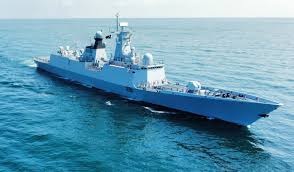
    New Delhi, October 21. Indian Coast Guard Ship (ICGS) Sachet, an indigenously built Offshore Patrol Vessel (OPV), entered Zanzibar, Tanzania on October 20, 2025, marking another milestone in the Indian Coast Guard’s overseas deployment to Africa. The visit underscores India’s commitment to strengthening maritime cooperation and fostering regional partnerships under the Government of India’s SAGAR (Security and Growth for All in the Region) vision.
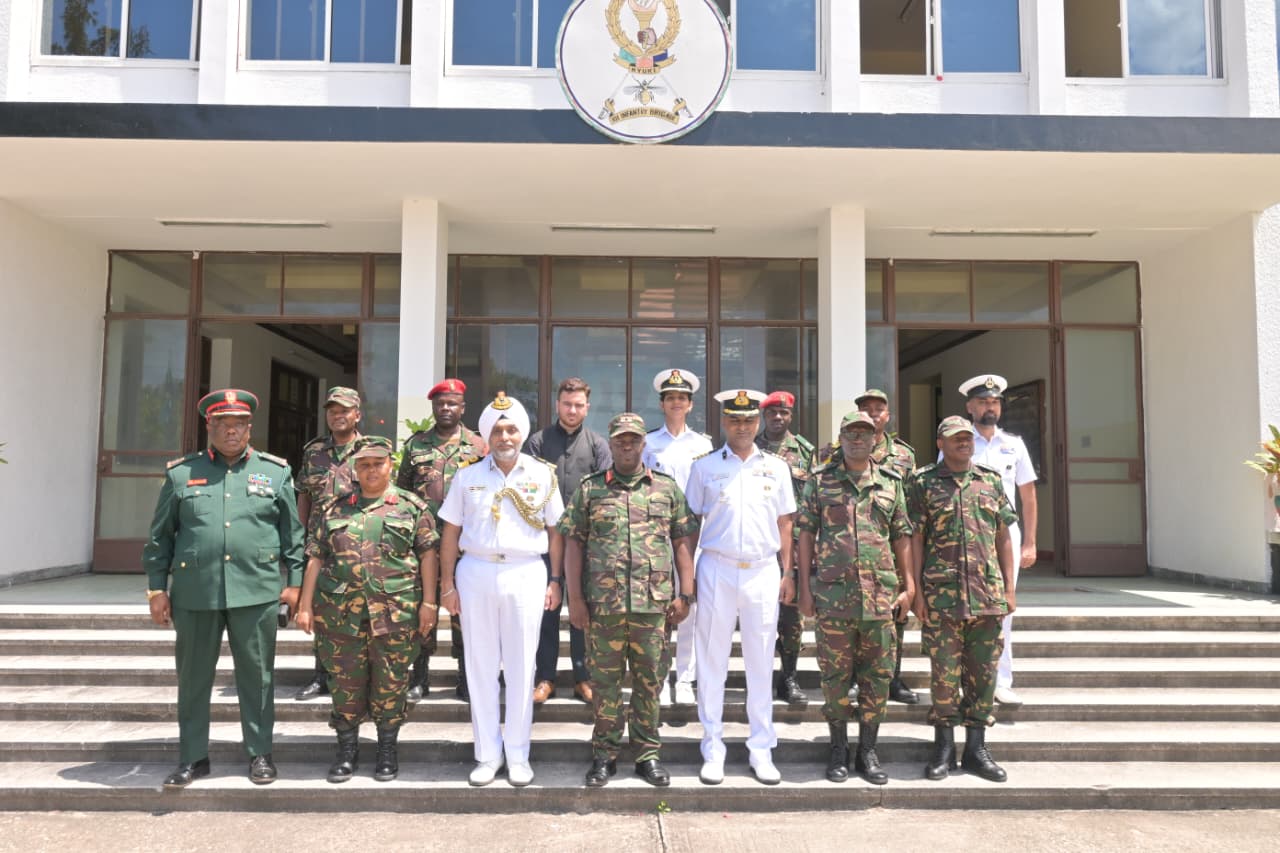
    During its stay in Zanzibar, ICGS Sachet will engage with Tanzanian People’s Defence Force and Maritime Agencies through a series of professional interactions aimed at enhancing cooperation in areas such as Maritime Search and Rescue (M-SAR), Marine Pollution Response (MPR), and Maritime Law Enforcement. These engagements are focused on capacity building, sharing of best practices, and exploration of avenues for future collaboration between the maritime forces of both nations. The visit also serve to showcase India’s shipbuilding capabilities, supporting the concept of “Atmanirbhar Bharat.”

    As part of community outreach initiatives, the crew of ICGS Sachet will participate in a Walkathon and Beach Clean-up Drive organised under the Government of India’s “Puneet Sagar Abhiyan”. The activity aims to raise awareness regarding marine pollution and promote environmental conservation through joint participation of local youth and community organisations in Zanzibar.
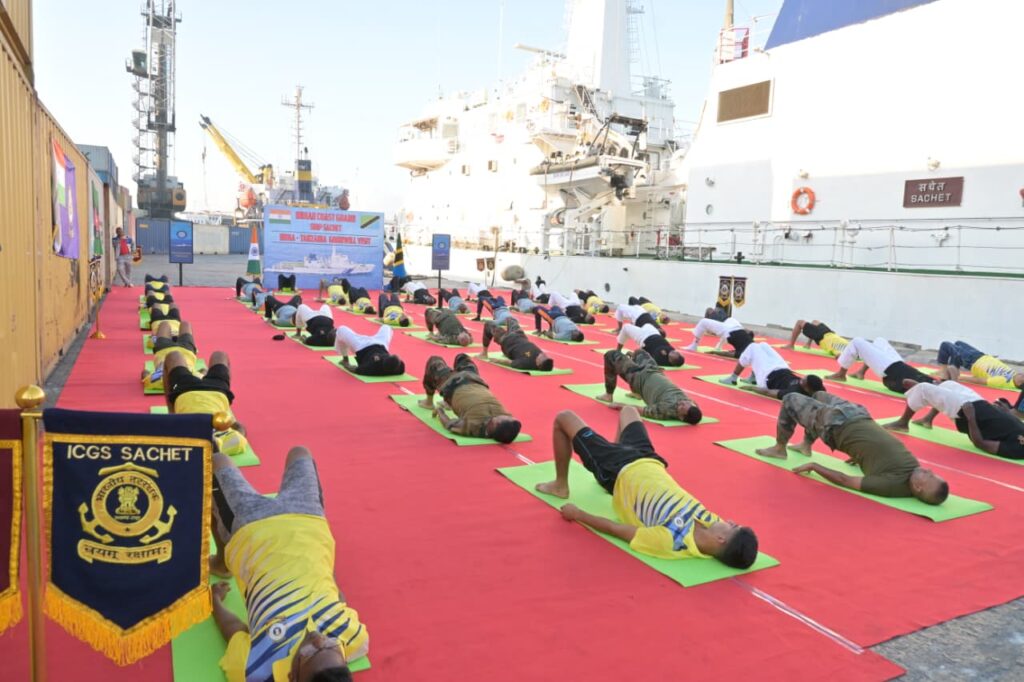
    To promote cultural exchange and wellness, a joint yoga session was conducted by ICGS Sachet on October 21, 2025. Continuing its efforts and to strengthen people-to-people connect, a Community Support Programme is also planned wherein the ship’s crew will conduct outreach and welfare activities in coordination with local institutions. The ship will also be open to visitors, including members of the Tanzanian Defence Forces, students, and the Indian community based in Zanzibar, offering them guided tours to familiarise themselves with the capabilities and technological features of ICGS Sachet.

    The visit of ICGS Sachet to Zanzibar is a testament to India’s growing maritime engagement in the Western Indian Ocean Region. It highlights the Indian Coast Guard’s commitment to regional cooperation, maritime safety, and environmental stewardship, further promoting peace, goodwill, and friendship between India and Tanzania, in line with the shared vision of prosperity and security in the region.
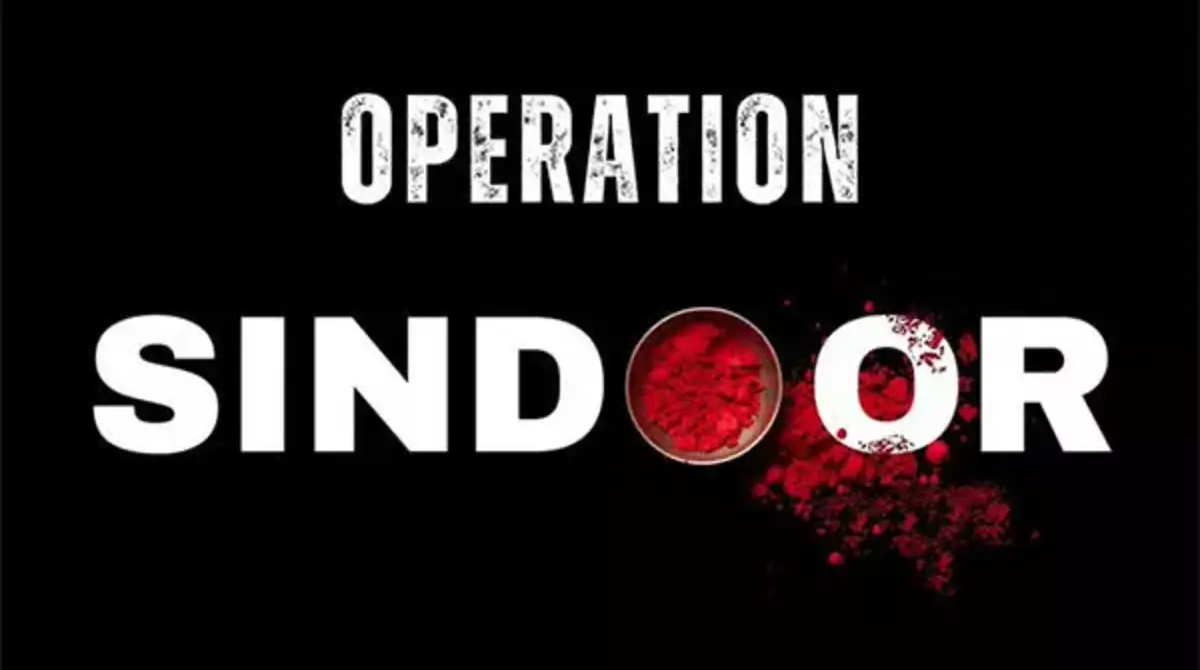
  • India Launches ‘Operation Sindoor’: Precision Strikes Hit Nine Terror Targets in Pakistan and PoK to Avenge Pahalgam Attack

    India Launches ‘Operation Sindoor’: Precision Strikes Hit Nine Terror Targets in Pakistan and PoK to Avenge Pahalgam Attack

    New Delhi, May 7, 2025 – In a bold and decisive response to the horrific Pahalgam terror attack that claimed 26 lives on April 22, the Indian Armed Forces launched ‘Operation Sindoor’ early Wednesday, targeting nine terrorist infrastructure sites in Pakistan and Pakistan-occupied Jammu and Kashmir (PoK). The meticulously planned tri-services operation, involving the Indian Army, Navy, and Air Force, struck terror camps linked to groups like Lashkar-e-Taiba and Jaish-e-Mohammed, delivering a strong message to those orchestrating cross-border terrorism.

    The strikes, executed at 1:44 AM IST, targeted locations including Muzaffarabad, Bahawalpur, Kotli, and Muridke, which Indian authorities identified as hubs for planning attacks against India. The operation was named ‘Sindoor,’ a symbolic reference to the red vermilion worn by married Hindu women, reflecting the April attack’s targeting of Hindu male tourists, leaving their wives widowed. “We are living up to the commitment that those responsible for this attack will be held accountable,” the Ministry of Defence stated, emphasizing the operation’s focus on terrorist infrastructure while avoiding civilian or military targets.

    Prime Minister Narendra Modi, who monitored the operation from a war room, had earlier granted the armed forces “complete operational freedom” to determine the timing, targets, and mode of retaliation. The Cabinet Committee on Security is set to meet today, followed by an all-party briefing to discuss the operation’s outcomes and next steps. Sources indicate that ‘Operation Sindoor’ is the first phase of India’s response, with further actions under consideration.

    Pakistan condemned the strikes, calling them a “blatant act of war,” and reported eight civilian deaths and dozens injured. Islamabad claimed to have shot down two Indian planes and a drone, though the Indian Air Force refuted this, stating all pilots and assets were accounted for. Pakistan’s Prime Minister Shehbaz Sharif convened an emergency meeting, and heavy cross-border shelling was reported along the Line of Control in Jammu and Kashmir’s Bhimber Gali sector, signaling heightened tensions.

    The Pahalgam attack, which killed 25 Indian civilians and one Nepali citizen in a brutal execution-style assault, had sparked nationwide outrage and calls for retaliation. India accused Pakistan of supporting the militants, a charge Islamabad denied. The strikes come after weeks of escalating tensions, including India’s suspension of the Indus Waters Treaty, a ban on Pakistani goods, and airspace restrictions for Pakistani airlines.

    Defence experts hailed the operation as a precise and proportionate response. “This is a clear signal that India will not tolerate terrorism,” said retired Air Chief Marshal RKS Bhadauria, noting that around 80 terrorists were reportedly killed. In Jammu and Kashmir, locals raised slogans of ‘Indian Army Zindabad’ and ‘Bharat Mata ki Jai,’ reflecting public support.

    The international community urged restraint. The U.S., while supporting India’s right to defend itself, called for de-escalation, with National Security Advisor Ajit Doval briefing his U.S. counterpart post-strikes. The United Nations expressed concern over rising tensions between the nuclear-armed neighbors.

    As India prepares for a detailed briefing on ‘Operation Sindoor’ later today, the subcontinent remains on edge. With Pakistan vowing retaliation and both nations on high alert, the coming days will be critical in determining whether this marks the end of India’s response or the beginning of a broader confrontation.

  • India Considers Closing Airspace to Pakistan Airlines, Ban On Pakistani Ships

    India Considers Closing Airspace to Pakistan Airlines, Ban On Pakistani Ships

    India is contemplating drastic measures to tighten the screws on Pakistan, with the government considering a complete closure of its airspace to Pakistan International Airlines (PIA) and a ban on Pakistani ships docking at Indian ports, according to senior officials cited by ANI and Reuters. The proposed actions, under active discussion in high-level security meetings, come as bilateral relations nosedive following the April 22 Pahalgam terror attack in Jammu and Kashmir, which killed 26 civilians and was blamed on Pakistan-based militants.

    The potential airspace closure would bar PIA flights from overflying Indian territory, a critical route for Pakistan’s connectivity to Europe, North America, and parts of Asia. Such a move would mirror Pakistan’s earlier decision to ban Indian flights from its airspace, a tit-for-tat escalation that could disrupt global aviation routes. Additionally, a proposed ban on Pakistani ships would block maritime trade, including cargo vessels, from accessing India’s ports, further straining Pakistan’s economy, which relies heavily on sea routes for exports.

    Sources in India’s Ministry of External Affairs indicated that these measures are being weighed as part of a broader strategy to isolate Pakistan diplomatically and economically. The Pahalgam attack, attributed to The Resistance Front (TRF), a Lashkar-e-Taiba proxy, prompted India to suspend the Indus Waters Treaty, close the Attari-Wagah border, expel Pakistani diplomats, and revoke visas for Pakistani nationals. India’s labeling of Pakistan as a “rogue state” at the UN and the withholding of Pakistan Defence Minister Khawaja Asif’s X account in India have further inflamed tensions.

    Pakistan’s response has been equally aggressive, with five consecutive nights of ceasefire violations along the Line of Control (LoC), met with Indian retaliation. Asif’s claim of an “imminent” Indian military incursion, coupled with Pakistan’s suspension of the Shimla Agreement, has raised fears of a broader conflict. Posts on X reflect growing anxiety, with Indian users supporting punitive measures and Pakistani voices decrying India’s “economic warfare.”

    The airspace and maritime bans, if implemented, would mark a significant escalation. Indian officials argue that Pakistan’s alleged support for terrorism justifies such steps, with Civil Aviation Minister Jyotiraditya Scindia reportedly briefing Prime Minister Narendra Modi on the feasibility of rerouting Indian flights to avoid disruptions. The Indian Navy, meanwhile, is on high alert, with increased patrols in the Arabian Sea to monitor Pakistani maritime activity, per NDTV reports.

    Pakistan’s Foreign Ministry condemned the reported plans as “reckless,” warning that such actions could “push the region into uncharted territory.” China, a key Pakistani ally, urged both sides to exercise restraint, while the U.S. and Gulf states intensified diplomatic efforts to prevent a spiral into conflict.

    As India weighs these high-stakes measures, the international community watches closely. With both nations reinforcing their military positions and nuclear arsenals in the backdrop, the proposed bans could redefine the contours of this volatile rivalry, with far-reaching implications for South Asia and beyond.

  • MILAN 2024 – City Of Destiny To Host Multi National Naval Exercise

    MILAN 2024 – City Of Destiny To Host Multi National Naval Exercise

    Indian Navy’s multi-national exercise, MILAN 24, is all set to be organised in the City of Destiny, Visakhapatnam from 19-27 Feb 24. Previously, 11th edition of this exercise was held in Feb-Mar 22 in Visakhapatnam under the Eastern Naval Command with the theme ‘Camaraderie–Cohesion–Collaboration’.

    MILAN is a biennial multi-national naval exercise which started in 1995 with participation of four foreign countries (Indonesia, Singapore, Sri Lanka, Thailand) in consonance with India’s ‘Look East policy’. The exercise flourished under the aegis of Andaman and Nicobar command till its 10th With the growing stature of the exercise and requirement of a larger staging and hosting base, Vishakhapatnam, the city of destiny was chosen as the preferred venue for future MILAN exercises. The city is ideal to host the event owing to various aspects, namely major commercial hub, large port, steep coastal gradient closer to its shores enabling Ships to operate closer to the shore and long coastline offering excellent viewing experience for the public. The scenic view from RK Beach in particular, coupled with excellent infrastructure is conducive to host various events planned during MILAN for the local populace along the shore, such asOperational Demonstration and International City Parade.

    MILAN 24 exercise would comprise two phases – ‘Harbour phase’ and ‘Sea phase’. The harbour phase, aimed to promote cultural sharing amongst the participating nations, would comprise of International Maritime Seminar, International City Parade, Maritime Tech Exhibition, Subject Matter Expert Exchange, Milan of Young Officers and various sporting events. During the Sea phase, ships along with Maritime Patrol aircraft and submarines of Friendly Foreign Countries would participate along with the Indian Navy’s Aircraft Carriers and other units. It will involve large-force manoeuvres, advanced air defence operations, anti-submarine warfare and anti-surface operations.

    TheMILAN exercise is an exemplary demonstration of India’s commitment towards promoting maritime cooperation and security in the Indian Ocean region. In a world where maritime security is of paramount importance, the MILAN exercise stands as a shining example of nations coming together to address common challenges and create a more secure and prosperous maritime environment. India’s growing strategic importance in the Indo-Pacific region has further elevated the significance of MILAN exercise. It has become attractive platform for nations to build partnerships, exchange ideas, and enhance maritime security reflecting India’s commitment to being a responsible maritime power.

  • Indian Navy gets first India-made long endurance Drishti 10 Starliner Drone

    Indian Navy gets first India-made long endurance Drishti 10 Starliner Drone

    Admiral R Hari Kumar, the Chief of India’s Naval Staff, introduced the domestically developed Drishti 10 Starliner drone for the Indian Navy during Adani Defence’s drone unveiling event on Wednesday. The indigenous drone, manufactured in India, is scheduled for deployment in naval maritime operations and recently traveled from Hyderabad, Telangana, to Porbandar, Gujarat.

    The Drishti 10 Starliner represents a sophisticated Intelligence, Surveillance, and Reconnaissance (ISR) platform equipped with a 36-hour endurance, a payload capacity of 450kg, and the necessary clearance to operate in both segregated and unsegregated airspace.

    Admiral R Hari Kumar, Chief of the Indian Navy, stated, as quoted by the news agency ANI, “The Indian Navy has been utilizing UAVs for more than two decades. The domestic production of drones such as Drishti 10 will enable us to attain these capabilities domestically. Drishti is expected to function as a force multiplier, serving as an intelligence, surveillance, and reconnaissance platform.”

    Admiral R Hari Kumar of the Indian Navy praised Adani for aligning its strategic plans with the needs of the Indian Navy and for creating a network of partners and capabilities to foster self-reliance in defense and security, also known as Aatmanirbharta.

    He expressed, “This marks a significant milestone and a pivotal stride in India’s pursuit of self-sufficiency in ISR technology and naval dominance. Adani has showcased its dedication to unmanned systems by methodically cultivating local capabilities over several years, encompassing not just manufacturing but also sustaining through MRO (Maintenance, Repair, and Overhaul). The incorporation of Drishti 10 Starliner into our naval operations will strengthen our maritime capabilities, elevating our readiness for the continuously evolving requirements of maritime surveillance and reconnaissance.”

  • INS Sandhayak: GRSE delivers largest survey vessel built in India on Navy Day

    INS Sandhayak: GRSE delivers largest survey vessel built in India on Navy Day

    INS Sandhayak: On December 4, 2023, the Indian Navy took delivery of the Sandhayak (Yard 3025), the inaugural vessel among the four Survey Vessel (Large) ships under construction at Garden Reach Shipbuilders & Engineers (GRSE) in Kolkata. The contract for the construction of these four Survey Vessels (Large) was formally signed on October 30, 2018.

    The Survey Vessel (Large) ships, constructed by M/s Garden Reach Shipbuilders & Engineers (GRSE), Kolkata, adhere to the regulations set by the Indian Register of Shipping Classification society. These ships are specifically designed for comprehensive coastal and deep-water hydrographic surveys, focusing on port/harbor approaches and the determination of navigational channels/routes. The operational zone encompasses maritime limits up to the Exclusive Economic Zone (EEZ) and extended continental shelf. Additionally, the vessels are equipped to collect oceanographic and geophysical data for both defense and civilian applications.

    In their secondary capacity, the ships serve limited defense functions and can operate as hospital ships during times of war or emergencies. With a displacement of approximately 3400 tons and an overall length of 110 meters, the Sandhayak is outfitted with cutting-edge hydrographic equipment, including a Data Acquisition and Processing System, Autonomous Underwater Vehicle, Remotely Operated Vehicle, DGPS Long-Range Positioning Systems, and Digital Side Scan Sonar. Propelled by two Diesel Engines, the ship is capable of achieving speeds exceeding 18 knots.

    The ship’s keel was laid on March 12, 2019, and it was subsequently launched on December 5, 2021. Following this, the vessel underwent an extensive series of trials both in harbor and at sea as part of a well-structured schedule. These trials culminated in the ship’s delivery to the Indian Navy on December 4, 2023.

    With an indigenous content constituting over 80% of its cost, the delivery of Sandhayak stands as a testament to the commitment of the Government of India and the Indian Navy towards the ‘Aatma Nirbhar Bharat’ (self-reliant India) initiative. The successful induction of Sandhayak, achieved despite challenges posed by COVID-19 and other geopolitical factors during its construction, reflects the collaborative endeavors of numerous stakeholders, Micro, Small, and Medium Enterprises (MSMEs), and the Indian industry. This collective effort contributes significantly to bolstering the maritime capabilities of the nation in the Indian Ocean Region.

  • Bharat Dynamics Rockets to Success as All Three Military Branches Embrace Nirbhay Missiles

    Bharat Dynamics Rockets to Success as All Three Military Branches Embrace Nirbhay Missiles

    Bharat Dynamics, the reported manufacturer of the Nirbhay class of missiles, is poised for a significant boost as all three branches of the defense forces are reportedly set to incorporate these missiles designed for striking targets over a distance of 1,000 kilometers.

    “The government is actively reviewing a proposal to introduce the Nirbhay class cruise missiles into service,” ANI reported, citing sources. “The evaluation process is in an advanced stage, and upon approval, it will signify that all three defense forces will possess the capability to deploy subsonic cruise missiles for targeting.”

    The government granted approval for the inclusion of the missile in the inventory of the other two services approximately two years ago. Presently, there is a plan to extend this clearance to include the third service as well.

    The Nirbhay class cruise missiles serve as a complement to the supersonic BrahMos cruise missiles, which cover a shorter range. Developed domestically by the Defence Research and Development Organisation (DRDO), the Nirbhay class comprises long-range cruise missiles that travel at subsonic speeds.

  • Is India expected to join the group of 19 countries that allows transgender individuals to serve in the military?

    Is India expected to join the group of 19 countries that allows transgender individuals to serve in the military?

    India has significantly progressed in ensuring equal rights for the LGBTQ+ community, despite the recent Supreme Court decision not to legalize same-sex marriages. It appears that the country is continuing to advance in this direction.

    As per a report from the Indian Express, the Indian Armed Forces are exploring the potential recruitment of transgender individuals into the services. Additionally, a study group has been established to discuss the consequences of such a decision and outline the pathway for its implementation within the defense forces.

    Should India decide to allow the enlistment of transgender individuals in the Services, it would mark a significant stride toward equality. Nonetheless, it’s worth noting that India would not be the pioneer in this regard.

    India, transgenders and its military

    Currently, the Indian Armed Forces do not allow the inclusion of transgender individuals in their services. Nevertheless, following the admission of women into the military, the three branches are now considering the induction of transgender personnel.

    In light of this, a study group has been established to carefully consider this decision. According to the Indian Express report, numerous suggestions have been put forth on this matter, with a prevailing sentiment that, if transgender individuals were to be admitted, they should not receive any special concessions regarding training, selection standards, or assignments in challenging locations.

    Others have also outlined potential challenges, including housing and administrative issues, associated with the integration of transgender individuals into the military service.

    A military officer, addressing the publication, remarked, “The military should not be viewed solely as a job opportunity. There are administrative hurdles, such as the shortage of housing and toilets, especially in field locations where resources and space are limited.”

    “Limiting their assignments solely to peaceful stations would reduce opportunities for others after a field tenure,” stated the officer.

    In 2017, the Indian Navy discharged Sabi Giri, formerly known as Manish Kumar Giri. During her dismissal, the Navy issued a statement explaining, “The serving sailor underwent sex reassignment surgery at a private facility while on leave and was administratively discharged from the service. The individual voluntarily opted for irreversible gender reassignment, altering their gender status from the one they were recruited for at the time of induction.”

    However, she contested the Navy’s decision before the Delhi High Court. During that time, the Navy permitted her to participate in the examination for the ‘tradesman mate’ position, but subsequently reneged on their commitment.

    In 2020, officials from the Border Security Force (BSF), Central Reserve Police Force (CRPF), and Sashastra Seema Bal (SSB) informed the Union government of their intention to enlist transgender individuals for the officer cadre position of assistant commandants.

    It is noteworthy that Tamil Nadu appointed India’s inaugural transgender police officer in 2015, and Chhattisgarh was the first state to actively hire members of the transgender community into its police force.

  • PM Modi celebrates Diwali with soldiers in Himachal’s Lepcha near China border

    PM Modi celebrates Diwali with soldiers in Himachal’s Lepcha near China border

    PM Modi celebrates Diwali with soldiers: Prime Minister Narendra Modi maintained his annual tradition by celebrating Diwali this year with soldiers in Lepcha, Himachal Pradesh, situated near the Chinese border.

    On Sunday morning, the Prime Minister arrived at the isolated village and described the experience of celebrating Diwali with the “brave security forces” in Lepcha as “emotionally profound and prideful.” He expressed that these guardians of the nation, despite being away from their families, bring illumination to our lives through their unwavering dedication.

    “The courage of our security forces is unwavering. Stationed in the toughest terrains, away from their loved ones, their sacrifice and dedication keep us safe and secure. India will always be grateful to these heroes who are the perfect embodiment of bravery and resilience,” PM Modi wrote on X.

    Earlier in the day, Prime Minister Modi extended his Diwali wishes to the people of the country, expressing his hope for their “excellent health.”

    “Wishing everyone a Happy Diwali! May this special festival bring joy, prosperity and wonderful health to everyone’s lives,” he said.

    Prime Minister Narendra Modi has consistently upheld a tradition of commemorating Diwali with the soldiers stationed at the nation’s borders. Since assuming office in 2014, he has consistently prioritized spending the festival of lights with the armed forces, making it a practice to travel to distant locations to convey his appreciation for their sacrifices. In the preceding year, he observed the festival with soldiers in Kargil, Jammu and Kashmir.

    PM Modi celebrates Diwali with soldiers Photos gone viral

  • Indian Navy’s Latest Warship “Surat” Unveiled In Naval Ceremony

    Indian Navy’s Latest Warship “Surat” Unveiled In Naval Ceremony

    The Chief Minister of Gujarat, Shri Bhupendra Patel, unveiled the crest of the Indian Navy’s latest guided missile destroyer, ‘Surat,’ which is currently under construction. The ceremony took place in the city of Surat and was attended by Admiral R. Hari Kumar, the Chief of the Naval Staff, along with senior dignitaries and officials from the State Government and the Indian Navy.

    The crest of the ‘Surat’ features an image of the famous lighthouse at Hazira (Surat), situated at the southern entrance of the Gulf of Khambhat. This lighthouse, built in 1836, was one of the earliest lighthouses in India. The crest also includes an Asiatic lion, which is the state animal of Gujarat, symbolizing the ship’s majesty and strength. Equipped with the latest advancements in naval warfare technology and combat capabilities, the warship ‘Surat’ represents the Navy’s commitment to maritime security and national defense, as evident from the depiction of the wavy sea on the crest. As ‘Surat’ prepares to join the Indian Navy’s fleet, it will serve as a formidable guardian, protecting the nation’s maritime frontiers and safeguarding its strategic interests in the region.

    Named after the vibrant city of Surat, known for its rich maritime history and shipbuilding legacy, the warship ‘Surat’ also reflects the enterprising and self-reliant spirit of its namesake.

    ‘Surat’ is the fourth ship of the indigenously designed and constructed Project 15B (Vishakhapatnam Class) destroyers, representing a significant advancement in naval technology and capabilities. The ship’s construction employed an innovative block construction methodology, where the ship’s hull was meticulously assembled at various geographical locations before integration at the Mazagaon Dock Limited (MDL) in Mumbai. This approach underscores India’s growing refinement in shipbuilding expertise and precision engineering.

    Project 15B follows the success of Project 15A (Kolkata Class) and demonstrates India’s steadily increasing naval capabilities. The construction of ‘Surat’ exemplifies the nation’s dedication to indigenous cutting-edge maritime technology and its commitment to strategic military advancements.

    Scheduled to enter active service next year, ‘Surat’ and its capable crew will serve the nation with pride in the years to come. The ceremony to unveil the ship’s crest was attended by the Chief Minister, the Chief of Naval Staff, Vice Admiral Dinesh Kumar Tripathi, Flag Officer Commanding in Chief Western Naval Command, Rear Admiral Anil Jaggi, Flag Officer Commanding Gujarat Naval Area, senior officers of the Indian Navy, and distinguished individuals from the political and commercial sectors of Surat city.