Category: Indian Soldier

  • India Launches ‘Operation Sindoor’: Precision Strikes Hit Nine Terror Targets in Pakistan and PoK to Avenge Pahalgam Attack

    India Launches ‘Operation Sindoor’: Precision Strikes Hit Nine Terror Targets in Pakistan and PoK to Avenge Pahalgam Attack

    New Delhi, May 7, 2025 – In a bold and decisive response to the horrific Pahalgam terror attack that claimed 26 lives on April 22, the Indian Armed Forces launched ‘Operation Sindoor’ early Wednesday, targeting nine terrorist infrastructure sites in Pakistan and Pakistan-occupied Jammu and Kashmir (PoK). The meticulously planned tri-services operation, involving the Indian Army, Navy, and Air Force, struck terror camps linked to groups like Lashkar-e-Taiba and Jaish-e-Mohammed, delivering a strong message to those orchestrating cross-border terrorism.

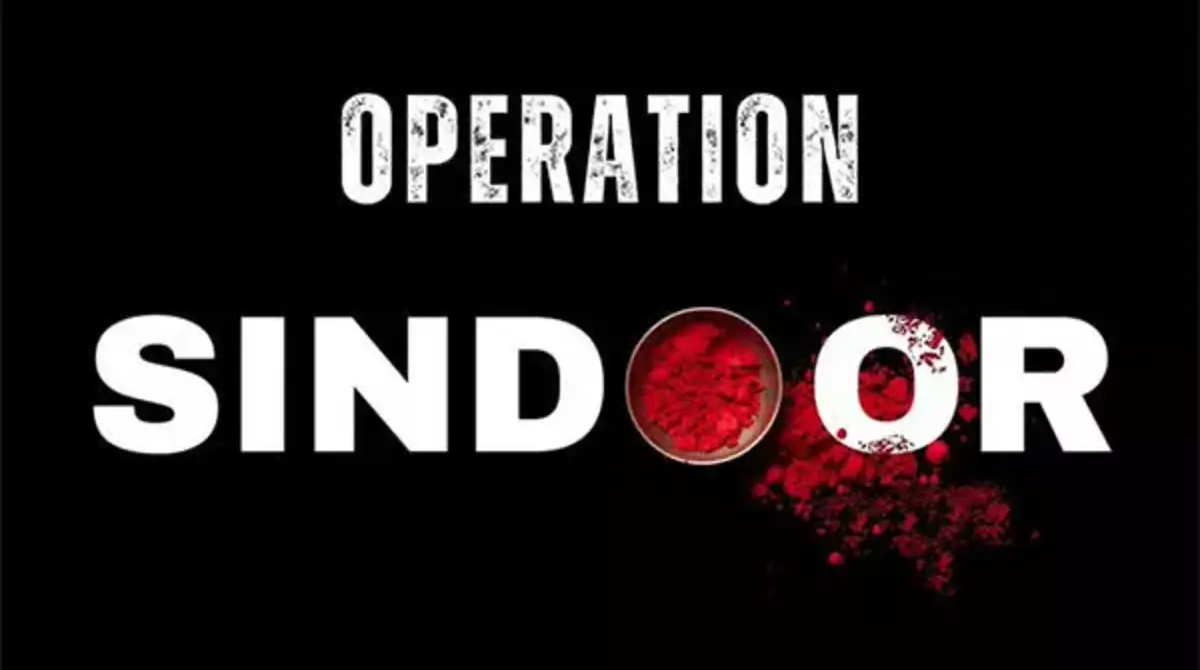
    The strikes, executed at 1:44 AM IST, targeted locations including Muzaffarabad, Bahawalpur, Kotli, and Muridke, which Indian authorities identified as hubs for planning attacks against India. The operation was named ‘Sindoor,’ a symbolic reference to the red vermilion worn by married Hindu women, reflecting the April attack’s targeting of Hindu male tourists, leaving their wives widowed. “We are living up to the commitment that those responsible for this attack will be held accountable,” the Ministry of Defence stated, emphasizing the operation’s focus on terrorist infrastructure while avoiding civilian or military targets.

    Prime Minister Narendra Modi, who monitored the operation from a war room, had earlier granted the armed forces “complete operational freedom” to determine the timing, targets, and mode of retaliation. The Cabinet Committee on Security is set to meet today, followed by an all-party briefing to discuss the operation’s outcomes and next steps. Sources indicate that ‘Operation Sindoor’ is the first phase of India’s response, with further actions under consideration.

    Pakistan condemned the strikes, calling them a “blatant act of war,” and reported eight civilian deaths and dozens injured. Islamabad claimed to have shot down two Indian planes and a drone, though the Indian Air Force refuted this, stating all pilots and assets were accounted for. Pakistan’s Prime Minister Shehbaz Sharif convened an emergency meeting, and heavy cross-border shelling was reported along the Line of Control in Jammu and Kashmir’s Bhimber Gali sector, signaling heightened tensions.

    The Pahalgam attack, which killed 25 Indian civilians and one Nepali citizen in a brutal execution-style assault, had sparked nationwide outrage and calls for retaliation. India accused Pakistan of supporting the militants, a charge Islamabad denied. The strikes come after weeks of escalating tensions, including India’s suspension of the Indus Waters Treaty, a ban on Pakistani goods, and airspace restrictions for Pakistani airlines.

    Defence experts hailed the operation as a precise and proportionate response. “This is a clear signal that India will not tolerate terrorism,” said retired Air Chief Marshal RKS Bhadauria, noting that around 80 terrorists were reportedly killed. In Jammu and Kashmir, locals raised slogans of ‘Indian Army Zindabad’ and ‘Bharat Mata ki Jai,’ reflecting public support.

    The international community urged restraint. The U.S., while supporting India’s right to defend itself, called for de-escalation, with National Security Advisor Ajit Doval briefing his U.S. counterpart post-strikes. The United Nations expressed concern over rising tensions between the nuclear-armed neighbors.

    As India prepares for a detailed briefing on ‘Operation Sindoor’ later today, the subcontinent remains on edge. With Pakistan vowing retaliation and both nations on high alert, the coming days will be critical in determining whether this marks the end of India’s response or the beginning of a broader confrontation.

  • INS Sandhayak: GRSE delivers largest survey vessel built in India on Navy Day

    INS Sandhayak: GRSE delivers largest survey vessel built in India on Navy Day

    INS Sandhayak: On December 4, 2023, the Indian Navy took delivery of the Sandhayak (Yard 3025), the inaugural vessel among the four Survey Vessel (Large) ships under construction at Garden Reach Shipbuilders & Engineers (GRSE) in Kolkata. The contract for the construction of these four Survey Vessels (Large) was formally signed on October 30, 2018.

    The Survey Vessel (Large) ships, constructed by M/s Garden Reach Shipbuilders & Engineers (GRSE), Kolkata, adhere to the regulations set by the Indian Register of Shipping Classification society. These ships are specifically designed for comprehensive coastal and deep-water hydrographic surveys, focusing on port/harbor approaches and the determination of navigational channels/routes. The operational zone encompasses maritime limits up to the Exclusive Economic Zone (EEZ) and extended continental shelf. Additionally, the vessels are equipped to collect oceanographic and geophysical data for both defense and civilian applications.

    In their secondary capacity, the ships serve limited defense functions and can operate as hospital ships during times of war or emergencies. With a displacement of approximately 3400 tons and an overall length of 110 meters, the Sandhayak is outfitted with cutting-edge hydrographic equipment, including a Data Acquisition and Processing System, Autonomous Underwater Vehicle, Remotely Operated Vehicle, DGPS Long-Range Positioning Systems, and Digital Side Scan Sonar. Propelled by two Diesel Engines, the ship is capable of achieving speeds exceeding 18 knots.

    The ship’s keel was laid on March 12, 2019, and it was subsequently launched on December 5, 2021. Following this, the vessel underwent an extensive series of trials both in harbor and at sea as part of a well-structured schedule. These trials culminated in the ship’s delivery to the Indian Navy on December 4, 2023.

    With an indigenous content constituting over 80% of its cost, the delivery of Sandhayak stands as a testament to the commitment of the Government of India and the Indian Navy towards the ‘Aatma Nirbhar Bharat’ (self-reliant India) initiative. The successful induction of Sandhayak, achieved despite challenges posed by COVID-19 and other geopolitical factors during its construction, reflects the collaborative endeavors of numerous stakeholders, Micro, Small, and Medium Enterprises (MSMEs), and the Indian industry. This collective effort contributes significantly to bolstering the maritime capabilities of the nation in the Indian Ocean Region.

  • Bharat Dynamics Rockets to Success as All Three Military Branches Embrace Nirbhay Missiles

    Bharat Dynamics Rockets to Success as All Three Military Branches Embrace Nirbhay Missiles

    Bharat Dynamics, the reported manufacturer of the Nirbhay class of missiles, is poised for a significant boost as all three branches of the defense forces are reportedly set to incorporate these missiles designed for striking targets over a distance of 1,000 kilometers.

    “The government is actively reviewing a proposal to introduce the Nirbhay class cruise missiles into service,” ANI reported, citing sources. “The evaluation process is in an advanced stage, and upon approval, it will signify that all three defense forces will possess the capability to deploy subsonic cruise missiles for targeting.”

    The government granted approval for the inclusion of the missile in the inventory of the other two services approximately two years ago. Presently, there is a plan to extend this clearance to include the third service as well.

    The Nirbhay class cruise missiles serve as a complement to the supersonic BrahMos cruise missiles, which cover a shorter range. Developed domestically by the Defence Research and Development Organisation (DRDO), the Nirbhay class comprises long-range cruise missiles that travel at subsonic speeds.

  • Is India expected to join the group of 19 countries that allows transgender individuals to serve in the military?

    Is India expected to join the group of 19 countries that allows transgender individuals to serve in the military?

    India has significantly progressed in ensuring equal rights for the LGBTQ+ community, despite the recent Supreme Court decision not to legalize same-sex marriages. It appears that the country is continuing to advance in this direction.

    As per a report from the Indian Express, the Indian Armed Forces are exploring the potential recruitment of transgender individuals into the services. Additionally, a study group has been established to discuss the consequences of such a decision and outline the pathway for its implementation within the defense forces.

    Should India decide to allow the enlistment of transgender individuals in the Services, it would mark a significant stride toward equality. Nonetheless, it’s worth noting that India would not be the pioneer in this regard.

    India, transgenders and its military

    Currently, the Indian Armed Forces do not allow the inclusion of transgender individuals in their services. Nevertheless, following the admission of women into the military, the three branches are now considering the induction of transgender personnel.

    In light of this, a study group has been established to carefully consider this decision. According to the Indian Express report, numerous suggestions have been put forth on this matter, with a prevailing sentiment that, if transgender individuals were to be admitted, they should not receive any special concessions regarding training, selection standards, or assignments in challenging locations.

    Others have also outlined potential challenges, including housing and administrative issues, associated with the integration of transgender individuals into the military service.

    A military officer, addressing the publication, remarked, “The military should not be viewed solely as a job opportunity. There are administrative hurdles, such as the shortage of housing and toilets, especially in field locations where resources and space are limited.”

    “Limiting their assignments solely to peaceful stations would reduce opportunities for others after a field tenure,” stated the officer.

    In 2017, the Indian Navy discharged Sabi Giri, formerly known as Manish Kumar Giri. During her dismissal, the Navy issued a statement explaining, “The serving sailor underwent sex reassignment surgery at a private facility while on leave and was administratively discharged from the service. The individual voluntarily opted for irreversible gender reassignment, altering their gender status from the one they were recruited for at the time of induction.”

    However, she contested the Navy’s decision before the Delhi High Court. During that time, the Navy permitted her to participate in the examination for the ‘tradesman mate’ position, but subsequently reneged on their commitment.

    In 2020, officials from the Border Security Force (BSF), Central Reserve Police Force (CRPF), and Sashastra Seema Bal (SSB) informed the Union government of their intention to enlist transgender individuals for the officer cadre position of assistant commandants.

    It is noteworthy that Tamil Nadu appointed India’s inaugural transgender police officer in 2015, and Chhattisgarh was the first state to actively hire members of the transgender community into its police force.

  • PM Modi celebrates Diwali with soldiers in Himachal’s Lepcha near China border

    PM Modi celebrates Diwali with soldiers in Himachal’s Lepcha near China border

    PM Modi celebrates Diwali with soldiers: Prime Minister Narendra Modi maintained his annual tradition by celebrating Diwali this year with soldiers in Lepcha, Himachal Pradesh, situated near the Chinese border.

    On Sunday morning, the Prime Minister arrived at the isolated village and described the experience of celebrating Diwali with the “brave security forces” in Lepcha as “emotionally profound and prideful.” He expressed that these guardians of the nation, despite being away from their families, bring illumination to our lives through their unwavering dedication.

    “The courage of our security forces is unwavering. Stationed in the toughest terrains, away from their loved ones, their sacrifice and dedication keep us safe and secure. India will always be grateful to these heroes who are the perfect embodiment of bravery and resilience,” PM Modi wrote on X.

    Earlier in the day, Prime Minister Modi extended his Diwali wishes to the people of the country, expressing his hope for their “excellent health.”

    “Wishing everyone a Happy Diwali! May this special festival bring joy, prosperity and wonderful health to everyone’s lives,” he said.

    Prime Minister Narendra Modi has consistently upheld a tradition of commemorating Diwali with the soldiers stationed at the nation’s borders. Since assuming office in 2014, he has consistently prioritized spending the festival of lights with the armed forces, making it a practice to travel to distant locations to convey his appreciation for their sacrifices. In the preceding year, he observed the festival with soldiers in Kargil, Jammu and Kashmir.

    PM Modi celebrates Diwali with soldiers Photos gone viral

  • India-Canada Row: India Vs. Canada Military Power Comparison 2023

    India-Canada Row: India Vs. Canada Military Power Comparison 2023

    India Vs. Canada Military Power Comparison: In an increasingly interconnected and unpredictable world, the military capabilities of nations play a pivotal role in maintaining global stability and safeguarding their respective interests. India and Canada, although geographically distant and culturally diverse, are two nations that possess unique military strengths and strategic significance. Understanding the military power of these countries is not only crucial for their citizens but also for the international community as a whole.

    This blog aims to provide a comprehensive comparison of the military power of India and Canada. While Canada is known for its peacekeeping efforts and contributions to international security, India stands as one of the world’s largest military powers. Through a detailed analysis of various military aspects, we will delve into the capabilities, strengths, and challenges faced by both nations.

    From combat aircraft and armed forces personnel to defense budgets and global peace indices, we will explore key metrics that define a country’s military might. Additionally, we will examine each nation’s armed forces, weaponry, and military expenditures to gain a deeper insight into their military prowess.

    Moreover, we will shed light on recent developments and tensions between India and Canada that have brought their military capabilities into focus. These real-world events highlight the importance of understanding the military dynamics of these nations in today’s global landscape.

    India-Canada in News:

    In a recent development, tensions between India and Canada have intensified. This escalation was triggered when the Canadian Prime Minister made an accusation of Indian involvement in the assassination of a Khalistani leader, who had been labeled a terrorist by India. This incident took place in Surrey in June 2023.

    India promptly refuted these allegations and counterclaimed that Canada was providing shelter to Khalistani extremists, further exacerbating the strained relations between the two countries.

    What is the Khalistan Movement?

    The Khalistan movement is a campaign advocating for the establishment of an independent and sovereign Sikh state within the territory of present-day Punjab, encompassing both India and Pakistan.

    This demand has surfaced on numerous occasions, most notably during a violent insurgency in the 1970s and 1980s, which significantly disrupted the state of Punjab for more than a decade.

    While the movement was suppressed within India through military operations like Operation Blue Star in 1984 and Operations Black Thunder in 1986 and 1988, it still garners sympathy and support from certain segments of the Sikh population. This support is particularly prominent among the Sikh diaspora residing in countries such as Canada, the UK, and Australia.

    India Vs. Canada Military Power Comparison Data Table

    Here’s a table comparing various military and defense-related statistics between India and Canada:

    Aspect India Canada
    Population Approx. 1.45 billion Approx. 40 million
    Defense Budget (2023) Approx. $75 billion USD Approx. $37 billion USD
    Active Military Personnel Approx. 1.45 million Approx. 70,000
    Reserve Military Personnel Approx. 2.2 million Approx. 28,500
    Tanks Approx. 4,614 Approx. 82
    Aircraft Approx. 2,210 (including fighters and others) Approx. 200 (including fighters and others)
    Naval Vessels Approx. 295 (including major warships) Approx. 68 (including major warships)
    Nuclear Weapons Estimated nuclear warheads: 150-160 0

    India vs. Canada Defence Budget Comparison

    India’s Defence Budget:

    • Defence Budget (2023): Approx. $75 billion USD

    India, with its vast and diverse geopolitical landscape, faces a range of security challenges. As one of the world’s largest democracies, it has a significant responsibility to ensure the safety of its citizens and territorial integrity. India’s defense budget reflects these imperatives, consistently ranking among the top defense spenders globally.

    Canada’s Defense Budget:

    • Defense Budget (2023): Approx. $37 billion USD

    Canada, known for its peacekeeping efforts and commitment to international diplomacy, manages its defense budget with a focus on cooperative security and contributions to global peace. Its budgetary allocations aim to strike a balance between national security and international responsibilities.

    India vs. Canada Army Comparison

    comparing the armies of India and Canada reveals notable differences in terms of size, equipment, and roles.

    Indian Army:

    India boasts one of the largest standing armies globally, with approximately 1.4 million active personnel. Its size reflects the country’s vast territorial expanse and complex security challenges. The Indian Army is equipped with a diverse range of weaponry, including tanks, artillery, and infantry weapons. Additionally, India has made significant strides in modernizing its armed forces, with ongoing investments in indigenous weapon systems and foreign acquisitions. This modernization includes the development of new tanks, artillery systems, and infantry equipment. The Indian Army also maintains a substantial paramilitary and reserve force.

    Canadian Army:

    In contrast, the Canadian Army is relatively smaller, with around 68,000 active personnel. Canada’s military doctrine focuses on expeditionary operations, peacekeeping, and support for international missions. The army is well-equipped with modern infantry gear and armored vehicles but has a more limited inventory of heavy tanks and artillery compared to India. Canada’s military strategy emphasizes interoperability with NATO and allied forces, reflecting its role in collective security efforts.

    Both armies excel in specific areas due to their distinct operational contexts. India’s larger army provides the capability to address diverse threats across its vast territory, while Canada’s smaller force is designed for flexibility and international cooperation. Moreover, both nations maintain a commitment to professionalism and training.

    It’s crucial to note that military capabilities evolve over time, and geopolitical developments can shift priorities. For the most current and detailed information on the armies of India and Canada, it’s advisable to consult official government sources and defense analysis organizations.

    India and Canada Air Power Comparison

    Comparing the air power of India and Canada reveals distinct characteristics driven by their geopolitical contexts and strategic priorities.

    Indian Air Force (IAF): India’s air power, represented by the Indian Air Force (IAF), is one of the largest and most diverse in the world. With a vast fleet of aircraft, including fighter jets, transport planes, and helicopters, the IAF plays a pivotal role in defending India’s extensive borders and maintaining regional stability. The IAF operated a mix of domestically produced and imported fighter aircraft, with plans for modernization and expansion.

    Key components of the IAF include the Sukhoi Su-30MKI and Mirage 2000 fighters, as well as indigenous Tejas light combat aircraft. India has also invested in advanced air defense systems and is developing its fifth-generation fighter aircraft, the HAL AMCA. Additionally, India has an active transport and reconnaissance fleet, making it capable of power projection and humanitarian missions.

    Royal Canadian Air Force (RCAF): Canada’s air force, the Royal Canadian Air Force (RCAF), is smaller in comparison, focusing on a different set of priorities. The RCAF maintains a modern fleet of aircraft, including CF-18 Hornets, which are used for air defense, NORAD missions, and international deployments. Canada’s air power is primarily geared toward supporting its NATO and coalition commitments, including contributions to global peacekeeping efforts.

    Canada’s air force emphasizes interoperability with its allies, participating in joint exercises and operations. While it may not possess the scale of India’s air force, the RCAF’s capabilities are tailored to meet its international obligations effectively.

    India and Canada Naval Power Comparison

    Comparing the naval power of India and Canada reveals significant differences in terms of fleet size, capabilities, and strategic priorities, reflecting their unique geographical and geopolitical contexts.

    Indian Navy: India boasts one of the most formidable navies in the Indian Ocean region and beyond. The Indian Navy’s primary mission is to safeguard India’s extensive coastline, protect maritime interests, and project power in the Indian Ocean. The Indian Navy operated a diverse and modern fleet that included aircraft carriers, destroyers, frigates, submarines, and patrol vessels. Notably, India has two aircraft carriers, the INS Vikramaditya and the indigenous INS Vikrant (under construction), giving it significant power projection capabilities.

    India’s naval modernization efforts include the acquisition of advanced submarines, surface vessels, and naval aircraft, with a focus on enhancing its maritime surveillance, anti-submarine warfare, and anti-ship capabilities. India also places a strong emphasis on regional maritime cooperation and has been expanding its naval presence to counter piracy and support humanitarian missions in the Indian Ocean.

    Royal Canadian Navy: In contrast, Canada’s naval power is more modest in size but is well-suited to its strategic priorities. The Royal Canadian Navy (RCN) primarily focuses on protecting Canada’s vast coastlines, contributing to NATO missions, and supporting international peacekeeping efforts. As of my last update, the RCN operated a fleet of frigates, coastal defense vessels, and submarines. Canada’s naval strategy emphasizes its role in collective defense within the North Atlantic Treaty Organization (NATO) and cooperation with allied navies.

    Canada’s naval capabilities center on maritime surveillance, anti-submarine warfare, and mine countermeasures, reflecting its commitment to protecting its maritime interests and supporting global stability.

  • Field Marshal Sam Manekshaw : India Salute Most Remembered Indian Soldier

    Field Marshal Sam Manekshaw : India Salute Most Remembered Indian Soldier

    Field Marshal Sam Manekshaw, a name that reverberates with honor, courage, and leadership, holds a special place in the heart of every Indian. This legendary figure carved an indelible mark in the annals of India’s military history. From his illustrious career to his instrumental role in the 1971 Indo-Pak war, Sam Manekshaw remains etched in the collective memory of the nation as one of India’s most esteemed soldiers.

    In this blog, we embark on a journey to explore the life and legacy of Field Marshal Sam Manekshaw, delving into the remarkable achievements that earned him the title of India’s most remembered soldier. Join us as we pay homage to this iconic figure, retracing his footsteps through the corridors of bravery, leadership, and unwavering commitment to the defense of our beloved country.

    From his early days in the British Indian Army, where he earned the Military Cross during World War II, to becoming the first Indian Army officer to be appointed as a Field Marshal, Manekshaw’s journey is a testament to his exemplary dedication and unmatched valor. We will examine the pivotal role he played in the liberation of Bangladesh during the 1971 war, which culminated in the surrender of Pakistani forces and the birth of a new nation.

    Beyond his military prowess, Sam Manekshaw’s charisma, wit, and compassionate nature set him apart as a leader who connected deeply with his soldiers. We will explore the qualities that endeared him to his troops and made him an inspiration for generations of military personnel.

    Through anecdotes, stories, and testimonies, we will uncover the lesser-known aspects of this iconic soldier’s life, shedding light on the values he embodied and the lessons we can learn from his extraordinary journey.

    Join us as we salute Field Marshal Sam Manekshaw, celebrating his indomitable spirit, leadership, and unwavering dedication to the service of our nation. Together, let us pay tribute to this remarkable soldier whose legacy continues to inspire and instill pride in every Indian heart.

    Early life

    Sam Manekshaw was born on April 3, 1914, in Amritsar, Punjab, which was part of British India at the time. His birth name was Sam Hormusji Framji Jamshedji Manekshaw. He belonged to a Parsi family, a Zoroastrian community known for their contributions to Indian society.

    Manekshaw’s father, Hormusji Manekshaw, was a doctor, and his mother, Hilla Manekshaw, was a homemaker. He had three siblings. From an early age, Manekshaw showed an inclination towards military life and expressed a desire to join the armed forces.

    He received his education at Sherwood College, Nainital, where he completed his schooling. Manekshaw then joined the Indian Military Academy (IMA) in Dehradun, Uttarakhand, in 1932. He underwent training at the IMA and was commissioned into the 2nd Battalion of the Royal Scots in 1934. Later, he transferred to the 12th Frontier Force Regiment.

    During his time at the IMA, Manekshaw displayed exceptional leadership qualities and was known for his sharp wit and sense of humor. These traits would later become hallmarks of his personality.

    Military Career

    Manekshaw’s military career took off from there, and he went on to serve in various capacities and participate in numerous conflicts, including World War II and the Indo-Pakistani wars. His early education and training laid the foundation for his remarkable journey as one of India’s most revered military leaders.

    Field Marshal Sam Manekshaw had a long and illustrious military career, spanning over four decades. He served in various capacities and participated in several conflicts, showcasing his exceptional leadership skills and strategic acumen. Here are some highlights of his military career:

    1. Commissioning and Early Service: Manekshaw was commissioned into the British Indian Army in 1934. He served with the 2nd Battalion of the Royal Scots and later transferred to the 12th Frontier Force Regiment. During World War II, he saw action in Burma (now Myanmar) and was awarded the Military Cross for his exemplary leadership and bravery.
    2. Post-Independence Service: After India gained independence in 1947, Manekshaw continued his service in the Indian Army. He held various command and staff positions, gradually rising through the ranks. He attended the Staff College, Quetta, and the Imperial Defence College, Camberley, in the United Kingdom, further enhancing his military knowledge and skills.
    3. 1962 Sino-Indian War: Manekshaw played a crucial role during the 1962 Sino-Indian War. As a brigadier, he was tasked with the defense of the northeastern region of India. Despite facing significant challenges, his leadership and tactical acumen helped minimize the impact of the Indian Army’s defeat in that conflict.
    4. 1965 Indo-Pakistani War: During the 1965 Indo-Pakistani War, Manekshaw served as the General Officer Commanding-in-Chief of the Western Command. He played a vital role in planning and executing military operations in the western theater. His leadership skills and strategic thinking contributed to India’s successful defense against Pakistani offensives.
    5. Indo-Pakistani War of 1971: The Indo-Pakistani War of 1971 was the defining moment of Manekshaw’s military career. As the Chief of the Army Staff, he led the Indian Army to a decisive victory against Pakistan. His meticulous planning and leadership played a crucial role in the creation of Bangladesh (formerly East Pakistan). His ability to inspire and motivate his troops during this conflict earned him immense respect and admiration.
    6. Promotion to Field Marshal: In recognition of his exceptional leadership and contributions to the nation, Manekshaw was promoted to the rank of Field Marshal on January 1, 1973. He became the first Indian Army officer to hold this prestigious rank.

    Field Marshal Sam Manekshaw’s military career was marked by his exceptional leadership, strategic prowess, and commitment to the welfare of his troops. His contributions to the Indian Army and his pivotal role in shaping India’s military history continue to be remembered and celebrated.

    Indo-Pakistani War of 1971

    Field Marshal Sam Manekshaw’s role in the Indo-Pakistani War of 1971 was pivotal and instrumental in India’s victory. The war was a result of the political and ethnic tensions between East Pakistan (present-day Bangladesh) and West Pakistan (present-day Pakistan).

    As the Chief of the Army Staff, Manekshaw played a critical role in planning and executing military operations during the war. He meticulously strategized and coordinated with other branches of the Indian Armed Forces to ensure a successful outcome.

    Under Manekshaw’s leadership, the Indian Army launched a two-pronged offensive against Pakistan. The Eastern Command, under Lieutenant General Jagjit Singh Aurora, conducted the main offensive in East Pakistan, while the Western Command, led by Lieutenant General Sagat Singh, launched diversionary attacks in the western theater.

    Manekshaw’s strategic planning and operational decisions proved to be decisive factors in India’s victory. He ensured the Indian Army had the necessary resources, intelligence, and logistical support to execute the operations effectively. Manekshaw also emphasized the importance of minimizing civilian casualties and maintaining the moral high ground.

    The Indian Army achieved significant gains and inflicted heavy losses on the Pakistani forces during the war. The Battle of Longewala, where a small Indian detachment held off a much larger Pakistani force, is one of the notable successes of the conflict.

    Manekshaw’s leadership and guidance were instrumental in the eventual surrender of the Pakistani forces on December 16, 1971. The war resulted in the creation of Bangladesh as an independent nation.

    Throughout the conflict, Manekshaw’s no-nonsense approach, strategic acumen, and exceptional leadership skills were widely recognized. His ability to inspire and motivate his troops, coupled with his tactical brilliance, played a crucial role in India’s success.

    Field Marshal Sam Manekshaw’s contributions in the Indo-Pakistani War of 1971 have secured his place in Indian military history. His leadership during this war further solidified his reputation as one of India’s greatest military commanders.

    Honours

    Sam Manekshaw, widely known as Field Marshal Sam Manekshaw, was one of the most distinguished military officers in the history of the Indian Armed Forces. He received several honors and accolades throughout his illustrious career. Here are some of the notable honors conferred upon Sam Manekshaw:

    1. Military Cross: During World War II, Sam Manekshaw received the Military Cross for his exceptional leadership and bravery as a Captain in the British Indian Army. He served in the Middle East and Southeast Asia during the war.
    2. Padma Vibhushan: In recognition of his outstanding service to the nation, Sam Manekshaw was awarded the Padma Vibhushan, the second-highest civilian award in India, in 1972.
    3. Field Marshal: In recognition of his exceptional military leadership and achievements, Sam Manekshaw was promoted to the rank of Field Marshal, the highest attainable rank in the Indian Army, in 1973. He became the first Indian Army officer to be appointed as Field Marshal.
    4. Maha Vir Chakra: Sam Manekshaw was awarded the Maha Vir Chakra, the second-highest military decoration in India, for his exceptional leadership during the 1971 Indo-Pak war.
    5. Bharat Ratna: Posthumously, Sam Manekshaw was honored with the Bharat Ratna, India’s highest civilian award, in 2008. This award recognized his invaluable contributions to the nation and his role in the liberation of Bangladesh.

    These honors and awards highlight the remarkable military career and significant contributions of Sam Manekshaw to the Indian Armed Forces and the nation as a whole. He is remembered as a legendary figure and a true patriot in India’s military history.

    Death

    Sam Manekshaw, born on April 3, 1914, passed away on June 27, 2008. He lived a long and accomplished life, making significant contributions to the Indian Armed Forces and the nation as a whole. After retiring from the army, he continued to be revered as a respected military leader and an influential figure. His death marked the end of an era, but his legacy and contributions continue to be remembered and celebrated in India.

    Nation Salute Field Marshal Sam Manekshaw

    Indeed, Sam Manekshaw, also known as Field Marshal Sam Manekshaw, deserves our utmost respect and admiration. He was a true hero and an exceptional leader who played a pivotal role in shaping the history of the Indian Armed Forces. Here’s to saluting Sam Manekshaw for his remarkable contributions and extraordinary service to our nation.

    Field Marshal Manekshaw’s strategic acumen, tactical brilliance, and indomitable spirit were instrumental in leading the Indian armed forces to victory during the 1971 Indo-Pak war. His outstanding leadership not only ensured the successful liberation of Bangladesh but also instilled a sense of pride and confidence in the Indian military.

    Manekshaw’s military career spanned over four decades, during which he demonstrated exemplary leadership and displayed a deep understanding of warfare. He was known for his fearless demeanor, impeccable integrity, and unwavering commitment to his troops.

    Beyond his military achievements, Manekshaw was also respected for his straightforwardness, wit, and ability to connect with his soldiers. He was known to be a caring and compassionate leader who genuinely cared for the well-being of his troops.

    His legacy continues to inspire generations of military personnel and civilians alike. Field Marshal Sam Manekshaw will always be remembered as an icon of courage, leadership, and dedication to the nation. Let us pay tribute to this great soldier and leader, saluting him for his invaluable service and unwavering commitment to the defense of our country.