Category: Featured

Featured posts

  • Ghauri Missile vs. Agni 5: How Pakistan’s Ghauri compares with India’s Agni 5 missiles

    Ghauri Missile vs. Agni 5: How Pakistan’s Ghauri compares with India’s Agni 5 missiles

    Pakistan conducted the successful test of its second missile system within a week. According to the Pakistani military, the Ghauri missile weapon system was tested successfully on Tuesday. Prior to this, on October 18, it had conducted a successful test of the Ababil missile weapon system.

    On Tuesday, Pakistan conducted a successful test of its nuclear-capable missile Gauri. This missile weapon system is known as ‘Hatf 5,’ which is considered a replica of North Korea’s Rodong-1 missile. Pakistan had tested the Ababil missile weapon system, a ballistic missile, just a challenging week ago. Pakistan has stated that the purpose of these tests is to assess the military’s operational and technical readiness. The Gauri missile is one of Pakistan’s main missiles. Let’s take a look at where Gauri, or Hatf-5, stands in comparison to India’s Agni missile.

    Ghauri is a copy of a North Korean missile, whereas Agni is India’s indigenous missile.

    In most cases, Pakistan’s weaponry is either sourced from China or imitates Chinese designs. In the case of Gauri, the distinction is that it replicates a North Korean missile, not a Chinese one. On the other hand, when we talk about India’s Agni series of missiles, they are entirely indigenous. Missiles ranging from Agni-1 to Agni-5 have been designed and developed by the Defense Research and Development Organization (DRDO). Agni-5, in particular, is a domestically developed advanced surface-to-surface ballistic missile, created under the Integrated Guided Missile Development Program (IGMDP). The IGMDP missile program is the brainchild of the renowned ‘Bharat Ratna’ Dr. APJ Abdul Kalam.

    Ghauri vs Agni-5: Range and Capability

    There is no comparison between Gauri, also known as Hatf-5, and India’s Agni-5 missile when it comes to range. While Gauri is a medium-range ballistic missile, Agni-5 is an Intercontinental Ballistic Missile (ICBM), meaning it is capable of striking from one continent to another. Both Gauri and Agni possess nuclear capabilities. Speaking of the range of the Hatf-5 ‘Gauri’ missile, it is capable of reaching targets between 1,250 to 1,500 kilometers and can carry a payload of approximately 700 kilograms. On the other hand, Agni-5 has a range of over 5,000 kilometers and is capable of carrying a payload of 1,650 kilograms or more.

    Pakistani media claimed a few years ago that the Gauri missile, also known as Hatf-5, had been deployed at six locations along the border with India, between Sialkot and Karachi. The report suggested that the Gauri missile had the capability to target cities such as Delhi, Mumbai, Ahmedabad, Chennai, Jaisalmer, and others. On the other hand, in the case of Agni-5, its range extends not only to the entirety of Pakistan but beyond, covering the Asian continent. Therefore, there is no comparison between the two missiles in terms of range. In fact, even the Agni-2 series missiles have a greater range than Gauri. Looking at the range of the Agni series missiles, Agni-1 has a range of 700-800 kilometers, Agni-2 has a range of over 2000 kilometers, Agni-3 has a range of over 2500 kilometers, Agni-4 has a range of over 3500 kilometers, and Agni-5 has a range exceeding 5000 kilometers

    Even Pakistan’s longest-range missile, Shaheen-3, lags far behind Agni-5

    There is simply no comparison between Agni-5 and Gauri, also known as Hatf-5. They are worlds apart. Agni-5, with its capability to reach the longest distances in Pakistan, may even outclass the Shaheen-3 missile, which is Pakistan’s longest-range missile. However, it, too, falls short in comparison to Agni-5. Shaheen-3 is a medium-range ballistic missile, while Agni-5 is an Intercontinental Ballistic Missile (ICBM). Shaheen-3 has a range of 2,750 kilometers, whereas Agni-5 boasts a range exceeding 5,000 kilometers. Consequently, Shaheen-3 can be compared to Agni-3 in this regard.

  • Saab Gripen vs. Sukhoi SU-35: A Clash of Titans in the Skies

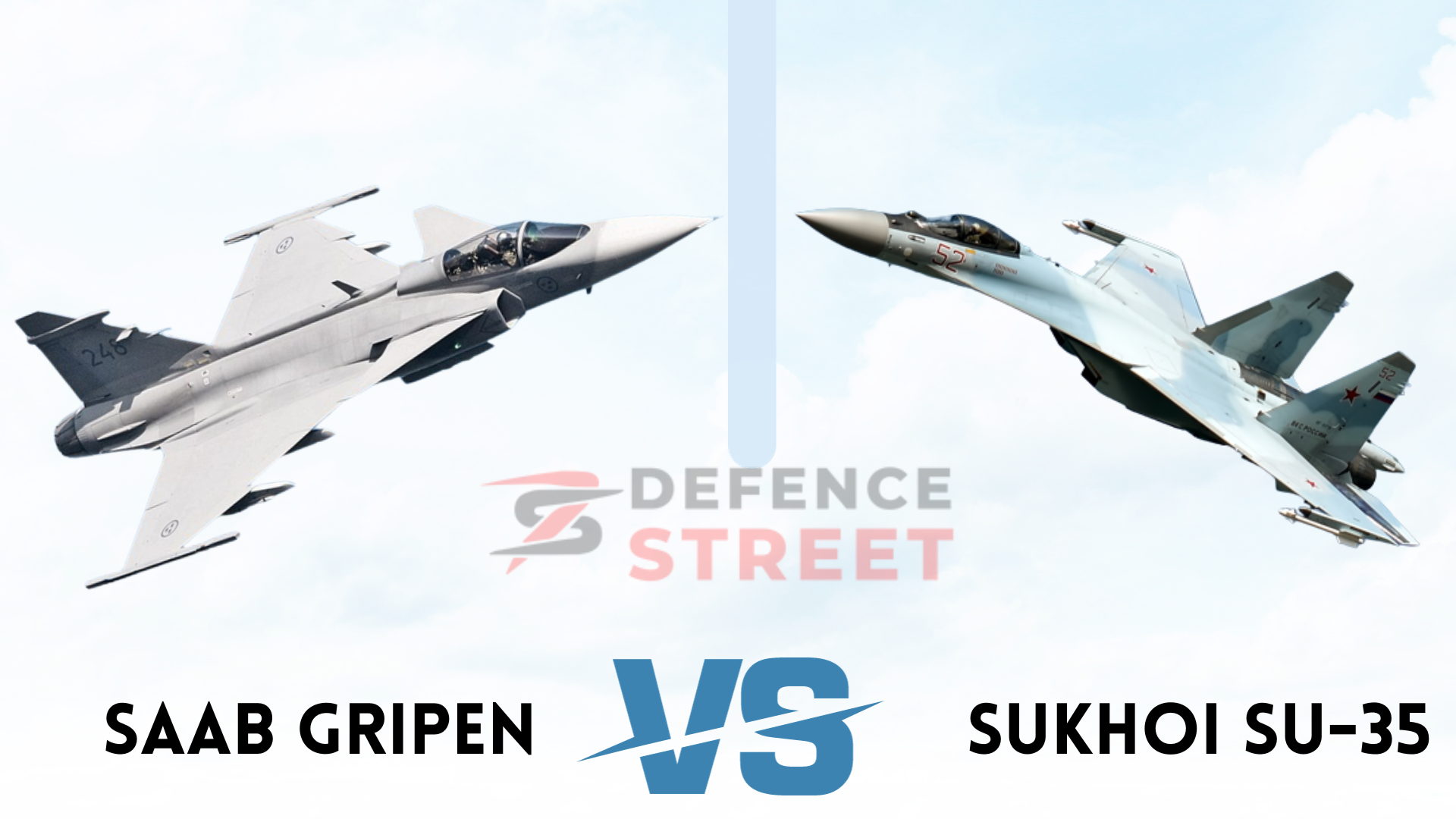
    Saab Gripen vs. Sukhoi SU-35: A Clash of Titans in the Skies

    In the high-stakes world of military aviation, the quest for air superiority never ceases. Two formidable contenders in this arena are the Saab Gripen and the Sukhoi SU-35. These cutting-edge fighter jets represent the pinnacle of aeronautical engineering and have been developed by two of the world’s most renowned aerospace manufacturers, Saab Group from Sweden and Sukhoi from Russia. As military enthusiasts and aviation aficionados eagerly debate their merits, it’s essential to delve into the capabilities, specifications, and unique features that set the Saab Gripen and Sukhoi SU-35 apart.

    The Saab Gripen, known for its agility and versatility, has gained international acclaim for its exceptional performance in air combat scenarios. On the other hand, the Sukhoi SU-35, a formidable addition to Russia’s air force, boasts remarkable speed and firepower, making it a force to be reckoned with in modern aerial warfare.

    In this blog post, we will embark on a journey to compare and contrast these two aviation giants, exploring their design, technology, combat capabilities, and much more. By the end, you’ll have a clearer understanding of what makes the Saab Gripen and the Sukhoi SU-35 stand out in the fiercely competitive world of fighter aircraft, and how they may shape the future of aerial warfare. So, fasten your seatbelts and prepare for takeoff as we dive deep into the Saab Gripen vs. Sukhoi SU-35 showdown.

    Saab Gripen vs. Sukhoi SU-35

    When it comes to comparing the Saab Gripen and the Sukhoi SU-35, both fighter aircraft represent significant advancements in aeronautical engineering and serve their respective nations as formidable assets in the world of military aviation. To help you understand their differences and strengths, let’s take a closer look at various aspects of these aircraft.

    Origin and Manufacturers:

    Saab Gripen: The Saab Gripen is a product of Sweden’s Saab Group, known for its compact, agile, and versatile fighter jets. The Gripen was designed to be a cost-effective solution for modern air forces.

    Sukhoi SU-35: The Sukhoi SU-35, on the other hand, is a Russian-made aircraft, developed by Sukhoi, a renowned aerospace company. It is a part of Russia’s effort to modernize its air force.

    Design and Dimensions:

    Saab Gripen: The Gripen is known for its compact design and small size. Its wingspan is approximately 8.4 meters, and its length is around 14.1 meters. This compact design enhances its agility and maneuverability.

    Sukhoi SU-35: The SU-35 is significantly larger than the Gripen. It has a wingspan of about 15.3 meters and a length of approximately 21.9 meters, providing it with a larger combat radius and greater payload capacity.

    Performance:

    Saab Gripen: The Gripen is highly agile and boasts an impressive thrust-to-weight ratio. It is capable of supersonic flight and has a maximum speed of Mach 2.0. Its agility and maneuverability make it a formidable opponent in close combat scenarios.

    Sukhoi SU-35: The SU-35 is known for its incredible speed and power. It can reach a top speed of Mach 2.25, making it one of the fastest fighter aircraft in the world. Its supermaneuverability, enabled by thrust vectoring, allows it to perform jaw-dropping aerial acrobatics.

    Combat Capabilities:

    Saab Gripen: The Gripen is designed to be a versatile multi-role fighter. It can carry a wide range of weapons, including air-to-air missiles, air-to-ground munitions, and anti-ship missiles. Its small size and advanced avionics make it suitable for a variety of mission profiles.

    Sukhoi SU-35: The SU-35 is primarily an air superiority fighter. It boasts a formidable array of weapons, including long-range air-to-air missiles, guided bombs, and anti-ship missiles. Its advanced radar and sensor suite give it exceptional situational awareness.

    Avionics and Technology:

    Saab Gripen: The Gripen features modern avionics, including an active electronically scanned array (AESA) radar. It offers impressive situational awareness and data-sharing capabilities with other friendly forces.

    Sukhoi SU-35: The SU-35 is equipped with a powerful Irbis-E AESA radar, which provides long-range tracking and targeting capabilities. It also features a state-of-the-art electronic warfare suite, enhancing its survivability.

    Operational Range:

    Saab Gripen: The Gripen has a combat radius of approximately 800 kilometers, making it suitable for defensive and close-proximity missions.

    Sukhoi SU-35: The SU-35 boasts a much greater operational range, with a combat radius of around 1,600 kilometers. This allows it to cover larger areas and engage targets at extended distances.

    Cost and Affordability:

    Saab Gripen: One of the Gripen’s key selling points is its affordability compared to many other modern fighter jets. Its cost-effectiveness makes it an attractive option for nations with budget constraints.

    Sukhoi SU-35: The SU-35 is a more expensive option, both in terms of acquisition and maintenance. It is typically considered a high-end, top-tier fighter aircraft.

    Stealth Capabilities:

    Saab Gripen: The Gripen has some stealth features, making it more challenging for radar to detect. Its smaller size and radar-absorbing materials reduce its radar cross-section, improving its survivability in certain scenarios.

    Sukhoi SU-35: The SU-35 is not designed with stealth in mind. Its larger size and more conventional design result in a larger radar cross-section, making it more easily detectable by enemy radar.

    Operational Service:

    Saab Gripen: The Gripen has been adopted by several air forces, including the Swedish, Czech, Hungarian, and South African air forces. It is known for its reliability and ease of maintenance.

    Sukhoi SU-35: The SU-35 has primarily been used by the Russian Air Force, with limited export sales to other countries. It is known for its robustness and ability to operate in challenging environments.

    Size Comparison Table

    here’s a size comparison table of the Saab JAS-39 Gripen and Sukhoi SU-35:

    Category JAS-39 Gripen Sukhoi SU-35
    Length 14.10 m (46 ft 3 in) 21.9 m (72.9 ft)
    Wingspan 8.40 m (27 ft 7 in) 15.3 m (50.2 ft)
    Wing Area 30.1 m² (325 sq ft) 62 m² (667 sq ft)
    Height 4.50 m (14 ft 9 in) 5.90 m (19.4 ft)
    Weight 6,800 kg (12,600 lb) 18,400 kg (40,570 lb)
    Power 1 x 80 kN (18,000 lbf) 2 x 142 kN (31,400 lbf)

    Who is better?

    Determining whether the Saab Gripen or the Sukhoi SU-35 is “better” is not straightforward, as it depends on the specific needs and priorities of the air force or nation in question. The Saab Gripen is celebrated for its versatility, cost-effectiveness, and ease of maintenance, making it an excellent choice for countries with budget constraints and diverse operational requirements. On the other hand, the Sukhoi SU-35 is a powerhouse, excelling in air superiority missions with its incredible speed, range, and firepower. It is suited for nations prioritizing air dominance and longer-range operations.

    In essence, the choice between these two exceptional fighter jets depends on factors such as the nation’s strategic objectives, budget constraints, logistical support, and the intended mission profile. What makes one “better” than the other is context-specific and should align with the unique needs and goals of the air force or country acquiring these aircraft.

  • U.S. vs Russia Nuclear Weapons: Does Russia Have Stronger Nukes Than The US?

    U.S. vs Russia Nuclear Weapons: Does Russia Have Stronger Nukes Than The US?

    In the complex geopolitical landscape of the 21st century, few issues elicit as much concern and fascination as the nuclear arsenals possessed by the United States and Russia. The Cold War may have officially ended, but the strategic competition between these two global powers endures, particularly when it comes to the ominous specter of nuclear weapons. As the world watches with a mix of apprehension and curiosity, the question arises: Does Russia have stronger nuclear capabilities than the United States?

    This blog aims to delve into the intricacies of this high-stakes arms race, providing a nuanced analysis of the nuclear capabilities of both nations. While the raw numbers of warheads and delivery systems are crucial metrics, understanding the technological advancements, strategic doctrines, and geopolitical considerations is equally essential. Join us as we embark on a journey through the labyrinth of nuclear geopolitics, exploring the factors that shape the U.S. and Russian nuclear arsenals and attempting to unravel the enigma of whether one holds a decisive edge over the other.

    U.S. vs Russia Nuclear Weapons

    More than 75 years have elapsed since the atomic bombings of Hiroshima, and the global landscape is still dotted with over 12,000 nuclear warheads, ranging from silos in Montana to secluded corners of European airbases and even the depths of the ocean where ballistic missile submarines silently lurk, serving as a nearly undetectable deterrent. Hiroshima, the first of the two atomic bombings in 1945, involved a 15-kiloton device, while the subsequent attack on Nagasaki three days later featured a 22-kiloton yield. In stark contrast, contemporary nuclear warheads boast significantly greater power, such as the U.S. Trident missile with a 455-kiloton warhead and Russia’s SS ICBM with an 800-kiloton yield. The United States and Russia collectively possess about 90 percent of the world’s nuclear weapons, amassing a stockpile of over 8,000, according to the Federation of American Scientists. This figure exceeds 11,000 when considering retired yet still intact warheads awaiting dismantlement.

    Although these numbers are alarmingly high, they signify a substantial reduction compared to the peak of the Cold War when more than 60,000 nuclear weapons existed. The trajectory of disarmament gained momentum with the signing of the Intermediate-Range Nuclear Forces Treaty in 1987 between the U.S. and the USSR, both of which then possessed over 60,000 nuclear weapons. Following the fall of the Berlin Wall and the collapse of the Soviet Union, the trend toward disarmament intensified. The New START Treaty, effective from 2011, imposed restrictions on the number of warheads deployed by each country from 2018 onward, contributing to the relative stability of nuclear stockpiles in recent years.

    Conclusion

    In conclusion, the United States and Russia continue to maintain formidable nuclear arsenals, collectively possessing the majority of the world’s nuclear weapons. With over 12,000 nuclear warheads scattered globally, both countries possess advanced and powerful weaponry, far surpassing the destructive capabilities of the bombs dropped on Hiroshima and Nagasaki.

    While the current numbers are significantly lower than the peak of the Cold War, where both nations had over 60,000 nuclear weapons, the existing stockpiles remain a cause for concern. The reduction in numbers has been influenced by arms limitation treaties, such as the Intermediate-Range Nuclear Forces Treaty and the New START Treaty, which aimed to curb the proliferation of nuclear weapons.

    Despite these efforts, the potential for catastrophic consequences persists, given the immense power of modern nuclear warheads. The need for continued diplomatic initiatives, arms control agreements, and international cooperation remains crucial in addressing global security concerns related to nuclear weapons. As the geopolitical landscape evolves, efforts to promote disarmament and prevent the use of these weapons remain imperative for the well-being of humanity and the preservation of global peace.


  • India vs China Military: Is China a military superpower or a Paper Dragon?

    India vs China Military: Is China a military superpower or a Paper Dragon?

    India vs China Military: In the complex geopolitical landscape of the 21st century, two Asian giants, India and China, stand at the forefront of global attention, not only for their economic prowess but also for their formidable military capabilities. As the world watches the intricate dance between these neighboring nations, a crucial question emerges: Is China truly a military superpower, with the strength to reshape global dynamics, or is it, as some argue, a ‘Paper Dragon’—a force that appears mighty on the surface but is, in reality, vulnerable to scrutiny?

    This blog aims to delve into the intricacies of the military strengths and weaknesses of both India and China, dissecting the narratives that surround their armed forces. We will explore the historical context, recent developments, and the evolving nature of their military capabilities, shedding light on whether China’s military might is a genuine force to be reckoned with or if it conceals inherent vulnerabilities.

    India vs China Military Power

    Here’s a data table summarizing the military manpower and equipment for both India and China:

    Category India China
    Manpower
    Active personnel 1,455,550 2,185,000
    Reserve personnel 1,155,000 8,000,000
    Available for military 319,129,420 385,821,101
    Land Forces
    Tanks 4,614 5,750
    Armoured fighting vehicles 8,600 14,130
    Total artillery 2,799 7,094
    Self-propelled artillery 100 2,720
    Rocket artillery 960 3,140
    Air Forces
    Total aircraft 2,263 4,630
    Fighter aircraft 173 1,049
    Multirole aircraft 405 1,130
    Attack aircraft 120 120
    Helicopters 729 1,355
    UCAV (combat drone) 12 151
    Navy
    Total naval 267 742
    Aircraft carriers 1 4
    Destroyers 11 38
    Frigates 13 54
    Corvettes 23 73
    Submarines 16 74

    Note: The figures presented here are based on available data and are subject to change. Military capabilities are complex, and numbers alone may not fully capture the overall strength of a nation’s armed forces.

    India vs China Atomic Power

    India and China possess nuclear capabilities. However, specific details regarding the number of nuclear weapons, delivery systems, and other aspects of their nuclear arsenals are often closely guarded and may change over time. Here’s a general overview of India and China’s nuclear capabilities:

    India:

    Nuclear Weapons Status:

    • India conducted its first nuclear test in 1974, known as “Smiling Buddha.”
    • In 1998, India conducted a series of nuclear tests, establishing itself as a de facto nuclear weapons state.

    Nuclear Doctrine:

    • India follows a no-first-use policy, meaning it pledges not to use nuclear weapons first in a conflict but reserves the right to respond with nuclear force if attacked.

    Arsenal and Delivery Systems:

    • India possesses a variety of nuclear-capable delivery systems, including ballistic missiles and aircraft.
    • The Agni series of ballistic missiles, such as Agni-I, Agni-II, Agni-III, and more, are part of India’s nuclear triad.

    China:

    Nuclear Weapons Status:

    • China conducted its first nuclear test in 1964.
    • It is recognized as one of the five nuclear-armed states under the Nuclear Non-Proliferation Treaty (NPT).

    Nuclear Doctrine:

    • China maintains a policy of no-first-use of nuclear weapons, similar to India.
    • It emphasizes a minimum deterrent posture.

    Arsenal and Delivery Systems:

    • China has a diverse range of ballistic missiles, including intercontinental ballistic missiles (ICBMs) and submarine-launched ballistic missiles (SLBMs).
    • The Dongfeng (DF) series, such as DF-21, DF-31, and DF-41, are part of China’s nuclear arsenal.
    • China also has a nuclear-powered submarine fleet capable of carrying SLBMs.

    Points of Consideration:

    • Both countries are continually modernizing and upgrading their nuclear arsenals.
    • The nuclear balance between India and China is part of the broader regional and global strategic landscape.
    • Both nations are committed to maintaining a credible minimum deterrent and emphasize the defensive nature of their nuclear capabilities.

    Military Modernization

    While both nations have heavily invested in bolstering their defense capabilities and achieved notable advancements in modernizing their armed forces, their respective approaches exhibit marked differences.

    India’s air defense vulnerabilities came to light in a 2019 standoff over Kashmir when an outdated Indian MiG-21 was downed by a Pakistani jet. Responding swiftly, India initiated a comprehensive overhaul of its air force, acquiring advanced aircraft from key suppliers like France, Russia, and the United States. Additionally, there was a strategic shift in focus from heavy tanks. Notably, India leads as the foremost among the world’s ten largest arms importers.

    President Xi Jinping has outlined an ambitious modernization plan for the People’s Liberation Army (PLA) in China, emphasizing four key milestones. By 2020, the PLA aimed for mechanization and significant strides in integrating information and communications technology. The subsequent phase, set for 2027, centers on army building and professionalization. Looking ahead to 2035, the goal is full modernization and intelligentization, incorporating artificial intelligence (AI) and autonomy. The ultimate objective is to possess the capability to engage and triumph in wars by the mid-21st century. These extensive reforms span all PLA service branches and prioritize joint operations based on contemporary and future warfare concepts, underscoring China’s commitment to military strength and global influence.

    The balance of power between these regional giants remains a pivotal issue, carrying implications that extend far and wide. Consequently, continuous monitoring and analysis of their military capabilities and strategies are imperative to comprehend the evolving security landscape in the Asia-Pacific region and beyond.

    Military Clash

    While India and China have not been involved in a full-scale war, they have experienced several skirmishes along their border. The most significant of these was the 1962 Sino-Indian War, where China emerged triumphant, securing control over the disputed region of Aksai Chin.

    In 2020, a significant military standoff unfolded in the Ladakh region between Indian and Chinese troops. According to India’s foreign ministry, 20 Indian soldiers lost their lives in the confrontation. While there has been no official statement from China regarding the number of casualties, intercepted information from Indian sources estimates approximately 43 casualties on the Chinese side. Chinese troops reportedly incurred 43 casualties during the face-off with the Indian Army at the Line of Actual Control (LAC) in the Galwan Valley region of Eastern Ladakh, as reported by news agency ANI.

    China Lacks Willpower

    1 Indian Army = 20 Chinese Army

    China boasts the world’s largest army, comprising 2,185,000 active personnel and 510,000 reserve personnel. India closely follows as the possessor of the second-largest army globally, with 1,237,117 active personnel and 960,000 reserve personnel. It’s worth noting that a substantial portion of China’s military force consists of conscripts rather than professional soldiers. In compliance with Chinese law, citizens are obligated to register themselves after turning 18, and while China terms it “volunteered conscription,” many conscripts may not have alternative options but to join the People’s Liberation Army (PLA).

    In contrast, the Indian military operates under a different framework. Every Indian soldier is required to earn their uniform, and there is a profound sense of pride associated with wearing it. Unlike the conscription model in China, Indian soldiers enter military service through voluntary enlistment, contributing to a different ethos within the armed forces. The contrast in recruitment methods and the emphasis on voluntary service adds an additional layer to the comparison between the military structures of these two significant nations.

    India vs China Air Power

    The air power capabilities of India and China reflect significant investments in modernization and expansion. India’s air force, with approximately 2,210 aircraft, boasts a diverse fleet, including indigenous Tejas and advanced platforms like the Rafale. China, with an estimated 3,284 aircraft, holds a numerical advantage and operates a mix of fourth and fifth-generation fighter jets, including the J-20 stealth fighter. Both nations emphasize technological advancements, with India addressing vulnerabilities exposed in a 2019 incident by rapidly modernizing its air force.

    China, aiming for military modernization by 2035, focuses on intelligentization and integration of artificial intelligence. While India has made strides, China’s air force holds a quantitative and increasingly qualitative edge. The evolving dynamics in the Asia-Pacific region underscore the importance of continuous monitoring and analysis of their air power capabilities, as technological advancements and strategic doctrines shape the balance in this critical dimension of military strength. For the latest and most accurate information, it is advisable to refer to updated defense publications or official sources from both nations. China has bigger picture in aircraft but the efficacy of Chinese fighter jets may be debated in comparison to counterparts from nations with more established aviation traditions.

    India vs China Naval Power

    the naval power dynamics between India and China reflect significant investments in maritime capabilities. India’s navy, comprising around 295 assets, emphasizes a balanced fleet with a focus on indigenously developed platforms. It currently operates one aircraft carrier, INS Vikramaditya, and is in the process of deploying its indigenous carrier, INS Vikrant. India’s submarine fleet includes diesel-electric and nuclear-powered submarines, showcasing a commitment to technological diversity.

    In contrast, China possesses one of the world’s largest and rapidly expanding navies, with approximately 730 assets. It operates one operational aircraft carrier, the Liaoning, and has launched its domestically built carrier, the Shandong. China’s naval force includes advanced destroyers like the Type 055 and frigates such as the Type 054A. The submarine fleet is a focal point, incorporating conventional and nuclear-powered submarines.

    The naval balance in the Indo-Pacific region remains dynamic, with both nations striving to assert influence and secure maritime interests. Evolving developments and ongoing modernization efforts underscore the significance of continuous monitoring to understand the evolving naval power dynamics between India and China.

    Two-Front War: A Myth

    The Indian national psyche bears the lasting imprint of the humiliating defeat in 1962, compounded by sustained misinformation propagated by strategically deficient military analysts who have assigned exaggerated capabilities to the Chinese military, particularly the People’s Liberation Army Air Force (PLAAF). This perpetuated narrative often invokes unwarranted fears of a hypothetical two-front war scenario.

    However, the feasibility of a two-front war involving China and Pakistan is questionable for several reasons. Firstly, Pakistan lacks the military strength and firepower to endure a prolonged conflict lasting 30 to 40 days. Furthermore, the ongoing instability along the Line of Control (LoC) essentially translates into a perpetual state of low-intensity warfare, effectively tying down nearly 250,000 soldiers of the Indian Army along the LoC.

    Secondly, China faces inherent military limitations that make it improbable for them to neutralize the Indian armed forces, particularly while simultaneously occupying additional territory and maintaining control over it. The assertion here is that China, despite territorial gains, is considered militarily incapable of decisively subduing the Indian armed forces.

    In essence, the perceived threat of a two-front war scenario is challenged by the practical considerations of Pakistan’s military capacity and the belief that China, despite territorial holdings, is not inherently equipped to overpower the Indian armed forces convincingly. This perspective seeks to counteract the prevalent narrative of exaggerated military threats and instill a more grounded understanding of India’s strategic position in the event of a conflict involving both China and Pakistan.

    Conclusion

    In conclusion, the military dynamics between India and China are complex and multifaceted. Both nations have invested significantly in modernizing and expanding their armed forces, making them formidable players in the Asia-Pacific region. China holds the numerical advantage in terms of active military personnel and overall military assets. Its ambitious military modernization plans, including advancements in technology and strategic reforms, underscore its commitment to becoming a global military power. But India will dominate in 2050.

    The ongoing border disputes, historical tensions, and geopolitical considerations contribute to the complex nature of the India-China military relationship. Both nations maintain no-first-use policies regarding nuclear weapons, emphasizing a commitment to defensive postures.

    As these two regional giants continue to evolve their military capabilities, the balance of power remains a critical issue with implications for regional and global security. Continuous monitoring and analysis of their military strengths, strategies, and geopolitical interactions are essential to understanding the evolving security environment in the Asia-Pacific region and beyond.

  • Israel vs Lebanon: A Comparative Study of Israel, Lebanon, and Hezbollah Arsenal

    Israel vs Lebanon: A Comparative Study of Israel, Lebanon, and Hezbollah Arsenal

    Israel vs Lebanon: The geopolitical landscape of the Middle East has long been characterized by complex rivalries and tensions, and one of the enduring conflicts in the region is the ongoing struggle between Israel and Lebanon. The military capabilities of these neighboring nations play a crucial role in shaping the balance of power and influencing regional dynamics. In this blog post, we will delve into the intricate details of the armies, air forces, and the sensitive topic of nuclear weapons, examining the strengths, weaknesses, and implications of each.

    Israel vs Lebanon Military Power

    Size and Personnel:

    • Israel: The Israel Defense Forces (IDF) is a larger and more robust military with advanced capabilities. Israel has a conscription-based system, and the IDF has a well-trained and technologically advanced force.
    • Lebanon: The Lebanese Armed Forces (LAF) is smaller in comparison, and while it has a significant number of personnel, the size and capabilities are not at the same level as the IDF.

    Technological Advancements:

    • Israel: The IDF is known for its emphasis on military technology and innovation. Israel invests heavily in research and development, resulting in advanced technologies in areas like cybersecurity, missile defense (Iron Dome), and intelligence.
    • Lebanon: The LAF faces challenges with outdated equipment and is working on modernization efforts. A significant portion of LAF’s equipment is from the United States, with ongoing efforts to improve capabilities.

    Defense Doctrine:

    • Israel: The IDF’s defense doctrine emphasizes self-reliance and the ability to defend against multiple threats. Israel’s military strategy is comprehensive, including strategic deterrence, early warning systems, and a technologically advanced military.
    • Lebanon: The LAF’s defense doctrine focuses on defending Lebanon against external aggression, maintaining internal stability, and engaging in relief operations. Lebanon historically kept its armed forces smaller and less equipped due to internal political concerns.

    Special Forces:

    • Israel: The IDF has elite special forces units with high-level training, such as Sayeret Matkal and Shayetet 13, specializing in special operations, intelligence, and counter-terrorism.
    • Lebanon: The LAF has elite units known as the Lebanese Special Forces, which are trained for special operations. While rigorous, they may not have the same level of specialization and capabilities as some IDF special forces units.

    Regional Security Challenges:

    • Israel: The IDF faces ongoing security challenges from various regional adversaries, including conflicts with non-state actors like Hezbollah and Hamas.
    • Lebanon: The LAF also faces regional security challenges, particularly with the presence of Hezbollah, but it operates within the context of Lebanon’s complex political landscape.

    Peace Treaties:

    • Israel: Israel has signed peace treaties with Egypt and Jordan, affecting its strategic posture in the region.
    • Lebanon: Lebanon, due to historical tensions, has not signed peace treaties with Israel, and the two countries remain in a state of conflict.

    Humanitarian Efforts:

    • Israel: The IDF has been involved in humanitarian operations globally, providing aid in response to natural disasters and offering medical assistance in various regions.
    • Lebanon: The LAF has also been involved in humanitarian efforts, particularly within the country and in coordination with international organizations.

    Hezbollah’s Armed Strength

    Hezbollah is a Shiite militant group based in Lebanon that emerged in the early 1980s. It has evolved into a powerful political and military force in the region. Please note that the situation may have changed since then, and you should verify with more recent sources for the latest information. Here is a summary of Hezbollah’s armed strength:

    • Guerrilla Warfare Tactics: Hezbollah is known for its proficiency in guerrilla warfare tactics. It gained experience during the Lebanese Civil War (1975-1990) and later conflicts with Israel.
    • Rocket and Missile Arsenal: Hezbollah has an extensive arsenal of rockets and missiles, including short-range rockets and longer-range missiles capable of reaching deep into Israel. The group has received support from Iran and Syria in building and maintaining this arsenal.
    • Ground Forces: Hezbollah maintains a well-trained and disciplined ground force. Its fighters have experience in conventional and unconventional warfare. Estimates of the size of Hezbollah’s armed personnel vary, but it is believed to have several thousand full-time fighters and a larger number of reservists.
    • Military Training: Hezbollah receives training and support from Iran’s Islamic Revolutionary Guard Corps (IRGC) and has been involved in conflicts outside Lebanon, including supporting the Assad regime in the Syrian Civil War.
    • Tunnel Networks: Hezbollah is known to have an extensive network of tunnels along the Lebanon-Israel border. These tunnels serve various purposes, including hiding weapons, facilitating the movement of fighters, and providing shelter.
    • Political Influence: Hezbollah is not only a military force but also a significant political player in Lebanon. The group has members in the Lebanese parliament and plays a crucial role in the country’s politics.
    • International Designation: Several countries, including the United States and Israel, designate Hezbollah as a terrorist organization. This has implications for the group’s international activities and funding sources.

    Conclusion:

    In summary, while both Israel and Lebanon have military forces with unique strengths and challenges, Israel’s military power is generally considered more advanced and technologically superior. The IDF’s capabilities and strategic posture are shaped by a history of conflicts and a commitment to innovation, whereas the LAF operates in a more constrained environment with historical and political challenges.

    Key points related to the Israel-Lebanon conflict and tensions:

    • Border Incidents: There have been occasional border incidents and skirmishes along the Blue Line (the UN-drawn border between Lebanon and Israel). These incidents sometimes involve exchanges of fire or the violation of airspace.
    • Hezbollah’s Influence: Hezbollah, a Shiite militant group based in Lebanon, remains a significant player in the region. It has political and military influence and is considered a terrorist organization by Israel and some Western countries.
    • Security Concerns: Israel has expressed concerns about the presence of Hezbollah and the potential threat it poses. The group is known to have an arsenal of rockets and missiles.
    • Disputed Areas: The Shebaa Farms, a small strip of land at the intersection of the Lebanese-Syrian-Israeli borders, remains a source of dispute. Lebanon claims sovereignty over this area, while Israel maintains that it is part of the Golan Heights.
    • UNIFIL: The United Nations Interim Force in Lebanon (UNIFIL) has been present in southern Lebanon since 1978. Its mission is to help maintain peace and security in the region.
    • Geopolitical Dynamics: The broader geopolitical dynamics of the Middle East, including the Israeli-Palestinian conflict and regional rivalries, contribute to the overall instability in the area.
    • Humanitarian and Refugee Issues: The region has experienced humanitarian challenges, including the impact of conflicts on civilian populations and the presence of refugees.
  • Israel vs Palestine Military Power: Who would win in a war between Israel and Palestine?

    Israel vs Palestine Military Power: Who would win in a war between Israel and Palestine?

    Israel and Palestinian militants have fought several wars since Hamas took power in Gaza in 2007. The latest comes as tensions heightened after Israel closed its borders to Gazan workers. As many as 247 Palestinians, 32 Israelis, and two foreigners have been killed in the conflict this year so far.

    Israel vs Palestine Military Power

    The military balance between Israel and Palestine is significantly lopsided. Israel has a well-established and technologically advanced military, including a well-trained army, air force, and navy. It possesses modern equipment, intelligence capabilities, and a robust defense infrastructure.

    On the other hand, the Palestinian territories, particularly the Gaza Strip and West Bank, do not have a centralized military force. The situation is complex, with various factions, including Hamas in Gaza and the Palestinian Authority in the West Bank. While some groups have paramilitary forces, they do not compare in terms of scale, training, or technology with the Israeli Defense Forces (IDF).

    Israel’s military superiority is evident in its advanced weaponry, including a sophisticated air force and missile defense systems. The country has compulsory military service, which contributes to a large and well-trained standing army. Israel also benefits from strong international alliances, particularly with the United States.

    Who would win in a war between Israel and Palestine? Why?

    Speculating on the outcome of a hypothetical war between Israel and Palestine is both complex and sensitive. Wars have severe consequences, and discussions around such scenarios oversimplify the deeply rooted and multifaceted Israeli-Palestinian conflict.

    If we consider the current military capabilities, Israel possesses a more advanced and well-equipped military compared to any specific Palestinian faction or group. Israel has a highly trained and technologically advanced military, including a strong air force, advanced intelligence capabilities, and modern weaponry. Additionally, Israel benefits from strong international alliances, particularly with the United States.

    However, predicting the outcome of a conflict is challenging, as various factors come into play, including geopolitical dynamics, international involvement, and the nature of the conflict itself. The Israeli-Palestinian conflict is deeply rooted in historical, political, and cultural issues, and any attempt to simplify it into a military confrontation overlooks the complexities and human toll involved.

    Israel Military Power

    Israel has a formidable and technologically advanced military. Here are key aspects of Israel’s military power:

    • Israeli Defense Forces (IDF): The IDF is the combined military forces of Israel, comprising the ground forces, air force, and navy. It is a conscription-based military, meaning that most Israeli citizens are required to serve in the military.
    • Technology and Intelligence: Israel is known for its technological innovations and has a robust defense industry. It has developed advanced military technologies, including missile defense systems like Iron Dome, David’s Sling, and Arrow. The country is also known for its intelligence capabilities, which are crucial for national security.
    • Air Force: The Israeli Air Force (IAF) is considered one of the most advanced and capable in the world. It operates modern fighter jets, surveillance aircraft, and other advanced aerial assets.
    • Navy: While relatively small compared to some other naval forces, the Israeli Navy is modern and equipped with missile boats, submarines, and patrol vessels.
    • Missile Defense: Israel has invested heavily in missile defense systems to protect against various threats, including short-range and long-range missiles. The Iron Dome, for example, is designed to intercept and destroy short-range rockets.
    • Strategic Alliances: Israel has a close strategic alliance with the United States, which includes substantial military aid. This partnership enhances Israel’s military capabilities and access to advanced technologies.
    • Counterterrorism Expertise: Given its history and geopolitical situation, Israel has developed significant expertise in counterterrorism operations.

    Hamas Arsenal

    Hamas, on the other hand, is a Palestinian political and militant group. It was founded in 1987 during the First Intifada against Israeli rule in the Palestinian territories. Hamas is considered a terrorist organization by Israel, the United States, the European Union, and other countries. It operates primarily in the Gaza Strip, a territory on the eastern coast of the Mediterranean Sea that is home to about two million Palestinians.

    The recent terror attack by Hamas marked a departure from previous tactics, showcasing a more sophisticated and military-style operation. The group employed novel war-fighting tools, some of which had not been used in active conflict before.

    Videos captured Hamas utilizing powered gliders to transport militants into Israeli territory, bypassing heavily fortified checkpoints. In a notable development, armed drones were deployed for the first time to target Israel’s formidable tank, the Merkava IV.

    While rocket usage by Hamas is not unprecedented, the extended range of some rockets reaching Tel Aviv, more than 70 km away, indicates the adoption of relatively advanced guidance and propulsion systems.

    Hamas also attempted a maritime infiltration into Israel, with Israeli forces intercepting several boats. These operations were conducted by the al-Qassam Brigades, the military units responsible for terrorist activities.

    This attack demonstrated Hamas’s use of hostage-taking and the deliberate use of civilians as human shields, tactics that have sadly become standard operating procedure. Additionally, it’s suggested that some infiltrating terrorists might have been on one-way missions.

    This analysis underscores the evolving nature of the conflict, with Hamas employing increasingly sophisticated and diverse tactics, presenting new challenges for Israel’s security forces.

    It’s important to note that military strength is just one aspect of a country’s overall security. Israel’s military capabilities are influenced by various factors, including its geopolitical environment, regional dynamics, and ongoing security challenges, particularly in the context of the Israeli-Palestinian conflict.

  • Indian Air Force Day 2023: History, Significance And Theme Of This Day #ProudtoBeanIndian

    Indian Air Force Day 2023: History, Significance And Theme Of This Day #ProudtoBeanIndian

    Indian Air Force Day: On this day, IAF personnel are honoured for their dedication and professionalism.

    Indian Air Force Day 2023: On its 91st anniversary, the Indian Air Force is commemorating Air Force Day, with the highlight being the unveiling of its new ensign at the annual Air Force Day parade in Prayagraj on Sunday. This initiative aims to better align the symbol with the organization’s values, marking a significant update 72 years after a similar exercise. “October 8 will be etched as a momentous day in the history of the Indian Air Force. On this historic occasion, the Chief of Air Staff will reveal the new IAF ensign,” announced the IAF. The day is marked by elaborate celebrations, including a grand parade, held nationwide. It serves as an occasion to honor IAF personnel for their unwavering dedication and professionalism.

    History of this day

    The Indian Air Force, also known as Bharatiya Vayu Sena, was established in the country on October 8, 1932, during the era of the British Empire. The first operational squadron was formed on April 1, 1933, comprising six officers trained by the Royal Air Force (RAF) and 19 Havai Sepoys (air soldiers). The initial aircraft inventory included four Westland Wapiti IIA army co-operation biplanes stationed at Drigh Road, forming the “A” Flight nucleus of the planned No.1 (Army Co-operation) Squadron.

    In January 1950, following India’s transition into a Republic within the British Commonwealth, the Indian Air Force removed the “Royal” prefix from its name.

    Significance of this day

    The annual Air Force Day parade is a significant event held to commemorate the founding of the Indian Air Force (IAF). This parade serves as a platform to showcase the capabilities of the IAF and underscores its unwavering commitment to the defense of the nation.

    Theme of this day

    The theme chosen for this year’s Indian Air Force Day is ‘IAF – Airpower Beyond Boundaries.’ This theme underscores the force’s steadfast commitment to excellence, innovation, and its crucial role as the protector of the nation’s airspace.

    A spectacular air show is set to take place in the Sangam area today, featuring a variety of aircraft. Among them are the sophisticated and contemporary Chinook, Chetak, Jaguar, Apache, and Rafale, all poised to demonstrate their formidable capabilities.

    The traditional venue for the parade was the Hindon airbase near Delhi until 2021, after which the event was relocated outside the national capital. Last year, the parade took place in Chandigarh.

  • Shaliza Dhami: A woman officer will command Indian Air Force Day parade for the first time

    Shaliza Dhami: A woman officer will command Indian Air Force Day parade for the first time

    Today marks a historic moment as Group Captain Shaliza Dhami, a woman officer, takes command of the Indian Air Force Day parade for the first time.

    Group Captain Shaliza Dhami, a female officer, is set to command the Indian Air Force Day parade today, marking a significant milestone as she takes charge for the first time. The parade, honoring the 91st anniversary of the service, will be held at the air force station in Bamrauli, Prayagraj, as reported by HT.

    Earlier this year, Dhami, a helicopter pilot, achieved a historic milestone by becoming the first woman to command a frontline IAF combat unit in March. Presently, she serves as the leader of a missile squadron in the Western sector. Commissioned into the IAF in 2003, Dhami is also a qualified flying instructor with an impressive record of over 2,800 flight hours.

    On October 8, Wing Commander Ashish Moghe, the spokesperson for the Indian Air Force (IAF), announced that, for the first time, the parade would feature an all-women contingent, comprising the newly inducted Agniveer Vayu, who will march alongside their male counterparts. Additionally, the parade will showcase, for the first time, a flight of Garud commandos, as reported by HT.

    In an effort to promote gender equality, both the Indian Air Force (IAF) and the navy have granted permission for women officers to join special forces units, including the Garud commando force and Marine Commandos, provided they meet the specified selection criteria.

    During the upcoming event, Air Chief Marshal VR Chaudhari, the Chief of the Indian Air Force, will unveil the Air Force’s new ensign. The updated ensign will feature the IAF crest in the top right corner, replacing the previous design that had been in use for over seven decades.

    The IAF crest prominently displays the Ashoka lion at the top and the Himalayan eagle beneath it, encircled by a light blue ring with “Bhartiya Vayu Sena” written in Hindi. The motto “Nabh Sparsham Deeptam” (Touch the Sky with Glory) is inscribed in golden Devanagari script below the eagle.

    The upcoming Indian Air Force (IAF) Day flypast over Sangam in Prayagraj is significant as it marks the final appearance of the IAF’s MiG-21 fighter jets. The flypast is planned to include approximately 110 aircraft, featuring the latest addition to the IAF’s fleet, the C-295 transport plane.

    The aerial display will present a diverse array of aircraft, including Rafales, Sukhoi-30s, Mirage-2000s, MiG-29s, Jaguars, LCA Tejas, C-17s, C-130Js, IL-76s, AN-32s, Chinooks, Apaches, and Hawks, as reported by HT.

  • Enemies of Israel: Nations With a History of Hostility Towards Israel

    Enemies of Israel: Nations With a History of Hostility Towards Israel

    Enemies of Israel: In the heart of the Middle East, a nation stands resolute, surrounded by both historical significance and contemporary challenges. Israel, a land marked by a rich tapestry of culture and history, has navigated its existence against a backdrop of geopolitical complexities. As we delve into the intricate dynamics of the region, it becomes imperative to examine the entities that, for various reasons, have positioned themselves as adversaries to the State of Israel.

    “Enemies of Israel,” aims to shed light on the multifaceted relationships, historical rivalries, and geopolitical tensions that have shaped the narrative of Israel’s adversaries. From neighboring nations to non-state actors, each entity plays a role in the intricate dance of power, ideology, and historical legacies.

    Let’s unravel the stories behind the adversaries of Israel and gain insights into the ongoing struggle for stability and peace in this historically significant region.

    Enemies of Israel: Nations With a History of Hostility Towards Israel

    Numerous nations, along with political and militant factions, have openly declared their enmity towards Israel. Since its establishment as a distinct homeland for the Jewish people in 1948, Israel has consistently faced persistent hostilities, ranging from overt to subtle, from various countries across the globe. A considerable number of these nations pose significant security threats to Israel, openly acknowledging their status as adversaries.

    Below, we have curated a comprehensive list of countries that explicitly consider themselves enemies of Israel. Explore the details to identify these nations.

    #1. Egypt

    Egypt stands as one of the numerous adversarial nations encircling Israel. The interaction between these two countries has proven intricate and subject to ongoing evolution. Similar to other Arab states, Egypt vehemently rejected the establishment of Israel as a sovereign state on Palestinian territories in 1948. Subsequently, nearly two decades unfolded with Egypt actively opposing this development in a host of adversarial encounters.

    A History of War:

    Since the establishment of the State of Israel in 1948, Egypt has been a historical protagonist in the narrative of Middle East conflicts. The Arab-Israeli wars of 1948, 1956, and 1967 saw Egypt as a key player, with hostilities rooted in territorial disputes and geopolitical tensions. The animosity reached its peak during the Six-Day War in 1967 when Egypt lost control of the Sinai Peninsula to Israel.

    Restoration of Relations:

    In a historic turn of events, the late 1970s witnessed a remarkable shift in the dynamics between Egypt and Israel. The Camp David Accords in 1978, facilitated by U.S. President Jimmy Carter, led to the signing of the Egypt-Israel Peace Treaty in 1979. This groundbreaking agreement marked a significant departure from decades of hostility, establishing diplomatic relations and normalizing economic and cultural ties.

    Deteriorating Relations:

    While the peace treaty brought a period of relative calm, the two nations have faced challenges in maintaining stable relations. Issues such as the Israeli-Palestinian conflict and regional geopolitics have periodically strained ties. In recent years, fluctuations in diplomatic discourse and occasional disagreements highlight the delicate nature of the relationship.

    #2. Iran

    While Iran does not share a direct border with Israel, it stands out as one of the most steadfast adversaries among states hostile to Israel. The historical interaction between these two nations can be delineated into four key phases.

    Period of Initial Hostility: 1947-1953

    In 1947, during the formation of Israel as part of the British mandate, Iran was among the early nations worldwide to cast a dissenting vote. Additionally, Iran refrained from voting in favor of Israel’s inclusion in the UN in 1949. Despite this, in 1950, Iran became the second Muslim nation to openly acknowledge Israeli sovereignty.

    Period of Cold Peace: 1953-1979

    The ascent of the pro-Western Mohammad Reza Pahlavi to power as the Shah of Iran in 1953 ushered in a phase of relative peace in Israel’s foreign relations with Iran.

    Period After Iranian Revolution: 1979-1990s

    The Iranian revolution in 1979 led to the establishment of a staunch theocratic government, with Supreme Leader Khomeini declaring Israel as ‘the enemy of Islam.’ Subsequently, Iran refused to recognize the legitimacy of Israel, leading to the cessation of all diplomatic relations and the closure of embassies.

    Period of Open Hostility: 1990-onwards

    Following the Gulf War in 1991, Iran openly declared itself as an enemy of Israel. Over the past two decades, both nations have been involved in multiple proxy wars and covert operations against each other. Iran has been accused of supporting and training militant groups such as Hamas and Hezbollah to act against Israel.

    #3. Jordan

    Israel’s lengthiest border is situated in the east, where it shares a boundary with Jordan. Following peace agreements in 1994, the foreign relations between these neighboring nations have generally been amicable.

    Despite this, tensions have arisen since the Arab Spring revolts of 2011. In 2019, Jordan made the decision to assert its sovereignty over the Naharayim Enclave, a region that had been shared by both countries for the preceding 25 years. Israel strongly opposed this move.

    It’s noteworthy that Jordan, aligning with the stance of many other Muslim states, has consistently supported the right of Palestinians to have a distinct homeland.

    #4. Turkey

    Turkey holds the distinction of being the first Muslim-majority nation to openly acknowledge and establish amicable foreign relations with Israel. Over several decades, both countries collaborated in military, diplomatic, and financial endeavors.

    However, this once-cooperative relationship has witnessed a decline due to the rising tide of nationalism and fundamentalism in Turkey over the past decade. The turning point occurred in 2007 when Turkey openly opposed Israel’s Operation Cast Lead, a significant military offensive in the Gaza Strip.

    Tensions escalated further when, in 2009, nine Turkish citizens were killed by Israeli forces aboard a freedom flotilla attempting to break the Gaza blockade. In response, Turkish President Erdogan labeled Israel a ‘terrorist state,’ leading to a significant diplomatic and military downgrading of ties between the two nations in 2011.

    #5. Pakistan

    Pakistan, the sole Islamic nation possessing nuclear capabilities and boasting the sixth-largest army globally, maintains a robust anti-Israel stance despite the absence of a geographical border between them. This hostility dates back to 1947 when Pakistan refused to recognize the legitimacy of Israel. The refusal to establish any form of relationship persists, with Pakistani citizens unable to visit Israel, and the two states lacking diplomatic or any other foreign relations. The prevalent anti-Israel sentiment is widespread across major and minor political parties in Pakistan, stemming from the country’s non-recognition of Israel as a sovereign state in the United Nations.

    Involvement in the Arab-Israeli Conflict is also notable. Pakistan Air Force (PAF) engaged Israeli fighter pilots in the Six-Day War and the Yom Kippur War of 1967 and 1973, respectively. Post the Arab-Israeli conflict in 1973, Pakistan signed a treaty with the Palestinian Liberation Organization (PLO) to provide military training to PLO fighters in Pakistani institutions.

    Additionally, Israel has actively opposed Pakistan’s nuclear weapons program since its initiation in the 1970s. Mossad, Israel’s intelligence agency, has reportedly undertaken covert operations to impede Pakistan’s nuclear progress. In the 1980s, there were alleged plans for an Israeli attack on the Pakistani nuclear base in Kahuta, and Israel sought India’s assistance as a launch pad for its fighter jets.

    Militant Organisations

    Israel, despite its geopolitical challenges, faces threats not only from neighboring nations but also contends with various formidable organizations dedicated to its destruction and elimination. Here are some of the most influential among them.

    #1. The Palestinian Liberation Organization (PLO)

    The establishment of the state of Israel, the occupation of Palestinian territories, and the subsequent Arab-Israeli conflict resulted in a significant displacement of Palestinian refugees in the neighboring Arab nations.

    In 1964, the Palestine Liberation Organization (PLO) was established as an overarching entity to represent these displaced Palestinians and advocate for their right to reclaim their homeland. While Israel and its allies later classified the PLO as a terrorist organization, the PLO self-identifies as freedom fighters.

    Their Goal:

    From its inception, the PLO’s manifesto has been to challenge the legitimacy of Israel’s existence, reclaim Israeli territories, and establish a unified nation for Arab Palestinians. The organization gained prominence and momentum under the leadership of Yasser Arafat.

    Anti-Israel Activities:

    The PLO actively participated in all Arab-Israeli conflicts and conducted extensive guerrilla warfare in Israel throughout the 1970s and 80s. Despite peace negotiations between its leaders and Israel in the 90s, the PLO continues to engage in anti-Israel activities and propaganda.

    #2. Hamas

    Hamas, the Arabic acronym for the Islamic Resistance Movement, stands as a radical organization with a firm commitment to the ‘eradication of Israel,’ and it was established by extremist elements in the 1980s.

    In 2005, Israel relinquished control of the Gaza Strip to the Palestinians. Subsequently, Hamas rose as a formidable political entity, surpassing the secular Fatah party to establish a government in the strip.

    From its inception, Hamas has consistently ranked among the most significant adversaries of Israel, frequently launching missile attacks almost daily. Since 2014, there have been escalating and intense conflicts between Hamas and the Israeli armed forces, reflecting a deepening severity in their engagements. Hamas is attacking today on Israel.

    Conclusion

    In conclusion, the geopolitical landscape surrounding Israel has been marked by a complex web of historical events, political ideologies, and regional conflicts. Several nations have maintained a consistent history of hostility towards Israel, contributing to the intricate dynamics of the Middle East.

    From the initial period of the formation of Israel when regional powers expressed dissent, to the Cold Peace era with Iran, and the evolving relationships with neighboring countries like Jordan and Turkey, the tensions have been multifaceted. The ongoing Israeli-Palestinian conflict has further fueled animosity, with organizations such as the PLO and Hamas actively opposing Israel’s existence.

    Despite diplomatic efforts and occasional peace negotiations, the deep-seated animosities persist, impacting not only political relations but also shaping the socio-cultural fabric of the region. As Israel navigates its path in this volatile environment, understanding the historical context and the positions of nations with a history of hostility remains crucial for grasping the broader dynamics of the region. The challenges and complexities faced by Israel underscore the intricate nature of international relations in the Middle East.

  • Israel Attack: When And Under What Circumstances The Jewish Country Israel Was Formed

    Israel Attack: When And Under What Circumstances The Jewish Country Israel Was Formed

    Israel Attack: On October 7, 2023, a significant event unfolded in the history of Israel. This morning, Hamas militants launched an attack on the Jewish state, prompting a robust response from Israel. Prime Minister Netanyahu declared that the enemy had made a serious mistake and asserted that Israel is now at war.

    The conflict involves intense rocket attacks by Hamas, with dozens of fighters infiltrating border towns and launching massive salvos as far north as Tel Aviv and Jerusalem. Unconfirmed reports suggest the capture of at least 30 Israelis, and there are concerns about potential abductions.

    In response to the situation, the Israeli Defense Forces (IDF) initiated a massive counteroffensive codenamed “Operation Swords of Iron.” Air strikes have been launched on Gaza, and thousands of reserve troops have been called up for potential ground operations. The situation is evolving rapidly, and there is global apprehension about the conflict escalating into a prolonged and devastating war.

    The IDF confirmed the infiltration of terrorists into Israeli territory, and there are reports of a gunbattle in which the mayor of the Shaar Hanegev Regional Council was killed. Meanwhile, the international community is closely monitoring the situation, hoping to prevent a prolonged and destructive conflict akin to the situations in Ukraine and Russia.

    When was Israel formed?

    As the events unfold, it is crucial to recognize the historical context of Israel’s formation. Established on May 14, 1948, Israel emerged as a historic moment for the Jewish community worldwide. The joy, however, was short-lived as neighboring countries immediately launched attacks. Despite facing adversity, Israel successfully defended itself, sending a powerful message that it would not be underestimated in any matter.

    Genocide of Jews and demand for a new country

    The Holocaust, remembered annually on January 27, had a profound impact on the Jewish demand for a homeland. The atrocities committed during World War II led to a collective decision among Jews worldwide to establish a separate nation. This sentiment played a crucial role in the eventual creation of Israel.

    Under what circumstances was Israel formed?

    The geopolitical circumstances surrounding Israel’s formation are rooted in its past as part of the Ottoman Empire. Post-World War I, Britain assumed control of the region but struggled during World War II. The aftermath saw a division by the United Nations into an Arab state and Israel. Israel declared independence on May 14, 1948.

    The 1967 war and the rise of Israel

    The Six-Day War in 1967 marked a turning point. Israel faced multiple Arab nations in conflict, prevailing in just six days and gaining control of significant territories. This victory reshaped the geopolitical landscape, leading to subsequent conflicts and UN interventions.

    The current situation, marked by the Hamas attack and Israel’s response, underscores the ongoing complexities in the region. The potential for further escalation is evident, prompting global concern. The international community is closely watching developments, hoping for a swift resolution to avoid a prolonged and devastating conflict.