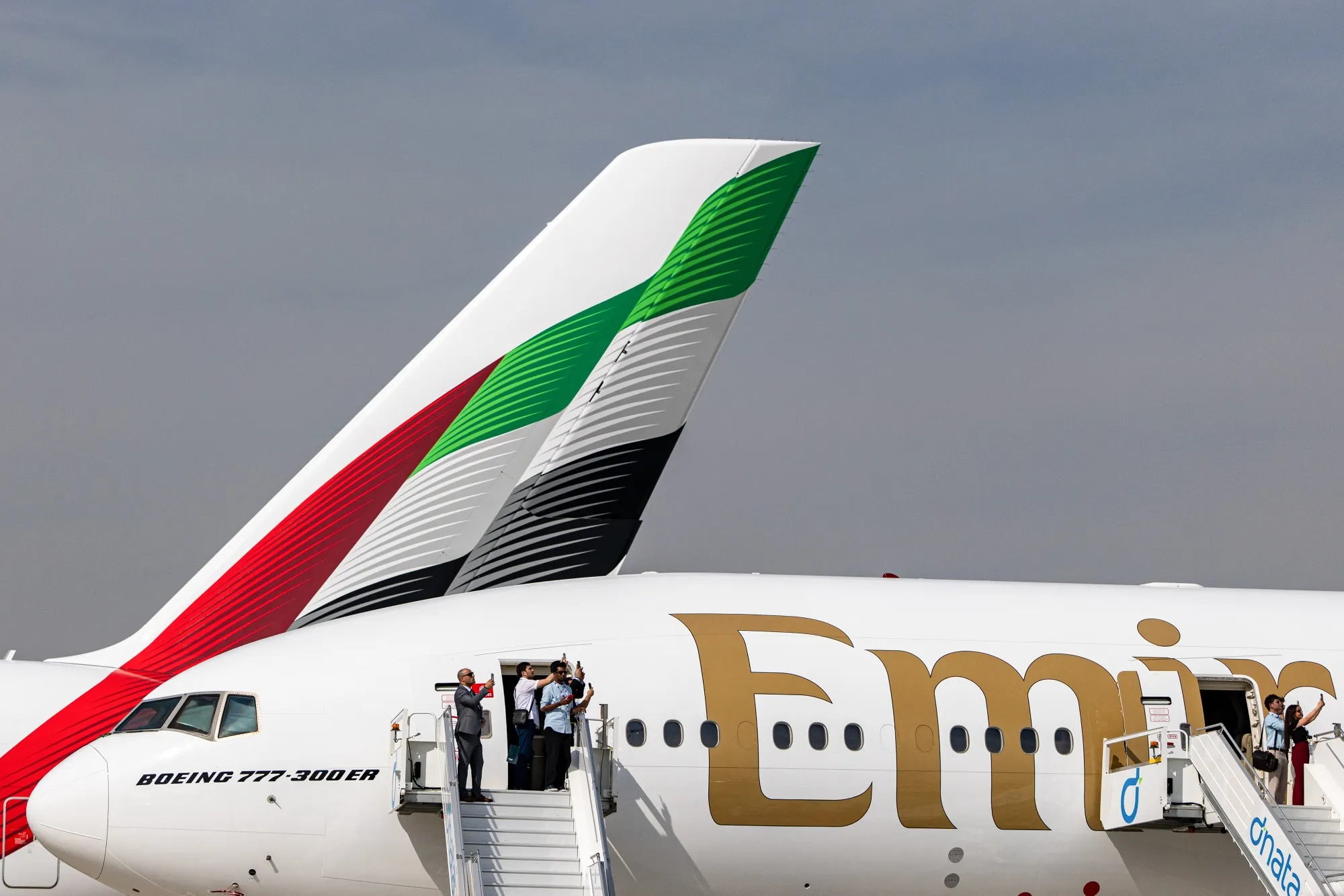
The expansion of traffic rights for Gulf carriers—particularly Emirates—has triggered sharp criticism from Germany’s cabin crew union, Unabhängige Flugbegleiter Organisation (UFO). The union has condemned the German government’s reported openness to granting additional landing rights to Emirates, arguing that the move deepens what it calls an uneven competitive landscape in European aviation.
The criticism comes shortly after Qatar Airways secured expanded access to the European Union market—an agreement that had already raised concerns among labor groups about fair competition and regulatory parity.
Labor Standards and Regulatory Imbalance
At the heart of UFO’s objections is the claim that Gulf carriers benefit from structural advantages unavailable to European airlines. According to the union, European carriers must comply with stringent EU rules on:
Climate protection and emissions
Labor rployment protectio
Safety and operational oversightights and em
nsMeanwhile, Gulf airlines are often perceived by critics as benefiting from state backing and operating under different regulatory frameworks, allowing for lower operating costs. UFO argues that this disparity creates a system in which European airlines are forced to compete at a structural disadvantage.
Joachim Vázquez Bürger, Chairman of the Board of UFO, stated:
“Equal conditions for all airlines are a necessary prerequisite for fair competition. Airlines that receive massive subsidies from their respective governments, are not bound to the same extent by the European Union’s strict climate protection regulations, and benefit from differing safety and social standards are massively distorting competition in Europe.”
Berlin Airport in Focus
The controversy intensified after reports that the German government, following discussions during Chancellor Friedrich Merz’s Gulf tour, is considering allowing Emirates expanded takeoff and landing rights at Berlin Brandenburg Airport. Although a final decision has yet to be announced, labor representatives argue that such an expansion would further shift market share toward Gulf carriers.
The umbrella organization representing EU cabin crew unions, EurECCA, has echoed similar concerns, calling for greater transparency and political scrutiny of aviation agreements with non-EU states.
Jobs and Market Impact
UFO warns that continued liberalization without regulatory harmonization could result in:
- Loss of European aviation jobs
- Downward pressure on wages and working conditions
- Erosion of established labor protections
- Reduced competitiveness of EU-based airlines
For cabin crew members in particular, the stakes are high. Increased market access for foreign carriers on lucrative long-haul routes could reduce capacity and hiring opportunities for European operators.
A Broader Debate on Aviation Policy
The dispute highlights a broader debate within Europe: how to balance open skies policies with the protection of domestic labor standards and environmental regulations.
Supporters of expanded traffic rights argue that increased competition benefits consumers through lower fares and improved connectivity. Critics, however, insist that competition must be fair and reciprocal.
As discussions continue, the outcome could shape not only Germany’s aviation landscape but also the EU’s broader approach to air service agreements with Gulf states. The call from labor groups is clear: if markets are to remain open, the rules governing them must be equally applied.
Leave a Reply