Author: Defence Street Editor

  • Headway in advanced technology must for India to deal with emerging threats related to cyber & space: Raksha Mantri Shri Rajnath Singh to research institutes during 12th convocation of DIAT, Pune

    Headway in advanced technology must for India to deal with emerging threats related to cyber & space: Raksha Mantri Shri Rajnath Singh to research institutes during 12th convocation of DIAT, Pune

    • Calls for new innovations beneficial for both defence sector & civil use
    • “Government resolute to achieve ‘Aatmanirbharta’ in defence; import dependency can become a hindrance to strategic autonomy”
    • “Without self-reliance, independent decisions on global issues cannot be taken”
    • “World has become a global village; self-reliance does not mean isolation; it means catering to our own needs, while fulfilling the requirements of friendly countries”

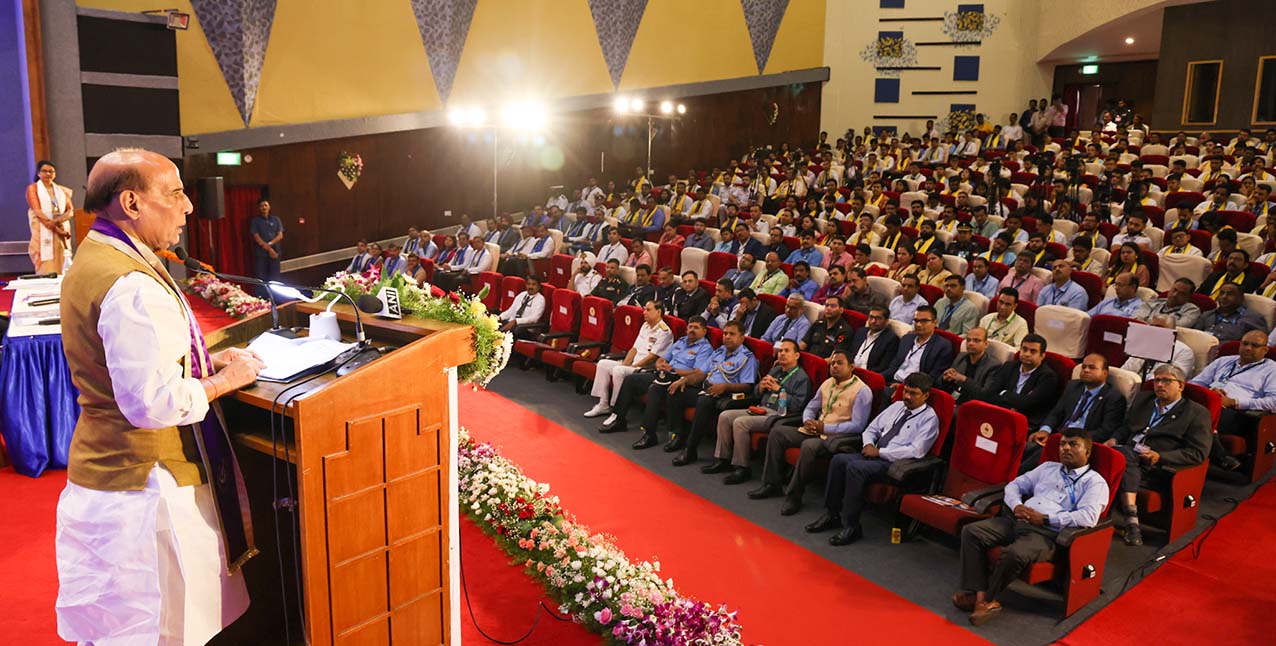
    New Delhi, 15th May 2023. Raksha Mantri Shri Rajnath Singh has exhorted research institutes to speed up activities in advanced technology and achieve progress to make India fully capable of dealing with emerging threats related to cyber and space. Addressing the 12th convocation ceremony of Defence Institute of Advanced Technology (DIAT), Pune in Maharashtra on 15th May 2023, Shri Rajnath Singh shared insights on the continuously changing political and economic equations among nations in the current global scenario.

    The Raksha Mantri stated that Science & Technology and methods of warfare are evolving at a rapid pace and there is a need to make fast progress in advanced technology to deal with non-kinetic or contactless warfare, which the world today is witnessing, in addition to the conventional methods. “If our adversary possesses more advanced technologies, it can be a cause of concern for us in the future. There is an urgent need to move fast towards technological advancements in line with the changing times. This responsibility lies with our institutions. Defence sector is not a stagnant lake, but a flowing river. Just as a river, we need to keep surging ahead overcoming obstacles,” he said.

    Highlighting the deep connection between cutting edge technologies and defence research, Shri Rajnath Singh also called upon the institutions such as DIAT to come up with new innovations which are not only useful to the defence sector, but equally effective for civilians as well.

    Elaborating on the Government’s vision to achieve ‘Aatmanirbharta’ in defence, the Raksha Mantri termed it as the most crucial component, which is essential for strengthening the security apparatus of the country. He, however, clarified that self-reliance does not mean isolation from the world. “Today, the world has become a global village and isolation isn’t possible. The aim of self-reliance is to meet the needs of the Armed Forces by building necessary equipment/platforms with our own capacity while fulfilling the security requirements of our friendly countries,” he said.

    Shri Rajnath Singh emphasised that dependence on import of defence equipment can become a hindrance to India’s strategic autonomy, which is the main reason the Government, led by Prime Minister Shri Narendra Modi, is making all-out efforts to achieve self-reliance in the sector. “Without self-reliance, we cannot take independent decisions on global issues in line with our national interests. More equipment we import; more adverse impact it will have on our Balance of Trade. We aim to become a net exporter instead of net importer. It will not only strengthen our economy, but increase employment opportunities,” he said.

    The Raksha Mantri listed out a number of steps taken by the Ministry of Defence to promote self-reliance, including promulgation of four positive indigenisation lists for Armed Forces comprising 411 systems/equipment. In addition, fourth positive indigenisation lists for DPSUs have been issued, comprising a total of 4,666 strategically-important Line Replacement Units/Sub-systems/Spares & Components. He termed these steps as a testament to the steadfast commitment of the Government to attain ‘Aatmanirbharta’ in defence.

    Shri Rajnath Singh also threw light on the special emphasis being laid by the Government in the field of innovation. He pointed out that today India is the second largest hub for start-ups and the Ministry of Defence is constantly receiving innovative ideas. “Over 6,000 applications were received in the last seven editions of the Defence India Start-up Challenge, which indicates that Indian start-ups are contributing significantly in the pursuit of self-reliance in the defence sector. Now more patents are being filed, which is a sign of the innovative prowess,” he added.

    On the visible results being witnessed due to the Government’s efforts, the Raksha Mantri stated that today India is manufacturing rifles, BrahMos missiles, Light Combat Aircraft and indigenous Aircraft Carrierson its own. He added that defence exports have increased manifold in recent years to approx. Rs 16,000 crore in Financial Year 2022-23 from Rs 900 crore in 2014. India is exporting defence equipment to many countries, with many showing interest and faith in the country’s manufacturing capabilities, he said.Shri Rajnath Singh called for harnessing the country’s full potential to realise the Prime Minister’s dream of a strong, prosperous, self-reliant and developed India by 2047,

    During the convocation, the Raksha Mantri, who is also the Chancellor of DIAT, awarded degrees to 283 students, including 261 M.Tech./M.Sc. students and 22 Ph.D. students from various disciplines. A total number of 20 gold medals were awarded. Shri Rajnath Singh also witnessed laboratory demonstrations of various frontier research activities carried out in DIAT including free-space entanglement distribution demonstration, biomedical health-care device developed by a start-up in DIAT, Nuclear-Diamond battery, Drone interception and combat technology, Tera-Hz applications and space to undersea communication.

    Secretary, Department of Defence R&D, Chairman DRDO & Chairman Governing Council (DIAT) Dr Samir V Kamat; Scientific Advisor to the Raksha Mantri Dr G Satheesh Reddy; Vice Chancellor, DIAT, Dr CP Ramanarayanan; Directors General and Directors of various DRDO labs attended the event.

  • Airbus selects UK National Satellite Test Facility for SKYNET 6A testing

    Airbus selects UK National Satellite Test Facility for SKYNET 6A testing

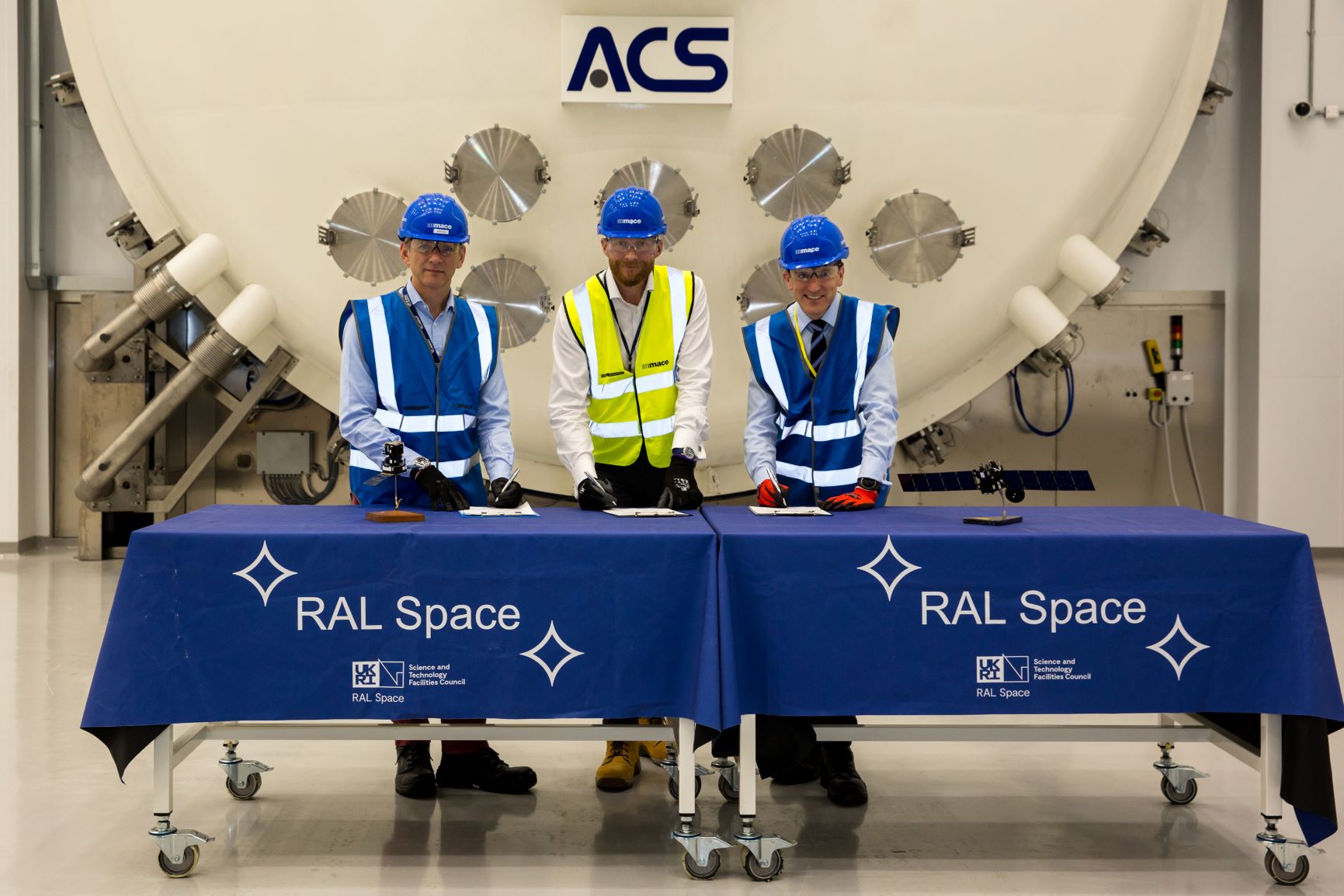
    Stevenage, 11th May 2023. Airbus has selected the National Satellite Test Facility (NSTF) at Harwell in Oxfordshire to carry out the comprehensive test campaign on the UK Ministry of Defence’s next generation secure communications satellite SKYNET 6A.

    The £116 million government-funded NSTF, operated by experts from the STFC RAL Space (Science and Technology Facilities Council), will carry out the SKYNET 6A test campaign, including electromagnetic compatibility, as well as acoustic and thermal vacuum testing, to replicate the harsh conditions of space.

    Richard Franklin, Managing Director of Airbus Defence and Space UK, said: “SKYNET 6A is designed and manufactured at our Stevenage and Portsmouth sites and will undergo its entire testing campaign at the new National Satellite Test Facility. It is fitting that the facility’s first testing contract is for Britain’s’ next generation SKYNET 6A, which will provide critical, secure-communications capability for our armed forces and will help further extend the UK’s space ecosystem and capability.”

    Ian Annett, Deputy CEO at the UK Space Agency, said: “The National Satellite Test Facility is a significant addition to the UK’s growing space infrastructure that will improve the support available for companies across the breadth of the UK space industry, which employ thousands of people across the country. The brand new facility, the first customer of which will be Airbus Defence and Space, will also help attract new businesses of all shapes and sizes to Harwell and the UK. This will catalyse investment and accelerate the development of new technologies for decades to come – from advanced satellite manufacturing to secure communications, navigation and Earth observation.”

    SKYNET 6A will be the first SKYNET milsatcom satellite to be entirely designed, built and tested in the UK. The programme involves a 500-strong team at Airbus and is being supported by more than 45 SMEs across the UK. This geostationary telecommunications satellite will provide secure communications services for the UK’s armed forces around the world following its launch in 2025.

  • Lockheed Martin’s PAC-3 MSE Interceptor Launched From German Patriot Launcher

    Lockheed Martin’s PAC-3 MSE Interceptor Launched From German Patriot Launcher

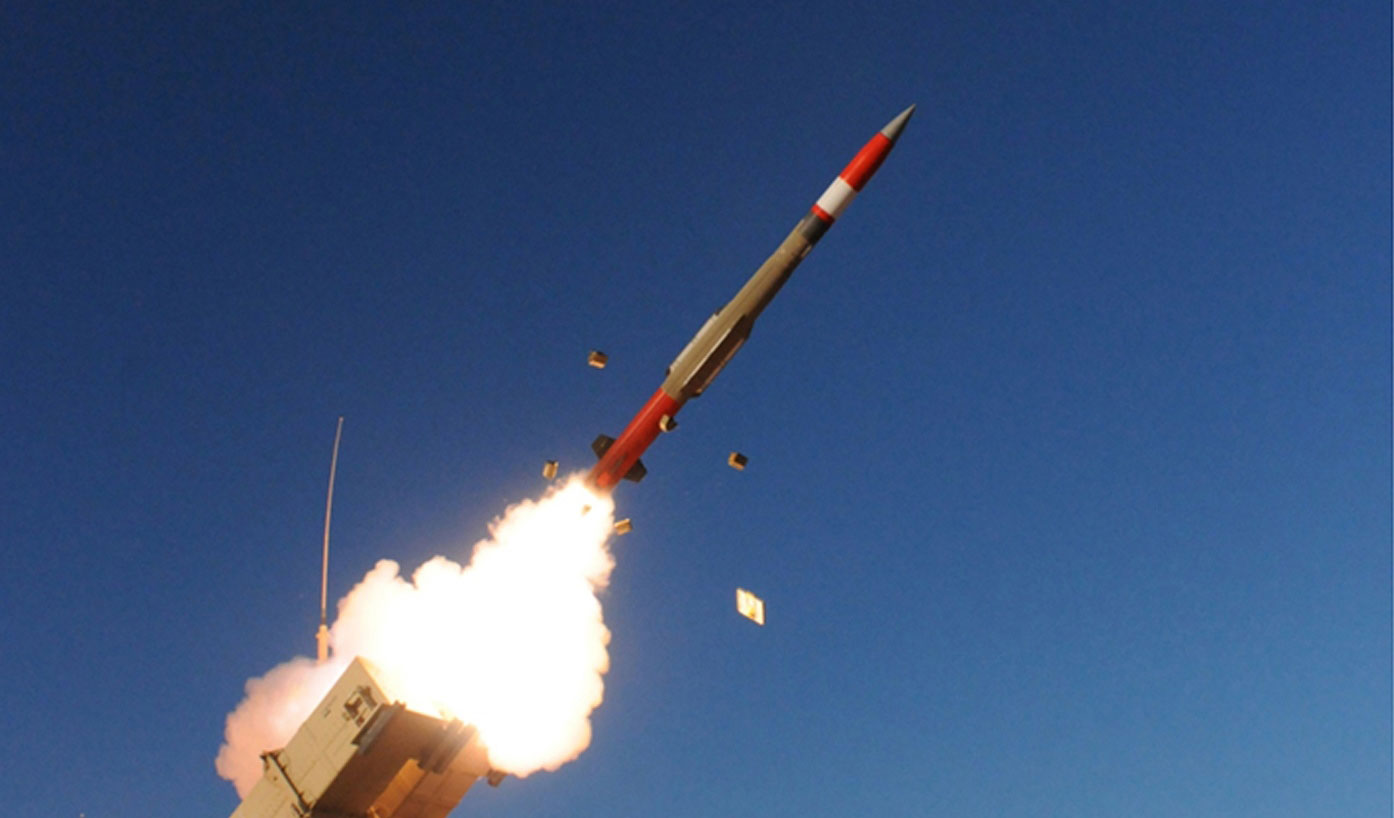
    WHITE SANDS MISSILE RANGE, New Mexico, 11th May 2023. A German-modified M903 launcher successfully launched a Lockheed Martin PAC-3 Missile Segment Enhancement (MSE) interceptor in a flight test today. The Germany Tactical Test / Operational Test 3 flight test was conducted by the German Air Force against a virtual tactical ballistic missile target to prove compatibility between PAC-3 MSE and the German-modified Patriot M903 launching station.

    MBDA Deutschland partnered with Lockheed Martin to perform the necessary modifications of the launcher to enable the integration of the PAC-3 MSE missile.

    The test was a critical final step before Lockheed Martin delivers the first shipment of PAC-3 MSEs to Germany.

    “Delivering PAC-3 MSE to Germany will enhance German air defense capabilities and increase lethality against evolving threats,” said Dennis Goege, Lockheed Martin Vice President of Central and East Europe. “The recent flight test proves that PAC-3 MSE is ready for deployment in Germany.”

    The U.S. and German governments reached an agreement in 2019 for the procurement of PAC-3 MSE. Germany already employed the PAC-3 Cost Reduction Initiative (CRI) interceptor in their air defense arsenal.

    About Lockheed Martin

    Headquartered in Bethesda, Maryland, Lockheed Martin Corporation is a global security and aerospace company that employs approximately 116,000 people worldwide and is principally engaged in the research, design, development, manufacture, integration and sustainment of advanced technology systems, products and services.

  • Textron Aviation brings Peace-of-Mind Technology to the Beechcraft Denali Cockpit

    Textron Aviation brings Peace-of-Mind Technology to the Beechcraft Denali Cockpit

    Beechcraft Denali DJVJ0054.jpeg
    The Beechcraft Denali aircraft is designed and will be manufactured by  Textron Aviation Inc., a Textron Inc. company.

    WICHITA, Kan., 8th May 2023. With customer input at the forefront of its product investments, Textron Aviation today announced it is bringing the revolutionary Garmin Emergency Autoland system to its new clean-sheet design Beechcraft Denali single-engine turboprop. The new feature is being implemented into the aircraft’s development and flight test program and will be available as a standard feature at time of entry into service.

    The Garmin Emergency Autoland system is the world’s first certified system of its kind. It provides a means for the aircraft to land automatically in the unlikely event of pilot incapacitation. A passenger can activate the Emergency Autoland system by pressing a dedicated button in the cockpit. Once activated, the system immediately takes control of the aircraft and informs ATC of the emergency. It then calculates a flight path to the most suitable airport or runway, while avoiding terrain and adverse weather, initiates a stabilized approach and automatically lands the aircraft, bringing it to a stop before shutting down the engine.

    “The Autoland system is an excellent addition to the Beechcraft Denali and the G3000 avionics suite, and we’ve included it in the program as a direct response to continued conversations with our customers,” said Lannie O’Bannion, senior vice president, Sales & Flight Operations. “The feature makes the Denali even more desirable to a wider audience as it adds yet another element of assurance and peace of mind for pilots and passengers.”

    Beechcraft Denali Z72_4991.jpg

    s aligning the Beechcraft Denali aircraft certification timing, which is expected in 2025, to the certification timeline for the new Catalyst engine, a product of Avio Aero – part of GE Aerospace. The Denali is the first aircraft powered by the new, more efficient engine.

    “We continue to experience great progress with the Denali development program, and we believe the aircraft will be a game changer in the single-engine, high-performance turboprop segment,” said Chris Hearne, senior vice president, Engineering. “Our customers are excited for the Emergency Autoland feature on the Denali and, while our goal is to achieve type certification as quickly as possible, it is of greatest importance to assure that every detail is completed with the highest quality.”

    The Denali flight test certification program features three flight test articles. The three flight test aircraft have surpassed 1,300 flight hours.

    Beechcraft Denali 220-Iqaluit.png

    About the Beechcraft Denali 

    Engineered to achieve cruise speeds of 285 knots and full fuel payload of 1,100 pounds, the Beechcraft Denali is designed to have a range of 1,600 nautical miles at high-speed cruise with one pilot and four passengers and will be able to fly from Los Angeles to Chicago, New York to Miami or London to Athens.

    The Catalyst engine – a more efficient, FADEC-equipped, 1,300 shaft horsepower (SHP)-rated turboprop engine – eases pilot workload with its single-lever power and propeller control. Like the company’s other aircraft, the Denali can also use sustainable aviation fuel.

    The airplane is also equipped with McCauley’s new 105-inch diameter composite, 5-blade, constant speed propeller, which is full feathering with reversible pitch and ice protection.

    The cockpit features the Garmin G3000 intuitive avionics suite with high-resolution screens and touchscreen controllers. An integrated Garmin autothrottle interfaces with the Automatic Flight Control System (AFCS) and Flight Management System (FMS) provides easy speed control throughout all regimes of flight from takeoff to touchdown.

    Class-leading passenger experience 

    The Beechcraft Denali’s flat-floor cabin is designed to be the largest in its segment and offers the versatility to easily convert between passenger and cargo configurations. The cabin features a standard seating configuration of six individual reclining seats and offers a nine-place high density seating option. Passengers will also enjoy large cabin windows, a forward refreshment cabinet and an in-flight accessible baggage compartment. An optional externally serviceable belted lavatory in the rear of the cabin is also available.

  • Indian Naval Ships Visit Sihanoukville, Cambodia

    Indian Naval Ships Visit Sihanoukville, Cambodia

    • Will consolidate strong bonds of friendship that exist between the two countries, by strengthening maritime cooperation
    • Part of Indian Navy’s deployment to ASEAN countries

    New Delhi, 12th May 2023. As part of Indian Navy’s deployment to ASEAN countries, Indian Naval ships Delhi and Satpura, under the command of Rear Admiral Gurcharan Singh, Flag Officer Commanding Eastern Fleet (FOCEF), are making a port call at Sihanoukville, Cambodia from 11 – 14 May 23. The port call demonstrates India’s cordial ties with the Kingdom of Cambodia.

    During the port call, personnel from both the navies will engage in a wide range of professional interactions, deck visits and sports exchanges, aimed at enhancing interoperability and mutual understanding.

    INS Delhi is India’s first indigenously built guided missile Destroyer and INS Satpura is an indigenouS multi purpose stealth Frigate. The two ships are equipped with a versatile array of weapons and sensors and can carry multi-role helicopters. Both ships are a testimony of India’s advanced ship design and shipbuilding capabilities.

    The visit of the Indian Naval ships seeks to consolidate the strong bonds of friendship that exist between the two countries, by strengthening maritime cooperation.

  • Pratt & Whitney Canada to Invest $10 Million in Technology Upgrades at Component Repair Facility in Wichita Falls, Texas

    Pratt & Whitney Canada to Invest $10 Million in Technology Upgrades at Component Repair Facility in Wichita Falls, Texas

    From left: Irene Makris, vice-president, Customer Service, Pratt & Whitney Canada, Stephen Santellana, May of Wichita Falls, and Leo Lane, President of the Wichita Falls Economic Development Corporation.

    WICHITA FALLS, Texas, 12th May 2023. Pratt & Whitney Canada, a business unit of Pratt & Whitney, today announced a $10 million investment to expand the capabilities of its Wichita Falls, Texas engine component repair facility, which is expected to create 30 new jobs. As part of the investment, the company will modify its existing coatings line using an innovative application process.

    “The Wichita Falls component repair facility joined the Pratt & Whitney Canada family in 1997 and since then we have strengthened our ties with the local community,” said Irene Makris, vice president, Customer Service, Pratt & Whitney Canada. “We continue to invest and grow in Wichita Falls because of the strength of the local workforce, the support of the community, and the enthusiastic ‘can do’ attitude of our Wichita Falls team and leadership. Our Wichita Falls facility will be the first of our plants to pioneer a new coating process which will significantly improve the durability and performance of our engines.”

    The facility repairs the “hot” (combustion) sections of a variety of Pratt & Whitney Canada engines. As part of the repair process, certain engine parts, such as turbine blades, are given a special coating that protects against the high temperatures needed for these high-performance engines. The investment is to create a line that uses a newly developed coating technique.

    “The City of Wichita Falls views companies like Pratt & Whitney as integral to the health of the local economy and our ability to foster well-paying jobs for our workforce,” said Stephen Santellana, Mayor of Wichita Falls. “The company and its employees here are very much involved in our community and in efforts to strengthen our social and economic infrastructure. We are delighted with Pratt & Whitney Canada’s decision to continue to grow in Wichita Falls and we are proud to support this investment in the facility to bring more work and more job opportunities to the City’s residents.”

    Pratt & Whitney Canada designs, builds and maintains engines for a variety of missions and purposes, from general aviation enthusiasts to life-saving air medical and rescue operations. This year, Pratt & Whitney Canada celebrates achieving 1 billion operating hours since it was founded in 1928. Pratt & Whitney Canada has produced more than 110,000 engines, and 66,000 engines are currently in operation throughout the world.

    “Since acquiring the current facility in 1997, Pratt & Whitney Canada has worked diligently to expand both the plant’s capabilities and grow its workforce,” said Leo Lane, Chairman of the Wichita Falls Economic Development Corporation. “It is initiatives like today’s announcement that help us grow our aviation and aerospace sector, important for a city that is home to the Sheppard Airforce Base. We’re also mindful that Pratt & Whitney is a major supplier to our military and conducts recruitment programs geared to helping our veterans find their next mission as Pratt & Whitney employees.”

    Construction will begin before mid-2023 and is expected to be completed by early 2025.

    About Pratt & Whitney
    Pratt & Whitney is a world leader in the design, manufacture and service of aircraft and helicopter engines, and auxiliary power units. To learn more visit www.prattwhitney.com. To receive press releases and other news directly, please sign up here.

    About Raytheon Technologies
    Raytheon Technologies (NYSE: RTX) is the world’s largest aerospace and defense company. Our global team of 180,000 employees pushes the limits of known science and redefines how we connect and protect our world. We are advancing aviation, building smarter defense systems and creating innovations to take us deeper into space. The company, with 2022 sales of $67 billion, is headquartered in Arlington, Virginia.

  • Prime Minister inaugurates programme marking National Technology Day 2023 in New Delhi

    Prime Minister inaugurates programme marking National Technology Day 2023 in New Delhi

    • Lays foundation stone & dedicates to the nation multiple scientific projects worth more than Rs 5,800 crore
    • Shri Narendra Modi releases commemorative stamp and coin on 25th National Technology Day
    • “We have to make the nation Viksit and Aatmanirbhar”
    • The passion, energy and capabilities of the children and youth today are India’s big strengths: PM
    • Pokhran nuclear tests gave the message that India is a peace-loving nation, but it won’t let anyone to harm its sovereignty, integrity & unity: Raksha Mantri
    • Shri Rajnath Singh calls for optimum use of country’s powerful human resource to make India strong, prosperous & self-reliant

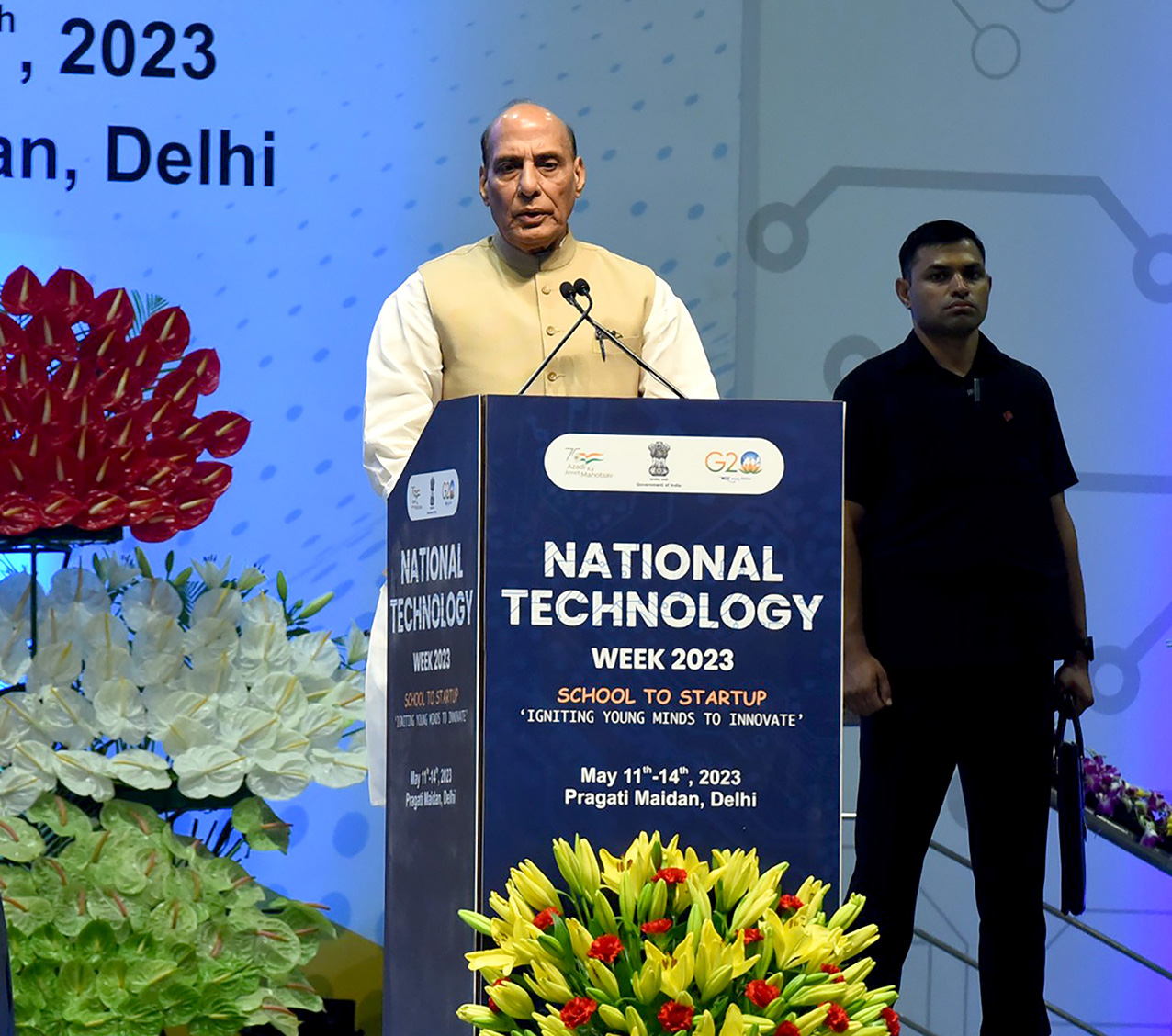
    New Delhi, 11th May 2023. Prime Minister Shri Narendra Modi inaugurated the programme marking National Technology Day 2023 at Pragati Maidan in New Delhi on May 11, 2023. The programme also marked the commencement of the celebration of the 25th year of National Technology Day being held from the 11th-14th May. On this momentous occasion, the Prime Minister laid the foundation stone and dedicated to the nation multiple projects related to scientific and technological advancement in the country worth more than Rs 5,800 crore. This is in line with the Prime Minister’s vision of ‘Aatmanirbhar Bharat’ through strengthening scientific institutions in the country.

    The projects whose foundation stone was laid include Laser Interferometer Gravitational Wave Observatory – India (LIGO-India), Hingoli; Homi Bhabha Cancer Hospital and Research Centre, Jatni, Odisha; and Platinum Jubilee Block of Tata Memorial Hospital, Mumbai.

    The projects dedicated to Nation include Fission Molybdenum-99 Production Facility, Mumbai; Rare Earth Permanent Magnet Plant, Visakhapatnam; National Hadron Beam Therapy Facility, Navi Mumbai; Radiological Research Unit, Navi Mumbai; Homi Bhabha Cancer Hospital and Research Centre, Visakhapatnam; and Women & Children Cancer Hospital Building, Navi Mumbai.

    During the programme, the Prime Minister also inaugurated the Expo showcasing scientific & technological advancements made in India in the recent past and also took a walk-through. He also released a commemorative stamp and coin on the occasion.

    Addressing the gathering, the Prime Minister said that the 11th of May is one of the most prestigious days in the history of India. He underlined that today marks the day when India’s scientists achieved the stupendous feat in Pokhran which made the entire nation proud. “I can never forget the day when Atal Ji made the announcement of India’s successful Nuclear Testing,” the Prime Minister remarked. He stated that the Pokhran Nuclear Testing not only helped India prove its scientific capabilities but also gave a boost to the global stature of the nation. “In Atal Ji’s words”, the Prime Minister said, “We have never stopped on our journey and never surrendered to any challenge that has come our way.” The Prime Minister conveyed his greetings to every citizen on the occasion of National Technology Day.

    Mentioning the futuristic projects that have been inaugurated today, the Prime Minister mentioned the National Hadron Beam Therapy Facility, and Radiological Research Unit in Mumbai, the Fission Molybdenum-99 Production Facility, Rare Earth Permanent Magnet Plant in Visakhapatnam and the various Cancer Research Hospitals and said that it will give a push to the progress of the country with the help of nuclear technology. Talking about LIGO-India, the Prime Minister called LIGO to be one of the foremost science and technology initiatives of the 21st century. The observatory will bring new opportunities for research for the students and scientists, he said.

    The Prime Minister reiterated that today, at the initial period of Amrit Kaal, the goals of 2047 are clear before us. “We have to make the nation Viksit and Aatmanirbhar,” said the Prime Minister emphasizing the need for creating an inclusive ecosystem for growth, innovation and Sustainable Development Goals. He underlined the importance of technology at every step and said, India is moving forward with a holistic and 360-degree approach in this regard. “India considers technology as a tool of the nation’s progress, not a means to assert its dominance,” the Prime Minister said.

    Praising the theme of today’s event ‘School to Start-ups – igniting young minds to innovate’, the Prime Minister said that India’s future will be decided by the youth and children of today. He said that the passion, energy and capabilities of the children and youth today are India’s big strengths. Quoting Dr APJ Abdul Kalam, the Prime Minister underscored the importance of knowledge and said as India is developing as a Knowledge society, it is taking action with equal force. He elaborated on the strong foundation that has been created in the country during the last nine years to ignite young minds.

    The Prime Minister said that more than 10 thousand ATAL tinkering labs in 700 districts have become innovation nurseries. More importantly, 60 percent of these labs are in government and rural schools. He informed that over 75 lakh students are working laboriously on more than 12 lakh innovation projects in Atal Tinkering Lab. This, the Prime Minister said, is a sign of young scientists coming right out of schools and reaching the far corners of the country and emphasising that it is everyone’s duty to handhold them, nurture their talent and also assist them in implementing their ideas. He noted the hundreds of start-ups that have been incubated at Atal Innovation Centres (AIC) and said that it is emerging as the new laboratories of the ‘New India’. “The Tinker-preneurs of India will soon become leading entrepreneurs of the world”, the Prime Minister said.

    Quoting Maharishi Patanjali on the importance of hard work, the Prime Minister said that measures taken after 2014 have resulted in big changes in the field of science and technology. “Start-up India Campaign, Digital India, and National Education Policy help India in gaining new heights in the field,” Shri Modi said as he underlined that Science is coming out of the books and turning into patents through experiments.“The number of patents has increased from 4,000 per year 10 years ago to more than 30,000 today. Registration of designs has grown from 10,000 to 15,000 in the same period. The number of trademarks has grown from less than 70,000 to more than 2,50,000,” the Prime Minister informed.

    “The India of today is moving forward in every direction that is necessary to become a tech leader”, Shri Modi said. He noted that the number of tech incubation centres in the country has grown from roughly 150 in 2014 to more than 650 today. The Prime Minister also mentioned that India’s Global Innovation Index Rank has gone from 81stto the 40thposition where the youth of the country are setting up their own digital ventures and start-ups. Drawing comparisons with 2014, the Prime Minister mentioned that the number of start-ups in the country has increased from roughly 100 to one lakh recognised start-ups today and it has turned India into the third largest start-up ecosystem in the world. Noting India’s capability and talent, the Prime Minister pointed out that the growth took place at a time when the world is dealing with economic uncertainty. Underlining that the present moment is extremely precious for policymakers, the scientific community, research labs spread across the country and the private sector, the Prime Minister reiterated that even though the School to Start-up journey will be made by the students, it is the stakeholders who must guide and encourage them at all times. The Prime Minister extended his entire support for the cause.

    The Prime Minister said that when we move keeping in mind the social context of technology, technology becomes a powerful tool of empowerment. It becomes a tool for removing imbalance and promoting social justice. The Prime Minister recalled the time when technology was beyond the reach of common citizens and things like debit, credit cards were status symbols. But today, UPI has become a new normal due to its simplicity. Today India is among the countries with the highest data use. Rural intent users number has overtaken urban users. JAM trinity, GeM portal, CoWin portal, e-NAM are making technology an agent of inclusion.

    The Prime Minister said that the right use of technology gives new strength to society, today the government is using technology for providing services for every stage of life. Online birth certificates, e-Pathshala and Diksha e-learning platforms, scholarship portal, Universal access number during the job period, e-Sanjeevani for medical treatment, and Jeevan Praman for the elderly, such solutions are helping the citizen at every step, said the Prime Minister. He also talked about initiatives in easy passports, Digi Yatra, and DigiLocker as examples of ensuring social justice and enhancing ease of living.

    Referring to the rapid changes taking place in the world of technology, the Prime Minister expressed confidence that the youth of India will lead the country in matching this pace and also crossing it. He mentioned AI tools that have emerged as the new game changers, the limitless possibilities in the health sector, and new innovations taking place in drone technology, and the therapeutics sector and said that India must take a lead in such revolutionary technology.

    Referring to India’s goal of a self-reliant defence sector, the Prime Minister mentioned Innovations for Defence Excellence (iDEX) and expressed delight that the Ministry of Defence has procured 14 innovations from iDEX worth more than Rs 350 crore. The Prime Minister mentioned initiatives like i-create and DRDO young scientists’ labs and said that these efforts are being given a new direction. Touching upon the new reforms in the space sector, the Prime Minister said that India is emerging as a global game changer and highlighted technologies like SSLV and PSLV orbital platforms. Shri Modi stressed the need to provide new opportunities for the youth and start-ups in the space sector and also touched upon taking the lead in areas of coding, gaming and programming. The Prime Minister also highlighted policy-level initiatives like the PLI scheme at a time when India is increasing its presence in new avenues like semiconductors.

    Throwing light on the role of hackathons in innovation and security, the Prime Minister underlined that the government is continuously promoting the hackathon culture where students take up new challenges and emphasised the need for hand-holding and creating a framework for this. He suggested that an institutionalised system be kept in place to address the youth coming out of Atal Tinkering Labs. “Can we similarly identify 100 labs in the country in different areas, which should be made youth driven?”, the Prime Minister asked. Highlighting the special focus areas of clean energy and natural farming, the Prime Minister stressed promoting research and technology. Concluding the address, the Prime Minister expressed confidence that National Technology Week can play an important role in realizing these possibilities.
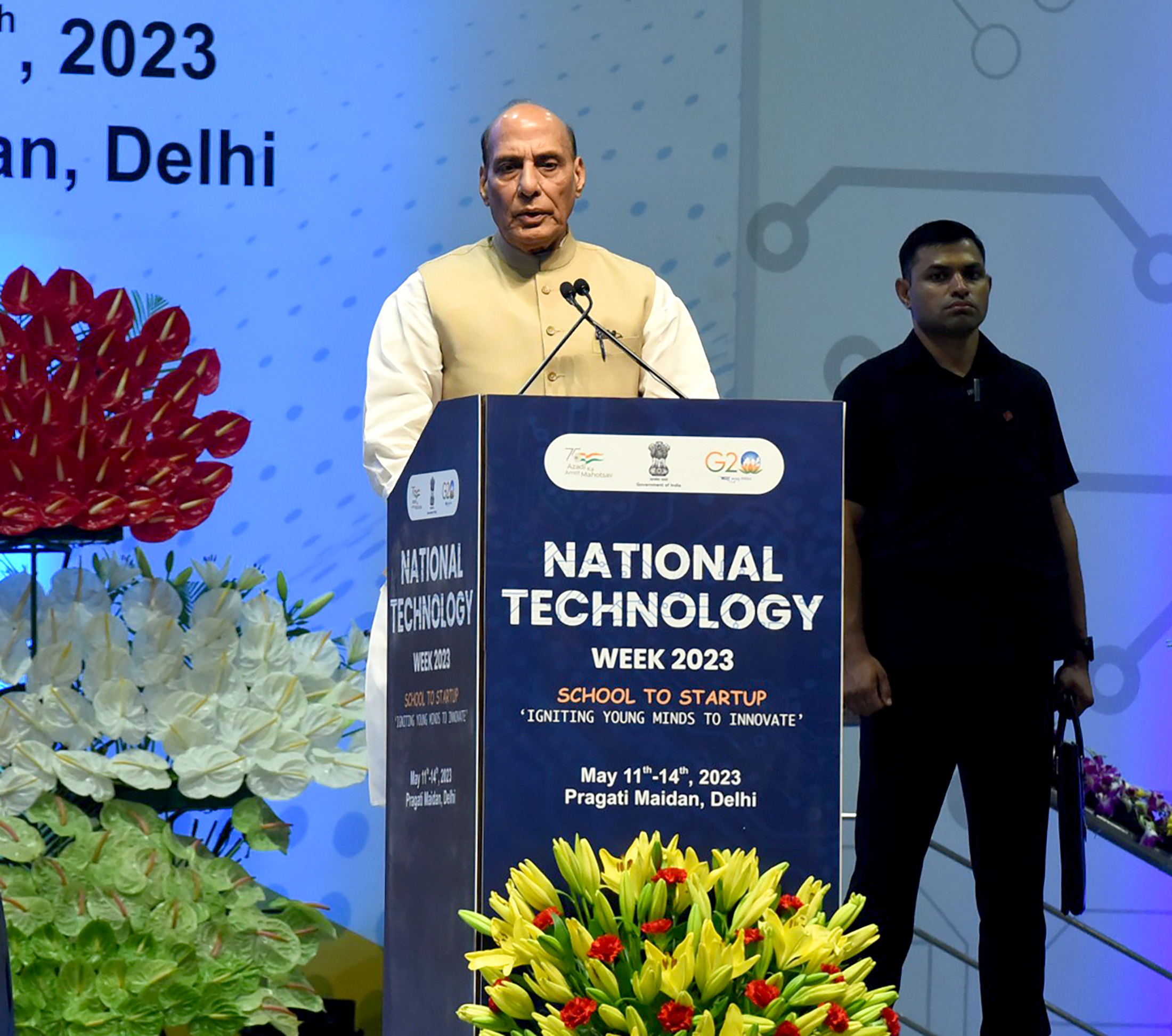
    In his address, Raksha Mantri Shri Rajnath Singh asserted that the 1998 Pokhran nuclear tests gave a message to the world that although India is a peace-loving nation which believes in ‘Vasudhaiva Kutumbakam’ and ‘Ahimsa Paramo Dharma’, it will not let anyone to harm the sovereignty, integrity and unity of the nation.

    “India has not only wished for peace for itself, but given the message to the world. Visionaries like Lord Buddha and Father of the nation Mahatma Gandhi are India’s gift to the world. We have never invaded any country nor enslaved it. But, the Pokhran tests gave a message that we will give a befitting reply to every step taken against our dignity,” the Raksha Mantri said.

    Shri Rajnath Singh termed National Technology Day as an inspiration to adopt a scientific approach while acknowledging the country’s technological achievements. He underlined the importance of science in the progress of a nation, describing it as the source of power. He emphasised that scientific approach motivates the youth to contribute to nation building and ensures holistic development.

    The Raksha Mantri was of the view that India, passing through the phase of demographic dividend, possesses a powerful human resource, which has guided it to a respectable position on the world stage. He called for optimum utilisation of this human resource to achieve the goal of a strong, prosperous and developed India.

    “Under the leadership of Prime Minister Shri Narendra Modi, we are moving forward with the resolve of Jai Jawan, Jai Kisan, Jai Vigyan and Jai Anusandhan. We have risen in stature on the global stage and the world is witnessing a new ray of hope in India. We will be successful in realising our vision of building a strong and self-reliant ‘New India’,” Shri Rajnath Singh said.

    The venue of the event is Pragati Maidan (Hall no 5 & 4), New Delhi. Stakeholder ministries and departments namely Atal Innovation Mission, NITI AAYOG, DST, DRDO, DOS, DAE, CSIR, DBT, MoES, DoT, MEITY, AICTE and DPIIT are participating in this grand expo.

    A DRDO Pavilion has been set up, wherein over 30 DRDO laboratories, five DRDO Young Scientists Laboratories (DYSLs), Technology Development Fund (TDF), DRDO Industry Academia-Centre of Excellence (DIA-CoE) and BrahMos are showcasing a range of indigenously designed and developed systems, technologies and innovations in line with the theme of the event. Many DRDO developed innovative technologies & products developed in association with the industry in recent years are being exhibited. 12 MSME and industries are participating under the TDF and DIA-CoE.

    In the prestigious Atal Innovation Mission (AIM), the DRDO is displaying Exoskeleton developed by DEBEL Bengaluru, and AI based Audio Transcription Translation for Airborne Communication System Measures (CSM) and associated AI Toolboxes developed by CABS Bengaluru; Laser Based Underwater Communication System developed by SSPL Delhi; and Internet of Battlefield Things (IoBT) developed by DYSL-AI. The DRDO will also organise motivational talks on 13th May being delivered by DYSL Directors and speakers from Industry and academia.
  • Boeing CFO Brian West to Speak at the Wolfe Research Global Transportation & Industrials Conference May 25

    Boeing CFO Brian West to Speak at the Wolfe Research Global Transportation & Industrials Conference May 25

    ARLINGTON, Va., 10th May 2023. Boeing Chief Financial Officer Brian West will speak at the Wolfe Research 16th Annual Global Transportation & Industrials Conference on May 25 at 9:10 a.m. ET.

    Visit https://wsw.com/webcast/wolfe4/ba/1542963 to access a link to the live broadcast of the conference. Individuals should check the website prior to the session to ensure access to the audio stream.

    Contact
    Investor Relations
    312-544-2140

    (SOURCE Boeing)

  • Congressional Fusion Caucus Chair Rep. Donald S. Beyer Jr. Visits General Atomics

    Congressional Fusion Caucus Chair Rep. Donald S. Beyer Jr. Visits General Atomics

    • Beyer tours DIII-D National Fusion Facility, GA’s inertial fusion manufacturing laboratories, and ITER Central Solenoid fabrication facility

    San Diego, 8th May 2023. Last week, Representative Donald S. Beyer Jr. (VA), Chair of the Congressional Fusion Caucus, visited General Atomics (GA) to tour the DIII-D National Fusion Facility and GA’s inertial fusion fabrication facilities. Staff members from the offices of Representatives Beyer, Darrell Issa (R-CA), and Suzanne Bonamici (D-OR) also joined the visit.

    “General Atomics is a globally recognized leader in the advancement of fusion science, research, and technology, and we were thrilled to have this opportunity to showcase our capabilities to Rep. Beyer,” said Dr. Anantha Krishnan, Senior Vice President of the Energy Group. “We are very appreciative that he took his valuable time to come see the efforts GA is making to push the boundaries of magnetic and inertial fusion research and development.”

    “I was grateful to visit General Atomics’ facilities and see the great work on both magnetic confinement and inertial fusion technologies that their scientists are contributing to the fusion space. DIII-D, the Inertial Fusion Laboratories, and the Magnet Technologies Center each demonstrate the power of collaboration across industry, national labs, university researchers, and even nations,” said Rep. Beyer.

    DIII-D National Fusion Facility

    The visit began at the DIII-D National Fusion Facility, an Office of Science user facility operated by GA on behalf of the U.S. Department of Energy. DIII-D’s mission is to pioneer the science and innovative technologies that will enable the development of fusion as a clean energy source. As the largest magnetic fusion research facility in the United States and one of the most flexible tokamaks in the world, DIII-D runs innovative experiments and research campaigns that cannot be conducted anywhere else.

    “Fusion is our best chance at making affordable, safe, carbon-free electricity, and the people working at this facility are dedicating their lives to advancing fusion science for the world. I am grateful that Rep. Beyer and his staff made the trip to see us in action,” said Dr. Richard Buttery, Director of the DIII-D National Fusion Facility.

    The DIII-D machine is a tokamak, which uses powerful electromagnets to shape and confine plasma. To achieve fusion conditions relevant for energy production, DIII-D’s plasma must be heated to temperatures exceeding 100 million degrees Celsius—approximately 10 times the temperature at the center of the sun. At such extremely high temperatures, and under enormous pressures created by the electromagnets, hydrogen isotopes fuse together to create helium and release energy.

    While at DIII-D, the delegation received an overview of the facility and learned how its research team is supporting the goals of the Decadal Vision for Commercial Fusion Energy. Announced in March 2022, the Decadal Vision accelerates the timeframe for deploying the first generation of fusion pilot plants by the early 2030s.

    Inertial Fusion Technologies Laboratories

    Following the visit to DIII-D, the group toured GA’s inertial fusion laboratories, where they learned about GA’s participation in the science-based stockpile stewardship program and its contributions to the ground-breaking fusion ignition achieved at the National Ignition Facility (NIF) at Lawrence Livermore National Laboratory in December 2022.

    “The recent achievement at NIF was the result of decades of hard work, and GA is proud to have played a role,” said Mike Farrell, Vice President of Inertial Fusion Technologies. “The bar has been raised, and we are now working to further December’s ignition success.”

    General Atomics is a longstanding partner in the DOE National Nuclear Security Administration’s research in Inertial Confinement Fusion (ICF), which is aimed at achieving a safe, secure, and effective nuclear deterrent without underground testing by producing thermonuclear burn conditions in the laboratory.

    During the tour of the ICF laboratories, the delegation observed the processes required for supporting the ICF mission, including advanced manufacturing, precision metrology, and cutting-edge characterization methods. Rep. Beyer engaged with GA’s skilled team of scientists and technicians and leaned about the company’s role in developing engineers, technicians, and other critical roles for the fusion workforce.

    Looking Ahead: Fusion Pilot Plant and Workforce Development

    The visit continued with discussions focused on GA’s Fusion Pilot Plant (FPP) concept and the need to develop a robust fusion workforce.

    “GA’s concept utilizes a compact steady-state system, an approach that has been well established and refined over decades of research and development and would maximize efficiency, reduce maintenance costs, and increase the lifetime of the facility,” said Wayne Solomon, Vice-President of Magnetic Fusion Energy.

    Dr. Brian Grierson, Director of GA’s FPP Hub, provided an overview of GA’s concept for an FPP, which is applying its decades of combined expertise in tokamak operations, plasma theory, advanced manufacturing, and proprietary technology development to deliver a credible and cost-competitive fusion pilot plant in the 2030s.

    “GA has been in the fusion business for over 60 years,” said Grierson. “Our FPP concept applies everything we have discovered, built, and refined as we look ahead to the widespread deployment of commercial fusion energy.”

    Zabrina Johal, Senior Director of Strategic Development, continued with an overview of GA’s engagements with students and graduates to help develop the future workforce.

    “As we look ahead to the first generation of fusion energy plants, we see not only a unique opportunity to revolutionize the way the world gets its energy, but a chance to develop a new industry. This is the time to begin, whether it is helping to develop new talent in science, technology, engineering, and mathematics (STEM) or engaging with communities that will benefit most from a new era of clean electricity,” said Johal.

    ITER Central Solenoid (CS) Manufacturing

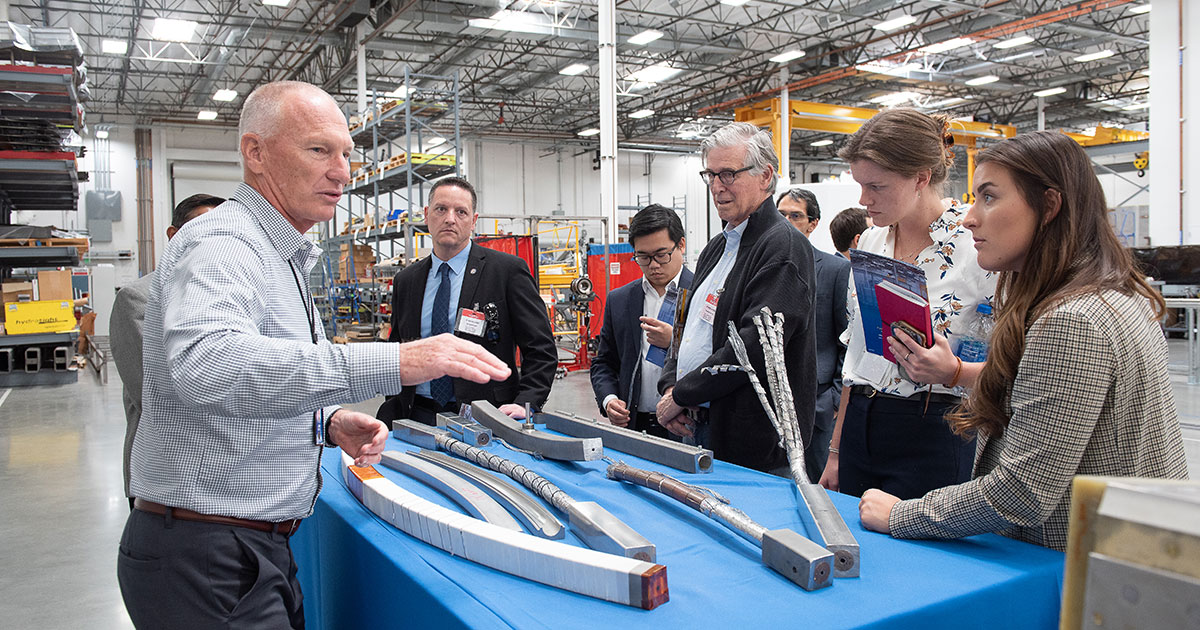
    The final stop on the tour was at GA’s Magnet Technologies Center, where it is fabricating multiple components for the international ITER experiment, including the world’s most powerful pulsed superconducting electromagnet. ITER is an unprecedented scientific collaboration of 35 nations that will prove the feasibility of fusion. When completed and assembled, the 5-story, 1,000-ton magnet will drive 15 million amperes of electrical current to shape and control ITER’s fusion reaction.

    Each module is 7 feet tall, 14 feet wide, and is composed of 3.5 miles of superconducting cable. It takes approximately two and a half years to produce, test, and ship a single module. ITER has received the first two CS modules, and GA will ship the next module in the coming weeks. GA expects to complete the fabrication and shipment of all seven modules, including one acting as a spare, by early 2025.

    The ITER CS is one of the most complex magnet programs ever undertaken. Pulsed superconducting magnets of this power and scale have never been made before, and when ITER is powered on, this will be its beating heart,” said John Smith, Senior Director of Engineering and Projects. “Congress has been a longstanding champion of the ITER program. We are really pleased that members of the Fusion Caucus were here to see the next module being prepared for shipment and delivery.”

    GA is manufacturing the CS modules under the direction of the US ITER project, managed by the DOE’s Oak Ridge National Laboratory. Most of the funds appropriated by Congress for ITER are used to support high-tech jobs and manufacturing in the United States by funding in-kind contributions like the CS.

    During the visit, the delegation learned about the process for fabricating each module and observed the delicate process for testing and preparing the next modules for shipment.

    About General Atomics: Since the dawn of the atomic age, General Atomics innovations have advanced the state of the art across the full spectrum of science and technology – from nuclear energy and defense to medicine and high-performance computing. Behind a talented global team of scientists, engineers, and professionals, GA’s unique experience and capabilities continue to deliver safe, sustainable, economical, and innovative solutions to meet growing global demands.

    About the DIII-D National Fusion Facility. DIII-D is the largest magnetic fusion research facility in the U.S. and has been the site of numerous pioneering contributions to the development of fusion energy science. DIII-D continues the drive toward practical fusion energy with critical research conducted in collaboration with more than 600 scientists representing over 100 institutions worldwide. As a U.S. Department of Energy, Office of Science User Facility, participation in DIII-D research is open to all interested parties.

  • San Diego Mayor Todd Gloria Tours General Atomics Fusion Facilities

    San Diego Mayor Todd Gloria Tours General Atomics Fusion Facilities

    • Gloria joined by representatives of the San Diego Regional Economic Development Corporation; tours DIII-D National Fusion Facility and GA’s inertial fusion manufacturing laboratories

    San Diego, 9th May 2023. San Diego Mayor Todd Gloria visited General Atomics (GA) to tour the DIII-D National Fusion Facility and GA’s inertial fusion laboratories. Mayor Gloria was joined by representatives of the San Diego Regional Economic Development Corporation. During the visit, the delegation learned about the important role the San Diego region is playing in the development of fusion as an energy source.

    “GA is a globally recognized leader in the advancement of fusion science, research, and technology, and we were honored to show Mayor Gloria how we are helping to shape the future of clean energy,” said Dr. Anantha Krishnan, Senior Vice President of the Energy Group.

    Fusion holds the promise of providing nearly limitless clean, safe, and always-available energy. Fueled primarily by isotopes of hydrogen found in seawater and capable of generating its own fuel during operation, a fusion energy facility would provide around-the-clock sustainable energy without any harmful emissions or long-lived waste.

    Approximately $750 million to $1 billion is spent in California annually on fusion research and development, including research at national labs, privately led innovations in the commercial sector, and academic programs at world-leading universities. Future developments in fusion science and technology could significantly increase the amount of fusion-related investments in the region.

    “I was excited to have the opportunity to learn about General Atomics’ important work in fusion research. Hosting the largest magnetic fusion machine in the United States, San Diego plays an essential role in advancing fusion technology, which has the potential to revolutionize clean energy,” said Mayor Todd Gloria.

    “For decades, General Atomics has been a fixture of San Diego’s innovation ecosystem. As a global leader in fusion research and technology, among other technologies key to our national security, the region must be committed to supporting the company’s impact and workforce. We were excited to join Mayor Gloria today to learn more about GA’s role in advancing this ultimate source of clean energy,” said Mark Cafferty, President & CEO, San Diego Regional EDC.

    DIII-D National Fusion Facility

    Mayor Gloria’s visit began at the DIII-D National Fusion Facility. DIII-D is an Office of Science user facility operated by General Atomics for the U.S. Department of Energy, with the mission of pioneering the science and innovative technology to enable the development of fusion as an energy source.

    “DIII-D is the largest magnetic fusion research facility in the U.S. and one of the most flexible machines of its kind in the world. We have a unique ability to design and execute research campaigns that no other facility can,” said Dr. Richard Buttery, Director of the DIII-D National Fusion Facility. “As the global fusion community sets its sights on delivering a fusion energy pilot plant, these capabilities will ensure the U.S. fusion program achieves its goals in the fastest, most cost-effective, and most collaborative way.”

    The heart of the DIII-D facility is a tokamak that uses powerful electromagnets to shape and confine plasma. To achieve fusion conditions relevant for energy production, DIII-D’s plasma must be heated to temperatures exceeding 100 million degrees Celsius—approximately ten times the temperature at the center of the sun. At such extremely high temperatures, and under enormous pressures created by the electromagnets, hydrogen isotopes fuse together to create helium and release energy.

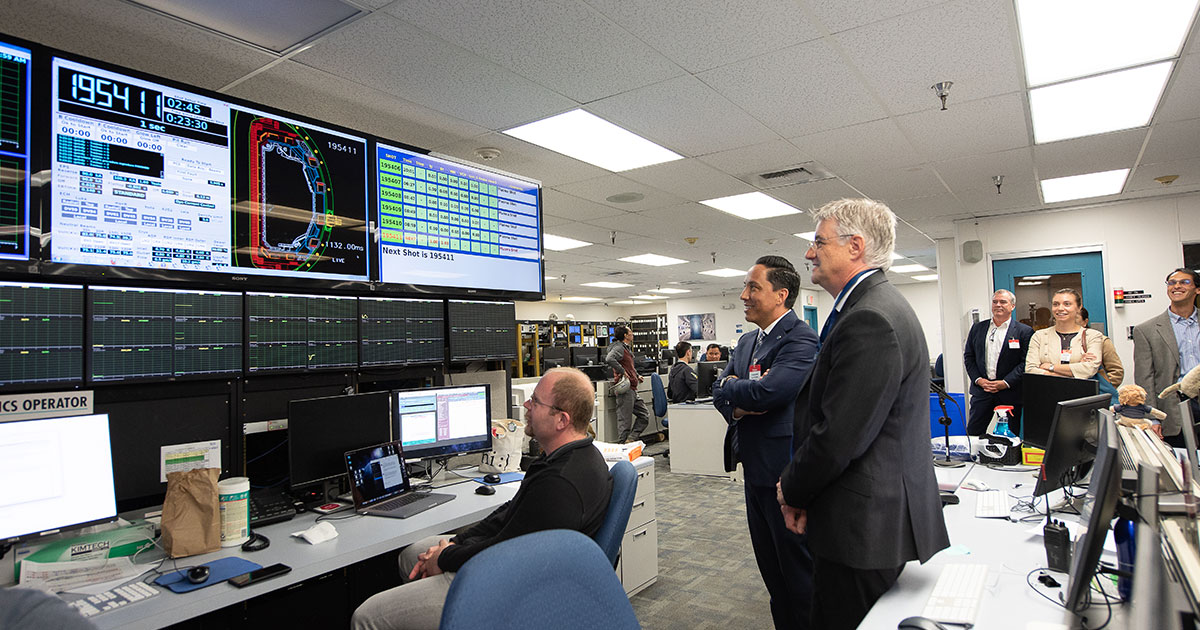
    During the tour, the delegation observed a 100-million-degree plasma discharge from the control room and viewed the DIII-D tokamak and its unique measurement and diagnostic tools up close. The delegation learned about some of the recent modifications at DIII-D and plans for future upgrades to ensure the facility remains best positioned for serving the scientific community.

    Mayor Gloria and Dr. Buttery observe a plasma shot with Dr. Andreas Wingen (Oak Ridge National Laboratory) in the control room of the DIII-D National Fusion Facility

    Inertial Fusion Technologies Laboratories

    Following the visit to DIII-D, Mayor Gloria toured GA’s inertial confinement fusion (ICF) laboratories, where he learned about GA’s participation in the Science-based stockpile stewardship program and its contributions to the ground-breaking fusion ignition achieved at Lawrence Livermore National Laboratory (LLNL) last December.

    During the LLNL experiment, 2.05 megajoules (MJ) of energy were delivered to a target assembly and produced 3.15 MJ of fusion energy output. The target components that were used in the historic experiment were produced and characterized at GA and provided to LLNL for the experiment.

    General Atomics is a longstanding partner in the DOE National Nuclear Security Administration’s (NNSA’s) research in ICF, which is aimed at achieving a safe, secure, and effective nuclear deterrent without underground testing by producing thermonuclear burn conditions in the laboratory. In addition to being a significant milestone for the NNSA’s mission, this result has positive implications for the commercialization of fusion energy using ICF techniques, referred to as Inertial Fusion Energy (IFE).

    Mayor Gloria holds a hohlraum target assembly used in ICF experiments

    Accelerating Towards a Fusion Energy Pilot Plant

    In a separate line of effort, GA recently announced its concept for a fully integrated fusion pilot plant (FPP) utilizing a steady-state, compact advanced tokamak design. By utilizing a steady-state approach, the GA FPP would maintain the plasma for long periods of time, which would maximize efficiency, reduce maintenance costs, and increase the lifespan of the facility.

    “GA’s fusion research programs were first established in San Diego in the 1950s. With a comprehensive portfolio of fusion technologies, services, and capabilities, we are proud to be leading the way to practical fusion energy,” said Wayne Solomon, Vice President for Magnetic Fusion Energy. “Successfully designing, planning, and constructing one of the world’s first FPPs will demonstrate the revolutionary potential of fusion.”

    About General Atomics: Since the dawn of the atomic age, General Atomics innovations have advanced the state of the art across the full spectrum of science and technology – from nuclear energy and defense to medicine and high-performance computing. Behind a talented global team of scientists, engineers, and professionals, GA’s unique experience and capabilities continue to deliver safe, sustainable, economical, and innovative solutions to meet growing global demands.

    About the DIII-D National Fusion Facility. DIII-D is the largest magnetic fusion research facility in the U.S. and has been the site of numerous pioneering contributions to the development of fusion energy science. DIII-D continues the drive toward practical fusion energy with critical research conducted in collaboration with more than 600 scientists representing over 100 institutions worldwide. As a U.S. Department of Energy, Office of Science User Facility, participation in DIII-D research is open to all interested parties.