Category: Featured

Featured posts

  • China Sends Ominous Warning to US Ally: ‘Playing With Fire’ Amid Rising Tensions

    China Sends Ominous Warning to US Ally: ‘Playing With Fire’ Amid Rising Tensions

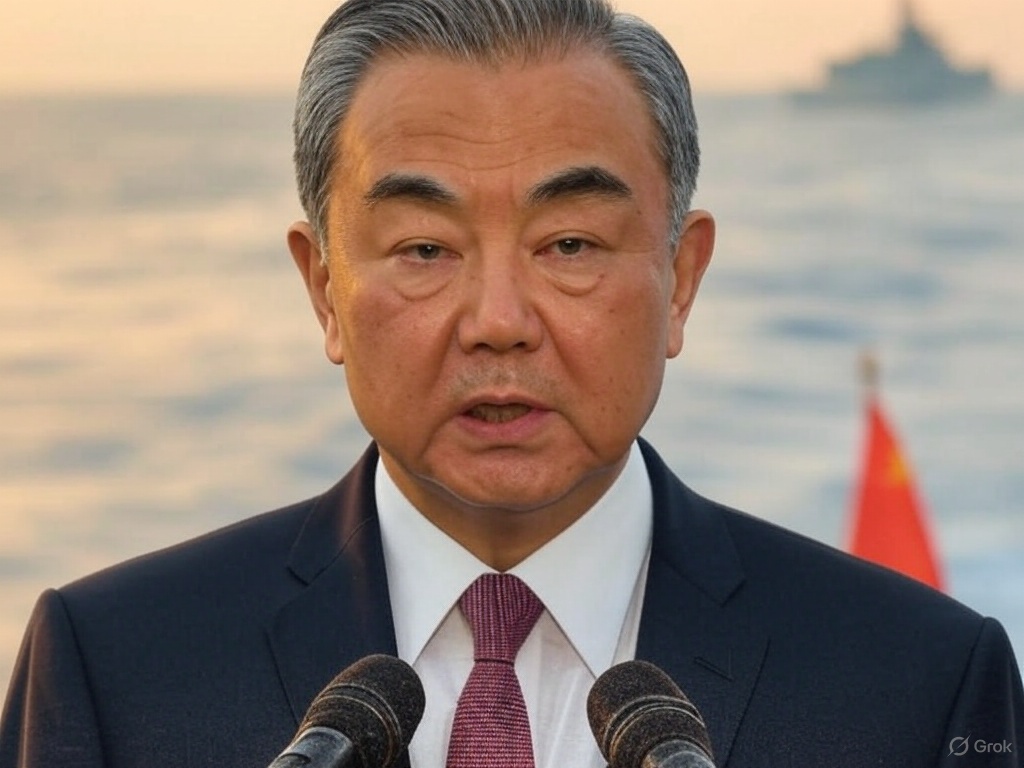
    Beijing, March 26, 2025 – China issued a stark warning to the Philippines on Tuesday, accusing the U.S. ally of “playing with fire” through its deepening military cooperation with the United States. The statement, delivered by Chinese Foreign Ministry spokesperson Guo Jiakun during a press conference in Beijing, comes as tensions in the South China Sea continue to escalate, raising fears of a broader regional conflict.
    The warning follows the Philippines’ decision to host the U.S. Army’s Mid-Range Capability (MRC) missile system, also known as Typhon, on its territory since April 2024. The system, capable of striking targets up to 1,000 miles away, places China’s eastern and southern coasts within its range, a development Beijing has repeatedly condemned as a “highly dangerous move.” Guo emphasized that military cooperation between the Philippines and other nations, including the U.S., “should not target any third party or harm their interests,” warning that such actions risk destabilizing the region.
    The Philippines, a long-standing U.S. treaty ally, has ramped up its defense ties with Washington in recent years, particularly under President Ferdinand Marcos Jr. The deployment of the MRC system, initially part of joint U.S.-Philippine war games, has now been extended indefinitely, a decision that has drawn sharp criticism from China. Manila’s ambassador to Washington, Jose Manuel Romualdez, recently stated that the Philippines aims to modernize its military with support from its allies to prepare for potential regional conflicts, a comment that appears to have provoked Beijing’s latest rebuke.
    “Inviting a wolf into the house is like playing with fire,” Guo said, using a Chinese idiom to underscore the perceived risks of the Philippines’ actions. He accused the U.S. of using the Philippines as a pawn to “stir up trouble” in the South China Sea, where China claims sovereignty over nearly 90% of the waters, including areas within the Philippines’ 200-nautical-mile exclusive economic zone. These claims have led to frequent clashes between Chinese and Philippine maritime forces, with Manila accusing Beijing of blockading traditional fishing grounds and using aggressive tactics like water cannons and lasers against Filipino vessels.
    The U.S. has reaffirmed its commitment to the Philippines under their Mutual Defense Treaty, with President Joe Biden stating last year that an attack on the Philippines, including in the South China Sea, would trigger an “ironclad” response. U.S. Defense Secretary Pete Hegseth is scheduled to visit the Philippines from Friday to Saturday, a trip that may include discussions on further MRC deployments, according to military sources. The U.S. Army has touted the MRC’s “deterrent effect,” with Secretary of the Army Dan Driscoll noting in a March 13 post on X that the system enhances interoperability with Philippine forces during crises.
    China’s warning also comes in the context of broader regional dynamics. The Philippines has strengthened military ties not only with the U.S. but also with Japan and Australia, both of whom are Washington’s allies in the Indo-Pacific. All four nations have conducted joint war games in the contested waters near the Philippines, further stoking Beijing’s concerns about a coordinated effort to counter its influence. “Facts have repeatedly proven that nothing good could come out of opening the door to a predator,” Guo added, signaling China’s frustration with what it sees as external interference in a region it considers its sphere of influence.
    The South China Sea remains a critical flashpoint, with the Philippines under Marcos vowing not to cede “even one square inch” of its territory. The ongoing disputes have garnered international support for Manila, with the U.S., its allies, and the G7 issuing statements backing the Philippines’ position. However, Beijing has accused the Southeast Asian nation of being a “mouthpiece” for the U.S. and spreading “Sinophobia,” claims the Philippine embassy in Washington has firmly rejected.
    As U.S.-China rivalry intensifies, the Philippines finds itself at the center of a geopolitical tug-of-war. Romualdez has warned that a single incident in the South China Sea could escalate into a broader conflict, potentially invoking the Mutual Defense Treaty and drawing the U.S. into direct confrontation with China. With both sides digging in, the region braces for what could be a perilous new chapter in an already volatile standoff.
  • Palestinians in Northern Gaza Demand End to Israel’s Renewed Offensive

    Palestinians in Northern Gaza Demand End to Israel’s Renewed Offensive

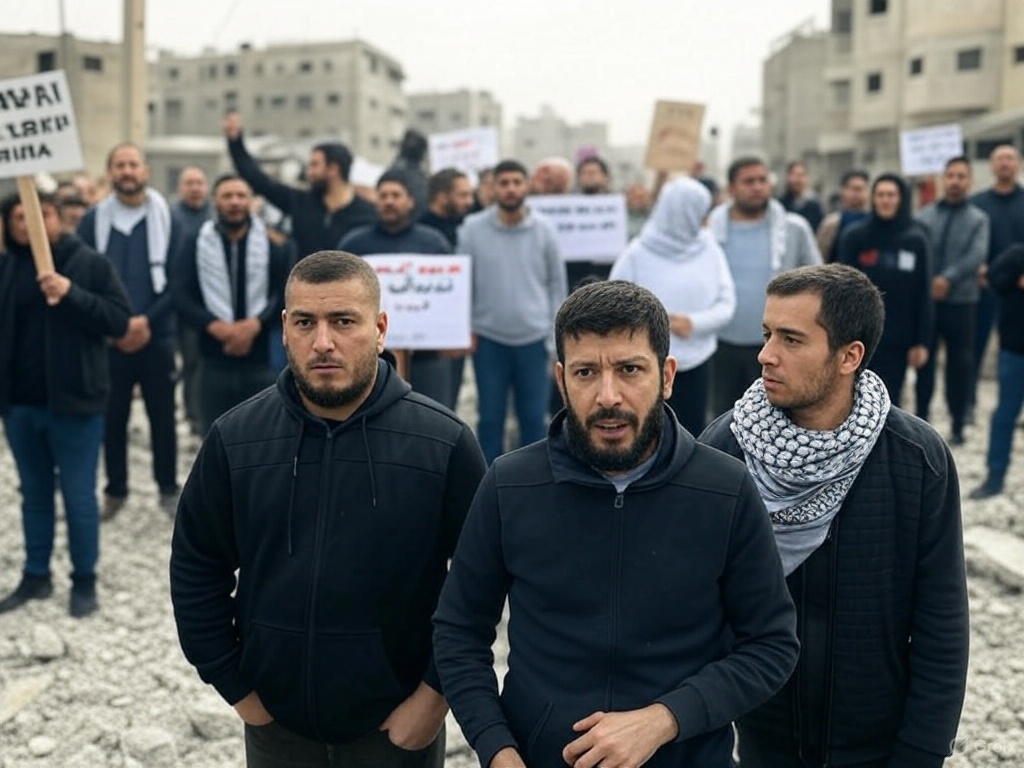
    Gaza City, March 26, 2025 – Hundreds of Palestinians took to the streets of Beit Lahia in northern Gaza on Tuesday, voicing their exhaustion and desperation as Israel’s military campaign intensifies following the collapse of a fragile ceasefire. Chanting slogans such as “Yes to peace, no to Hamas’ tyrannical rule” and “Enough of the war, enough of the destruction,” protesters called for an immediate end to the violence that has claimed over 50,000 lives since October 2023, according to Gaza’s Hamas-run Health Ministry.
    The rare public demonstration against both Israel’s onslaught and Hamas’ governance marks a significant shift in sentiment among residents of the war-torn enclave. Videos circulating on social media showed young men marching through the rubble-strewn streets, waving signs and demanding relief from the relentless conflict that has reduced much of northern Gaza to ruins. “We want an end to the war,” one protester shouted, echoing a growing chorus of frustration as humanitarian conditions deteriorate.
    Israel resumed its military operations in Gaza on March 18, following nearly two months of relative calm under a ceasefire brokered in January. The Israeli military has accused Hamas of rejecting a U.S.-proposed extension of the truce, while Hamas claims Israel abandoned the original agreement. Since the resumption of hostilities, hundreds of Palestinians have been killed, and thousands more displaced, with pre-dawn airstrikes on residential areas claiming at least 23 lives, including children, in the past 24 hours alone, local health officials report.
    The protests come amid a dire humanitarian crisis. The United Nations has warned that no food, water, medicine, or fuel has entered Gaza in three weeks, pushing the region toward an “acute hunger crisis.” An estimated 70% of buildings in Gaza have been damaged or destroyed, and healthcare and sanitation systems have collapsed, leaving residents with little access to basic necessities. “Our voices must reach the world,” read a message shared online by protest organizers. “Gaza is not silent, and we will not accept being eradicated.”
    The Israeli military has expanded its operations across northern and southern Gaza, issuing evacuation orders to tens of thousands of residents and encircling neighborhoods like Tal al-Sultan in Rafah. However, residents in Beit Lahia and other areas report receiving no prior warnings, forcing families to flee under fire with whatever they can carry. “They did not drop leaflets or give us time to leave,” said one displaced resident. “We are trapped between bombs and starvation.”
    International reactions have been swift. A UN official described Israel’s assault as a “bloody stain on our collective consciousness,” while Egypt has proposed a new ceasefire plan involving a phased release of Israeli hostages in exchange for a full military withdrawal from Gaza. The proposal, backed by U.S. guarantees, awaits a response from both sides as violence escalates.
    In Gaza, the protests were met with a harsh response from Hamas militants, some of whom were seen dispersing crowds with batons and gunfire. The militant group, which has controlled Gaza since 2007, has faced growing criticism from within for its handling of the war and the humanitarian crisis. “Hamas out!” chanted demonstrators, signaling a rare public challenge to the group’s authority.
    As the death toll climbs and displacement surges, the calls for peace from northern Gaza underscore the mounting toll of a conflict that shows no signs of abating. With the international community urging de-escalation, the voices of ordinary Palestinians are growing louder, demanding an end to the suffering that has defined their lives for over 17 months.
  • ‘Iran made huge mistake with missile strike, will pay for it’ warns Israel PM Netanyahu

    ‘Iran made huge mistake with missile strike, will pay for it’ warns Israel PM Netanyahu

    The Israeli Prime Minister, in a strong warning to Iran, stated that Iran had made a “big mistake” by attacking Tel Aviv and promised to retaliate against Iran for its missile strike.

    Netanyahu further stated that Iran would face consequences for the attack on Israel, during which over 200 ballistic missiles were fired, triggering air raid sirens across the country and forcing citizens to take refuge in safe zones.

    “Iran made a big mistake tonight and will pay for it. Whoever attacks us, we will strike them back,” PM Netanyahu said just hours after the attack.

    Netanyahu called the attack a “failure” and hinted that Iran would face the same fate as militant groups like Hamas and Hezbollah. Earlier, Iran’s Islamic Revolutionary Guard Corps (IRGC) launched an aerial attack on Israel, during which a Palestinian man was killed in the occupied West Bank, and a school in central Israel along with a restaurant in Tel Aviv were hit.

    This attack by Iran marks a significant escalation in the ongoing violence in the Middle East, which has remained tense since Hamas attacked Israel in October last year. Iran’s missile strike was a retaliatory move in response to Israel’s recent actions in the region, where they targeted and killed Lebanon-based Hezbollah leader Hassan Nasrallah, Hamas leader Ismail Haniyeh, and Revolutionary Guards deputy commander Abbas Nilforoushan.

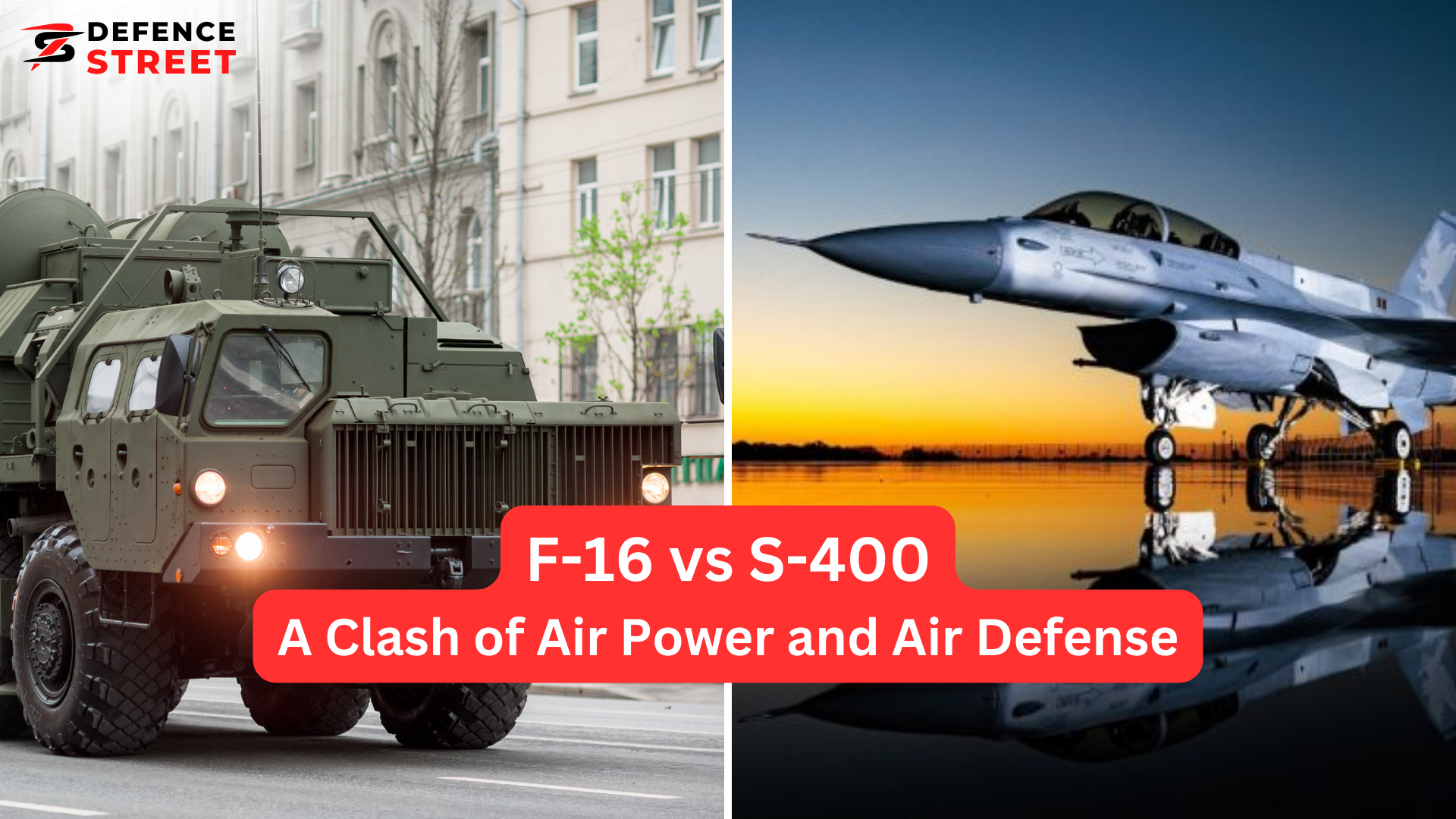
  • F-16 vs S-400 – A Clash of Air Power and Air Defense

    F-16 vs S-400 – A Clash of Air Power and Air Defense

    F-16 vs S-400: The F-16 Fighting Falcon and the S-400 Triumph represent two pinnacles of modern military technology, embodying air power and air defense, respectively. The F-16, renowned for its agility, advanced avionics, and multirole capabilities, dominates the skies with unmatched versatility. In contrast, the S-400, with its long-range precision and multi-target tracking, stands as a formidable shield against aerial threats. This clash of titans, where an agile predator meets a sophisticated guardian, offers a fascinating insight into the dynamics of modern warfare. In this comparative analysis, we explore the strengths, weaknesses, and tactical implications of these powerful systems.

    Western countries have pledged F-16s to Kyiv, and some have arrived in Ukraine, officials in Washington and Ukraine confirmed to The Associated Press. The fighter jets are expected to start flying sorties in Ukrainian skies soon and will be a much-needed boost to the country’s current fleet of Soviet-era jets that are laboring to counter Russia’s invasion. India is closely Watching this Military Battle between S-400 and F-16.

    F-16 vs S-400 Comparison

    Overview of the F-16 Fighting Falcon

    The F-16 Fighting Falcon is a multirole fighter jet developed by General Dynamics, now Lockheed Martin, for the United States Air Force. Since its introduction in 1978, the F-16 has become one of the most versatile and widely used fighter jets in the world. Key features of the F-16 include:

    • Speed and Agility: Capable of reaching speeds over Mach 2, the F-16 is known for its exceptional maneuverability, allowing it to perform a variety of combat roles including air-to-air combat, ground attack, and reconnaissance missions.
    • Advanced Avionics: Equipped with cutting-edge radar and electronic warfare systems, the F-16 can detect, track, and engage multiple targets simultaneously.
    • Armament: The F-16’s arsenal includes a 20mm M61 Vulcan cannon, a variety of air-to-air and air-to-ground missiles, and precision-guided bombs, making it a formidable opponent in both air and ground combat.

    Overview of the S-400 Triumph

    The S-400 Triumph, developed by Russia’s Almaz-Antey, is a next-generation surface-to-air missile system designed to provide comprehensive air defense against a range of aerial threats. First deployed in 2007, the S-400 has been adopted by several countries for its impressive capabilities:

    • Long-Range Precision: The S-400 can engage targets at distances of up to 400 km (248 miles) and altitudes of up to 30 km (98,425 ft), providing extensive coverage and protection.
    • Multi-Target Tracking: Utilizing advanced phased array radar, the S-400 can track and target multiple aircraft, missiles, and drones simultaneously.
    • Diverse Armament: The system can launch various missile types, including the 48N6E2, 40N6, and 9M96E2, tailored for different ranges and target profiles.

    F-16 vs S-400 Data Table

    Here is a detailed comparison table highlighting key data points for the F-16 Fighting Falcon and the S-400 Triumph:

    Feature F-16 Fighting Falcon S-400 Triumph
    Type Multirole Fighter Jet Surface-to-Air Missile Defense System
    Country of Origin United States Russia
    Manufacturer Lockheed Martin Almaz-Antey
    First Introduced 1978 2007
    Crew 1 N/A
    Role Air superiority, ground attack, reconnaissance Long-range air defense
    Speed Mach 2+ (2,414 km/h or 1,500 mph) N/A
    Range 4,220 km (2,620 miles) with drop tanks Up to 400 km (248 miles)
    Ceiling 15,240 m (50,000 ft) Targets up to 30 km (98,425 ft) altitude
    Armament – 20mm M61 Vulcan cannon – 48N6E2, 40N6, 9M96E2 missiles
    – Air-to-air and air-to-ground missiles – 72N6E, 92N6E radars
    – Bombs – Up to 72 missiles per system
    Avionics Advanced radar, electronic warfare systems Phased array radar, command and control systems
    Target Detection Range 370 km (229 miles) Up to 600 km (373 miles)
    Maximum Target Speed Mach 2+ Mach 14 (17,000 km/h or 10,563 mph)
    Operational Radius 550 km (340 miles) combat radius Effective against targets up to 400 km (248 miles)
    Deployment Time N/A 5-10 minutes
    Primary Users United States, Israel, Egypt, Turkey, and others Russia, China, India, Turkey, and others

    Strengths and Weaknesses

    F-16 Fighting Falcon:

    • Strengths: Exceptional speed and agility, versatile combat roles, advanced avionics, and a wide range of armament options.
    • Weaknesses: Requires significant logistical support, limited by range without refueling, and vulnerable to sophisticated air defense systems like the S-400.

    S-400 Triumph:

    • Strengths: Long-range engagement capability, ability to track and target multiple threats, diverse missile options, and rapid deployment.
    • Weaknesses: Expensive to deploy and maintain, dependent on advanced radar and command systems, and potentially vulnerable to electronic warfare tactics.

    Tactical Implications

    In a hypothetical engagement between the F-16 and the S-400, several factors would come into play. The F-16’s speed and maneuverability would be critical in evading and countering the S-400’s missiles. However, the S-400’s ability to detect, track, and engage multiple targets at long range would pose a significant challenge to the F-16. The outcome of such an encounter would depend heavily on the tactics employed, the environment, and the effectiveness of electronic warfare measures.

    Conclusion

    The F-16 Fighting Falcon and the S-400 Triumph represent two sides of modern warfare’s technological coin: air power and air defense. Each system boasts impressive capabilities and distinct advantages, making them formidable in their respective roles. Understanding their strengths, weaknesses, and tactical applications provides valuable insights into the evolving landscape of military strategy and technology.

  • India ensures no one exercises hegemony in Indian Ocean Region: Rajnath Singh

    India ensures no one exercises hegemony in Indian Ocean Region: Rajnath Singh

    On Tuesday, Defense Minister Rajnath Singh emphasized that the Indian Navy is actively preventing any nation, leveraging its significant economic and military capabilities, from exerting dominance over friendly nations in the Indian Ocean Region (IOR) or endangering their sovereignty.


    The defense minister emphasized that India is fulfilling its obligation in the Indian Ocean Region by offering complete support to the coastal countries.

    At the event to inaugurate the new Administrative and Training building at the Naval War College (NWC) in Goa, Singh stated, ‘In the Indian Ocean Region, we have taken measures to reinforce the rules-based maritime order. India is committed to aiding all neighboring countries in the Indian Ocean in safeguarding their autonomy and sovereignty. We have made certain that no entity seeks to assert hegemony in the region.’

    The minister also emphasized the shift in addressing threat perception. “Previously, most governments focused on bolstering land borders, neglecting maritime threats. However, given the increased activity of adversaries in the Indian Ocean Region (IOR) and the region’s economic significance, it became imperative to reassess our threat perception and appropriately allocate military resources and strategic attention,” he stated. He added that India had not only redefined its role in the IOR but also fortified it. “As a result of these efforts, India has now emerged as the primary responder and preferred security partner in the IOR,” he remarked.

    Chief of Naval Staff Admiral R Hari Kumar, speaking on the sidelines of the events, characterized the activities in the Red Sea as a consequence of the Israel-Hamas conflict. He mentioned that the Houthis were specifically targeting merchant ships affiliated with Israel, the US, or the UK in the Red Sea using drones and missiles.

    “The Indian Navy is providing support to all merchant ships traveling between the Red Sea and the Indian Ocean Region. Our primary focus is on vessels flying the Indian flag, but we are also aiding any ship that requests our assistance.

    “This situation serves as an illustration of how conflict in one region can affect another, and highlights the presence of asymmetric forces. The imbalance is evident in the cost disparity between conducting an attack and defending against it. The expenses involved in launching a drone or similar attack are relatively low, perhaps ranging from a few hundred thousand to around two to five million rupees, whereas the cost of intercepting and neutralizing such threats escalates into the tens of millions.”

  • India Officially Defends Iran over Pakistan Attack

    India Officially Defends Iran over Pakistan Attack

    India expressed support for Iran’s airstrikes on alleged terror camps in Pakistan’s Balochistan Province, characterizing it as an act of “self-defense.” In a statement issued on January 17, a day after the Iranian Revolutionary Guards (IRGC) launched missiles at what they identified as two “significant” bases of the Jaish al-Adl terror group in Balochistan Province, India’s Ministry of External Affairs stated that while the matter was bilateral between Iran and Pakistan, India maintains an “uncompromising” stance on terrorism. Notably, the statement did not address Iran’s strikes on Kurdish areas in Iraq and Syria, both of which occurred on the same day.

    “This is a matter between Iran and Pakistan,” the Ministry of External affairs spokesperson Randhir Jaiswal said in a statement. “Insofar as India is concerned, we have an uncompromising position of zero tolerance towards terrorism. We understand actions that countries take in their self-defence.”

    The airstrikes on January 16 occurred a day after the visit of India’s External Affairs Minister, S. Jaishankar, to Iran. During the visit, he held discussions with Iranian President Ebrahim Raisi and Foreign Minister Amir Abdollahian. Mr. Jaishankar is scheduled to meet Mr. Abdollahian again in Uganda during the summit of Non-Aligned Movement (NAM) countries on January 19-20. Additionally, the Secretary of Iran’s Supreme National Security Council is expected to visit India soon for talks with National Security Advisor (NSA) Ajit Doval. These developments indicate an intensified diplomatic engagement between Delhi and Tehran.

    India’s statements in defense of Iran’s actions demonstrate support for Iran, even amid escalating tensions in West Asia. These tensions involve conflicts between Iran and the U.S. regarding Israel’s war on Gaza, U.S. strikes in Yemen, and attacks by Houthi rebels on ships in the Red Sea. Adrienne Watson, a spokesperson for the White House National Security Council, has criticized the strikes on Iraq, denouncing them as “reckless and imprecise.”

    In response to the IRGC’s announcement of the strikes, Pakistan’s Foreign Ministry reacted strongly by recalling its Ambassador from Tehran and canceling all high-level visits, a move mirrored by Iraq. The Ministry of Foreign Affairs in Pakistan stated that Iran’s “unprovoked violation” of Pakistani airspace and sovereignty resulted in the tragic death of two children.

    Pakistan’s caretaker Prime Minister Anwar ul Haq Kakar held a meeting with Iran’s Foreign Minister Amir Abdollahian at the Davos forum on January 17. During the meeting, Abdollahian emphasized that the strikes had exclusively targeted terrorists and not the “citizens of neighbors, friends, and brothers” in Iraq and Pakistan.

    “We respect the sovereignty and territorial integrity of Pakistan and Iraq, but we do not allow our national security to be compromised, and we have no compunction about [dealing with] terrorist parties inside Pakistan and Israeli movements in the Kurdistan region of Iraq,” Mr. Abdollahian said. “What we did was aimed at boosting the security of Iran, Pakistan, Iraq, and the region. We consider the security of Iraq and Pakistan to be that of the Islamic Republic of Iran,” he added, reiterating the message in a telephone conversation with the Acting Pakistani Foreign Minister Jalil Abbas Jilani subsequently.

  • Iran vs Pakistan Military Power: A Comparison Of Military Strength Between Shia and Sunni Muslim Majority Country

    Iran vs Pakistan Military Power: A Comparison Of Military Strength Between Shia and Sunni Muslim Majority Country

    Iran vs Pakistan Military Power: The Muslim world, home to diverse cultures and sects, houses two influential nations that stand out in terms of military strength: Iran, a Shia-majority country, and Pakistan, a Sunni-majority nation. As followers of different branches of Islam, these two nations navigate the complex tapestry of international relations, each with its unique set of challenges and opportunities.

    Iran, with its rich history and status as a Shia-majority nation, stands as a powerhouse in the Middle East. On the other hand, Pakistan, a Sunni-majority country in South Asia, has been a key player in the regional security dynamics. This blog seeks to analyze and compare their military strengths, examining the technological advancements, defense doctrines, and geopolitical considerations that shape their armed forces.

    Iran vs Pakistan Military Power

    Iran vs Pakistan Army

    Examining the land forces of Iran and Pakistan provides insight into the ground capabilities that form the backbone of their defense strategies. Iran’s army is equipped with 2,842 tanks, 3,555 armored fighting vehicles, 4,873 artillery pieces, including 1,030 self-propelled artillery, and 1,755 rocket artillery units. This showcases Iran’s commitment to a diverse and well-equipped ground force, capable of maneuvering in various terrains.

    In contrast, Pakistan’s army boasts 3,742 tanks, 8,710 armored fighting vehicles, 6,308 artillery units, including 1,225 self-propelled artillery, and 1,738 rocket artillery units. Pakistan’s land forces emphasize a significant armored capability, reflecting their focus on versatility and strength across different types of warfare scenarios.

    Both nations display a substantial commitment to their ground forces, each tailoring their capabilities to address regional security challenges. Iran’s emphasis on artillery and rockets aligns with its defensive posture, while Pakistan’s formidable armored capability underscores its strategic approach to ground operations. As we delve into the specifics of their land forces, it becomes apparent that Iran and Pakistan are diligently shaping their armies to address evolving threats and secure their territorial integrity.

    Iran vs Pakistan Air Forces

    In the ever-evolving realm of military prowess, the air forces of nations play a pivotal role in shaping strategic capabilities. Iran and Pakistan, two influential players in their respective regions, exhibit distinct characteristics in their air force capabilities. Iran’s air force comprises a total of 973 aircraft, with 112 fighter aircraft, 75 multirole aircraft, 23 attack aircraft, 519 helicopters, and 83 unmanned combat aerial vehicles (UCAVs). This diverse fleet highlights Iran’s commitment to maintaining a versatile and technologically advanced air force.

    On the other hand, Pakistan’s air force boasts a formidable presence with a total of 1,531 aircraft, including 60 fighter aircraft, 275 multirole aircraft, 69 attack aircraft, 400 helicopters, and 113 UCAVs. The emphasis on multirole capabilities in Pakistan’s air force underscores its focus on flexibility and adaptability in diverse operational scenarios.

    Both nations, while differing in specific aircraft numbers, demonstrate a commitment to maintaining air superiority. The dynamic mix of fighter jets, multirole aircraft, and unmanned capabilities underscores their strategic approach to aerial defense. As we explore the intricacies of their air forces, it becomes evident that Iran and Pakistan are navigating the complexities of modern warfare, leveraging technological advancements to ensure the protection of their sovereign airspace.

    Iran vs Pakistan Navy

    Navigating the geopolitical waters of the Middle East and South Asia, the naval capabilities of Iran and Pakistan emerge as crucial components of their strategic arsenals. Iran’s navy, consisting of 272 vessels, includes 6 frigates, 3 corvettes, and 19 submarines. Despite not possessing aircraft carriers or destroyers, Iran’s emphasis on a submarine fleet underscores a focus on asymmetrical naval capabilities, suitable for the region’s complex maritime environment.

    Contrastingly, Pakistan’s navy, comprising 96 vessels, includes 8 frigates and 6 submarines. The absence of aircraft carriers and destroyers aligns with Pakistan’s regional maritime strategy, emphasizing a versatile and agile naval force capable of safeguarding its extensive coastline.

    Both nations, though differing in fleet composition, demonstrate a commitment to securing maritime interests. Iran’s emphasis on submarines aligns with its defensive strategy, while Pakistan’s versatile fleet reflects adaptability to regional challenges. As maritime dynamics continue to evolve, Iran and Pakistan strategically position their navies to navigate geopolitical complexities and protect vital maritime interests in their respective regions.

    Iran vs Pakistan Nuclear Weapons

    Iran does not have nuclear weapons. on the other hands Pakistan, not a signatory to the Nuclear Non-Proliferation Treaty, initiated its pursuit of nuclear capabilities in the early 1970s. Initially aided by Western powers in establishing its first nuclear power plant near Karachi, Pakistan’s intentions shifted towards weapon development. Amidst India’s nuclear claims, Pakistan declared its goal to build nuclear weapons. Though rumors circulated about Pakistan’s nuclear capabilities in the mid-1980s, it wasn’t until 1998 that the nation conducted six nuclear tests in response to India’s five tests. This marked a significant point in Pakistan’s nuclear history, solidifying its status as a nuclear-armed nation in the global arena.

    Iran vs Pakistan Strength Data Table

    Here’s a data table summarizing the military expenditures, manpower, land forces, air forces, and navy capabilities of Iran and Pakistan:

    Category Iran Pakistan
    Military Expenditures
    Military Budget $25 billion $10.4 billion
    Percent of GDP 2.5% 4%
    Manpower
    Active Personnel 610,000 654,000
    Reserve Personnel 350,000 550,000
    Available for Military 23,619,215 48,453,305
    Land Forces
    Tanks 2,842 3,742
    Armoured Fighting Vehicles 3,555 8,710
    Total Artillery 4,873 6,308
    Air Forces
    Total Aircraft 973 1,531
    Fighter Aircraft 112 60
    Multirole Aircraft 75 275
    Attack Aircraft 23 69
    Helicopters 519 400
    UCAV (Combat Drone) 83 113
    Navy
    Total Naval 272 96
    Aircraft Carriers 0 0
    Destroyers 0 0
    Frigates 6 8
    Corvettes 3 0
    Submarines 19 6

    Iran vs Pakistan Who is Powerful?

    Assessing the relative power of nations is a complex task that involves considering various factors such as military strength, economic indicators, geopolitical influence, and technological capabilities. Both Iran and Pakistan have unique strengths and challenges, and their power dynamics can vary depending on the specific criteria being examined.

    In terms of military capabilities, both nations have significant forces, each with its own strengths and strategic priorities. Pakistan has a larger defense budget compared to Iran, but military power is just one aspect of a nation’s overall strength.

    Economically, Iran has a more diversified economy compared to Pakistan, with a larger GDP. However, economic power is not solely determined by GDP, as other factors such as economic stability, infrastructure, and innovation also play crucial roles.

    Geopolitically, both nations play important roles in their respective regions. Iran, in the Middle East, and Pakistan, in South Asia, have strategic importance and influence regional dynamics.

    It’s important to note that power is multi-faceted and context-dependent. Different criteria will yield different assessments. Additionally, discussions around national power should focus on fostering cooperation, dialogue, and understanding among nations rather than promoting competition or conflict.

  • Indian Navy gets first India-made long endurance Drishti 10 Starliner Drone

    Indian Navy gets first India-made long endurance Drishti 10 Starliner Drone

    Admiral R Hari Kumar, the Chief of India’s Naval Staff, introduced the domestically developed Drishti 10 Starliner drone for the Indian Navy during Adani Defence’s drone unveiling event on Wednesday. The indigenous drone, manufactured in India, is scheduled for deployment in naval maritime operations and recently traveled from Hyderabad, Telangana, to Porbandar, Gujarat.

    The Drishti 10 Starliner represents a sophisticated Intelligence, Surveillance, and Reconnaissance (ISR) platform equipped with a 36-hour endurance, a payload capacity of 450kg, and the necessary clearance to operate in both segregated and unsegregated airspace.

    Admiral R Hari Kumar, Chief of the Indian Navy, stated, as quoted by the news agency ANI, “The Indian Navy has been utilizing UAVs for more than two decades. The domestic production of drones such as Drishti 10 will enable us to attain these capabilities domestically. Drishti is expected to function as a force multiplier, serving as an intelligence, surveillance, and reconnaissance platform.”

    Admiral R Hari Kumar of the Indian Navy praised Adani for aligning its strategic plans with the needs of the Indian Navy and for creating a network of partners and capabilities to foster self-reliance in defense and security, also known as Aatmanirbharta.

    He expressed, “This marks a significant milestone and a pivotal stride in India’s pursuit of self-sufficiency in ISR technology and naval dominance. Adani has showcased its dedication to unmanned systems by methodically cultivating local capabilities over several years, encompassing not just manufacturing but also sustaining through MRO (Maintenance, Repair, and Overhaul). The incorporation of Drishti 10 Starliner into our naval operations will strengthen our maritime capabilities, elevating our readiness for the continuously evolving requirements of maritime surveillance and reconnaissance.”

  • Cybersecurity Threats and Countermeasures for Armed Forces

    Cybersecurity Threats and Countermeasures for Armed Forces

    According to data from Statista, cybercrime costs a staggering $8.44 trillion, and this figure is expected to skyrocket to $23.84 trillion by 2027. Governments have recently intensified their crackdown on the use of certain apps, such as TikTok, on work devices, leading to growing concerns about data privacy.

    Since the start of the Russia-Ukraine war, Google has reported a surge of more than 300% in Russian phishing campaigns targeting users in NATO countries in 2022 compared to 2020. An article published by Forbes reveals that the government and military sectors face an average of 1,136 cyberattacks every week, a sharp increase of 47% from last year. Moreover, the UK government recently issued a statement, indicating that Russian hackers are actively seeking to “disrupt or destroy” critical infrastructure in Britain.

    As cyberattacks continue to evolve in sophistication and prevalence, particularly during times of unrest, it becomes increasingly challenging to detect if you are being targeted until it is too late. The issue of cyber security for the military is particularly acute, so understanding cyber threats and how to combat them is something that military personnel around the world should focus on.

    Types of Cyber Warfare Attacks

    Any information security army most often faces the following cyber threats:

    • Espionage refers to the act of monitoring other countries to steal secrets. In cyber warfare, this can involve using botnets or spear phishing attacks to compromise sensitive computer systems before exfiltrating valuable information.
    • Propaganda attacks involve attempts to manipulate the minds and thoughts of individuals residing in or fighting for a specific country. Propaganda can be employed to reveal embarrassing truths, spread falsehoods to undermine public trust in their own country or encourage alignment with their advocates.
    • Surprise attacks, similar to historical events like Pearl Harbor and 9/11, are carried out to catch the enemy off guard and weaken their defenses. These attacks can serve as a precursor to physical assaults within the context of hybrid warfare.

    How to Protect the Military from Cyber Threats?

    #1 Anti-Theft Technology

    Typically, you would install an application that provides device and location data to the tech provider on devices with built-in anti-theft technology. If your device gets lost or stolen, the tech provider can lock down your computer, preventing unauthorized access. Then, they can determine the location and safely delete your data.

    #2 VPN

    On all devices, especially work ones, you should use a VPN. If you have a military-grade VPN active, no one will be able to intercept and view the data. With a secure VPN for Windows, you can prevent hacker attacks, protect yourself from phishing, and device hacking, and protect your data. Even if it is not expressly stated in the agreement with the employer, VPN software for PCs has always been and will always be a good practice for protecting against hackers. You should also understand the differences between them and their main functions. For example, you can take VeePN, which has military-grade encryption, protection against IP and DNS address leaks, a no-log policy, 2500+ VPN servers around the world, a kill switch, double VPN, and Netguard. This set of functions is enough for protection; be guided by the listed functions when choosing a provider.

    #3 Multi-Factor Authentication

    Many people now use multi-factor authentication (MFA) daily, even for activities like email. It is becoming mandatory for government employees as well. MFA requires multiple login steps, including password entry, face ID, or fingerprint verification. By employing MFA, your device’s security is reinforced. If a hacker manages to obtain your password, they must overcome an additional hurdle, making it much harder for them to gain access to your account.

    #4 Remove Data from Unused Devices

    Windows devices typically come with the Trusted Platform Module (TPM) feature, which is a hardware component utilized for data storage and encryption. Military-grade devices now lean towards effortless removal or installation of data, enhancing device security by ensuring data presence only when necessary. This enables swift data transfer between devices and prevents potential exploitation of discarded or outdated devices by hackers, as the data is completely removed. Thus, it is crucial to wipe all data from your old phone before disposing of it to mitigate any potential targeting by hackers.

    #5 Encrypt Data

    Sensitive data can be easily transmitted or stolen if it is contained on a computer, server, or readable media like physical discs or USB drives. To provide more protection in case of modification, loss, or theft, some devices and software applications encrypt data on your device. Organizations often use a combination of encryption and password protection to safeguard data.

    Conclusion

    If your job requires you to work with valuable and confidential data, the responsibility for its safety falls on your shoulders. Every military member must be aware of the potential risks and common types of cyberattacks, and be able to counter them. This article helps to understand these questions and provide key answers, but this is only the beginning of the journey.

  • North Korea vs South Korea Military Power Comparison, Who Win the WAR?

    North Korea vs South Korea Military Power Comparison, Who Win the WAR?

    North Korea vs South Korea Military Power: The Korean Peninsula has long been a geopolitical hotspot, marked by the stark contrast between the Democratic People’s Republic of Korea (North Korea) and the Republic of Korea (South Korea). The longstanding division has given rise to two distinct nations, each with its own ideology, political system, and, perhaps most notably, military capabilities. This blog aims to delve into a comprehensive analysis of the military power of North and South Korea, shedding light on the key factors that shape their respective armed forces.

    Historical Context 

    To understand the current military landscape, it’s crucial to revisit the historical context of the Korean Peninsula’s division. The Korean War (1950-1953) played a pivotal role in shaping the region’s destiny, leaving North and South Korea on opposing sides of the 38th parallel. Since the armistice, both nations have developed their military forces, resulting in two distinctly different approaches to national defense.

    North Korea’s Military Might 

    North Korea boasts one of the largest standing armies globally, equipped with a formidable array of conventional weapons. The regime’s military strategy emphasizes self-reliance and the concept of “military-first,” known as “Songun.” The country’s nuclear capabilities have further elevated its global standing, creating a unique dynamic in international relations.

    South Korea’s Technological Edge 

    In contrast, South Korea has pursued a different path, focusing on technological advancements and modernization of its armed forces. With a thriving economy and international alliances, South Korea has developed cutting-edge military technology, including advanced fighter jets, naval vessels, and sophisticated missile defense systems.

    Nuclear Ambitions 

    North Korea’s nuclear program remains a global concern, impacting regional stability and international relations. The development of nuclear weapons by North Korea has added a layer of complexity to the military balance on the Korean Peninsula, prompting responses from neighboring countries and the international community.

    Regional and Global Implications 

    The military dynamics between North and South Korea reverberate beyond the peninsula, influencing the broader geopolitical landscape in East Asia. The delicate balance maintained by these two nations has implications for their allies, regional stability, and the global order.

    Military Preparedness and Readiness 

    Assessing the military preparedness and readiness of both North and South Korea involves examining factors such as troop strength, equipment, training, and strategic capabilities. Understanding the readiness levels provides insights into the potential outcomes in the event of heightened tensions or conflicts.

    North Korea vs South Korea Data Table

    Here’s a data table comparing key military aspects of North Korea (KP) and South Korea (KR) based on the provided information:

    Category North Korea (KP) South Korea (KR)
    Military Expenditures
    Military Budget ($ billion) 1.6 50.2
    % of GDP 4.9% 2.8%
    Manpower
    Active Personnel 1,280,000 555,000
    Reserve Personnel 600,000 2,750,000
    Available for Military 6,515,279 (63%) 13,185,794 (27%)
    Land Forces
    Tanks 6,000 (49%) 2,606 (21%)
    Armoured Fighting Vehicles 4,000 4,380
    Total Artillery 13,000 7,468
    Self-Propelled Artillery 4,500 3,040
    Rocket Artillery 4,000 574
    Air Forces
    Total Aircraft 960 (7%) 1,585 (12%)
    Fighter Aircraft 349 156
    Multirole Aircraft 35 371
    Attack Aircraft 188 0
    Helicopters 202 757
    UCAV (Combat Drones) 0 0
    Navy
    Total Naval 967 195
    Aircraft Carriers 0 2
    Destroyers 0 12
    Frigates 2 18
    Corvettes 8 11
    Submarines 72 22

    These figures provide a snapshot of the military capabilities of North Korea and South Korea, highlighting disparities in areas such as military expenditures, manpower, land forces, air forces, and navy.

    Conclusion

    In conclusion, while North Korea maintains a formidable military force with a focus on large ground forces, South Korea’s military strength lies in its advanced technology, modernization, and strategic alliances. The stark differences in military expenditures, manpower, and capabilities underscore the complex and delicate security dynamics on the Korean Peninsula. The future of this military balance will likely be influenced by geopolitical developments, diplomatic relations, and the ongoing efforts to maintain regional stability.