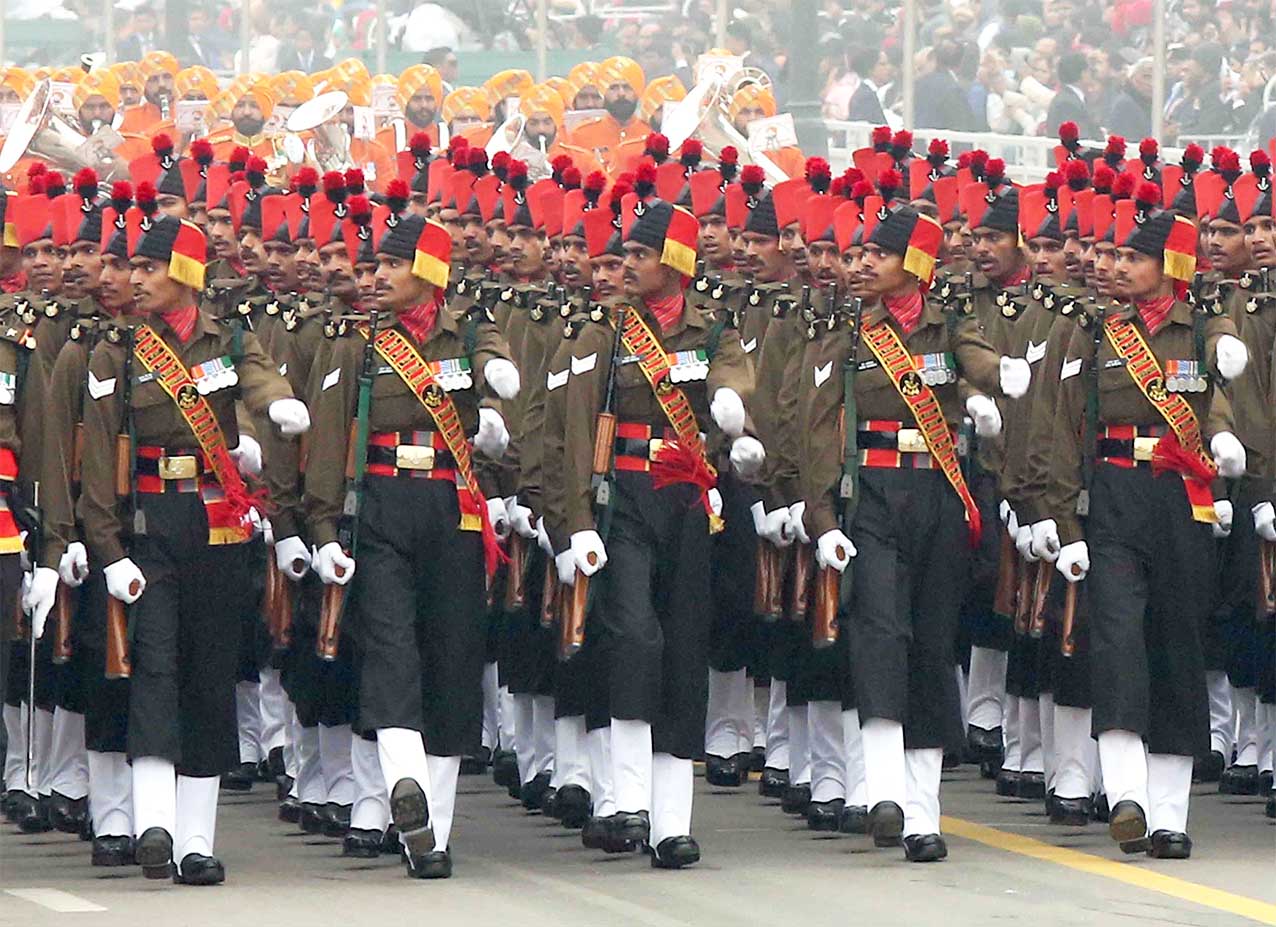
The Indian Army is the land-based branch of the Indian Armed Forces and is responsible for the defense of India’s territorial integrity and sovereignty. It is one of the largest standing armies in the world, with approximately 1.4 million active personnel and over 1 million reserve personnel.
The Indian Army is organized into various commands, each responsible for a specific geographic region of India. These commands are further divided into divisions, brigades, and battalions, each with its specific role and responsibilities.
The Indian Army is known for its professionalism, discipline, and dedication to duty. It has a rich tradition of valor and sacrifice, with several of its soldiers and officers awarded the highest gallantry awards for their bravery in battle.
Overall, the Indian Army is a vital institution that plays a critical role in maintaining India’s national security and safeguarding the country’s interests. It is an essential component of India’s defense establishment and is respected both at home and abroad for its capabilities and achievements.
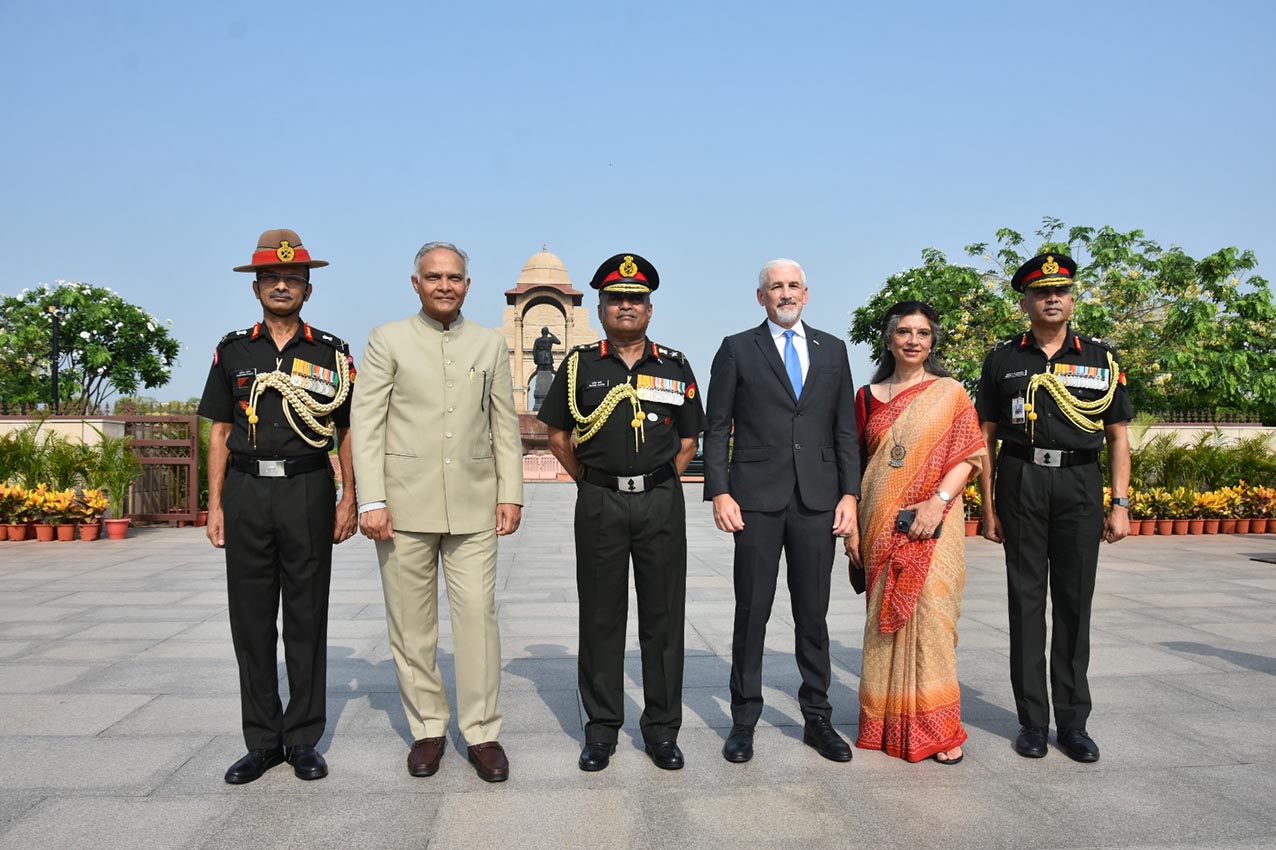
New Delhi. The Indian Army commemorated the 75th International Day of UN Peacekeepers on 29th May 2023, by paying homage to the fallen comrades by laying wreath at National War Memorial, New Delhi by the Chief of the Army Staff, Vice Chief of Army Staff and representatives from Navy and Air Force, Ministry of External Affairs and United Nations. This is the day when in 1948 the first UN peacekeeping mission, “UN Truce Supervision Organisation (UNTSO)” began operations in Palestine.
Each year on this Day, the UN and countries across the globe pay tributes to the professionalism, dedication and courage of all men and women who have served or are serving in UN Peacekeeping Missions and honour the memory of those who have laid down their lives in the cause of peace. This year marks the 75th Anniversary of the UN Peacekeepers Day.
India has a rich legacy of contribution to UN Peacekeeping operations and is one of the largest contributors of troops. It has contributed approximately 2,75,000 troops to peacekeeping missions so far, with around 5,900 troops currently deployed in 12 UN Missions. Indian Army personnel have operated under difficult conditions in challenging terrains and have displayed exemplary professionalism, humane approach, courage and valour, to the extent of making the supreme sacrifice to defend the UN mandates. 159 Indian Army soldiers have made the supreme sacrifice to ensure peace across the globe. Apart from the current deployment, India has pledged one Infantry Battalion Group and Corvette with Helicopter, as hard power and an Engineer Company & Signal Company as Force enablers, to be deployed at the behest of the UN.
In keeping with the need for women peacekeepers in conflict areas under UN mandate, India has deployed Female Engagement Teams (FETs) in MONUSCO and UNISFA (the second largest women contingent after Liberia). India has also deployed Women Military Police in UNDOF and women staff officers / military observers in various missions.
The Indian Army has established a Centre for UN Peacekeeping (CUNPK) in New Delhi to impart niche training in peacekeeping operations. The Centre trains more than 12,000 troops every year. CUNPK undertakes a multitude of activities from contingent training to national and international courses for potential peacekeepers and trainers. It also hosts foreign delegations as part of sharing best practices. The Centre regularly dispatches Mobile Training Teams to Friendly Foreign Countries as part of capacity building in the field of UN peacekeeping training. The institute has evolved in the two decades as a Centre of Excellence and repository of experience and best practices.
In order to ensure the operational efficiency and sustainability of Indian contingents in UN missions, the Indian Army has deployed state-of-the-art equipment and vehicles. These vehicles and equipment are manufactured in India and have successfully withstood the vagaries of difficult terrain, weather and operational conditions in the mission areas.
India has been at the forefront of capacity development for the UN, host nations and partner nations. It has always strived to support UN initiatives by providing agile and flexible units, peacekeeper training, logistic support, enhancing gender parity and contributing to technological enhancements. India continues to provide active support for host nation capacity development by providing training, infrastructure development and Civil-Military Co-operation (CIMIC) activities.
New Delhi, 15th May 2023. General Manoj Pande, the Chief of the Army Staff (COAS) has proceeded on a visit to Egypt from 16 to 17 May 2023. During the visit, the Army Chief will be meeting the Country’s senior military leadership where he will discuss avenues for further enhancing Indo-Egypt defence relations. He will be visiting various Egyptian Armed Forces establishments and exchange ideas on issues of mutual interest.
The Army Chief will interact with the Commander-in-Chief of Egyptian Armed Forces, Minister of Defence & Military Production, and Chief of Staff, Egyptian Armed Forces. He will also engage in extensive discussions with the Chief of Egyptian Armed Force Operations Authority.
The Military relations of India with Egypt are on the rise which was evident during India’s 74th Republic Day parade, wherein the Egyptian Armed Forces contingent made their first appearance, besides the Egyptian President Abdeh Fattah El-Sisi being the Chief Guest for the parade. Notably, Indian and Egyptian Armies have conducted the first ever joint exercise between the Special Forces named “Ex Cyclone-I” in January this year.
The visit of the COAS will further deepen the bilateral relationships between the two Armies and act as a catalyst for closer coordination and cooperation between the two countries on a host of strategic issues.
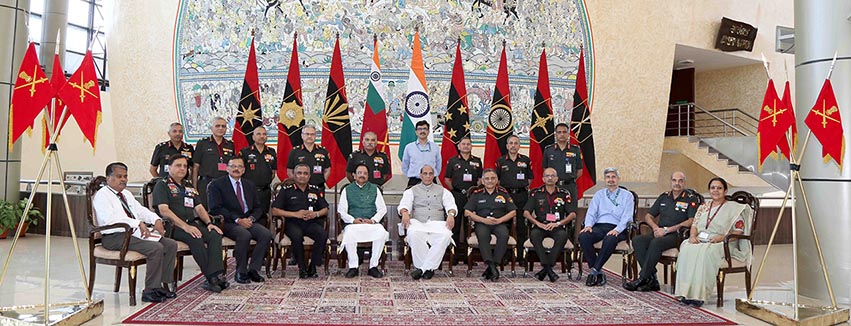
New Delhi, 19th April, 2023. The first Army Commanders’ Conference of year 2023, commenced in a hybrid format on 17 April 2023. During the event, Indian Army’s apex leadership is comprehensively deliberating upon all aspects of existing security scenarios, situation along the borders and in the hinterland and challenges for the present security apparatus. In addition, the conference is also focussing on issues pertaining to organisational restructuring, logistics, administration and human resource management. The main highlight of the third day of the conference was the address by the Hon’ble Raksha Mantri, Shri Rajnath Singh, to the senior leadership of the Indian Army, which was preceded by a brief on “IA contribution to Nation Building”
The Raksha Mantri reaffirmed the faith of the billion-plus citizens in the Indian Army as one of the most trusted and inspiring organisations in the country. He highlighted the stellar role played by the Army in guarding our borders and fighting terrorism apart from providing assistance to the civil administration whenever called for. The Raksha Mantri also remarked “The Army’s contribution is applaudable in every domain from Security, HADR, Medical Assistance to maintaining the stable internal situation in the country. The role of Indian Army is very important in Nation building as also in the overall national development”. He expressed his happiness to be present in the Army Commander’s conference and complimented the Army leadership for successfully taking ahead the ‘Defence and Security’ vision of the Nation and the Hon’ble Prime Minister.
The Hon’ble Raksha Mantri stressed upon the present complex world situation which effects everyone globally. He stated that “Unconventional and asymmetric warfare, including hybrid war will be part of the future conventional wars. Cyber, information, communication, trade and finance have all become an inseparable part of future conflicts. This necessitates that Armed Forces will have to keep all these facets in consideration while planning and formulating strategies”.
Commenting on the current situation along the Northern borders, the Hon’ble Raksha Mantri expressed full confidence in the Army for any contingency though, the ongoing talks for peaceful resolution will continue and disengagement and de-escalation, is the best way forward. Expressing his gratitude, he remarked “It is our ‘Whole of Government’ approach to ensure availability of best weapons, equipment and clothing to our troops braving extreme weather and hostile forces to defend our territorial integrity”. The Raksha Mantri complimented the efforts of BRO, which has led to the incomparable improvement of road communication in the borders both Western and Northern, while working under difficult conditions.
Referring to the situation along the Western borders, he complimented the Indian Army’s response to cross border terrorism, however the proxy war by the adversary continues. The Hon’ble Raksha Mantri said “I compliment the excellent synergy between the CAPF/ Police forces and the Army in tackling the menace of terrorism in Jammu and Kashmir. The synergised operations in the Union Territory of Jammu and Kashmir are contributing to increased stability and peace in the region and the same should continue, and for this I again compliment the Indian Army”.
The Raksha Mantri commended the Army for the high standard of operational preparedness and capabilities which he has always been experiencing first hand during his visits to forward areas. He also paid tributes to all the brave hearts for making the ultimate sacrifice in the defence of the motherland. He complimented the significant contributions made by the Army in military diplomacy to further our national security interests by creating sustainable cooperative relationships with foreign Armies. He also applauded Indian Army for its effort in providing Humanitarian Assistance and Disaster Relief Mission post earthquake in Turkey during ‘Operation Dost’.
The Hon’ble Raksha Mantri stressed upon the technological advancement taking place in every sphere of our life and applauded the Armed Forces for aptly incorporating them. He appreciated the Army’s efforts to develop niche technologies in collaboration with civil industries, including premier educational institutions and thereby progressing towards the aim of ‘Modernisation through Indigenisation’ or ‘Atam Nirbharta’. He also stressed that as user we must impose our faith in own Industries and technologies which would inturn motivate the Industry to produce the best as also would boost ‘Atam Nirbharta’.
The Raksha Mantri also complemented the Army for its dedicated efforts towards the national vision of ‘Women Empowerment’ by grant of Permanent Commission and induction of women officers in most of the streams of Indian Army. He also complemented the Army in the execution of newly formulated recruitment scheme ‘Agniveers’ in the army as also the exuberance displayed by the youth of the county for the same.
The Hon’ble Raksha Mantri released the second edition of Indian Army UN Journal titled ‘Blue Helmet Odessey- Changing Contours of Peacekeeping Operations in the 20th Century” which is a compilation of inputs from missions and perspectives by senior military leadership and diplomats and a commemorative postal stamp on the occasion of 75 years of Indian Army. The Hon’ble Raksha Mantri also reviewed an equipment display focusing on niche technology, innovation, solutions for surveillance, Artificial Intelligence, Training, Robotics, Virtual Reality, Operational Logistics etc.
He concluded by saying that issues related to “Defence diplomacy, indigenisation, information warfare, defence infrastructure and force modernisation should always be deliberated upon in such a forum. War preparedness should be a continuous phenomena and we should always be ready for unpredictables and uncertain events that may crop up any time. We should always be honing up our fighting skills and weapons technologies so as to act effectively whenever required for. The Nation is proud of its Army and the Government is committed to facilitate the Army in their forward movement, on the road to reforms and capability modernisation”.
New Delhi, 17th April, 2023. The Indian Army has transformed the procedure for recruitment of Agniveers, Junior Commissioned Officers and other categories with the introduction of a Computer Based Online Common Entrance Exam as the first step. The online CEE for eligible registered candidates has commenced at 375 Examination Centers in 176 pan-India locations today and will continue till 26th April, 2023.
The online exam is being conducted with assistance from Education Consultancy Services India Limited, a Mini Ratna Company under the Ministry of Education.
The technological threshold of youth in the nation has improved significantly and with enhanced network connectivity and the proliferation of smartphones, the youth is now empowered to undertake an online exam instead of traveling long distances to appear for physical exams. The changed methodology will ensure an increased focus on the cognitive aspect during selection and prevent chances of malpractice. It will have wider outreach across the country and also reduce the large crowds seen during recruitment rallies to make them more manageable & easier to conduct.
The new recruitment procedure will be carried out in three stages. In stage one, all candidates who have registered and applied online on www.joinindianarmy.nic.in will undergo Online Common Entrance Exam. In stage two, the shortlisted candidates will be called for recruitment rallies from June 2023 onwards in phases at locations decided by respective Army Recruitment Office where they will undergo Physical Fitness Test and Physical Measurement Test. Finally, in Stage three the selected candidates will undergo Medical Test. Thereafter, the final merit list of the successful candidates will be declared.
The modified recruitment system will make the recruitment process more streamlined, transparent and is designed to optimally exploit the latest IT infrastructure available in the nation.
Shri Rajnath Singh calls for judicious use of financial resources, advice based on sound economic analysis, internal audit and payment & accounting
“Rule of competitive bidding through open tender must be followed in defence procurement”
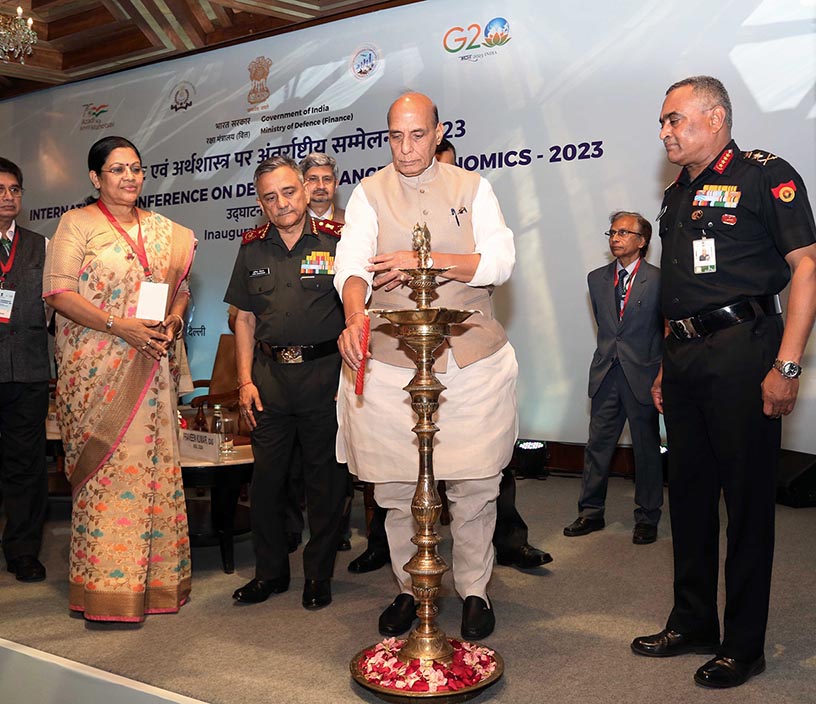
The Union Minister for Defence, Shri Rajnath Singh lighting the lamp at the inaugural session of three-day International Conference on Defence Finance & Economics 2023, in New Delhi on April 12, 2023.
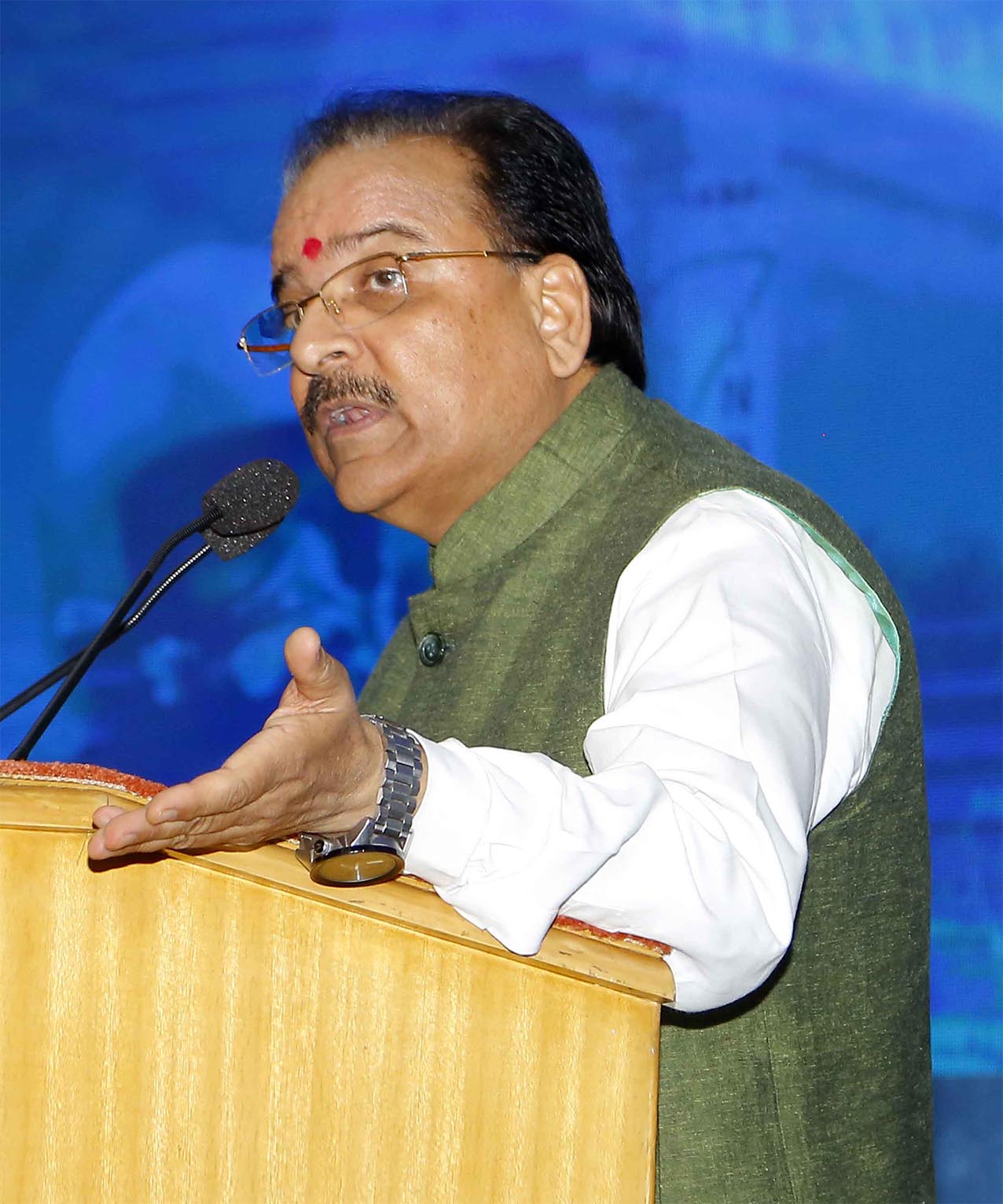
New Delhi, 12th April, 2023. Raksha Mantri Shri Rajnath Singh has stressed on the need to devise innovative methods to maximise the value of money spent on the security needs of the country, terming a robust defence finance system as the backbone of a strong military. Inaugurating the three-day International Conference on Defence Finance & Economics in New Delhi on April 12, 2023, Shri Rajnath Singh asserted that a legal and procedural defence-finance framework is an integral part of a mature state system, which ensures prudent management of the defence expenditure.
The Raksha Mantri stated that such a framework, which includes expenditure control as per guidelines, financial advice by professionals, audit, payment authentication mechanism, etc., ensures that the defence spending is well within the allocated budget and the full value of money is realised. He emphasised that while the Armed Forces require a superstructure of defence ecosystem, involving R&D organisations, industries, soldier welfare organisations, etc., they also need a well-funded system with a robust architecture to ensure the optimum and judicious use of financial resources.
Shri Rajnath Singh was of the view that it is difficult to apply the economic concept of full value of money in defence expenditure, as in this sector, there is no visible revenue stream and no easily identifiable beneficiaries. To maximise the value of money spent, he stressed that the rule of competitive bidding through open tender must be followed in defence procurement.
“In the case of procurement of defence platforms/equipment, either under capital or revenue route, the gold standard of Open Tender should be adopted to the extent possible. A competitive bid based procurement process, which is open to all, is the best possible way to realise the full value of the public money being spent. There would be some rare cases when it may not be possible to go for an open tender process. Such instances should come under exceptions and exceptions should not become the rule,” the Raksha Mantri said.
Shri Rajnath Singh underscored the importance of comprehensive Blue Books, codifying the rules and procedures of procurement of defence equipment & systems for a fair and transparent system. He said, with this vision, the Government has formulated Blue books in the form of Defence Acquisition Procedure 2020 for capital acquisition; Defence Procurement Manual for revenue procurement and Delegation of Financial Powers to Defence Services. “These manuals play a very important role in ensuring that the process of defence procurement is rule-bound and follows the principles of financial propriety. Since these manuals are critical, they need to be carefully crafted by defence finance and procurement experts in consultation with all the stakeholders. This needs to be a continuous exercise, so that these documents are dynamically updated, incorporating new rules and procedures as and when required,” he said.
The Raksha Mantri also emphasised on the role of expert financial advice to the Service personnel in day-to-day financial matters. He said, the system of Integrated Financial Advisor (IFA) has been created to provide financial advice to the Competent Financial Authority (CFA) in order to help them in avoiding the wastage of public money. In this system, the IFA and CFA work as a team towards utilising public money in a prudent manner, he said.
Shri Rajnath Singh batted for a fool-proof system of internal and external audit which would tackle the instances of wastages, pilferage and corruption, if any, even after following the principles of financial prudence and propriety. The role of auditors is that of a watchdog or a sentinel, he said.
The Raksha Mantri also elaborated on the need for a sound system of accounting, passing of bills and payment, salary and pension disbursal, etc., as it frees the Armed Forces personnel to concentrate on their core jobs. He added that the separation of functions of defence finance from the core defence organisations has multiple advantages. “The chances of leakages, corruption, wastages are reduced. A positive public opinion is generated when there is a justified confidence that public money is being spent optimally and prudently. With greater public trust and confidence in the system of defence expenditure, the defence system benefits overall, as the chances of greater funding by legislature increases pari-passu (Latin for equal footing),” he said.
Shri Rajnath Singh asserted that the central idea is that defence establishments like Army, Navy, Air Force, Defence Research organisations etc. require a specialised agency, which is dedicated to defence finance and economics. In India, this work is being done competently by the Defence Accounts Department under the leadership of Financial Advisor (Defence Services), he said.
Before the international delegates, the Raksha Mantri also put forth the idea of shared security. “In the spirit of collective security of the whole world as one family, we are all partners in the path towards a secure and prosperous future for the entire humankind. We have a lot to learn from your experiences in the field of defence finance and economics and we are ready to share our learning with you,” he said.
The Raksha Mantri stated that the full potential of society’s development can be realised only when it is secure from external and internal threats. He described security of the people from external aggression and internal disruptions as the prime function of the state. Security is the bedrock on which the prosperity, arts and culture of any society flourish and prosper, he said.
Chief of Defence Staff General Anil Chauhan, Chief of the Army Staff General Manoj Pande, Secretary (Ex-Servicemen Welfare) Shri Vijoy Kumar Singh, Secretary, Department of Defence R&D & Chairman DRDO Dr Samir V Kamat, Financial Advisor (Defence Services) Smt Rasika Chaube, Additional CGDAs Shri Praveen Kumar & Shri SG Dastidar and delegates from within in the country & abroad were present on the occasion.
The three-day conference, organised by the Ministry of Defence (Finance), will witness the participation of eminent policy makers, academics and government officials from India and abroad, including from USA, UK, Japan, Australia, Sri Lanka, Bangladesh & Kenya. It will provide a platform to them to share their insights and experiences on Defence Finance and Economics in the context of evolving security challenges and policies globally.
The conference aims to foster dialogue and collaboration among the participants and contribute to the country’s defence readiness with optimum financial resources and effective implementation of the Defence Budget. The objective is to disseminate best practices, experiences & expertise of various countries and align processes in the Indian context with international standards. It also hopes to facilitate collaborations with foreign governments, international institutions and global leaders in the domain of Defence Finance and Economics to support the Government’s ongoing efforts on indigenisation and self-reliance in the Defence sector, and to advance transformative reforms.
The topics of discussion will include current challenges and opportunities in the areas of Defence Finance and Economics, such as how to allocate and use resources efficiently & effectively and how to manage logistics in a cost-conscious way. The participants will also deliberate upon different models and practices of finance and economics related to Defence Acquisition around the world as well as the latest developments and innovations in Defence Research and Development.
In addition, the discussions will address best practices on managing human resources in Defence, including issues related to pay, pensions and welfare of Defence Personnel and the role & functions of oversight mechanisms within defence ecosystems.
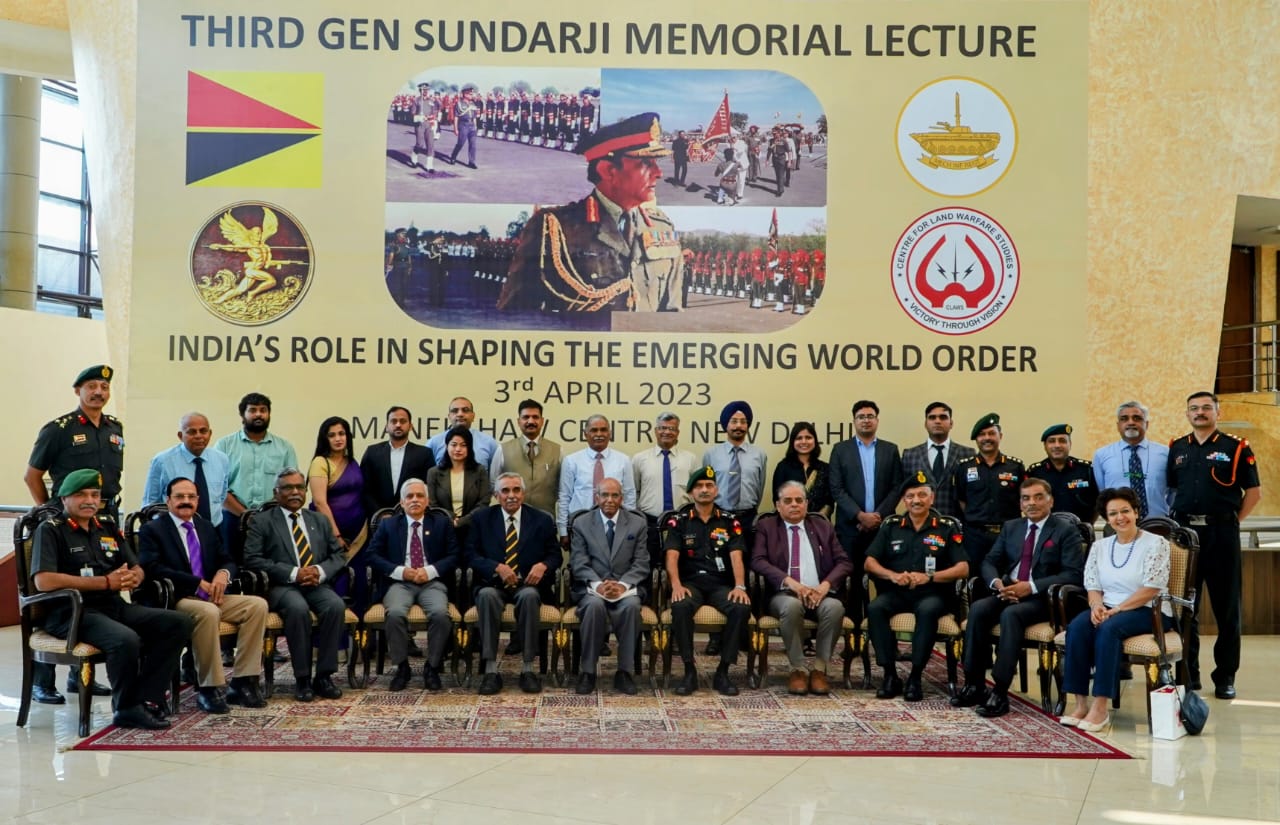
New Delhi, 3rd April, 2023. The 3rd General Sundarji Memorial Lecture was organised by the Indian Army at Manekshaw Centre to commemorate the memory of one of India’s foremost military thinkers, under the aegis of Mechanised Infantry Centre & School (MIC&S) and Centre for Land Warfare Studies (CLAWS). The event was attended by serving and retired officers of the three Services as well as literati and various think tanks. The lecture remembered the dynamic and visionary General K Sundarji, the 13th Chief of the Army Staff, who is also fondly called as the ‘Father of the Mechanised Infantry Regiment’.
In his keynote address, Lieutenant General Suchindra Kumar, Vice Chief of the Army Staff said that the Nation has upheld its global image as an emerging leader by taking responsible roles at various occasions especially during pandemic; and the Indian Army stands fully committed and prepared to fulfil the Nation’s expectations wherever possible. The speakers for the event were India’s former Foreign Secretary, Ambassador Shyam Saran and Lieutenant General Raj Shuka (retired), Member UPSC and former Army Commander; who spoke on “India’s Role in Shaping the Emerging World Order” and “Addressing National Security Challenges” respectively. The informative talks were followed by a Question & Answer session, wherein the audience interacted with the speakers on both the contemporary topics.
New Delhi, 30th March, 2023. Providing a further boost to ‘Aatmanirbharta’ in defence, Ministry of Defence, on 30th March, 2023, signed contracts for procurement of improved Akash Weapon System and 12 Weapon Locating Radars, WLR Swathi (Plains) for the Indian Army at an overall cost of over Rs 9,100 crore.
Improved Akash Weapon System
The contract for procurement of improved Akash Weapon System (AWS) for 3rd & 4th Regiments of Army Air Defence, comprising live Missiles & Launchers with upgrades, Ground Support Equipment, Vehicles and Infrastructure was signed with Bharat Dynamics Limited, worth over Rs 8,160 crore.
The AWS is a Short Range Surface to Air Missile (SRSAM) Air Defence System, indigenously designed and developed by Defence Research and Development Organisation (DRDO). In order to meet aerial threats, two additional Regiments of AWS with Upgradation are being procured for Indian Army for the Northern borders. Improved AWS has Seeker Technology, Reduced Foot Print, 360° Engagement Capability and improved environmental parameters.
The project will give a boost to the Indian missile manufacturing industry in particular and the indigenous defence manufacturing ecosystem as a whole. The project has overall indigenous content of 82% which will be increased to 93% by 2026-27.
The induction of the improved AWS into the Indian Army will increase India’s self-reliance in Short Range Missile capability. This project will play a role in boosting the overall economy by avoiding outgo of precious foreign exchange to other countries, increasing employment avenues in India and encouraging Indian MSMEs through components manufacturing. Around 60% of the project cost will be awarded to the private industry, including MSMEs, in maintaining the supply chain of the weapon system, thereby creating large scale of direct and indirect employment.
Weapon Locating Radars Swathi (Plains)
The contract for WLR Swathi (Plains) was signed with Bharat Electronic Limited (BEL) at a cost of over Rs 990 crore. It is an indigenously designed WLR which is capable of locating guns, mortars and rockets firing own troops, thereby facilitating their destruction through Counter Bombardment by own firepower resources. This will enable troops to carry out their operational tasks without any interference from the enemy and also provide them safety against enemy fire. Induction is planned to be completed in 24 months.
This project is a big opportunity for the defence industry to showcase its capability and will be a step in the direction of achieving the goal of ‘Aatmanirbharta’ in defence.
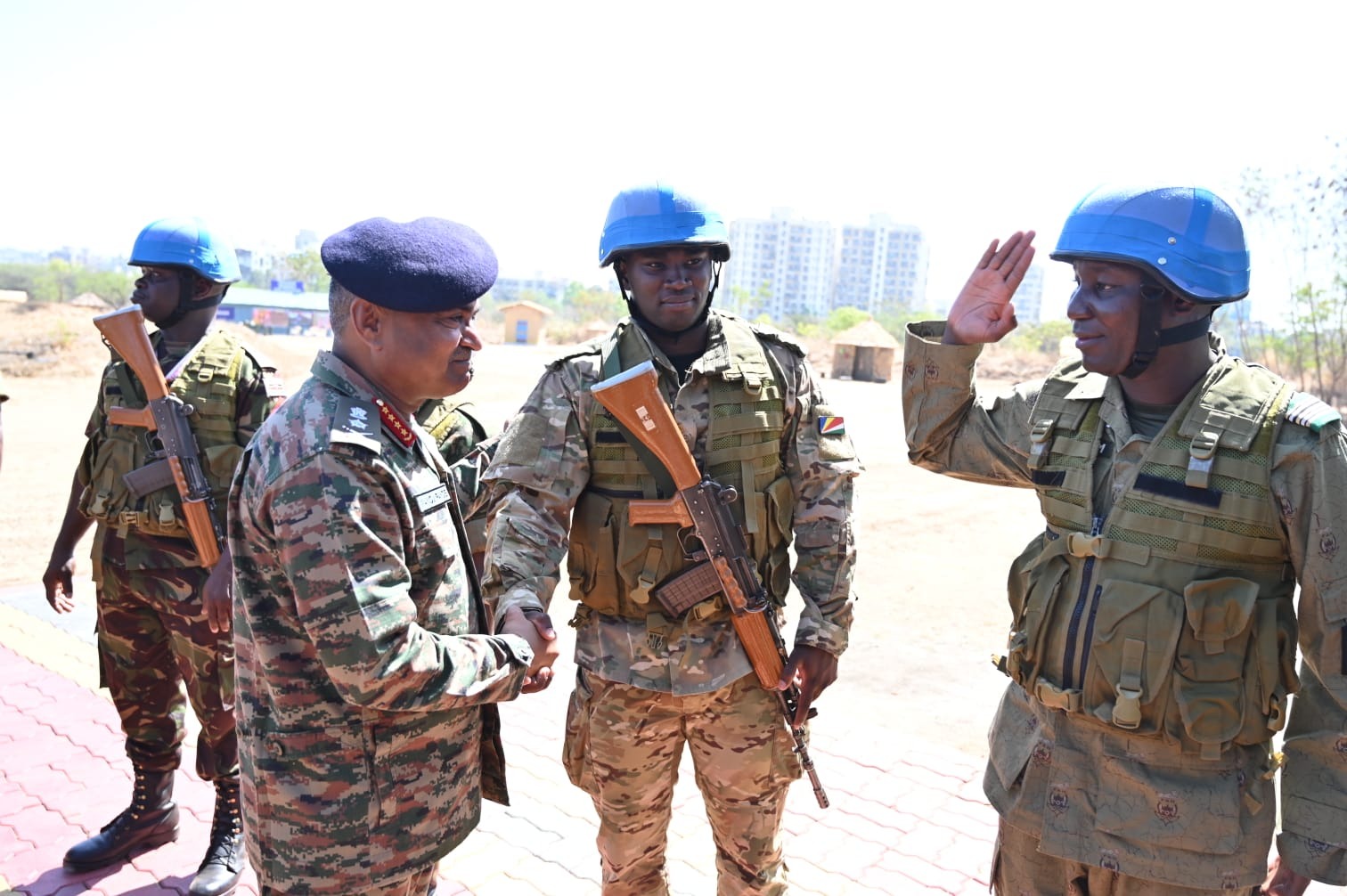
New Delhi, 29th March, 2023. The 2nd edition of joint military exercise “The Africa-India Field Training Exercise (AFINDEX-2023)” culminated on 29th March at Foreign Training Node, Aundh, Pune. AFINDEX-2023 was held from 16 to 29 Mar 2023. A total of 25 nations of the African continent with 124 participants and Indian troops from the SIKH, MARATHA and MAHAR Regiments participated in the multinational exercise. The validation phase of the exercise was witnessed by General Manoj Pande, Chief of the Army Staff along all the African Chiefs and representatives who attended the Chiefs’ Conclave.
Aim of the exercise was to build positive military relations, imbibe each other’s best practices and promote the ability to operate together while undertaking execution of Humanitarian Mine Action and Peace Keeping Operations under the UN mandate. This joint exercise will enable the armies to learn and adopt methodologies and tactics while conducting such operations. Further, the exercise will assist the forces in correct interpretation of Rules of Engagements while undertaking Peace Keeping Operations.
The bonhomie, espirit-de-corps and goodwill generated during the exercise will go a long way in further strengthening the bonds between the armies by enabling understanding of each other’s organisation and methodology of conducting various operations. This exercise is a harbinger for greater cooperation between Indian & African armies in the future.
On the sidelines of the exercise an ‘Equipment Display’ was organized in which 75 indigenous products from 32 industries manufactured under ‘Make in India’ were showcased. African Army Chiefs, representatives of Chiefs and participants of the African nations also witnessed the event.
Rs 3,000 crore contract signed with NewSpace India Limited for an Advanced Communication Satellite for Indian Army
New Delhi, 29th March, 2023. In yet another boost to ‘Aatmanirbharta’ in defence, Ministry of Defence, on March 29, 2023, signed three contracts – two with Bharat Electronics Limited (BEL), Ghaziabad and one with NewSpace India Limited (NSIL) – at a total cost nearly Rs 5,400 crore, to bolster the defence capabilities of the country. The first contract with BEL pertains to procurement of Automated Air Defence Control & Reporting System ‘Project Akashteer’ worth Rs 1,982 crore for the Indian Army. The second contract with BEL relates to acquisition of Sarang Electronic Support Measure (ESM) systems along with associated Engineering Support Package from BEL, Hyderabad at an overall cost of Rs 412 crore for the Indian Navy.
The contract with NSIL, a Central Public Sector Enterprise under Department of Space, Bengaluru pertains to procurement of an advanced Communication Satellite, GSAT 7B, which will provide High Throughput Services to the Indian Army at an overall cost of Rs 2,963 crore. All these projects are under Buy {Indian – IDMM (Indigenously Designed Developed and Manufactured)} category.
Project Akashteer
The Automated Air Defence Control & Reporting System ‘Project Akashteer’ will empower the Air Defence units of the Indian Army with an indigenous, state-of-the-art capability, to effectively operate in an integrated manner. Akashteer will enable monitoring of low level airspace over the battle areas of Indian Army and effectively control the Ground Based Air Defence Weapon Systems.
Sarang systems
Sarang is an advanced Electronic Support Measure system for helicopters of the Indian Navy, designed and developed indigenously by Defence Electronics Research Laboratory, Hyderabad under programme Samudrika. The scheme will generate an employment of approximately two lakh man-days over a period of three years.
Both the projects will encourage participation of Indian Electronics and associated industries, including MSMEs, who are sub vendors of BEL.
Advanced Communication Satellite
The satellite will considerably enhance the communication capability of the Indian Army by providing mission critical beyond line of sight communication to troops and formations as well as weapon and airborne platforms. The geostationary satellite, being a first-of-its-kind in the five-tonne category, will be developed indigenously by Indian Space Research Organisation (ISRO).
Many parts and sub-assemblies and systems will be sourced from indigenous manufacturers, including MSMEs and start-ups, thereby giving a fillip to the private Indian space industry, in line with the Prime Minister’s vision of ‘Aatmanirbhar Bharat’. The project will generate an employment of approximately three lakh man-days over a period of three and half years.
New Delhi, 17th March. Indian soldiers are provided the requisite protection to include Bullet Proof Jackets and Bullet Proof Helmets to operate in challenging environment. Safety of soldiers who are deployed on security duties is considered paramount. A modern day soldier needs to have all round protection from the newer and emerging threat of warfare. Sikh troops battling terrorism have been wearing Bullet Proof Patka over cloth patka while maintaining their religious identity. Tank Crew of Armoured Regiments also wear padded communication head gear.
Tactical helmets are an integral part of flying gear for combat aircraft operations and protective gear of soldiers against enemy gunfire. All pilots of fighter aircraft/combat helicopters and soldiers deployed in the areas where enemy attacks are anticipated or defending important installations are to wear the full protective gear for personal safety. Fighter Pilots and Helicopter Pilots of the Indian Defence Forces have always been wearing helmets over their religious head gear for heads up display and communication.
This information was given by Raksha Rajya Mantri Shri Ajay Bhatt in a written reply to Shrimati Preneet Kaur in Lok Sabha on 17th March.








 New Delhi, 30th March, 2023. Providing a further boost to ‘Aatmanirbharta’ in defence, Ministry of Defence, on 30th March, 2023, signed contracts for procurement of improved Akash Weapon System and 12 Weapon Locating Radars, WLR Swathi (Plains) for the Indian Army at an overall cost of over Rs 9,100 crore.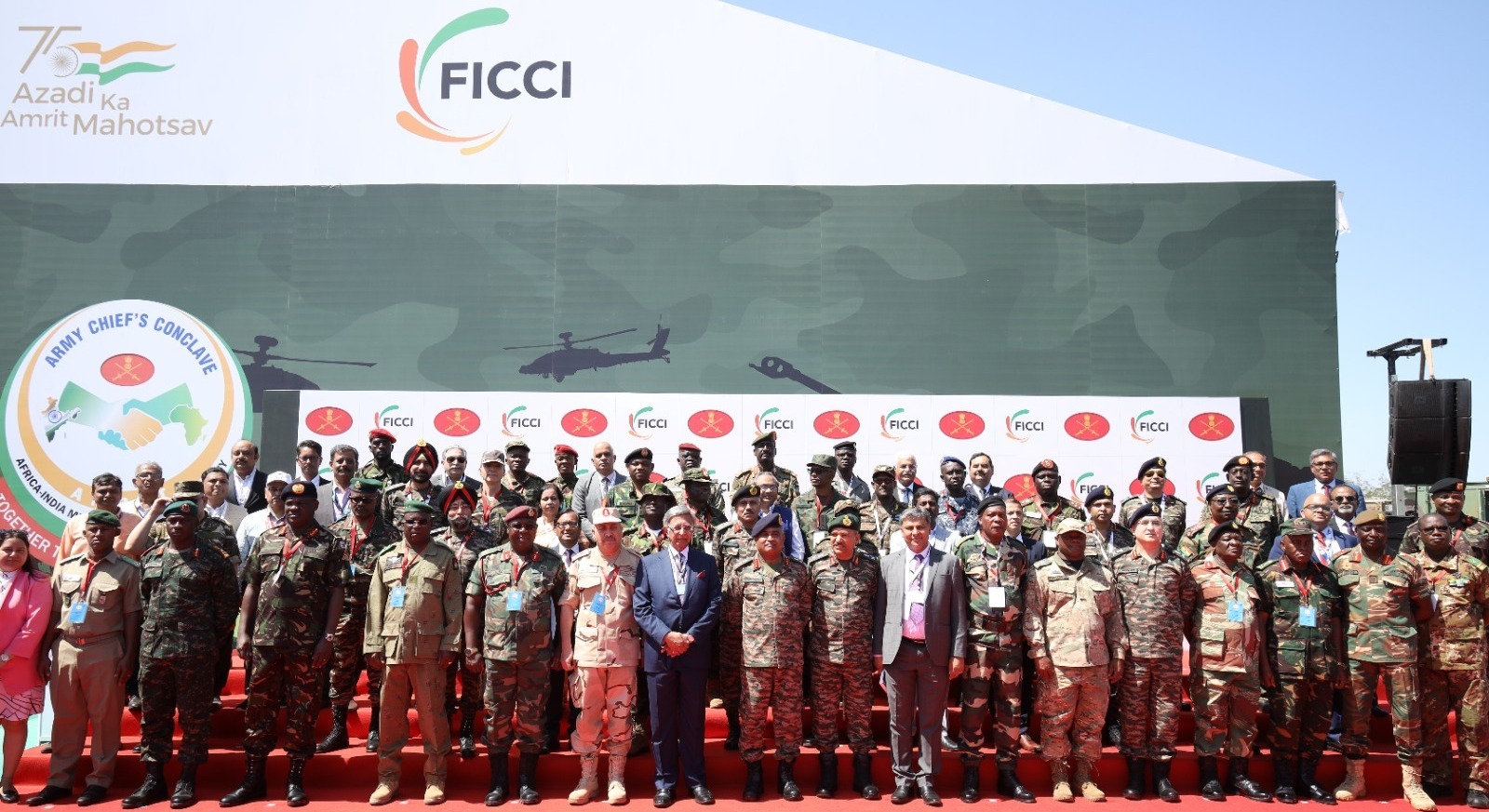
8G1Y.jpeg)